Miki Castle
Miki Castle (三木城, Miki-jō) is a significant hill castle located in Miki city, Hyōgo Prefecture, Japan. Constructed in the 15th century during the turbulent Sengoku period, it was originally built by the warlord Bessho Nagaharu. The castle played a pivotal role in the power struggles of western Japan and is an important example of Japanese castle architecture from the late medieval period.
Historical context and strategic importance
During the Sengoku period (mid-15th to early 17th century), Japan was fragmented into numerous feudal domains ruled by competing daimyo. Miki Castle was strategically positioned on a hill overlooking the surrounding plains, providing a commanding view and natural defensive advantages. The castle's location in Hyōgo Prefecture placed it near key routes connecting the Seto Inland Sea with the Kansai region, making it a valuable military asset.
Bessho Nagaharu, a prominent local daimyo, fortified the castle to assert control over the region. The castle became a focal point during conflicts involving the powerful Oda Nobunaga and his attempts to unify Japan. Notably, Miki Castle was the site of the Siege of Miki (1578-1580), where Bessho Nagaharu resisted the forces of Nobunaga's general Akechi Mitsuhide. Despite a prolonged siege, the castle eventually fell, marking a significant moment in Nobunaga's campaign.
Architectural features and castle layout
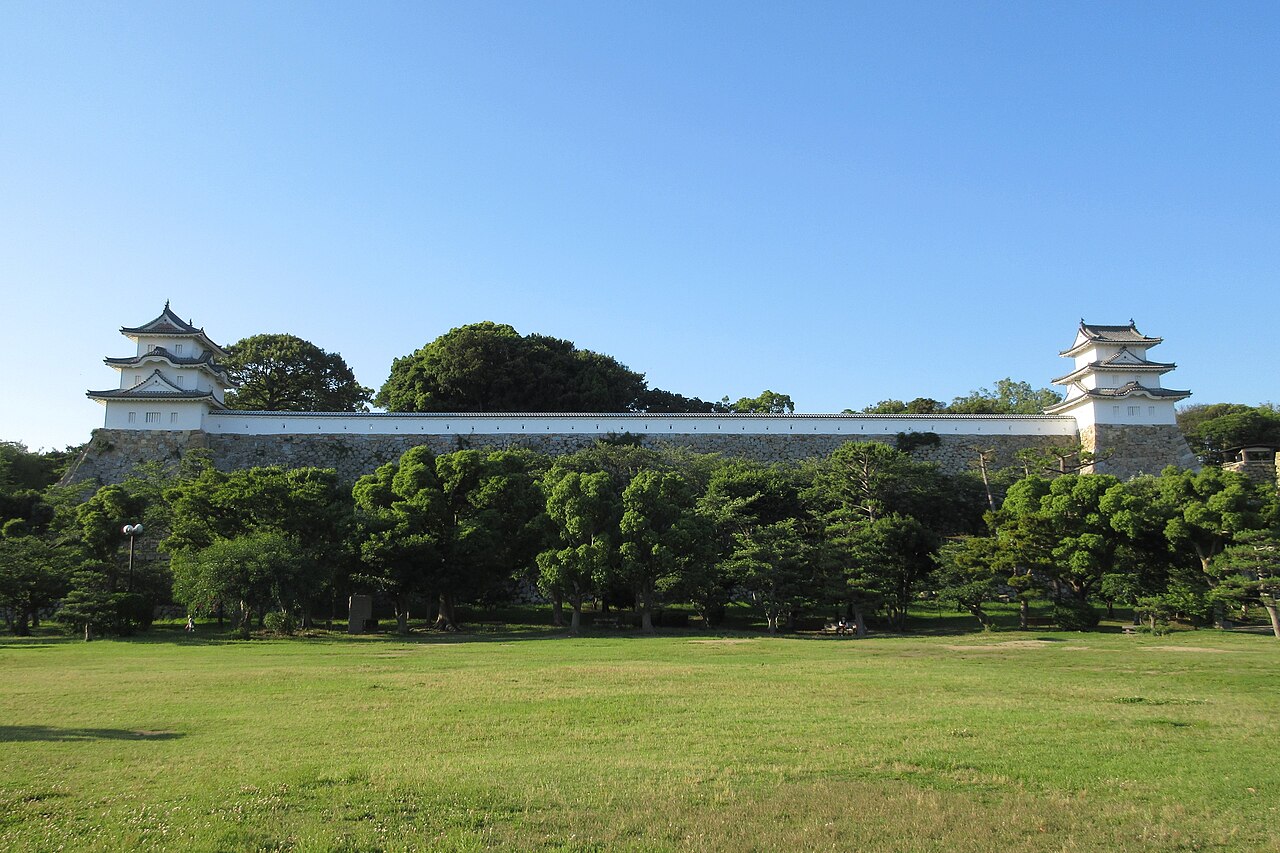
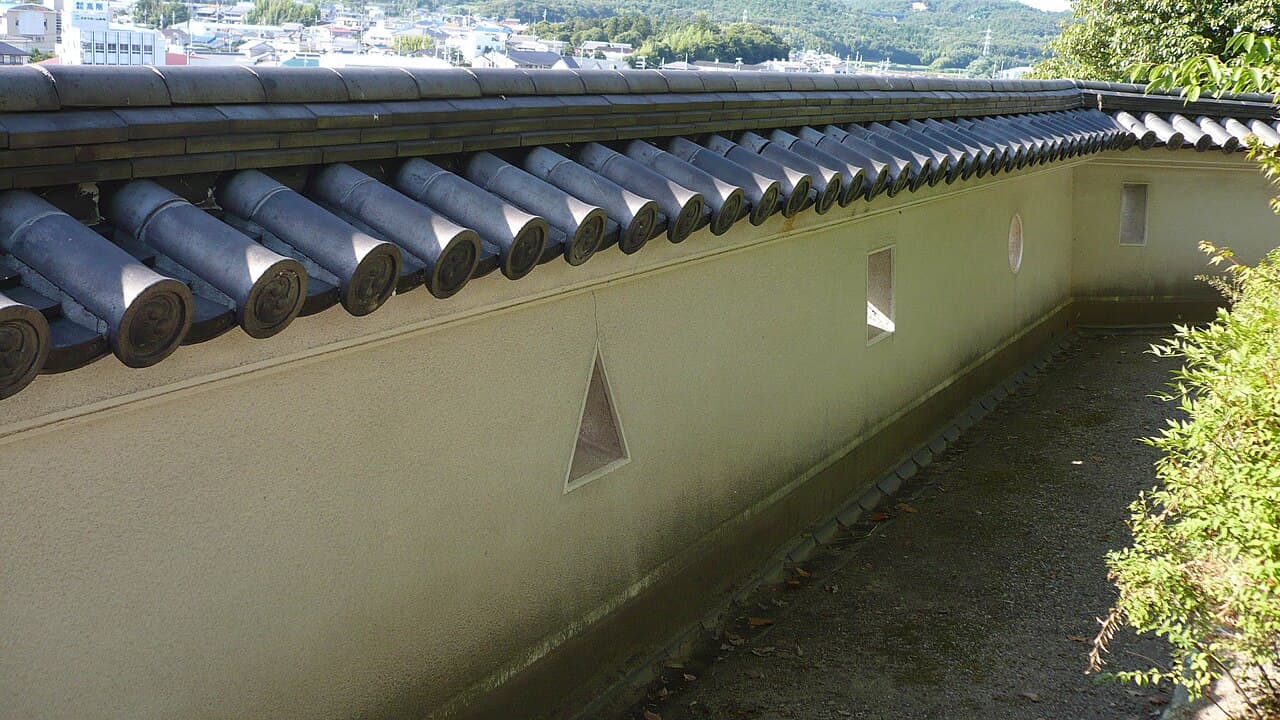
Miki Castle exemplifies the typical characteristics of a hill castle (yamajiro) of the Sengoku era. Built primarily of earthworks and wooden structures, it utilized the natural terrain for defense. The castle's design included multiple baileys (kuruwa) arranged on terraced slopes, connected by narrow paths and fortified with stone walls and dry moats.
The main enclosure (honmaru) was situated at the highest point, housing the lord's residence and key defensive structures. Surrounding this were secondary enclosures that served as living quarters for retainers, storage areas, and defensive positions. The castle's fortifications included earthen ramparts, stone walls, and wooden palisades. Although no large tenshu (main keep) remains, the castle's layout reflects the Sengoku period's emphasis on practical defense over grandiose architecture.
Defensive adaptations
The castle's hilltop position was enhanced with a series of trenches and dry moats designed to slow and channel attacking forces. Steep slopes and narrow access routes further increased its defensibility. These features allowed the defenders to effectively repel sieges for extended periods, as seen during the famous Siege of Miki.
Current condition and preservation efforts
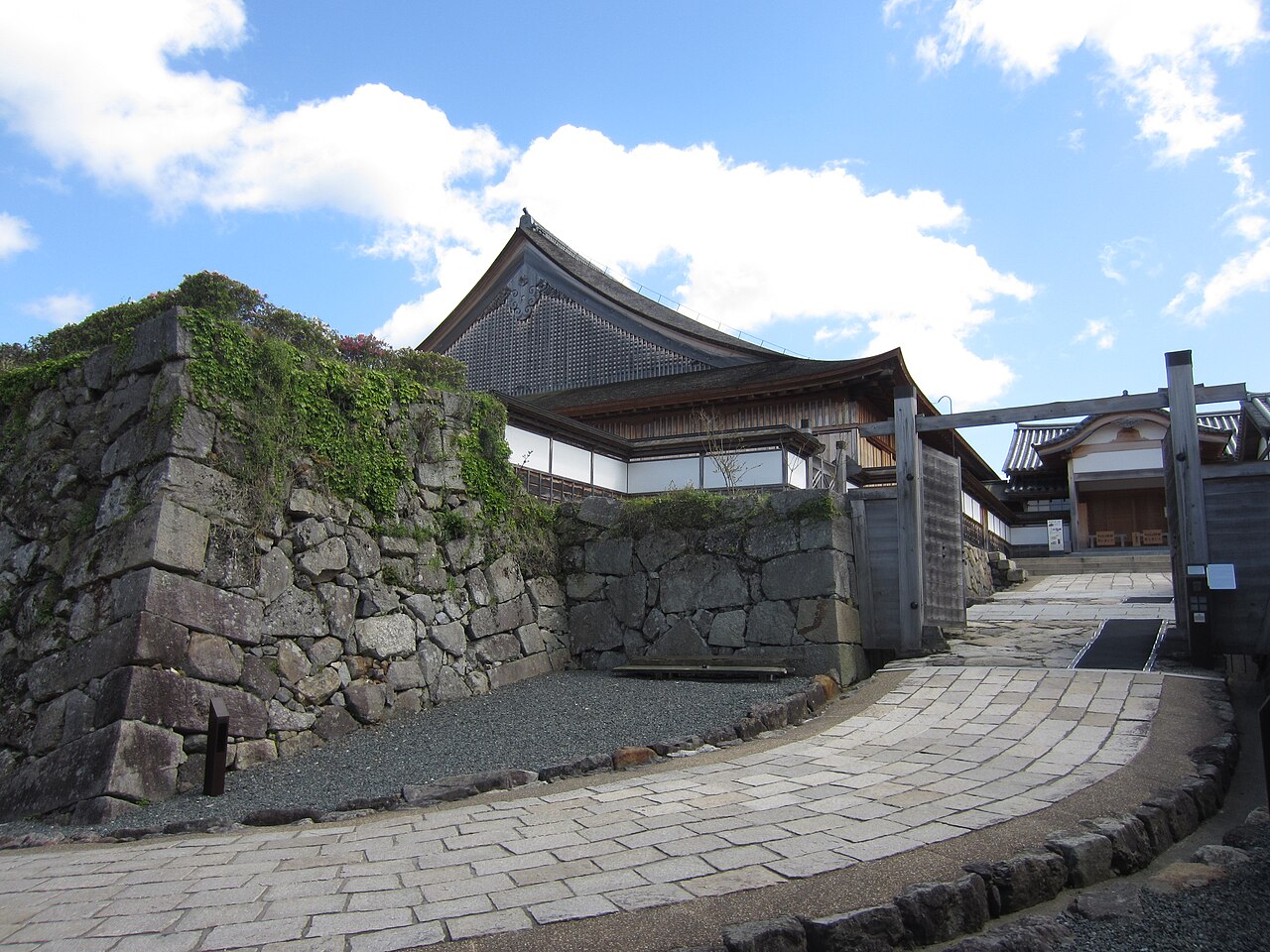
Today, Miki Castle exists primarily as a ruin, with some sections of stone walls and earthworks still visible. Partial reconstructions have been undertaken to give visitors a sense of the castle's original scale and structure. The site was designated a National Historic Site of Japan in 2013, recognizing its cultural and historical importance.
Preservation efforts focus on maintaining the remaining earthworks and stone foundations, as well as providing educational materials and signage for visitors. The castle ruins are accessible to the public and offer hiking opportunities along the historic defensive lines and terraces.
Visiting Miki Castle
Visitors to Miki Castle can explore the extensive ruins spread across the hillside. The site features walking trails that lead through the various baileys and defensive structures. Interpretive signs explain the castle's history and architectural features, enhancing the visitor experience.
The castle's location near Miki city makes it accessible for day trips from larger cities such as Kobe and Osaka. While there are no large reconstructed buildings, the natural setting and remaining fortifications provide insight into Japanese Sengoku period military architecture.
Nearby attractions
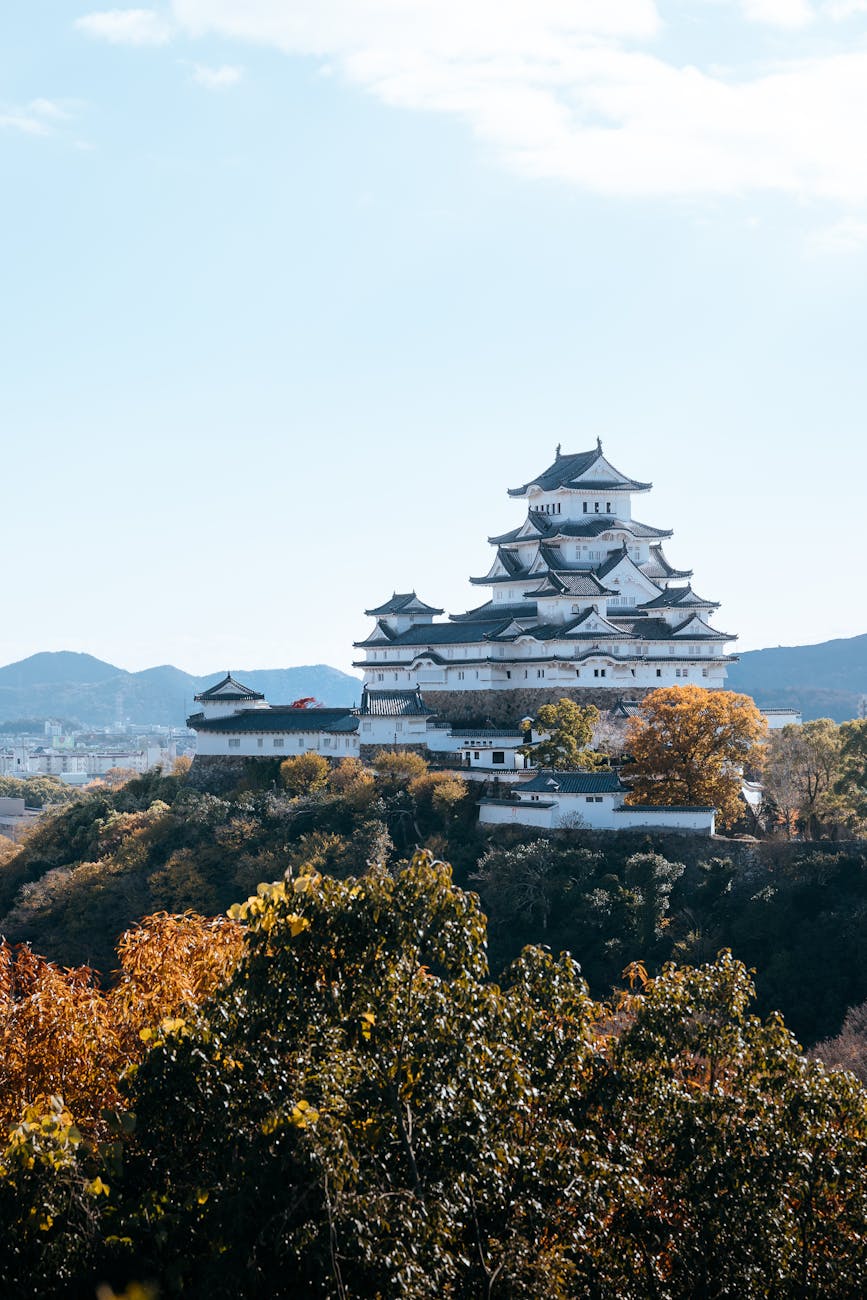
Hyōgo Prefecture offers numerous cultural and historical sites, including Himeji Castle, a UNESCO World Heritage Site renowned for its preservation and grandeur. Visitors to Miki Castle often combine their visit with trips to these nearby landmarks to gain a broader understanding of Japan's feudal history.
Frequently asked questions (FAQ)
- When was Miki Castle built and by whom?
- Miki Castle was built in the 15th century by the daimyo Bessho Nagaharu during Japan's Sengoku period.
- What type of castle is Miki Castle?
- Miki Castle is a hill castle (yamajiro), constructed on elevated terrain to maximize natural defenses.
- What historical events is Miki Castle known for?
- The castle is famous for the Siege of Miki (1578-1580), where Bessho Nagaharu resisted Oda Nobunaga's forces before eventually surrendering.
- Can visitors access the castle ruins today?
- Yes, the castle ruins are open to the public with walking trails and interpretive signage explaining the site's history and architecture.
- Is Miki Castle recognized as a cultural heritage site?
- Yes, Miki Castle's ruins have been protected as a National Historic Site of Japan since 2013.
Photo gallery

Photo by 投稿者が撮影•Public domain
Information
Loading map...
Visitor reviews
No reviews yet. Been here? Write the first review and help other travelers!
Write the first reviewVisited this castle? Share your experience
Your review helps other travelers and adds first-hand knowledge to our encyclopedia.