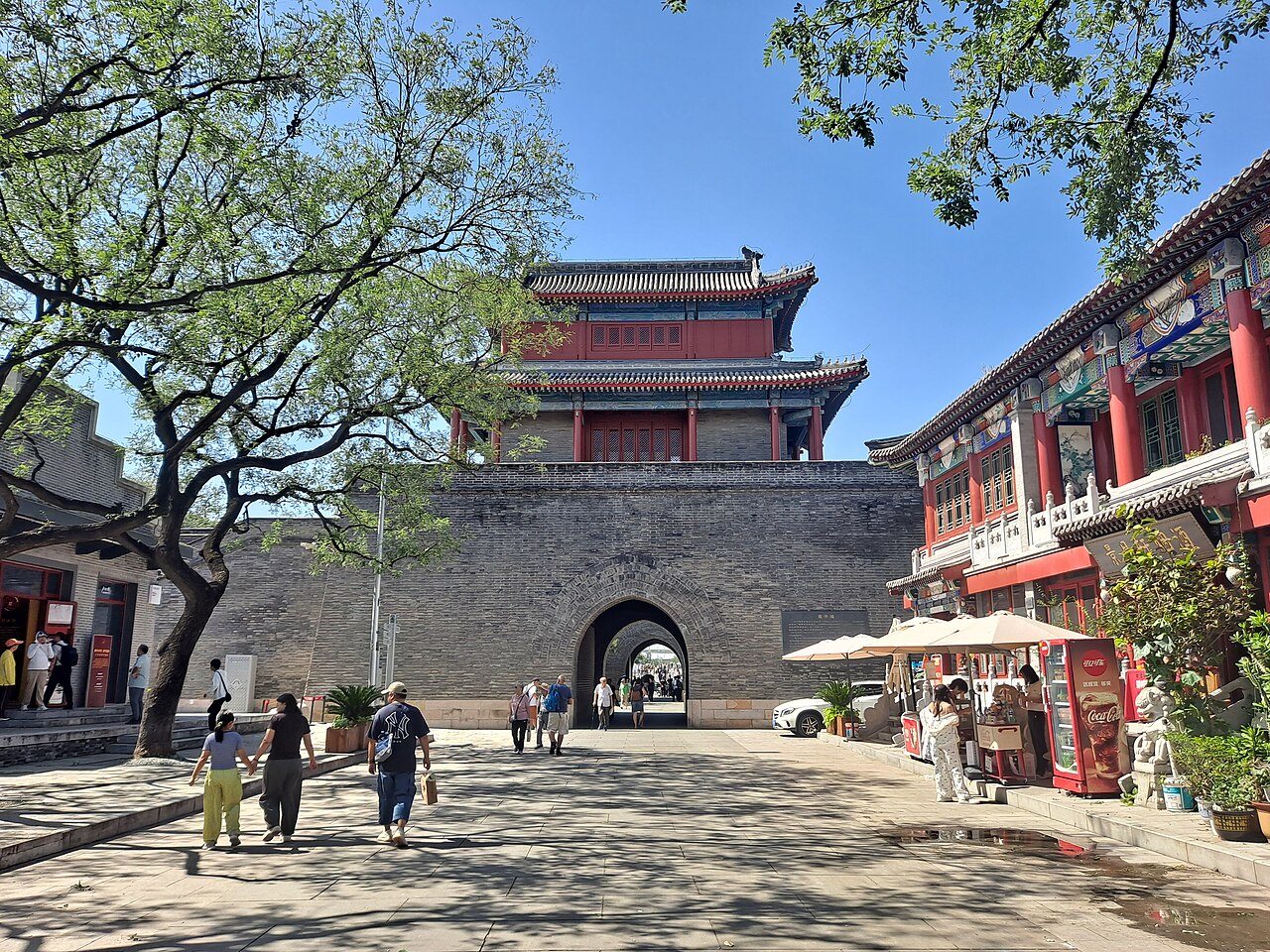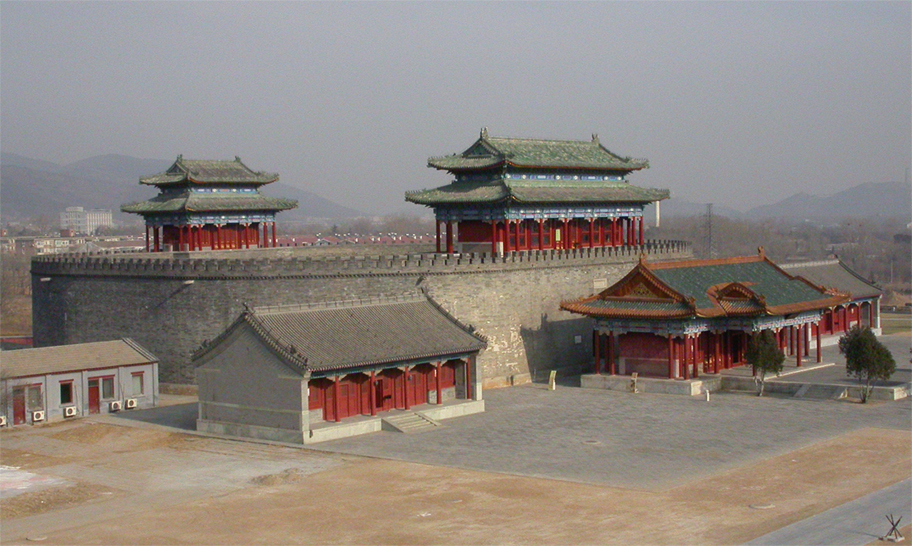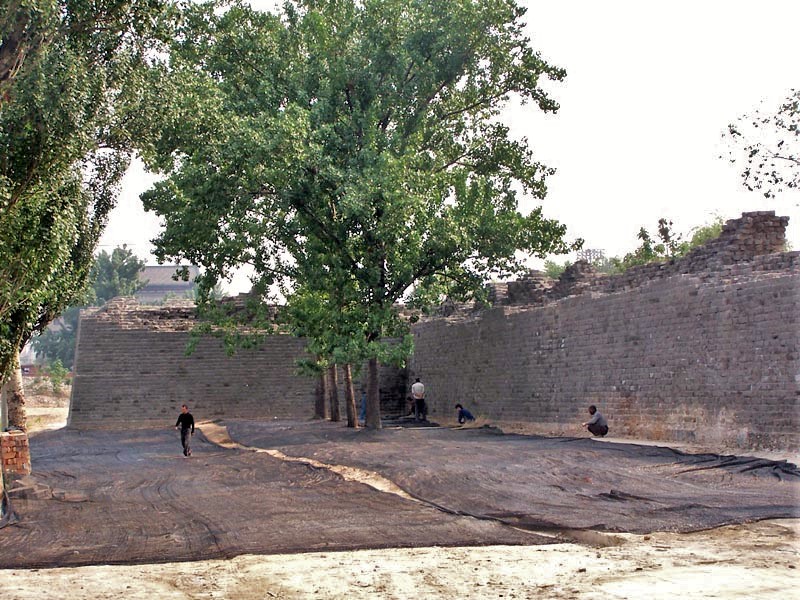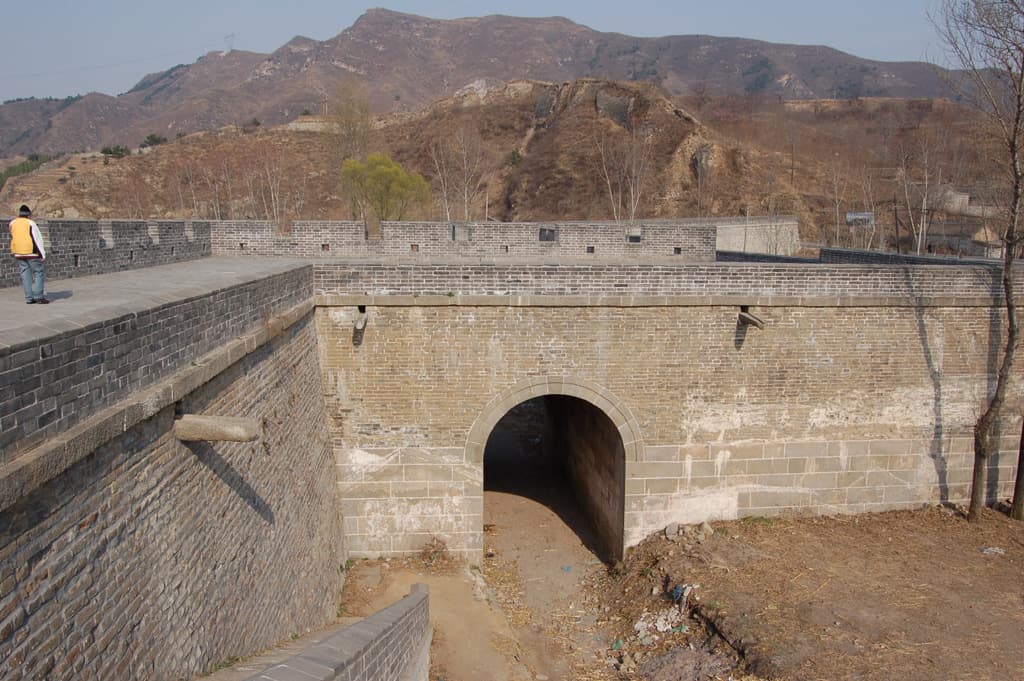
Zijingguan Fortress, located in China, is a significant example of a bastioned fortress reflecting strategic military architecture designed to withstand artillery attacks. This type of fortress is characterized by its angular bastions projecting from the curtain walls, enabling defenders to cover adjacent walls with overlapping fields of fire, a design that became prominent in the post-medieval period when gunpowder weaponry reshaped fortification construction.
Though the exact city location of Zijingguan Fortress remains unspecified, its architectural style and classification as a bastioned fortress suggest it was built or significantly modified during the era when Chinese military engineering incorporated Western-style fortification principles. This period often corresponds to the post-medieval era, particularly from the 16th to 19th centuries, when European influence on military architecture spread globally.
Architectural features and design
The fortress is distinguished by its robust bastions, which are angular projections enabling defensive artillery to cover adjacent walls and eliminate blind spots. This design was a response to the increased use of cannons and firearms, marking a shift from traditional medieval fortresses with high walls and towers to lower, thicker walls with angular bastions for better resistance and defense.
Zijingguan Fortress likely includes a complex of defensive walls, gates, and possibly moats or water defenses, typical of bastioned fortresses aimed at creating multiple layers of protection. The walls would have been constructed of stone or brick, materials favored for their durability against cannon fire. The fortress's layout would facilitate both active defense by soldiers and the placement of artillery to cover all approaches.
Historical context and military significance
During the period when bastioned fortresses were prevalent, China faced various internal and external military challenges that necessitated advanced fortifications. The adaptation of bastioned designs reflects a strategic response to evolving warfare technology, including the introduction of gunpowder weapons and artillery. Fortresses like Zijingguan would have played critical roles in regional defense, controlling key routes or borders.
While specific historical events associated with Zijingguan Fortress are not well-documented in widely accessible sources, its architectural classification indicates its importance in the military history of China during the transition from medieval to early modern warfare.
Preservation and current status
The current condition of Zijingguan Fortress is not definitively recorded, but bastioned fortresses of this type often exist today either as ruins or partially preserved sites. Preservation efforts, if any, would focus on maintaining the structural integrity of the bastions and walls, as well as providing access and interpretation for visitors interested in military history and architecture.
Cultural and heritage importance
Zijingguan Fortress represents an important phase in the evolution of Chinese military architecture, illustrating how traditional fortification methods adapted to new technologies and influences. It serves as a tangible link to the military strategies and geopolitical realities of its era, offering insights into the defensive priorities and engineering skills of its builders.
Visitors to such sites can gain an understanding of the complex interplay between local and foreign military influences and appreciate the architectural innovations that shaped fortifications in China and beyond.
Frequently asked questions (FAQ)
- What is the architectural style of Zijingguan Fortress?
- Zijingguan Fortress is classified as a bastioned fortress, featuring angular bastions designed for artillery defense, typical of post-medieval military architecture.
- When was Zijingguan Fortress likely constructed?
- While the exact construction date is unknown, bastioned fortresses were commonly built from the 16th to 19th centuries during the post-medieval period.
- Where is Zijingguan Fortress located?
- The precise city location of Zijingguan Fortress in China is not well-documented, but it is recognized as a significant military fortification within the country.
- Can visitors tour Zijingguan Fortress?
- Information on public access and visiting hours for Zijingguan Fortress is not readily available, so potential visitors should seek local guidance.
- Why is Zijingguan Fortress important historically?
- Zijingguan Fortress illustrates the adaptation of Chinese military architecture to gunpowder weaponry and Western fortification principles during the post-medieval era.
Photo gallery

Photo by Mr Chow 2007•Public domain
Information
Loading map...
Visitor reviews
No reviews yet. Been here? Write the first review and help other travelers!
Write the first reviewVisited this castle? Share your experience
Your review helps other travelers and adds first-hand knowledge to our encyclopedia.