Tuan Cheng Fortress
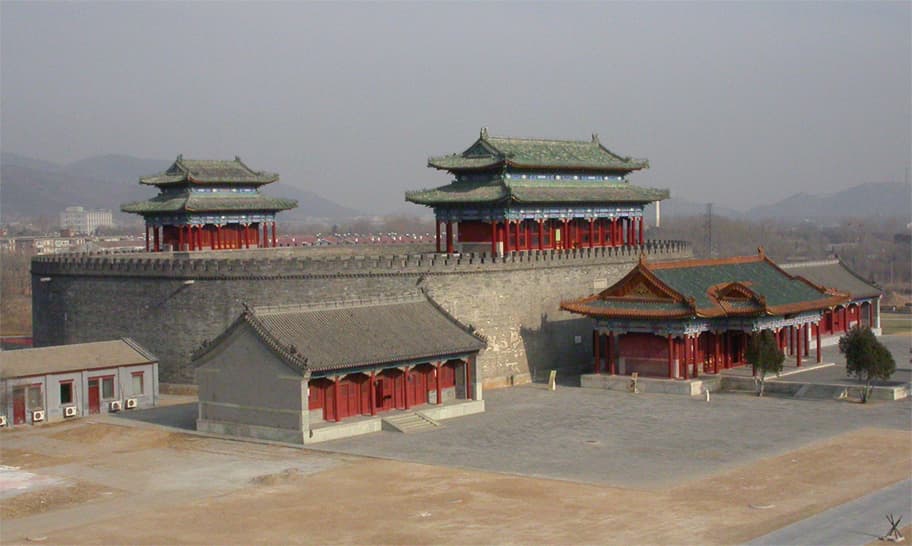
The Tuan Cheng Fortress, also known as the Tuancheng Exhibition Hall, is a remarkable example of an 18th-century bastioned fortress located in the Haidian District of Beijing, China, near the scenic Fragrant Hills. Constructed in 1749 CE during the Qianlong Emperor's reign, this fortress served as a military training compound for the Qing dynasty, designed to train, inspect, and honor their troops. Its Chinese name, Tuánchéng Yǎnwǔtīng (团城演武厅), translates to "Round Wall Fortress," reflecting its distinctive circular defensive walls.
Historical context and purpose
The fortress was commissioned in the mid-18th century as part of the Qing dynasty's efforts to modernize and professionalize their military forces. The Qianlong Emperor sought to establish a dedicated site where troops could undergo rigorous training and display their martial skills in a controlled environment. The fortress's design facilitated not only practical military exercises but also ceremonial inspections and honors, underscoring its dual role as both a training ground and a symbol of imperial military prestige.
Architectural features and design
Tuan Cheng Fortress is characterized by its bastioned fortress design, a style that incorporates angled bastions projecting from the main walls to allow defensive fire in multiple directions. This design reflects a blend of traditional Chinese military architecture with influences from Western fortification principles that were becoming known in China during the 18th century.
The fortress's most notable feature is its circular curtain wall, which encloses the entire compound. The walls are constructed from brick and stone, providing substantial protection against artillery and infantry assaults. The bastions are strategically placed around the perimeter, enabling defenders to cover all approaches. Inside the walls, the fortress contains several buildings used for military drills, storage, and administrative functions.
The main gate and defensive structures
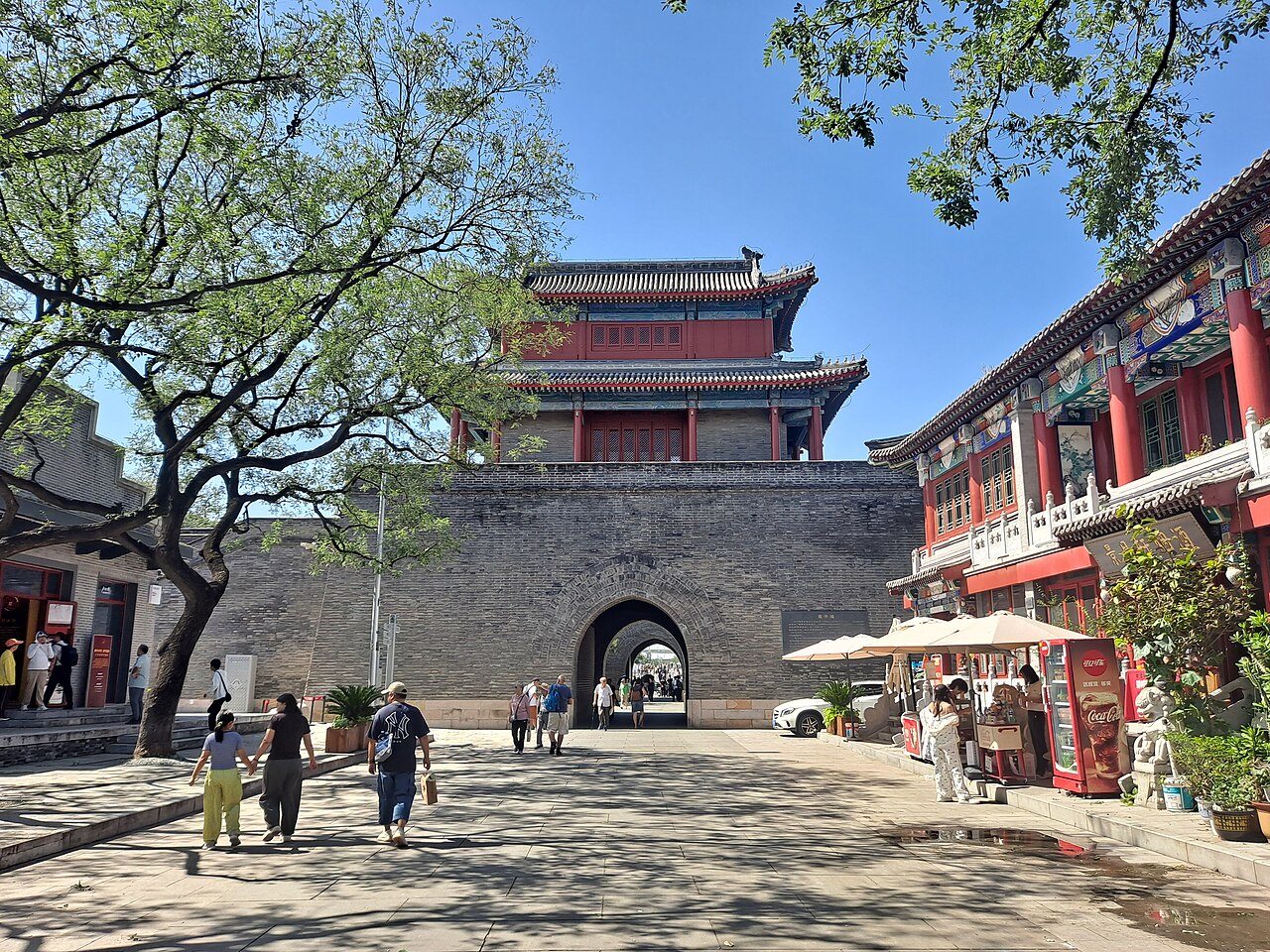
The main gate of the fortress is fortified and designed to control access strictly. It includes heavy wooden doors reinforced with iron studs, and the gatehouse is equipped with arrow slits and small cannon embrasures for defense. The bastions adjacent to the gate provide overlapping fields of fire to repel attackers.
Interior layout and facilities
Within the fortress walls, the layout is organized to support military training activities. Drill grounds occupy the central courtyard, where troops practiced formations and martial arts. Surrounding the courtyard are barracks, armories, and administrative offices. The fortress also includes ceremonial halls used for inspections and awarding honors to soldiers.
Preservation and modern use
The Tuan Cheng Fortress is exceptionally well preserved, maintaining much of its original structure and layout. It has been designated a national museum, known as the Tuancheng Exhibition Hall, which showcases Qing military history and martial arts traditions. The fortress regularly hosts large-scale martial arts events that attract enthusiasts and practitioners from across China, reinforcing its cultural and historical significance.
Visitors to the fortress can explore its defensive walls, bastions, and interior buildings, gaining insight into Qing military architecture and training practices. The site also serves as a venue for cultural exhibitions and educational programs related to China's martial heritage.
Location and surroundings
Situated near the Fragrant Hills, a well-known scenic area in Beijing, the fortress benefits from a picturesque natural setting. The location was likely chosen for its strategic advantages and proximity to the imperial capital. The surrounding landscape offers visitors additional attractions, including hiking trails and historic temples, complementing a visit to the fortress.
Frequently asked questions (FAQ)
- When was Tuan Cheng Fortress built and by whom?
- Tuan Cheng Fortress was built in 1749 during the reign of the Qianlong Emperor of the Qing dynasty. It was commissioned as a military training compound to support the imperial army.
- What is the architectural style of Tuan Cheng Fortress?
- The fortress features a bastioned design combining traditional Chinese military architecture with Western fortification elements, characterized by its circular curtain walls and angled bastions.
- Can visitors attend events at the fortress?
- Yes, the fortress regularly hosts large-scale martial arts events and exhibitions, attracting enthusiasts from across China interested in Qing military history and martial arts traditions.
- Is Tuan Cheng Fortress open to the public year-round?
- The fortress operates as a national museum with regular visiting hours, though specific times may vary seasonally. Visitors should check ahead for opening hours and event schedules.
- Where is Tuan Cheng Fortress located in Beijing?
- It is located in the Haidian District near the Fragrant Hills, a scenic area northwest of central Beijing, making it accessible for tourists exploring the city.

Information
Current owner
State museum
Loading map...
Visitor reviews
No reviews yet. Been here? Write the first review and help other travelers!
Write the first reviewVisited this castle? Share your experience
Your review helps other travelers and adds first-hand knowledge to our encyclopedia.