Wanping Fortress
Wanping Fortress, also referred to as Wanping Castle (Chinese: 宛平城; pinyin: Wǎnpíng Chéng), is a significant Ming Dynasty bastioned fortress located in the Fengtai District of Beijing, China. Constructed between 1638 and 1640, its primary purpose was to defend the capital against the forces of Li Zicheng and the widespread peasant uprisings that threatened the late Ming Dynasty. The fortress is an important example of military architecture from the late Ming period, showcasing defensive design principles adapted to the era's warfare needs.
Architectural design and layout
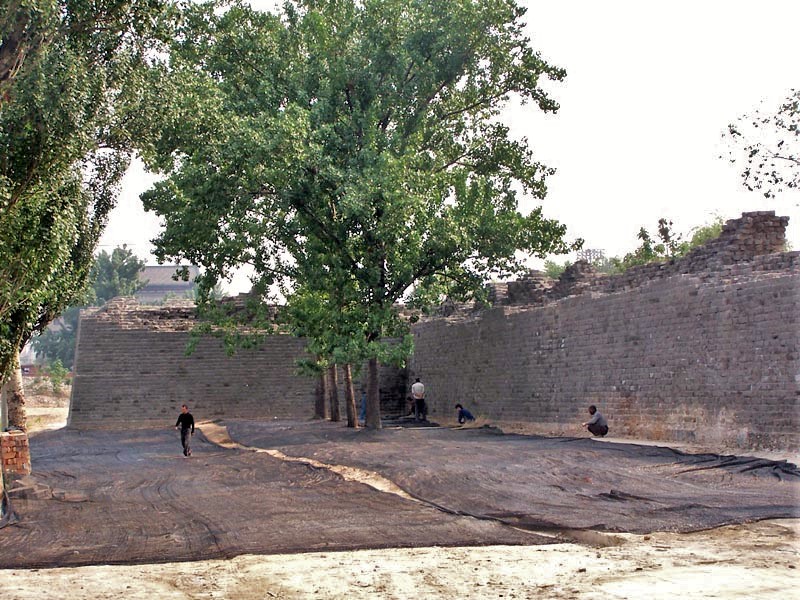
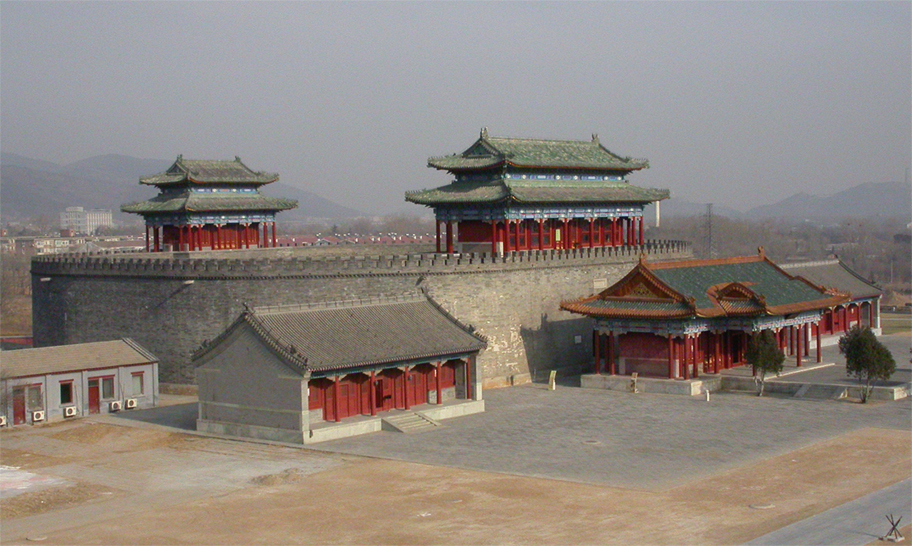
The fortress has a distinctive half-square shape, measuring approximately 640 meters from west to east and 320 meters from south to north. This layout reflects strategic planning to maximize defense while accommodating the terrain. The walls are robust, designed to withstand artillery and infantry attacks common in the 17th century. The fortress is classified as a bastioned fortress, a style that incorporates angled bastions projecting from the walls to provide defensive coverage and eliminate blind spots.
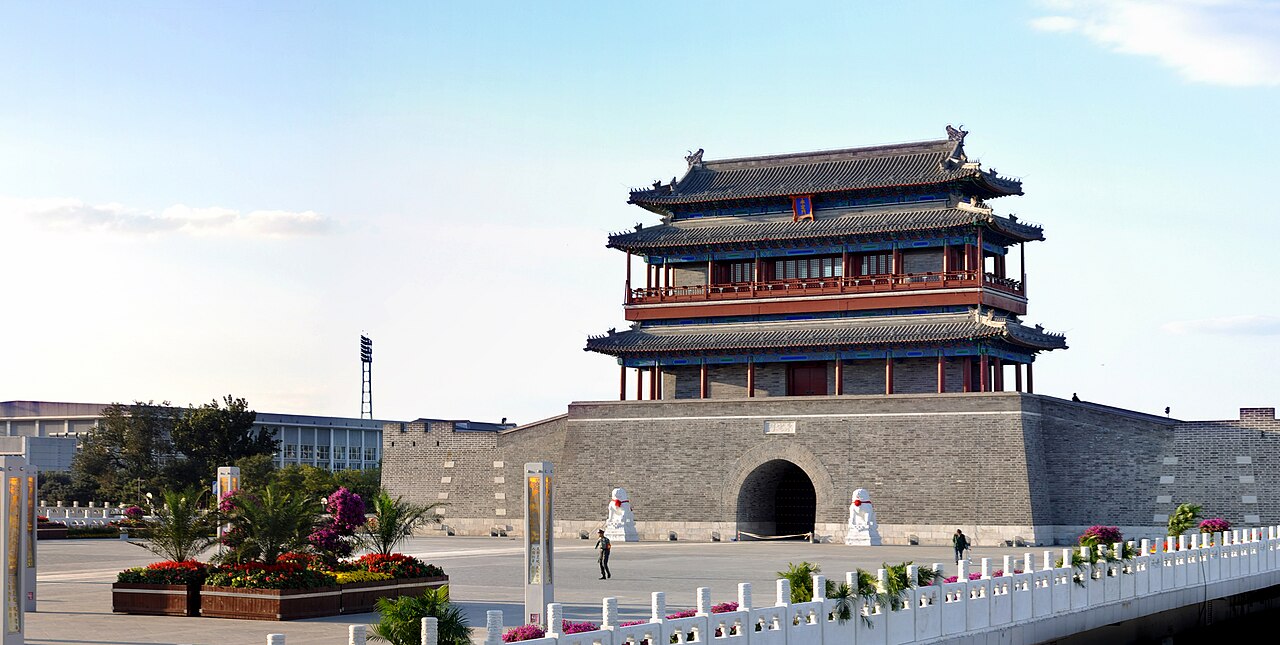
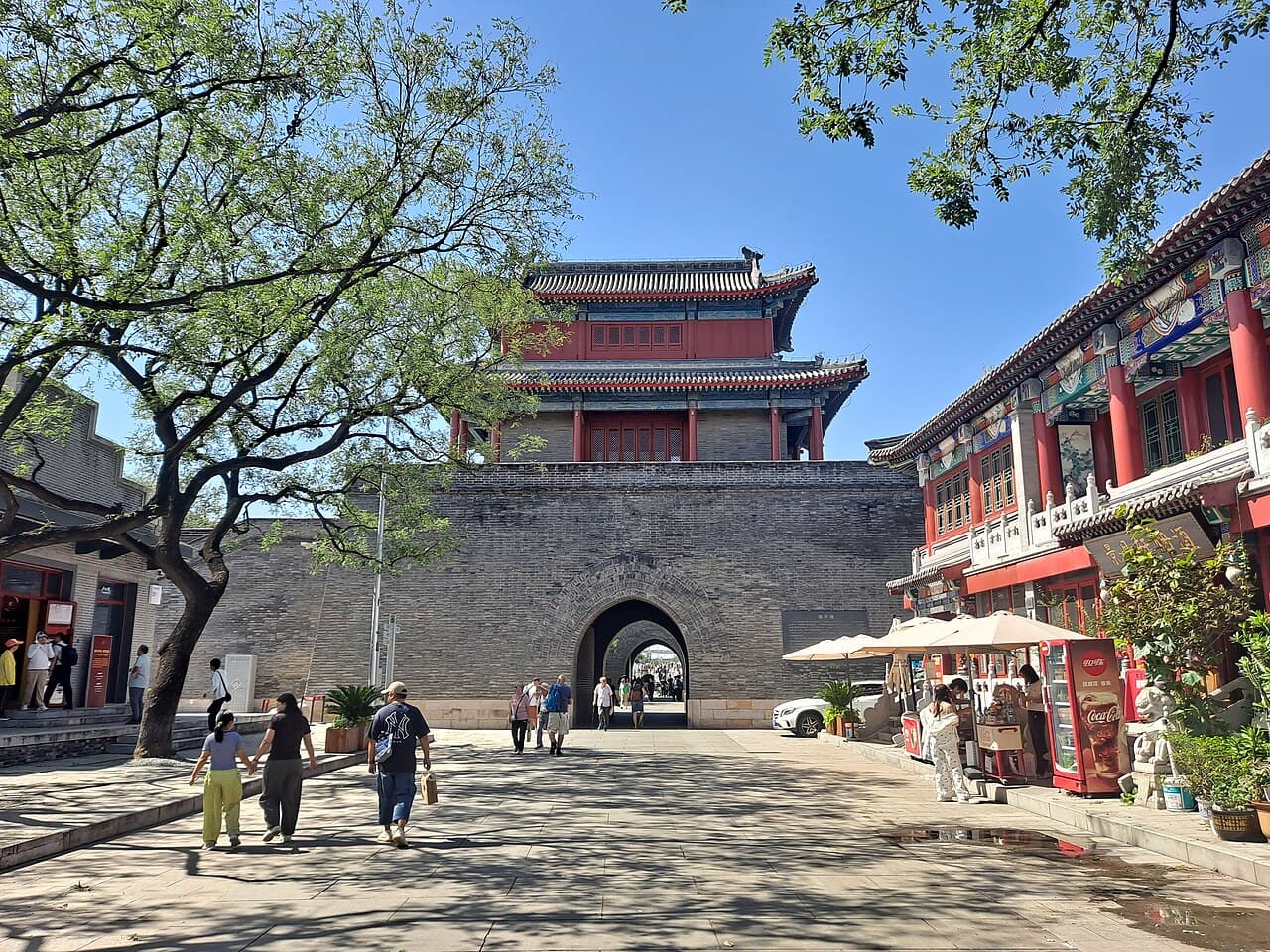
Wanping Fortress features two main gates. The east gate was originally called the Ever Prosperous Gate (永昌門, Yongchangmen) but was later renamed the Majestic Gate (威嚴門, Weiyanmen). The west gate is known as the Favorably Govern Gate (順治門, Shunzhimen). These gates were critical points for controlling access and were fortified to repel attackers.
Historical significance and military role
From its inception, Wanping Fortress served as a military stronghold protecting Beijing from internal rebellions and external threats. Its strategic location near the Yongding River and the Lugou Bridge (also known as the Marco Polo Bridge) made it a key defensive position controlling access routes to the capital.
The fortress gained international historical prominence due to its role in the Marco Polo Bridge Incident in July 1937. This event, triggered by a minor dispute over a missing Japanese soldier, escalated into a large-scale battle between Chinese and Japanese forces. The incident is widely regarded as the start of the Second Sino-Japanese War, marking a critical turning point in 20th-century East Asian history.
Cultural heritage and modern use
Today, Wanping Fortress stands as a well-preserved monument of Ming Dynasty military architecture and modern Chinese history. Inside the fortress walls, the Museum of the War of Chinese People's Resistance Against Japanese Aggression occupies a significant portion of the area. The museum is surrounded by a plaza and park featuring numerous sculptures commemorating the sacrifices and struggles during the war.
The fortress's proximity to the Yongding River and the historically significant Lugou Bridge enhances its cultural and tourist appeal. Visitors can explore the fortress's walls, gates, and military structures, gaining insight into both its architectural features and its role in China's modern history.
Architectural features in detail
Walls and bastions
The fortress walls are constructed from durable bricks and stone, designed to resist artillery bombardment and infantry assault. The bastions protruding from the walls allowed defenders to cover adjacent walls with crossfire, a defensive innovation that improved the fortress's resilience against siege tactics.
Gates and defensive mechanisms
The two gates were heavily fortified with gate towers and reinforced doors. Their strategic placement allowed control over traffic and provided strongpoints for defense. The renaming of the east gate reflects historical changes and the evolving symbolism attached to the fortress.
Wanping fortress in historical context
Built during the late Ming Dynasty, Wanping Fortress was part of a broader network of fortifications intended to secure the capital region. The Ming era was marked by frequent internal strife and external threats, prompting the construction of such bastioned fortresses to enhance military readiness.
The fortress's involvement in the Marco Polo Bridge Incident links it directly to the turbulent events leading to the Second Sino-Japanese War. This connection adds layers of historical importance beyond its original defensive function, making Wanping Fortress a symbol of resistance and national memory.
Frequently asked questions (FAQ)
- What is Wanping Fortress?
- Wanping Fortress is a historical military fortress located in the Fangshan District of Beijing, China. It was built during the Ming Dynasty to defend the capital against invasions and is known for its impressive architecture and strategic location.
- When was Wanping Fortress built?
- The construction of Wanping Fortress began in 1571 and was completed in 1576. It played a significant role in the defense of Beijing during various conflicts, making it an important historical site.
- Can I visit Wanping Fortress?
- Yes, Wanping Fortress is open to visitors who wish to explore its historical significance and architectural features. Visitors can walk through the fortress, enjoy scenic views, and learn about its history through informative displays.
- What are the opening hours for Wanping Fortress?
- Wanping Fortress is typically open from 8:00 AM to 5:00 PM daily. It is advisable to check the official website or local resources for any seasonal changes in hours before planning your visit.
- Is it possible to access Wanping Fortress by public transportation?
- Yes, Wanping Fortress can be accessed by public transportation, including buses and metro services. Local buses connect to nearby metro stations, making it convenient for visitors to reach the fortress.
- What is the best time to visit Wanping Fortress?
- The best time to visit Wanping Fortress is during the spring (April to June) and autumn (September to November) months. During these times, the weather is mild and pleasant, enhancing the overall experience of exploring the fortress.
- Are there any nearby attractions to see?
- Yes, there are several nearby attractions including the Badachu Park and the ancient temple complexes in the region. Visitors can easily combine their trip to Wanping Fortress with these other historical and natural sites.
- What are the ticket prices for Wanping Fortress?
- The entrance fee for Wanping Fortress is typically very affordable, making it accessible for all visitors. It's best to check current ticket prices online or at the entrance, as they may vary with special events or seasons.

Information
Loading map...
Visitor reviews
No reviews yet. Been here? Write the first review and help other travelers!
Write the first reviewVisited this castle? Share your experience
Your review helps other travelers and adds first-hand knowledge to our encyclopedia.