Zhengyangmen
Zhengyangmen, commonly known as Qianmen, is a significant historic gate located in Beijing, China. This gate served as the southern entrance to the Inner City of Beijing, positioned just south of the iconic Tiananmen Square. Constructed in the 15th century during the Ming dynasty, it functioned as a critical component of the city's defensive fortifications, forming part of the extensive Beijing city wall. Although most of the ancient city walls were demolished in the 20th century, Zhengyangmen remains one of the few surviving gates, preserving a tangible link to Beijing's historic urban fabric.
Historical significance and origins
The gate was originally named Lizhengmen, meaning "beautiful portal," before adopting the name Zhengyangmen, which translates to "Gate of the Zenith Sun." This name reflects its position along Beijing's central north–south axis, a key element in the city's traditional layout and cosmological symbolism. The gate's strategic location underscored its importance as a defensive bastion guarding the southern approach to the Inner City, which housed the imperial palace and administrative centers.
Architectural features and design
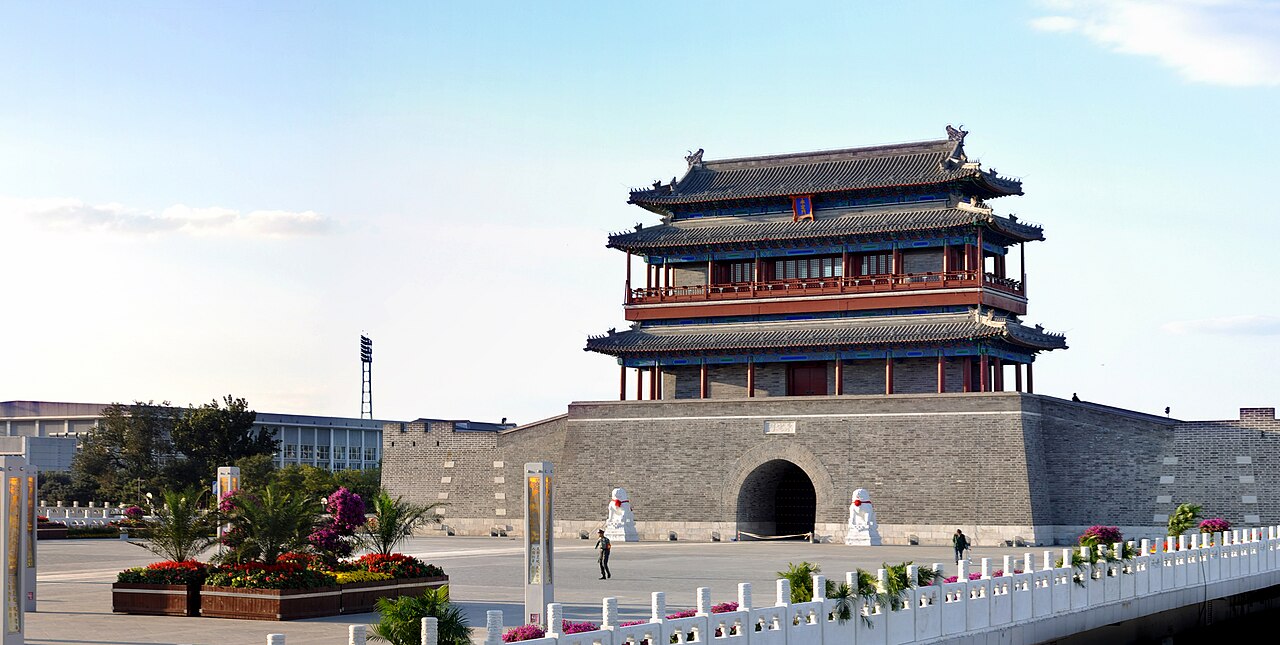
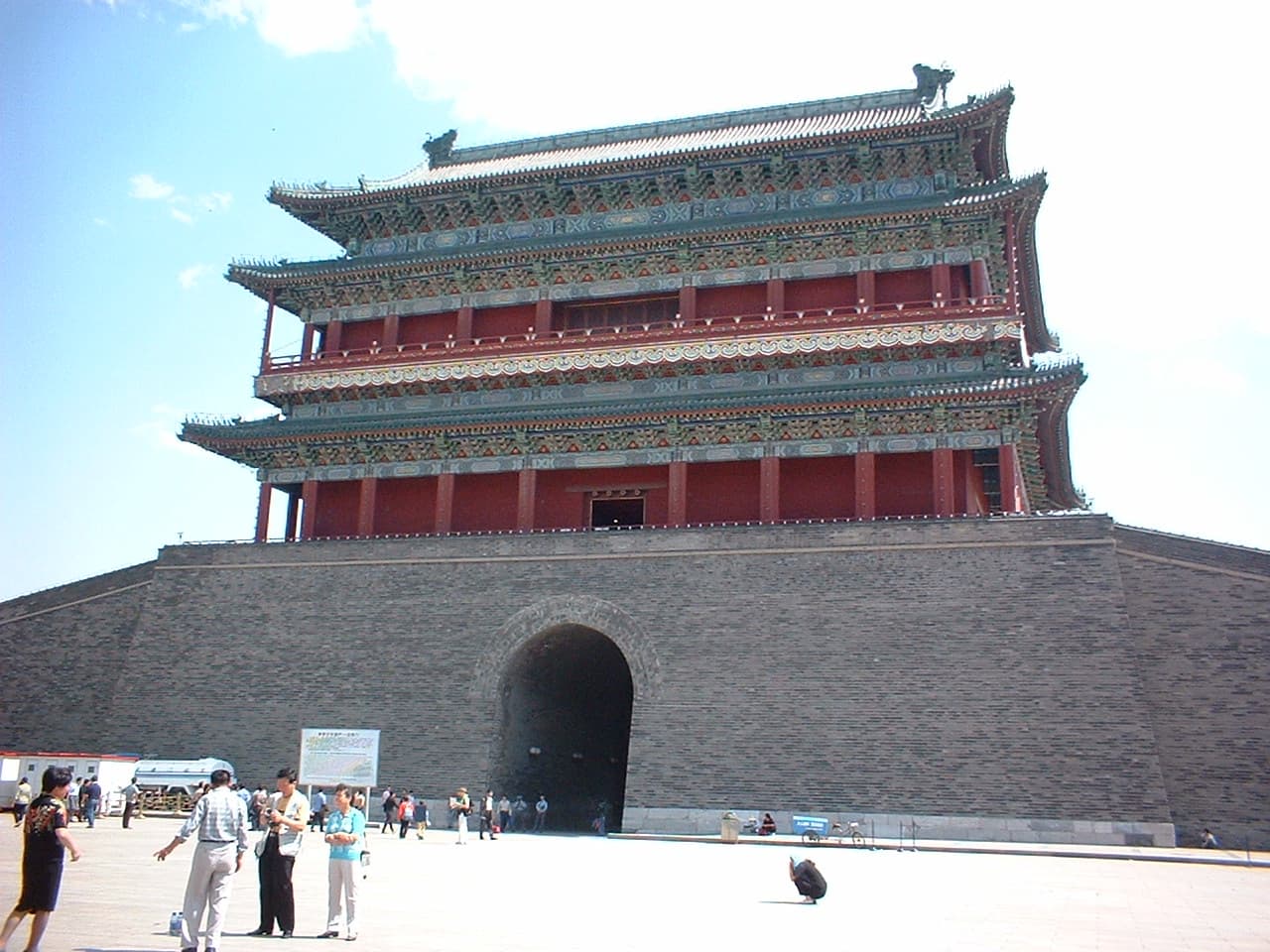
Zhengyangmen exemplifies the characteristics of a bastioned fortress typical of late medieval Chinese military architecture. The structure comprises a massive gate tower and a barbican, which together formed a formidable defense system against invaders. The gate tower, built with traditional wooden frameworks atop a solid stone base, rises prominently over the city walls, offering commanding views of the surrounding area. The barbican, an enclosed courtyard between two gates, created a choke point that enhanced the gate's defensive capabilities.
The walls of Zhengyangmen are thick and robust, constructed from large bricks and stones, designed to withstand siege warfare. Defensive features include arrow slits and battlements allowing defenders to repel attackers while remaining protected. The gate's design reflects the Ming dynasty's emphasis on combining aesthetic elegance with military functionality.
Role in Beijing's urban landscape
Zhengyangmen's location is central to Beijing's historic city planning. The city's main north–south axis runs directly through the gate, linking it visually and symbolically with other significant landmarks such as Tiananmen and the Forbidden City. This axis was integral to the city's spatial organization, reflecting Confucian principles of harmony and order.
As a key urban gateway, Zhengyangmen not only served defensive purposes but also functioned as a ceremonial entrance to the Inner City. It witnessed numerous historical events and processions, marking it as a cultural as well as military landmark.
Preservation and current status
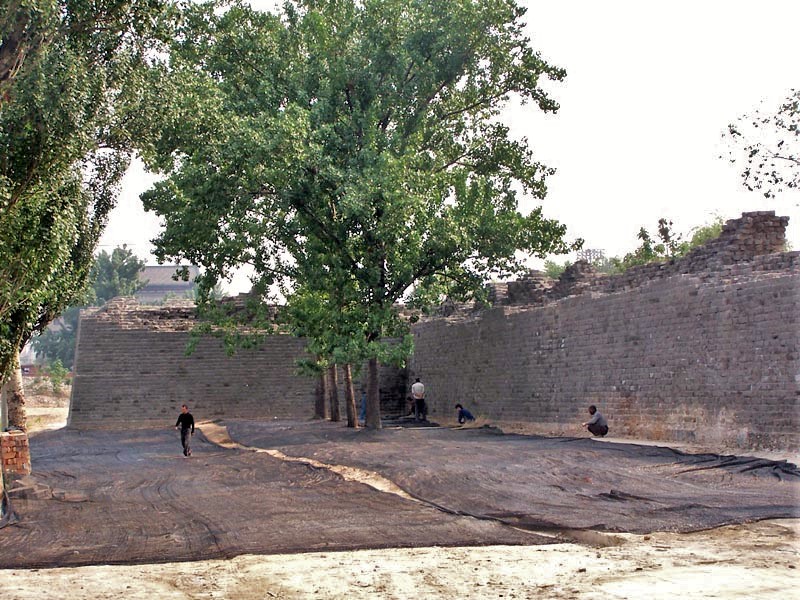
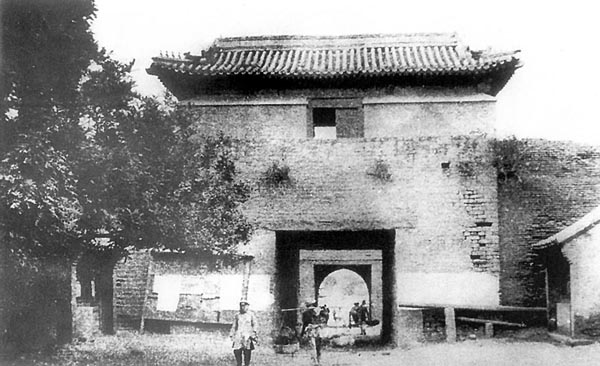
Despite the widespread demolition of Beijing's city walls in the 20th century, Zhengyangmen has been partially restored and preserved as an important cultural relic. It stands today as a prominent monument near the southern edge of Tiananmen Square, attracting visitors interested in Beijing's imperial history and traditional architecture.
The gate's preservation highlights efforts to maintain China's architectural heritage amidst rapid urban development. Zhengyangmen continues to be a symbol of Beijing's historical identity and a reminder of the city's medieval past.
Visiting Zhengyangmen
Visitors to Beijing can explore Zhengyangmen as part of a broader experience of the city's historic core. The gate is accessible to the public, and its surroundings include museums and cultural sites that provide context about Beijing's ancient defenses and urban evolution.
Walking through Zhengyangmen offers a tangible connection to the city's Ming dynasty origins and its development over centuries. The site is especially significant for those interested in Chinese military architecture and urban history.
Frequently asked questions (FAQ)
- What is the historical significance of Zhengyangmen?
- Zhengyangmen was the southern gate of Beijing's Inner City, serving as a key defensive and ceremonial entrance during the Ming dynasty. It marks the city's central north–south axis and reflects traditional Chinese urban planning.
- Can visitors enter Zhengyangmen?
- Yes, Zhengyangmen is accessible to the public and forms part of Beijing's historic core. Visitors can explore the gate and nearby cultural sites to learn about its history and architecture.
- When was Zhengyangmen built?
- Zhengyangmen was constructed in the 15th century during the Ming dynasty as part of Beijing's city wall defenses.
- What architectural features characterize Zhengyangmen?
- The gate features a massive gate tower, a barbican, thick stone walls, battlements, and arrow slits typical of a bastioned fortress from the late medieval period in China.
- Why is Zhengyangmen important in Beijing's city layout?
- Zhengyangmen lies on Beijing's central north–south axis, linking it visually and symbolically with Tiananmen and the Forbidden City. This axis is fundamental to the city's traditional spatial organization.
Photo gallery

Information
Loading map...
Visitor reviews
No reviews yet. Been here? Write the first review and help other travelers!
Write the first reviewVisited this castle? Share your experience
Your review helps other travelers and adds first-hand knowledge to our encyclopedia.