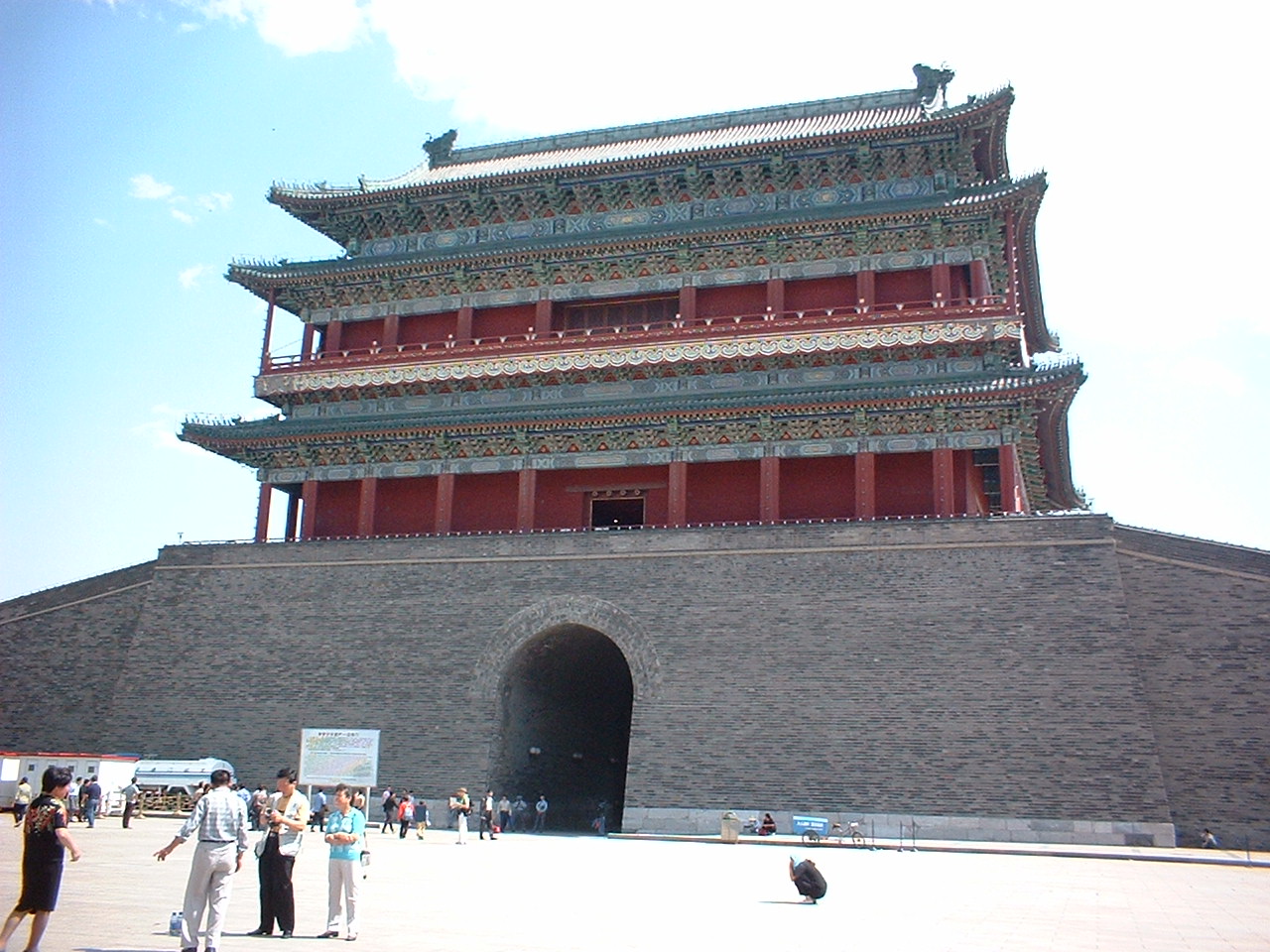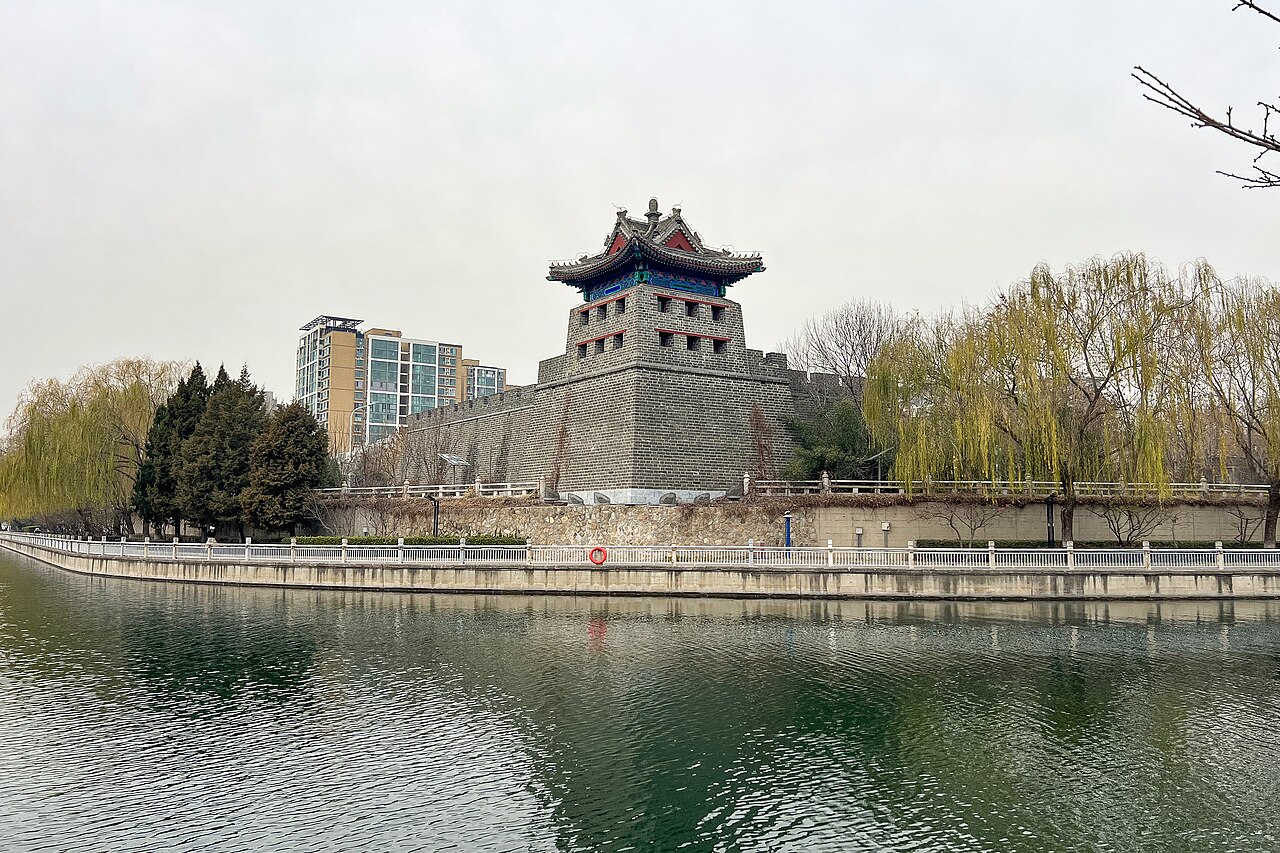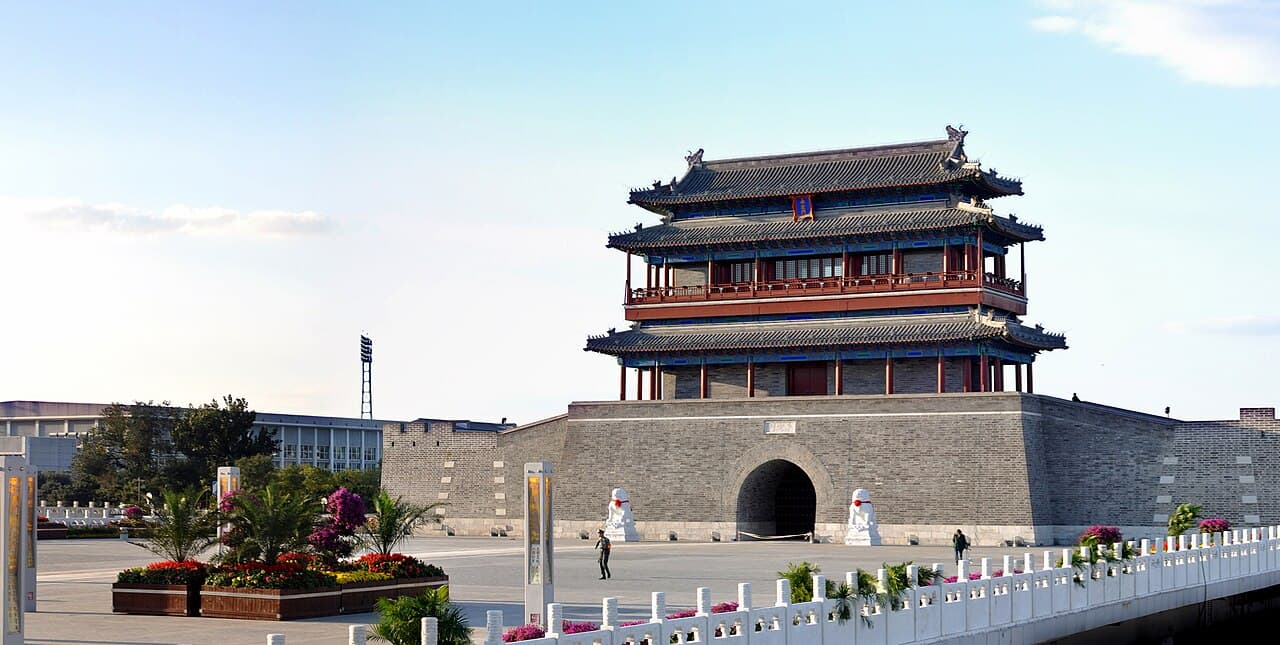
Yongdingmen (永定门), meaning "Gate of Perpetual Peace," served as the southern front gate of the outer city wall of Beijing during the Ming Dynasty. Originally constructed in 1553, this gate played a crucial role in the city's defense system and urban layout. It marked the southern entrance to the walled city, controlling access and serving as a prominent architectural and military feature.
Historical significance and events
The gate's strategic importance was highlighted during the Boxer Rebellion in 1900 when it was near Yongdingmen that Sugiyama Akira, the secretary of the Japanese legation, was killed by Muslim soldiers under General Dong Fuxiang. These troops were responsible for guarding the southern approaches to Beijing's walled city, underscoring Yongdingmen's role in military defense and conflict during turbulent periods in Chinese history.
Architectural features and design
Yongdingmen was originally designed as a bastioned fortress, a style that incorporated defensive bastions projecting from the main walls to provide flanking fire against attackers. The gate complex included a large gatehouse with multiple archways, imposing walls, and defensive towers. The architectural style reflected the Ming Dynasty's military engineering advances, combining functionality with traditional Chinese aesthetic elements such as upturned eaves and ornate roof decorations.
Structural components
The gate complex featured a massive gate tower atop a solid stone and brick base, flanked by watchtowers and battlements. The walls were thick and built to withstand artillery and siege weapons of the era. The gatehouse served both as a checkpoint and a defensive stronghold, with mechanisms to control access and repel invaders.
Destruction and reconstruction
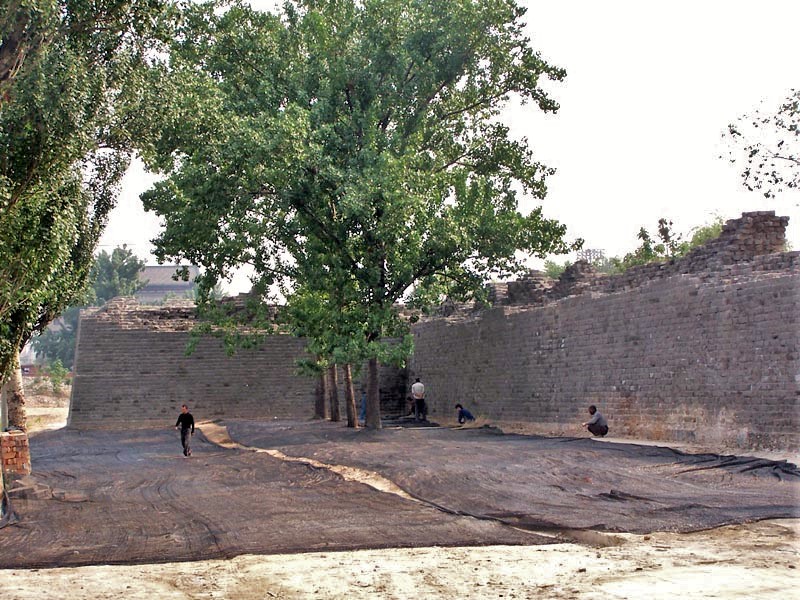
In the 1950s, the original Yongdingmen was demolished to accommodate Beijing's expanding road network amid modernization efforts. This removal reflected the changing priorities of urban planning during the mid-20th century, which often sacrificed historic structures for infrastructure development.
However, in 2005, Yongdingmen was meticulously reconstructed near its original site. The rebuilt gate aimed to restore the historical and cultural heritage of Beijing's city walls. Although the new gate is architecturally faithful to the original Ming Dynasty design, it is disconnected from the old road system that once led directly through it into the city, symbolizing both preservation and change in the urban landscape.
Yongdingmen's place in Beijing's heritage
Today, Yongdingmen stands as a prominent cultural landmark, representing Beijing's historical city defenses and architectural traditions. It is a popular site for visitors interested in the Ming Dynasty's urban planning and military architecture. The gate's reconstruction has contributed to the broader efforts to preserve Beijing's ancient city walls and gates, which collectively narrate the city's long and complex history.
Visitor experience and significance
Visitors to Yongdingmen can appreciate the scale and design of traditional Chinese gate fortifications, including the impressive gate tower and surrounding battlements. The site also offers insight into the military strategies of the Ming Dynasty and the evolution of Beijing's cityscape through centuries of change.
Frequently asked questions (FAQ)
- What is Yongdingmen?
- Yongdingmen, also known as the "Yongding Gate," is a historical landmark located in Beijing, China. It was originally built during the Ming Dynasty and served as the southern gate of the city's defensive wall, playing an important role in the city's fortifications.
- When was Yongdingmen built?
- Yongdingmen was constructed in 1553 during the Ming Dynasty. It was part of a series of gates built to protect Beijing and has undergone various renovations throughout its history, reflecting the architectural styles of different eras.
- What is the best time to visit Yongdingmen?
- The best time to visit Yongdingmen is during the spring (April to June) and autumn (September to October) months when the weather is mild and pleasant. These seasons offer beautiful scenery and comfortable conditions for exploring the site.
- Can I enter Yongdingmen?
- Yes, visitors can enter Yongdingmen to explore its historical significance and architectural features. There may be designated areas for tourists, so it's advisable to check any guidelines or restrictions upon arrival.
- What are the opening hours for Yongdingmen?
- Yongdingmen is typically open to visitors from 9:00 AM to 5:00 PM daily, but it is recommended to verify the current hours before your visit, as they may vary by season or due to special events.
- Is Yongdingmen accessible for individuals with disabilities?
- Yongdingmen has made efforts to be more accessible, with pathways and facilities designed for individuals with disabilities. However, some areas may still present challenges due to the historical nature of the site, so it is advisable to check in advance.
- What are some nearby attractions to Yongdingmen?
- Nearby attractions include the Temple of Heaven and the Beijing Ancient Observatory, both of which offer additional insights into Beijing's rich history and culture. Visiting these sites can enhance your experience and provide a more comprehensive view of the city's heritage.
- What is the ticket price for Yongdingmen?
- Entrance to Yongdingmen is generally free, making it an excellent option for budget-conscious travelers. However, special exhibitions or guided tours may have associated costs, so it's wise to inquire about any fees when planning your visit.
Photo gallery

Photo by Charlie fong冯成•Public domain
Information
Loading map...
Visitor reviews
No reviews yet. Been here? Write the first review and help other travelers!
Write the first reviewVisited this castle? Share your experience
Your review helps other travelers and adds first-hand knowledge to our encyclopedia.