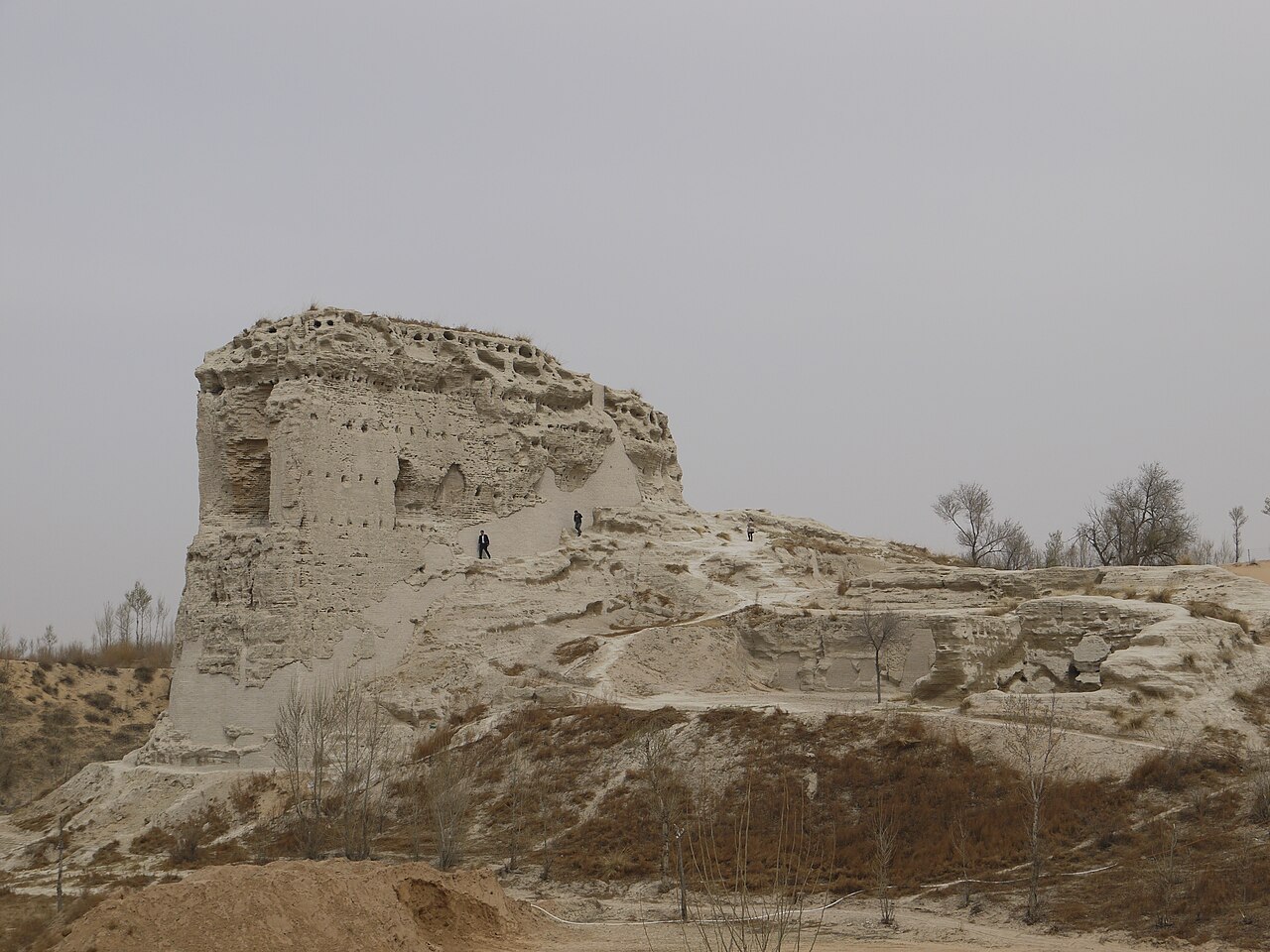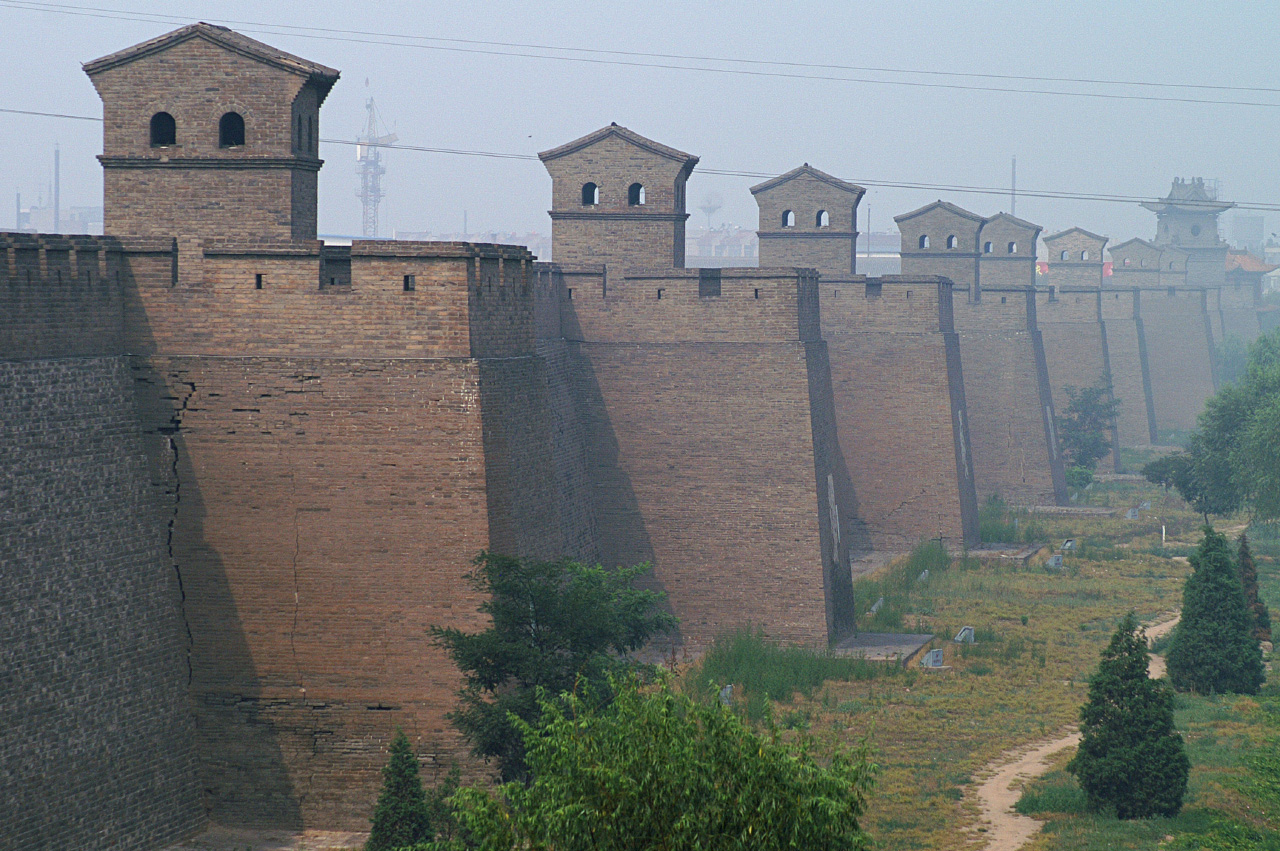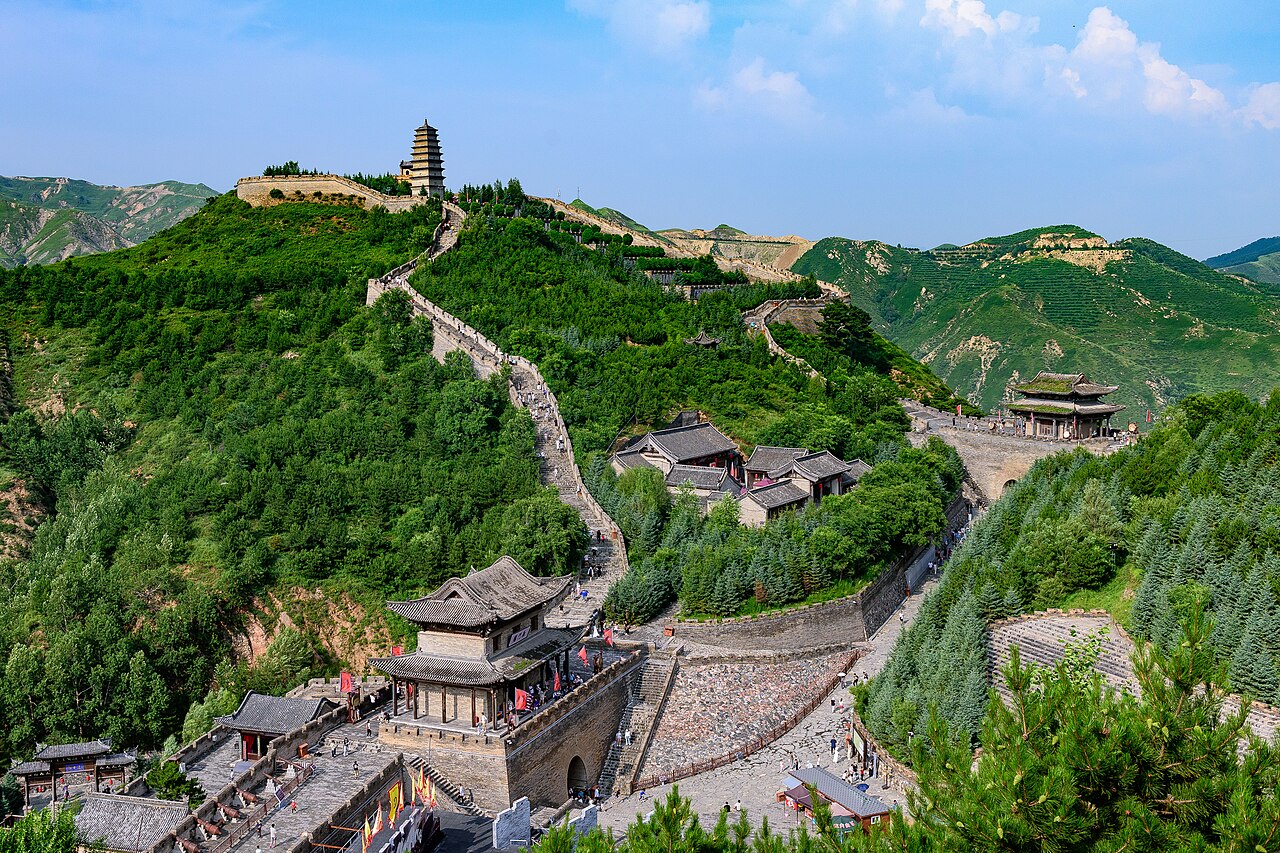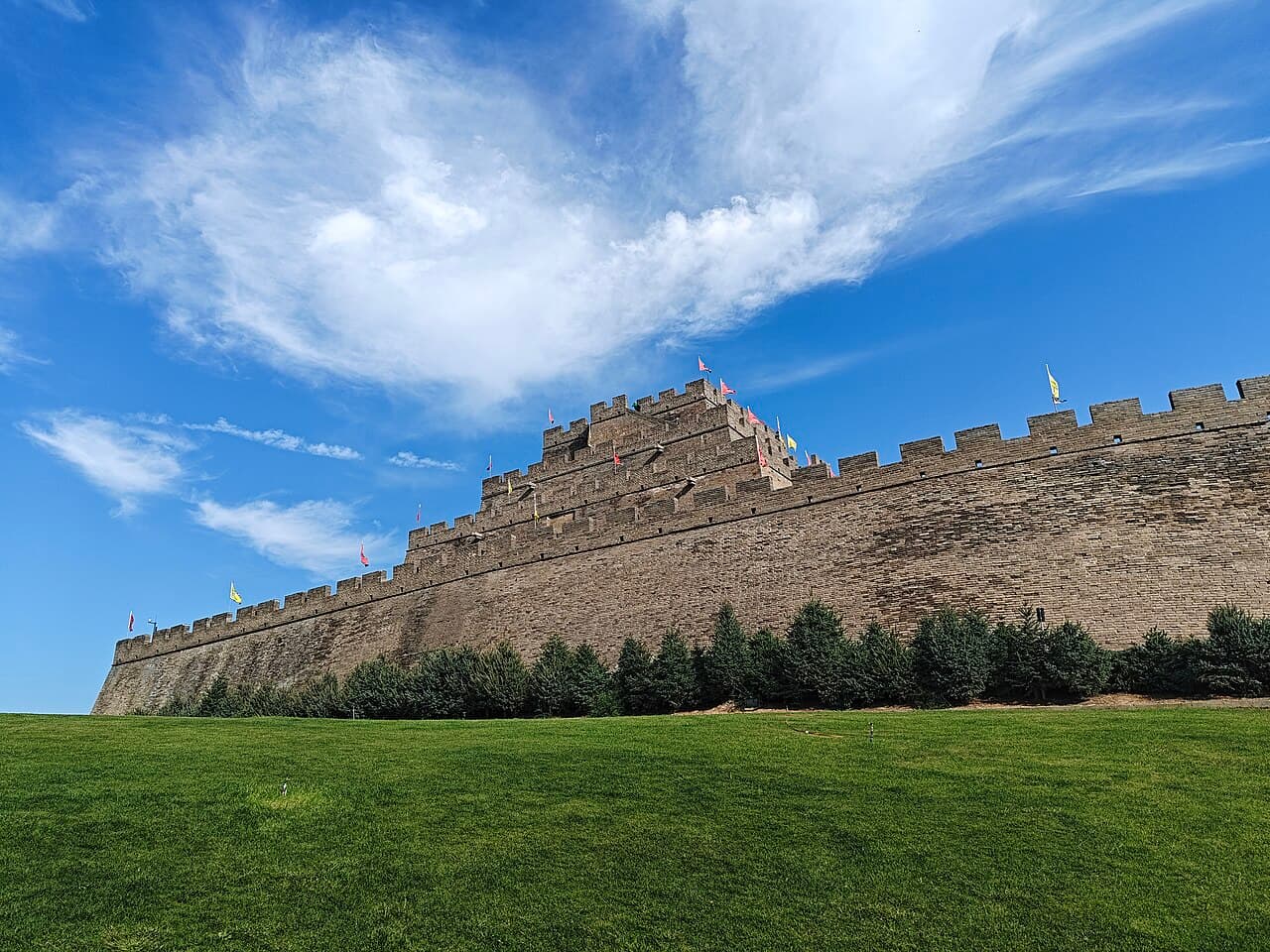
Zhenbeitai is a significant bastioned fortress located in China, known for its strategic military design and historical importance. This fortress exemplifies the adaptation of traditional Chinese defensive architecture with influences from European bastion fort designs, which were incorporated to enhance its defensive capabilities against artillery attacks. The fortress's robust construction and layout reflect a period of military innovation and cross-cultural exchange in fortification techniques.
Historical context and strategic importance
The Zhenbeitai fortress was constructed during a time when China faced increasing threats from both internal rebellions and external invasions. Its design was influenced by the need to withstand modern siege warfare, particularly the use of cannon and gunpowder weaponry. The fortress played a crucial role in regional defense, serving as a military stronghold that protected vital routes and territories.
While the exact date of construction is not definitively recorded, the architectural features suggest it was built or significantly modified during the late Ming or early Qing dynasty periods, when bastioned fortifications became more common in China due to the introduction of European military engineering concepts.
Architectural features and design
Bastioned layout
The fortress is characterized by its bastioned walls, which are angular projections designed to provide overlapping fields of fire and eliminate blind spots. This design allowed defenders to better repel attackers and defend against artillery bombardment. The bastions are connected by thick curtain walls, creating a fortified perimeter that was difficult to breach.
Materials and construction
Zhenbeitai was constructed primarily from stone and brick, materials chosen for their durability and resistance to cannon fire. The walls are notably thick, with some sections reinforced to absorb and deflect artillery impacts. The fortress also features defensive elements such as moats, gatehouses, and watchtowers, which enhanced its defensive capabilities.
Internal structures
Inside the fortress, there were barracks, armories, and storage facilities to support the garrison stationed there. The layout was designed to sustain prolonged sieges, with provisions for water and food storage. The internal courtyard provided space for troop movements and drills.
Military significance and legacy
Throughout its history, Zhenbeitai served as a critical military installation. Its bastioned design represents an important phase in Chinese military architecture, where traditional fortifications were adapted to new warfare technologies. The fortress stands as a testament to the period's military engineering advancements and the strategic importance of fortified sites in maintaining regional stability.
Current condition and preservation
Today, Zhenbeitai remains a valuable cultural and historical site. Though some parts have suffered from the ravages of time and conflict, significant sections of the fortress are well preserved. Preservation efforts focus on maintaining the structural integrity of the bastions and walls, allowing visitors to appreciate the fortress's architectural and historical significance.
Visiting information
Visitors to Zhenbeitai can explore the fortress's impressive bastioned walls and internal structures. The site offers a glimpse into China's military past and the evolution of fortification design. It is recommended to visit during daylight hours to fully appreciate the scale and details of the fortress.
Frequently asked questions (FAQ)
- What is the historical significance of Zhenbeitai fortress?
- Zhenbeitai fortress is historically significant as a bastioned fortress in China that reflects the adaptation of European military engineering to traditional Chinese fortifications during the late Ming or early Qing dynasty periods.
- Can visitors explore the interior of Zhenbeitai fortress?
- Yes, visitors can explore the fortress's bastioned walls, internal courtyards, and defensive structures, which provide insight into its military function and architectural design.
- What are the main architectural features of Zhenbeitai?
- The fortress features bastioned walls, thick stone and brick construction, moats, gatehouses, and watchtowers, all designed to enhance defense against artillery and sieges.
Photo gallery

Information
Loading map...
Visitor reviews
No reviews yet. Been here? Write the first review and help other travelers!
Write the first reviewVisited this castle? Share your experience
Your review helps other travelers and adds first-hand knowledge to our encyclopedia.