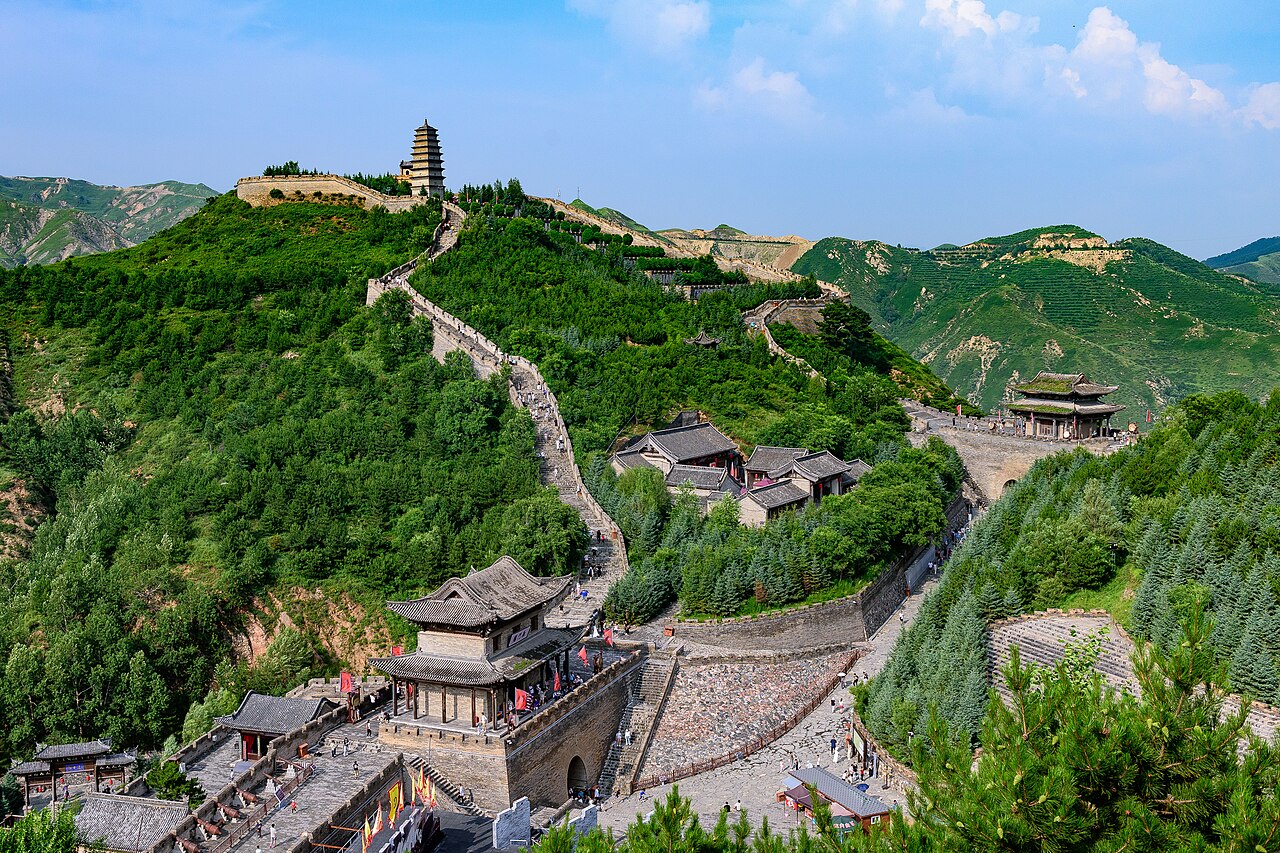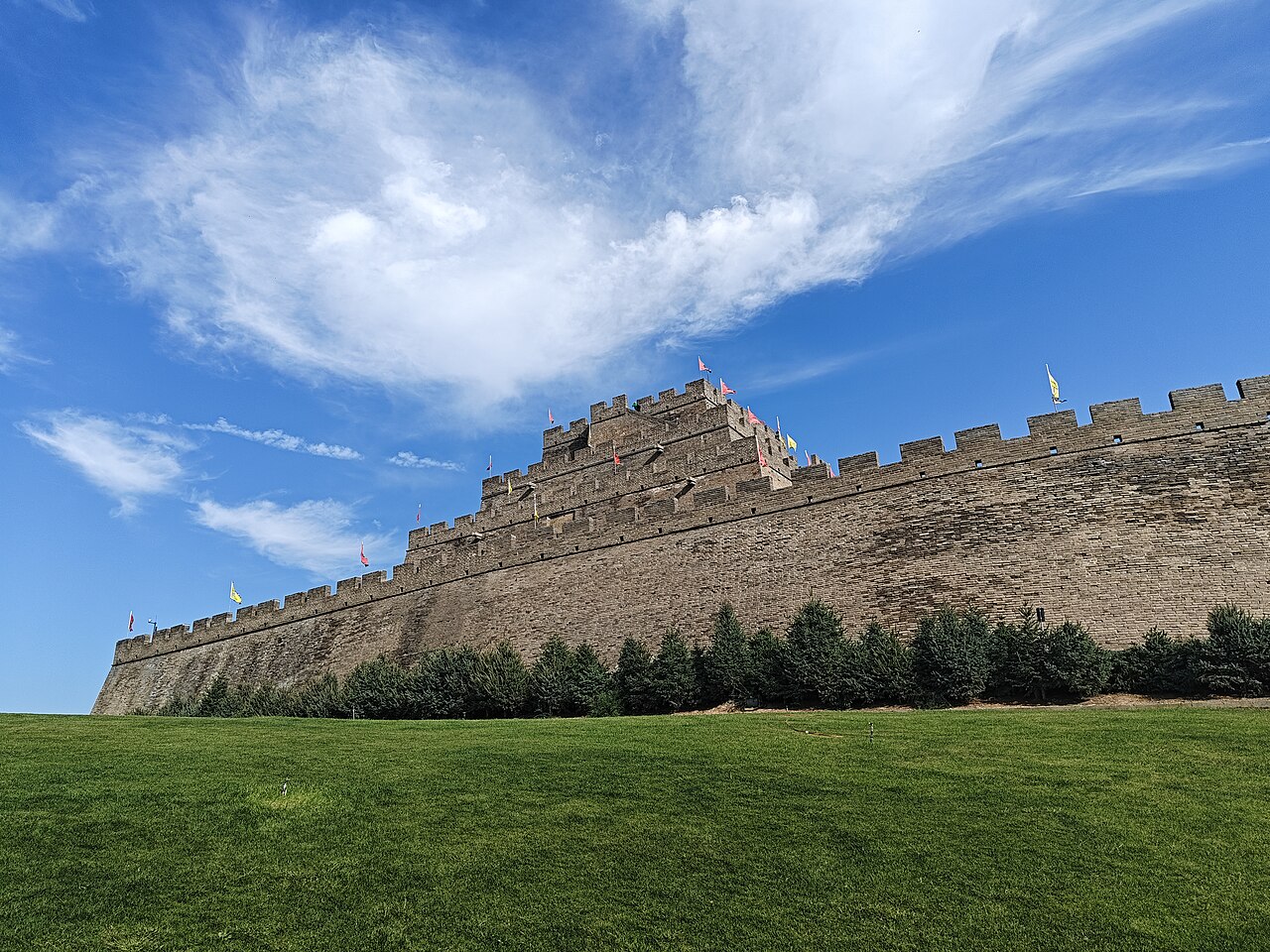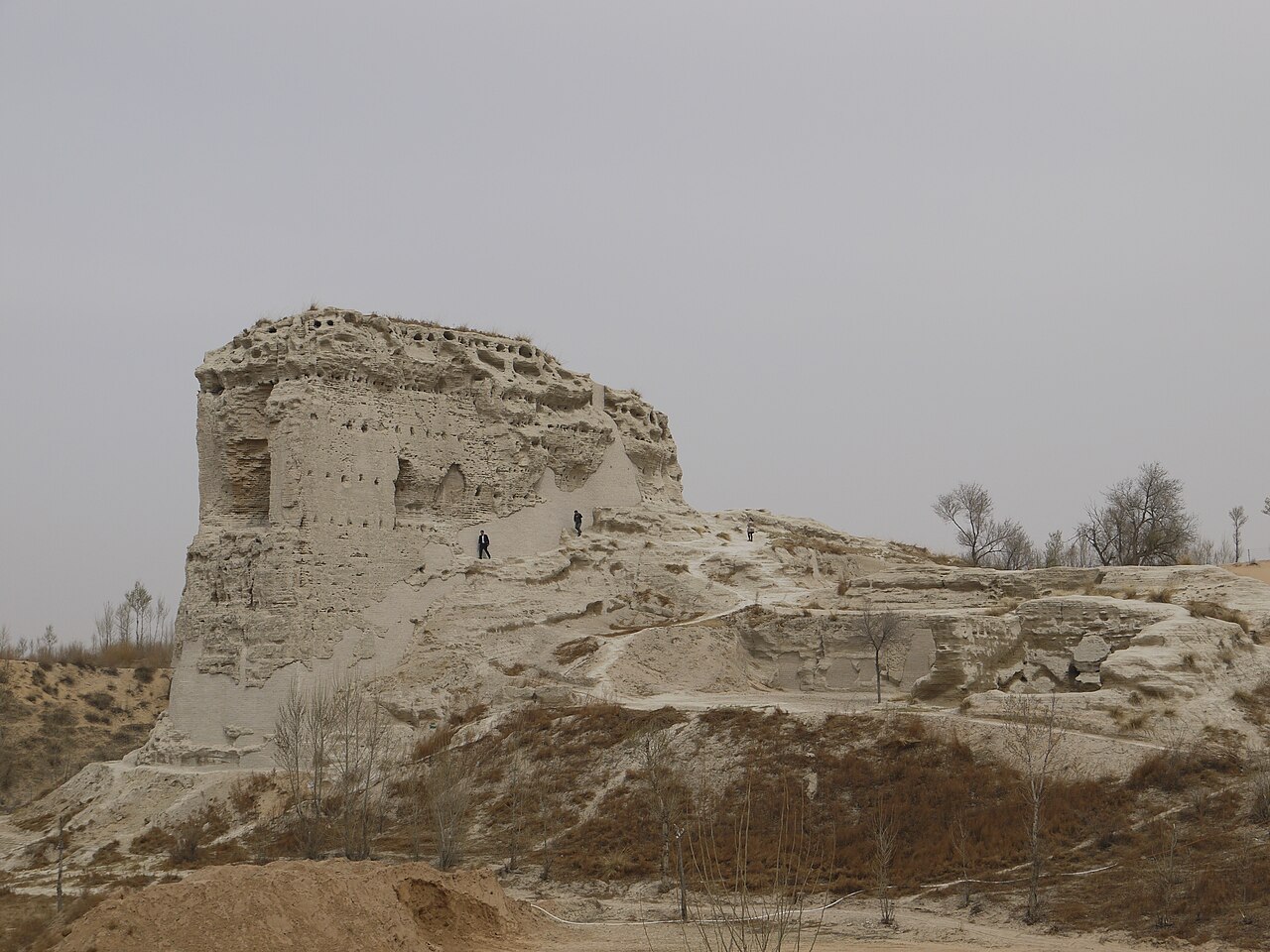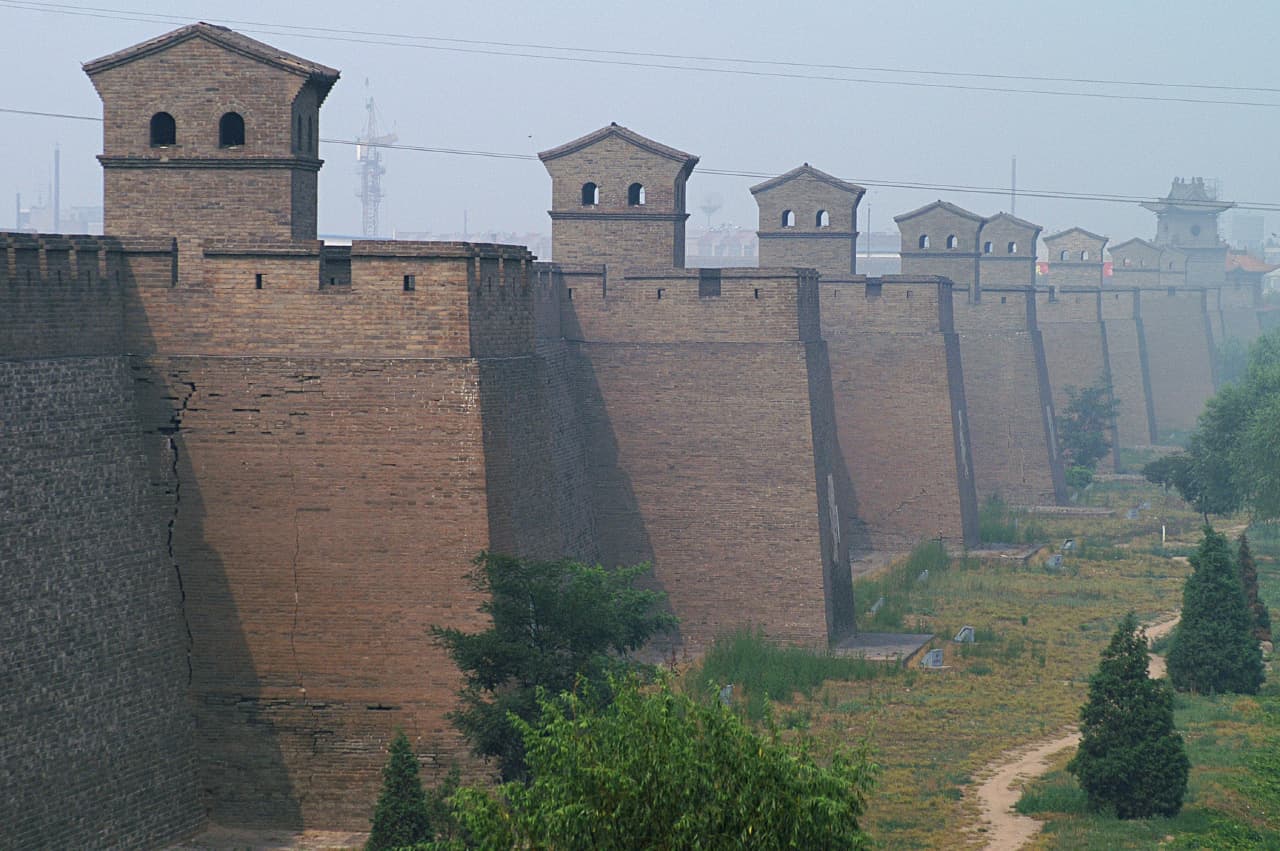
Pingyao city wall is a remarkable example of ancient Chinese military architecture, located in the historic city of Pingyao in Shanxi province, China. Constructed during the Ming dynasty in the 14th century, this bastioned fortress served as a defensive barrier for the city, protecting it from invasions and attacks. The wall is renowned for its impressive preservation and extensive length, making it one of the best-preserved city walls in China.
Historical context and construction
The construction of the Pingyao city wall began in 1370 under the Ming dynasty, a period marked by the consolidation of Chinese power and significant urban development. The wall was built to defend the city from bandits and rival warlords, reflecting the strategic importance of Pingyao as a commercial and administrative center. The city itself flourished during the Ming and Qing dynasties, and the wall played a crucial role in safeguarding its prosperity.
Architectural features
The Pingyao city wall stretches approximately 6 kilometers around the old city, enclosing an area of about 2.25 square kilometers. The wall is about 12 meters high and 6 meters thick at the base, constructed primarily from local stone and bricks. Its bastioned fortress design includes ramparts, watchtowers, and gate towers that allowed defenders to observe and repel attackers effectively.
The wall features six main gates, each with imposing gate towers that served as checkpoints and defensive positions. The battlements are crenellated, providing cover for archers and soldiers. The wall's foundation is reinforced with rammed earth, a traditional Chinese technique that adds to its durability.
Defensive structures
Watchtowers are spaced regularly along the wall, providing vantage points for surveillance. These towers are multi-storied with sloped roofs and arrow slits, allowing defenders to shoot at enemies while remaining protected. The gate towers are larger and more fortified, often featuring multiple levels and complex wooden doors reinforced with iron.
Cultural and heritage significance
The Pingyao city wall is a symbol of the city's rich history and cultural heritage. It is part of the Pingyao Ancient City, a UNESCO World Heritage Site recognized for its well-preserved urban layout and architecture from the Ming and Qing dynasties. The wall attracts numerous visitors interested in Chinese history, architecture, and traditional city planning.
Preservation and tourism
The wall is well preserved, with ongoing maintenance to protect its structure from natural wear and human impact. Restoration efforts have aimed to maintain the authenticity of the original materials and construction techniques. Visitors can walk along sections of the wall, experiencing panoramic views of the ancient city and surrounding landscape.
Pingyao city wall stands as a testament to ancient Chinese defensive engineering and urban design, offering insight into the military and cultural history of the region.
Frequently asked questions (FAQ)
- How do I get to Pingyao City Wall?
- You can reach Pingyao City Wall by taking a high-speed train to Pingyao Ancient City Railway Station, which is well-connected to major cities in China. From the station, local taxis and buses can take you directly to the city wall. Additionally, many visitors choose to walk from the old town area, which is a short distance away.
- What is the historical significance of Pingyao City Wall?
- Pingyao City Wall, built during the Ming Dynasty, is a remarkable example of ancient defensive architecture and reflects the historical importance of Pingyao as a financial hub during the Qing Dynasty. The wall served as a protective barrier for the city and symbolizes the rich cultural heritage of the region. Today, it stands as a UNESCO World Heritage Site, attracting visitors interested in China's history.
- When was Pingyao City Wall constructed?
- The construction of Pingyao City Wall began in 1370 during the Ming Dynasty and was completed in the early 16th century. It was built to protect the city from invasions and has undergone several restorations over the centuries, preserving its original structure and design. The wall is over 6 kilometers long and showcases the military architecture of its time.
- Can I walk on the Pingyao City Wall?
- Yes, visitors are welcome to walk along the top of the Pingyao City Wall, which offers stunning views of the surrounding area and the ancient city below. Walking the wall is a unique experience that allows you to appreciate its construction and the historical context of Pingyao. The pathway is well-maintained, making it accessible for most visitors.
- Why is the best time to visit Pingyao City Wall?
- The best time to visit Pingyao City Wall is during the spring (April to June) and autumn (September to November) when the weather is mild and comfortable for walking. These seasons also offer beautiful scenery with blooming flowers in spring and colorful foliage in autumn. Summer can be hot and crowded, while winter may bring cold temperatures.
- Is it possible to visit Pingyao City Wall at night?
- Yes, Pingyao City Wall is open for night visits, and the experience is quite enchanting with the wall beautifully illuminated. However, it is advisable to check the specific opening hours as they may vary by season. Nighttime strolls offer a different perspective of the wall and the city, making it a memorable experience.
- What are the ticket prices for visiting Pingyao City Wall?
- As of the latest information, the ticket price for entering Pingyao City Wall is approximately 50 RMB for adults. Discounts are often available for students and seniors, so it's a good idea to carry identification. Tickets can be purchased on-site, and they typically include access to various viewing platforms along the wall.
- What are the nearby attractions to Pingyao City Wall?
- Nearby attractions include the Rishengchang Draft Bank, which is also a UNESCO World Heritage Site, and the ancient Pingyao Confucian Temple. Visitors can also explore local shops selling traditional crafts and enjoy authentic Chinese cuisine in the surrounding streets. The entire area is rich in history and culture, making it easy to spend a whole day exploring.
- What are the opening hours for Pingyao City Wall?
- Pingyao City Wall generally opens daily from 8:00 AM to 6:00 PM, with extended hours during peak tourist seasons. It's recommended to arrive early in the day to avoid crowds and enjoy a peaceful walk along the wall. Always check the official website or local information for any changes to the schedule before your visit.
Photo gallery

Photo by Peellden•Public domain
Information
Loading map...
Visitor reviews
No reviews yet. Been here? Write the first review and help other travelers!
Write the first reviewVisited this castle? Share your experience
Your review helps other travelers and adds first-hand knowledge to our encyclopedia.