Tongwan
Tongwancheng (Chinese: 統萬城; pinyin: Tǒngwànchéng) served as the capital of the Xiongnu-led Hu Xia dynasty during the turbulent Sixteen Kingdoms period in northern China, established in the early 5th century. Located at the southern edge of the Maowusu Sands within the Ordos Desert, Tongwancheng occupied a strategic position on the Ordos Plateau. Its name translates to "city ruling ten thousand," reflecting its significance as the largest urban center of the Southern Xiongnu discovered to date.
Historical context and significance
The Hu Xia dynasty was founded by the Xiongnu people, a confederation of nomadic tribes who played a vital role in northern China's history. Tongwancheng was constructed as a fortified city to serve as the political and military hub of the dynasty during a period marked by fragmentation and conflict known as the Sixteen Kingdoms period. This era followed the fall of the Western Jin dynasty and was characterized by multiple competing regimes vying for control over northern China.
As the capital, Tongwancheng was not only a military stronghold but also a center for administration and governance. Its location on the Ordos Plateau allowed control over important trade routes and access to resources critical for sustaining the dynasty's power.
Location and archaeological features
The ruins of Tongwancheng are situated in Jingbian County, Shaanxi Province, close to the border with Inner Mongolia. The site lies at the interface of desert and steppe environments, with the encroaching Maowusu Sands posing ongoing challenges to preservation.
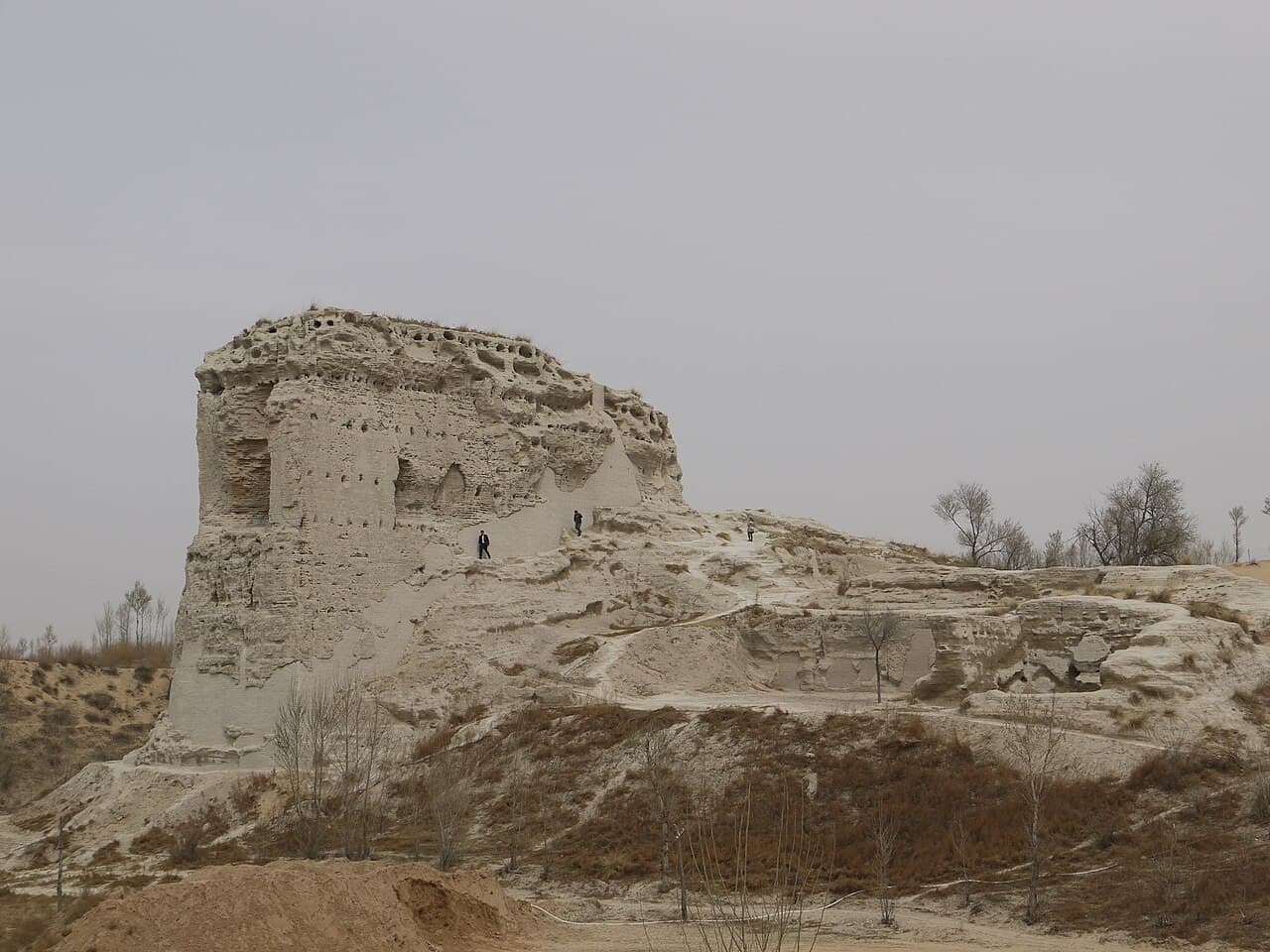
Archaeological surveys have revealed a well-planned city layout featuring defensive walls, gates, and internal structures consistent with early medieval Chinese urban design adapted to the needs of a nomadic-led regime. Although the site has undergone limited restoration, much of the city remains unexcavated, offering potential for future discoveries.
City defenses and layout
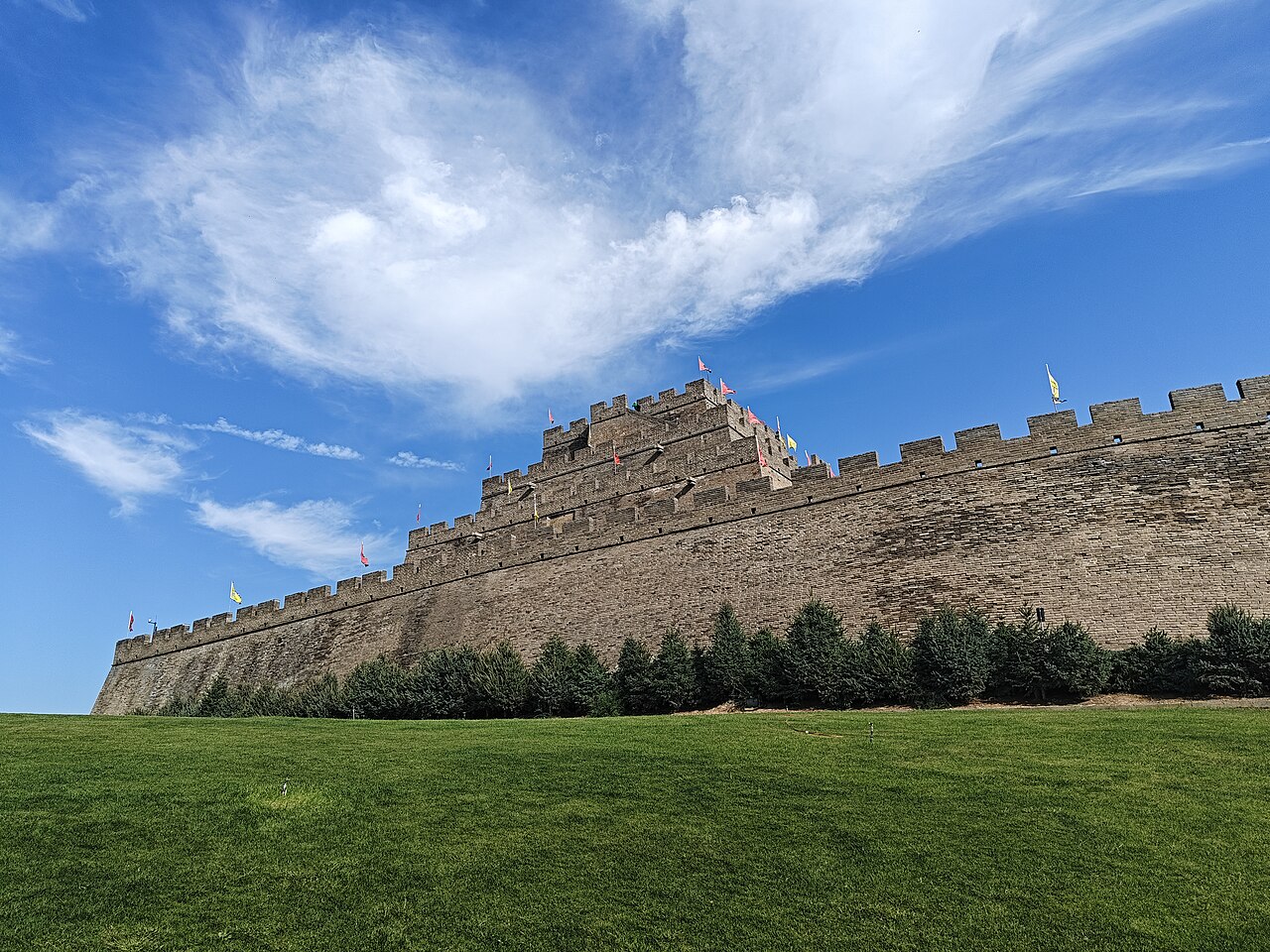
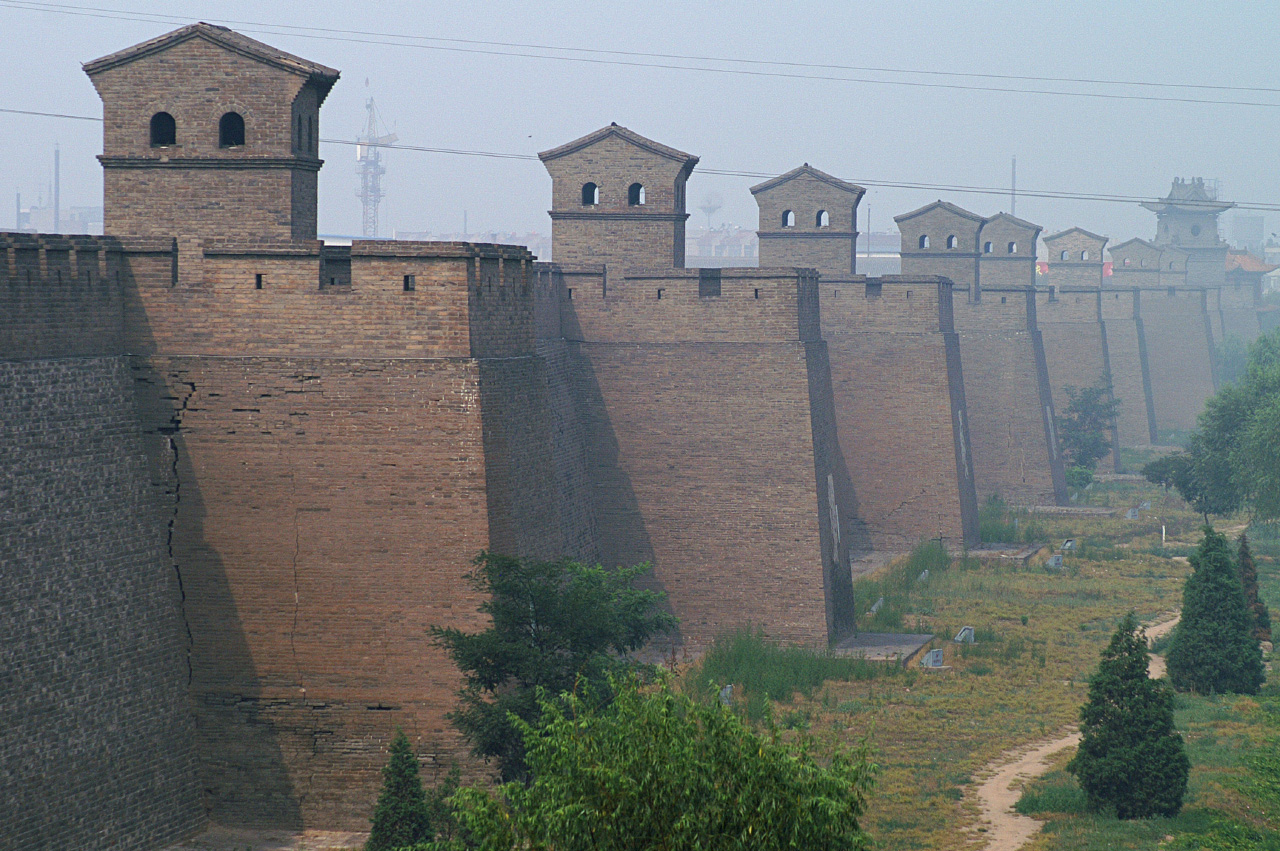
Tongwancheng was fortified with substantial walls constructed to protect against both external invasion and desertification. The walls enclosed a sizeable area, indicating the city's importance and the need for strong defense. The city likely included watchtowers and gatehouses, typical of fortified settlements from this period, though many structural details remain to be uncovered.
Decline and abandonment
Environmental changes, particularly the advancing desertification of the surrounding region, contributed significantly to Tongwancheng's decline. In 994, during the Song dynasty, Emperor Taizong ordered the destruction of the city and the relocation of its inhabitants to mitigate the effects of the desert and consolidate control over the region.
Following this imperial directive, Tongwancheng was gradually abandoned and fell into ruin. By the early Ming dynasty, the city was completely deserted, leaving behind only archaeological remains.
Rediscovery and preservation efforts
The ruins of Tongwancheng were rediscovered in 1845, sparking interest in the site among historians and archaeologists. However, it was not until 1956 that the site was formally identified as the ancient capital of the Hu Xia dynasty.
Recognizing its cultural and historical importance, Chinese authorities designated Tongwancheng as a Major Historical and Cultural Site Protected at the National Level in 1996. Since then, efforts have been made to survey and preserve the ruins, although the site remains largely an archaeological ruin with limited restoration.
Architectural and cultural importance
Tongwancheng represents a rare example of an early medieval city established by a nomadic-led dynasty in northern China. Its defensive architecture reflects the military and political realities of the Sixteen Kingdoms period, while its urban planning demonstrates adaptation to the challenging environment of the Ordos Plateau.
The site offers valuable insights into the interactions between nomadic cultures and settled Chinese traditions. The preservation of Tongwancheng's ruins provides scholars with a tangible link to the complex history of the region and the diverse peoples who shaped it.
Visiting information and current status
Today, Tongwancheng remains an archaeological ruin open to visitors interested in early medieval Chinese history and frontier fortifications. While some restoration work has been undertaken to stabilize the site, much of the city is still buried beneath the sands or awaiting excavation.
The site is located in a remote area, which limits accessibility, but its preservation as a protected cultural heritage site ensures ongoing efforts to maintain its condition against natural and human threats.
Frequently asked questions (FAQ)
- What is the historical significance of Tongwan Castle?
- Tongwan Castle, built during the Sui Dynasty, holds great historical importance as a military fortification. It was strategically located to protect trade routes and played a crucial role during various dynastic conflicts in ancient China.
- When was Tongwan Castle built?
- Tongwan Castle was constructed in the early 7th century, around the time of the Sui Dynasty. Its establishment marked a significant development in military architecture and defensive strategies of that era.
- Can I visit Tongwan Castle year-round?
- Yes, Tongwan Castle is open to visitors throughout the year. However, it is advisable to check for any seasonal events or maintenance schedules that might affect accessibility.
- What are the opening hours for Tongwan Castle?
- Tongwan Castle typically opens at 8:00 AM and closes at 6:00 PM. It's recommended to arrive early to fully explore the castle and its surroundings.
- Is it possible to take guided tours of Tongwan Castle?
- Yes, guided tours of Tongwan Castle are available and provide in-depth insights into its history and architecture. These tours enhance the visitor experience by offering expert commentary and answering questions.
- What is the best time to visit Tongwan Castle?
- The best time to visit Tongwan Castle is during the spring and autumn months when the weather is mild and pleasant. This ensures a comfortable experience while exploring the castle's outdoor areas.
- Are there any nearby attractions to visit after Tongwan Castle?
- Yes, several attractions are located near Tongwan Castle, including historical temples and picturesque landscapes. Visitors can explore local parks and museums that showcase the region's rich heritage.
- How much are the ticket prices for Tongwan Castle?
- Ticket prices for Tongwan Castle are generally affordable, with discounts available for students and seniors. It's advisable to check the official website for the most current pricing and any special promotions.
- How do I get to Tongwan Castle?
- Tongwan Castle is accessible by public transportation, including buses and taxis from nearby cities. Visitors can also drive, with parking facilities available for those traveling by car.
Photo gallery

Information
Loading map...
Visitor reviews
No reviews yet. Been here? Write the first review and help other travelers!
Write the first reviewVisited this castle? Share your experience
Your review helps other travelers and adds first-hand knowledge to our encyclopedia.