Yanmen Pass
Yanmen Pass, also known as Yanmenguan and Xixingguan, is a historically significant bastioned fortress located along the Great Wall of China in Shanxi Province. This mountain pass has served as a vital military stronghold controlling access between the valleys of central Shanxi and the vast Eurasian Steppe. Its strategic position made it a critical defensive point through multiple Chinese dynasties and into the modern era.
Geographical and strategic importance
The pass is situated just outside Yanmenguan Village in Yanmenguan Township, within Dai County, Xinzhou City. The rugged terrain of the surrounding mountains naturally funnels movement through the narrow pass, making it an ideal location for fortifications. This geographical advantage allowed defenders to monitor and control trade routes and military invasions from northern nomadic tribes and other forces throughout Chinese history.
Fortifications and architectural features
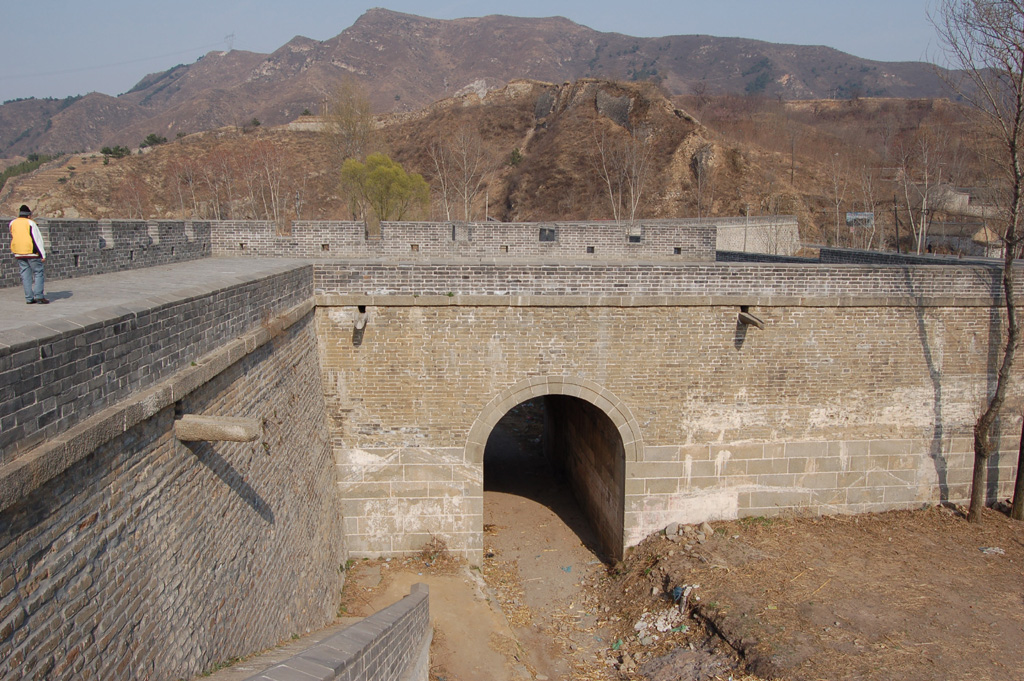
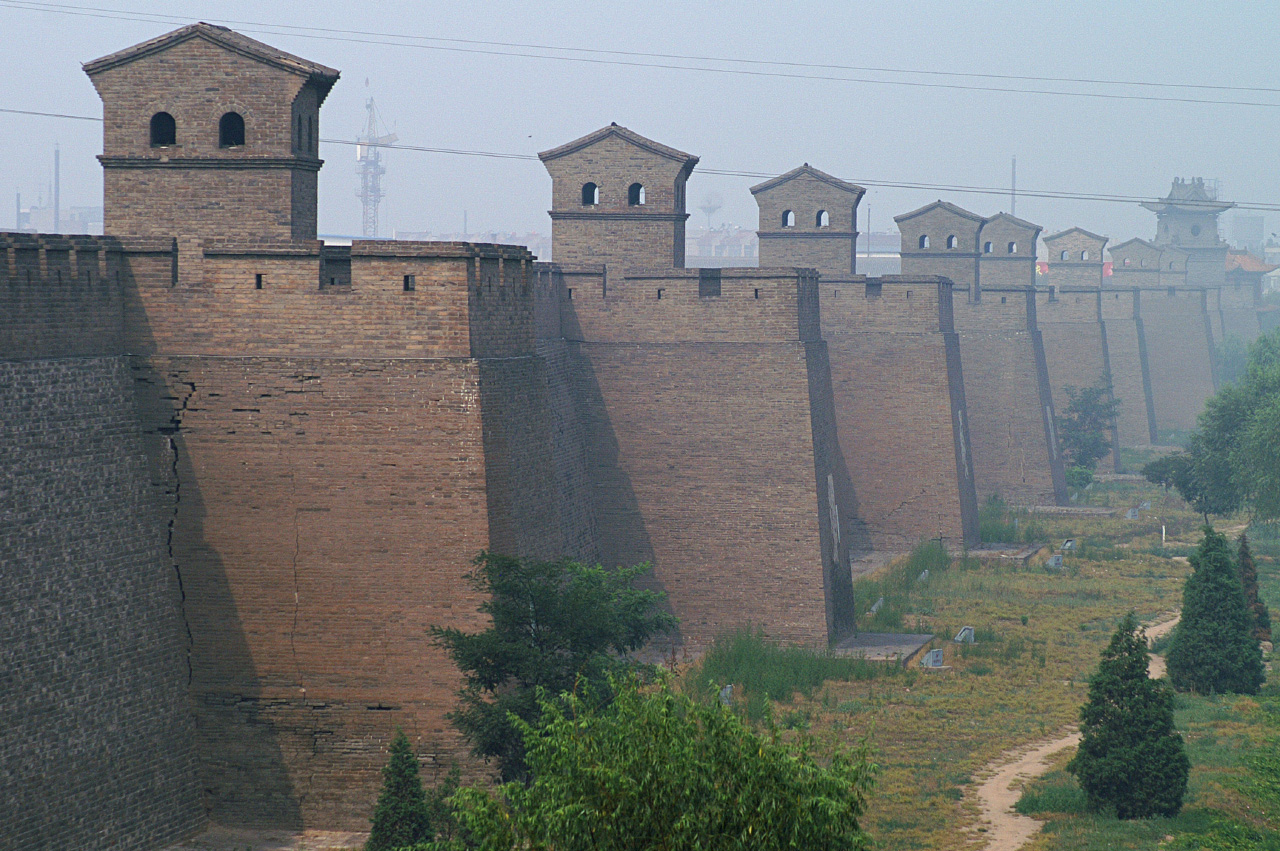
Yanmen Pass comprises three fortified gatehouses that form the core of the defensive complex. These gatehouses are integrated into the Great Wall, which here is reinforced with bastions—projecting structures designed to provide overlapping fields of fire for defenders. The bastioned fortress design enhances the pass's defensive capabilities by allowing soldiers to cover the approaches with archers and artillery.
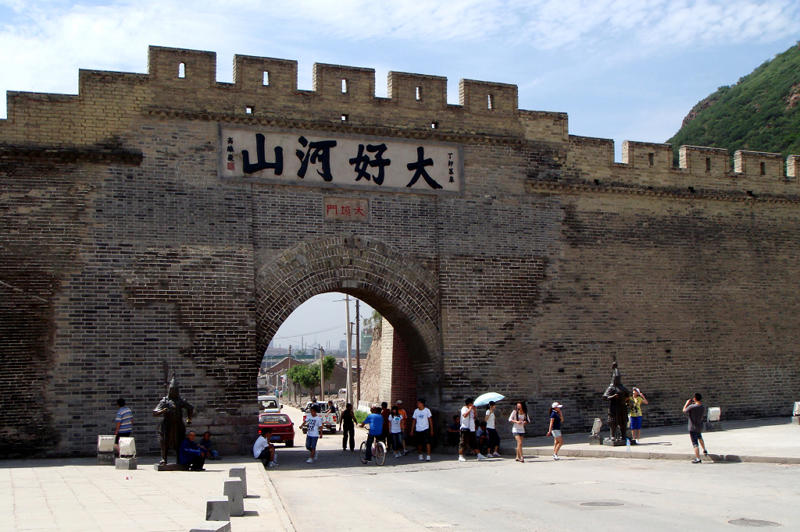
The gatehouses themselves are robust stone and brick constructions featuring defensive walls, watchtowers, and parapets. The architecture reflects adaptations made during the Ming Dynasty (1368–1644), when the Great Wall was extensively rebuilt and fortified to counter the threat of Mongol incursions. The walls at Yanmen Pass are thick and high, with crenellations for protection and firing positions. The gatehouses include multiple gates and inner courtyards designed to trap and repel invaders.
Defensive layout and military function
The fortress's layout is carefully planned to maximize defense. The bastions allow defenders to flank attackers attempting to breach the gates. The narrow mountain pass restricts large-scale troop movements, enabling a smaller defending force to hold off larger armies. The position also facilitated communication and troop movements along the Great Wall, serving as a key node in the broader defensive network.
Historical significance and battles
Yanmen Pass has witnessed many significant military events across Chinese history. It was a frontline defense against northern nomadic tribes such as the Xiongnu during the Han Dynasty (206 BCE–220 CE) and later against the Mongols and other groups during the Ming Dynasty. The pass's control was essential for maintaining the security of the Chinese heartland.
In the 20th century, Yanmen Pass again saw military action during the Second Sino-Japanese War (1937–1945), illustrating its enduring strategic importance. The surrounding area remains rich in historical military heritage, with preserved fortifications that attract historians and tourists alike.
Cultural heritage and tourism
Today, Yanmen Pass is a AAAAA-rated tourist attraction in China, recognized for its historical and cultural value. The site offers visitors a chance to explore the well-preserved fortified gatehouses and walk along sections of the Great Wall that traverse the mountainous terrain. The scenic area provides insight into ancient Chinese military engineering and the complex history of border defense.
Visitors can experience the dramatic landscape and architecture that once guarded the northern frontier of imperial China. The preservation of Yanmen Pass allows for educational tours, cultural exhibitions, and hiking opportunities that showcase both natural beauty and historical significance.
Frequently asked questions (FAQ)
- What is Yanmen Pass known for?
- Yanmen Pass is renowned for its historical significance as a strategic military fortress dating back to the Han Dynasty. It served as a vital defense point on the Great Wall of China, protecting the northern borders from invasions.
- When was Yanmen Pass built?
- The construction of Yanmen Pass began during the Han Dynasty, around 200 BC, and has undergone various renovations throughout the centuries. Its enduring architecture reflects the important role it played in Chinese history.
- Can I visit Yanmen Pass?
- Yes, Yanmen Pass is open to visitors who wish to explore its rich history and stunning architecture. Visitors can enjoy guided tours that provide insights into the castle's strategic importance and historical context.
- What are the opening hours for Yanmen Pass?
- Yanmen Pass is typically open from 8:00 AM to 5:30 PM, but it's advisable to check for any seasonal changes in operating hours. Arriving early can enhance your experience by allowing you to explore the site with fewer crowds.
- Is it possible to access Yanmen Pass via public transport?
- Yes, Yanmen Pass can be accessed via public transport from Xinzhou City. Local buses and taxis are available, making it convenient for visitors to reach this historical site without a personal vehicle.
- What is the best time to visit Yanmen Pass?
- The best time to visit Yanmen Pass is during the spring and autumn months when the weather is mild and pleasant. These seasons also offer beautiful natural scenery, enhancing your overall experience of the site.
- Are there any nearby attractions to visit?
- Yes, there are several nearby attractions, including the ancient city of Pingyao and the stunning Wutai Mountain. Combining your visit to Yanmen Pass with these sites can create a rich cultural itinerary.
- How much are the ticket prices for Yanmen Pass?
- The ticket prices for Yanmen Pass are quite affordable, typically around 40 RMB per person. Discounts may be available for students and seniors, so it's worth inquiring at the ticket office.
Photo gallery

Information
Address
Yanmenguan Village, Yanmenguan Township, Dai County, Xinzhou City, Shanxi Province, China
Loading map...
Visitor reviews
No reviews yet. Been here? Write the first review and help other travelers!
Write the first reviewVisited this castle? Share your experience
Your review helps other travelers and adds first-hand knowledge to our encyclopedia.