Yongtai Fortress
Yongtai Fortress is a significant historical bastioned fortress located in Sitan Township, Jingtai County, Baiyin City, Gansu Province, China. Constructed in 1608 during the Ming dynasty, this fortress was strategically built to defend against incursions by various northern ethnic groups. The fortress represents an important military architectural example from the early 17th century in China's northwestern frontier regions.
Historical background and military purpose
The construction of Yongtai Fortress was commissioned by the Ming rulers in response to persistent threats from northern minorities, including Mongol and other nomadic tribes. The fortress was part of a broader defensive network designed to secure the empire's borders and maintain control over the Silk Road trade routes passing through Gansu. At its peak, Yongtai Fortress garrisoned approximately 2000 infantrymen and 500 cavalry units, highlighting its strategic military importance.
Architectural features and defensive structures
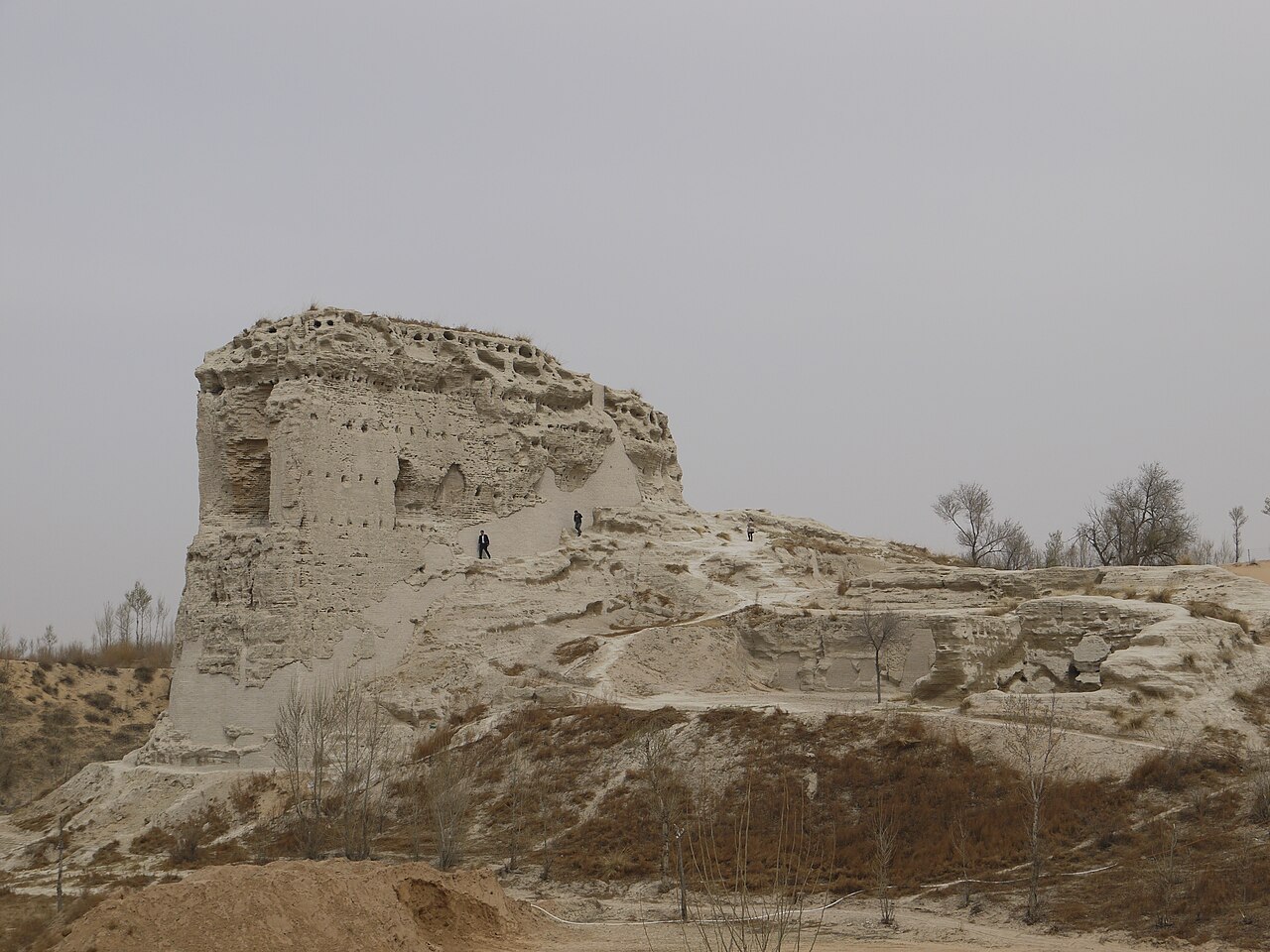
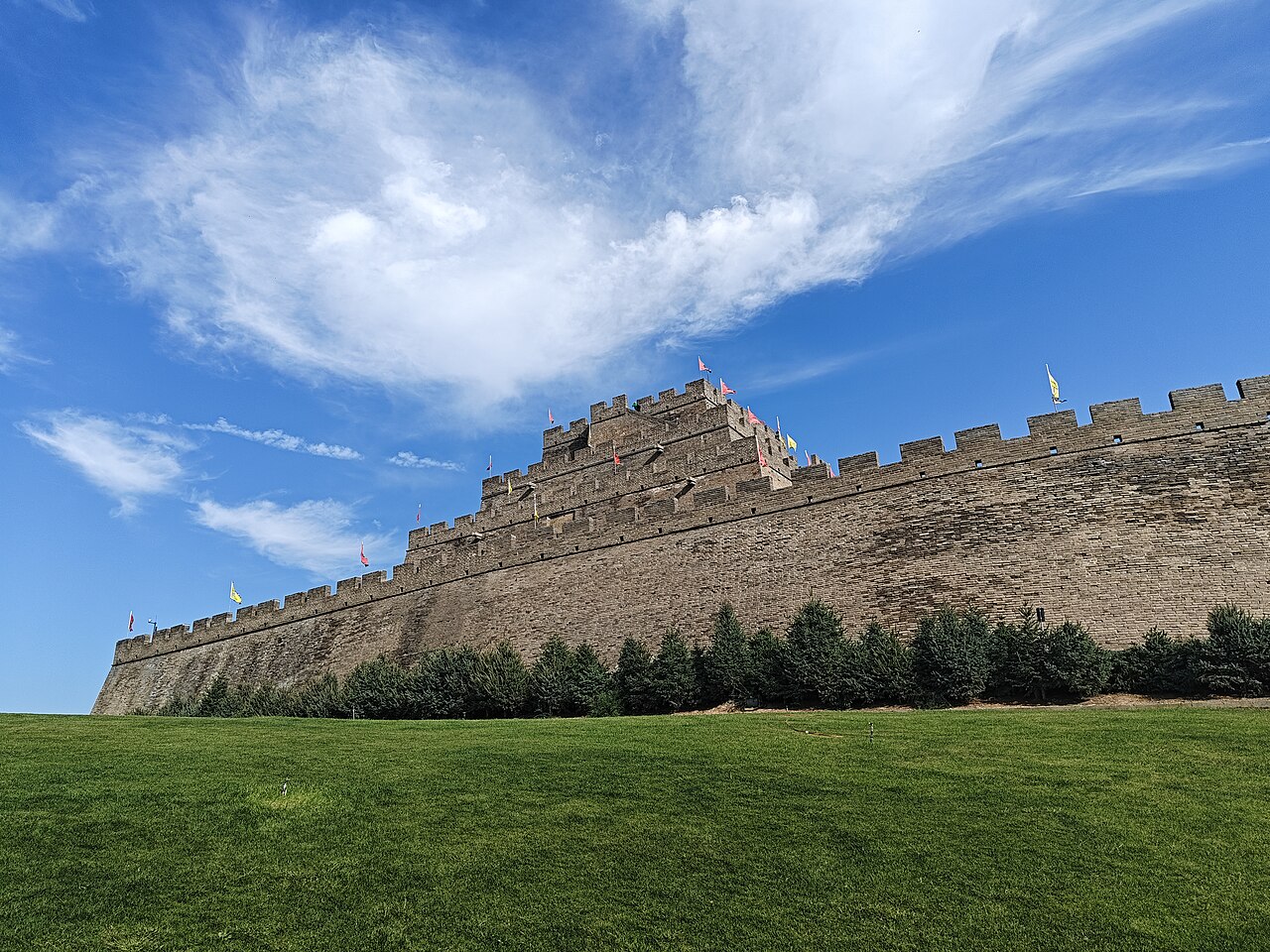
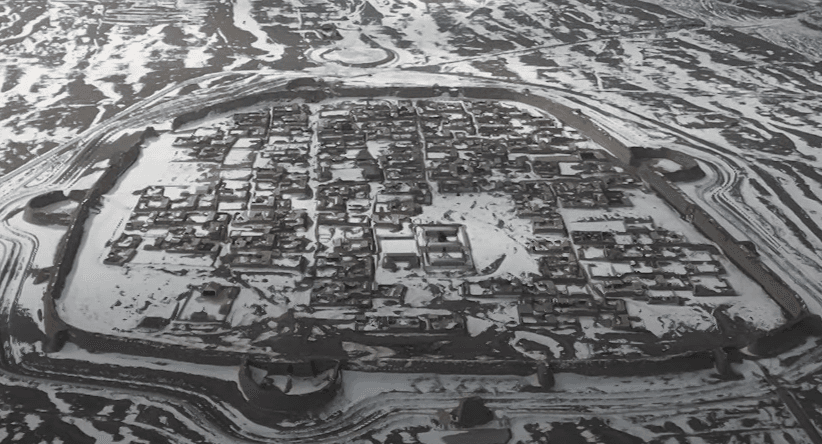
The fortress is enclosed by a substantial rammed earth wall, a traditional Chinese construction technique that involved compacting layers of earth to create thick, sturdy barriers. This wall is punctuated by defensive towers positioned at intervals to provide vantage points for surveillance and archery defense. The bastioned design incorporates angular projections allowing defenders to cover adjacent walls with crossfire, a feature that enhances defensive capabilities against attackers.
Layout and fortifications
The layout of Yongtai Fortress reflects typical bastioned fortress principles adapted to local materials and terrain. The fortress includes multiple gates fortified with watchtowers and reinforced doors to control access. The interior likely contained barracks, armories, and storage facilities to support the stationed troops. The use of rammed earth walls not only provided defense but also insulation against the harsh climate of the Gansu region.
Environmental challenges and current condition
Over the centuries, desertification has significantly impacted the surrounding landscape, contributing to the decline of the fortress's supporting village. Once home to about 1500 residents in the 1950s, the population has dwindled to roughly 100 inhabitants today. The fortress itself remains mostly intact in terms of its rammed earth walls and towers, but natural erosion and lack of maintenance have led to some deterioration.
Cultural and heritage significance
Yongtai Fortress stands as a testament to the Ming dynasty's military architecture and frontier defense strategies. It offers valuable insights into the methods used to secure China's northwestern borders during a period of frequent conflict and cultural exchange. The fortress and its surrounding village are important for understanding the historical interactions between the Han Chinese and northern minority groups.
Tourism and preservation efforts
While the fortress is not a major tourist destination, it attracts visitors interested in military history and traditional Chinese fortifications. Preservation efforts are challenged by environmental conditions and limited resources, but the site remains a vital cultural landmark within Gansu Province. Its remote location and the declining village population contribute to its quiet, preserved atmosphere, offering a glimpse into China's frontier past.
Frequently asked questions (FAQ)
- What is the historical significance of Yongtai Fortress?
- Yongtai Fortress, built during the Ming Dynasty, served as a crucial military stronghold to defend against invasions. It embodies the architectural style of the period and reflects the strategic importance of the region in Chinese history.
- When was Yongtai Fortress constructed?
- Yongtai Fortress was constructed in the late 16th century, around 1586, during a time of heightened conflict and territorial threats. Its establishment marked a significant effort by the Ming Dynasty to secure its northern borders.
- What are the opening hours of Yongtai Fortress?
- Yongtai Fortress is typically open to visitors from 8:00 AM to 6:00 PM daily. However, it is advisable to check for seasonal changes in hours or any special closures before planning your visit.
- Is it possible to take guided tours of Yongtai Fortress?
- Yes, guided tours are available and provide in-depth insights into the fortress's history and architecture. These tours can enhance your experience by offering detailed explanations and stories about the site.
- Can I visit Yongtai Fortress year-round?
- Yes, Yongtai Fortress is open for visitors throughout the year. However, the best time to visit is during the spring and autumn months when the weather is mild and the views are particularly stunning.
- What are the ticket prices for Yongtai Fortress?
- The entrance fee for Yongtai Fortress is generally very affordable, with discounts available for students and seniors. It is advisable to check the official website or local tourism information for the most current pricing details.
- Are there any nearby attractions to Yongtai Fortress?
- Yes, there are several attractions near Yongtai Fortress, including beautiful natural scenery and historical sites. Visitors often explore the surrounding parks and other monuments that reflect the rich history of the Baiyin region.
- How do I get to Yongtai Fortress from Baiyin city center?
- Yongtai Fortress is easily accessible from Baiyin city center by car or public transportation. Local buses and taxis frequently service the route, making it convenient for visitors to reach the fortress.
- What is the architectural style of Yongtai Fortress?
- Yongtai Fortress showcases traditional Chinese military architecture, characterized by sturdy stone walls and watchtowers. Its design not only served defensive purposes but also reflects the aesthetic principles of the Ming Dynasty.
Photo gallery

Information
Loading map...
Visitor reviews
No reviews yet. Been here? Write the first review and help other travelers!
Write the first reviewVisited this castle? Share your experience
Your review helps other travelers and adds first-hand knowledge to our encyclopedia.