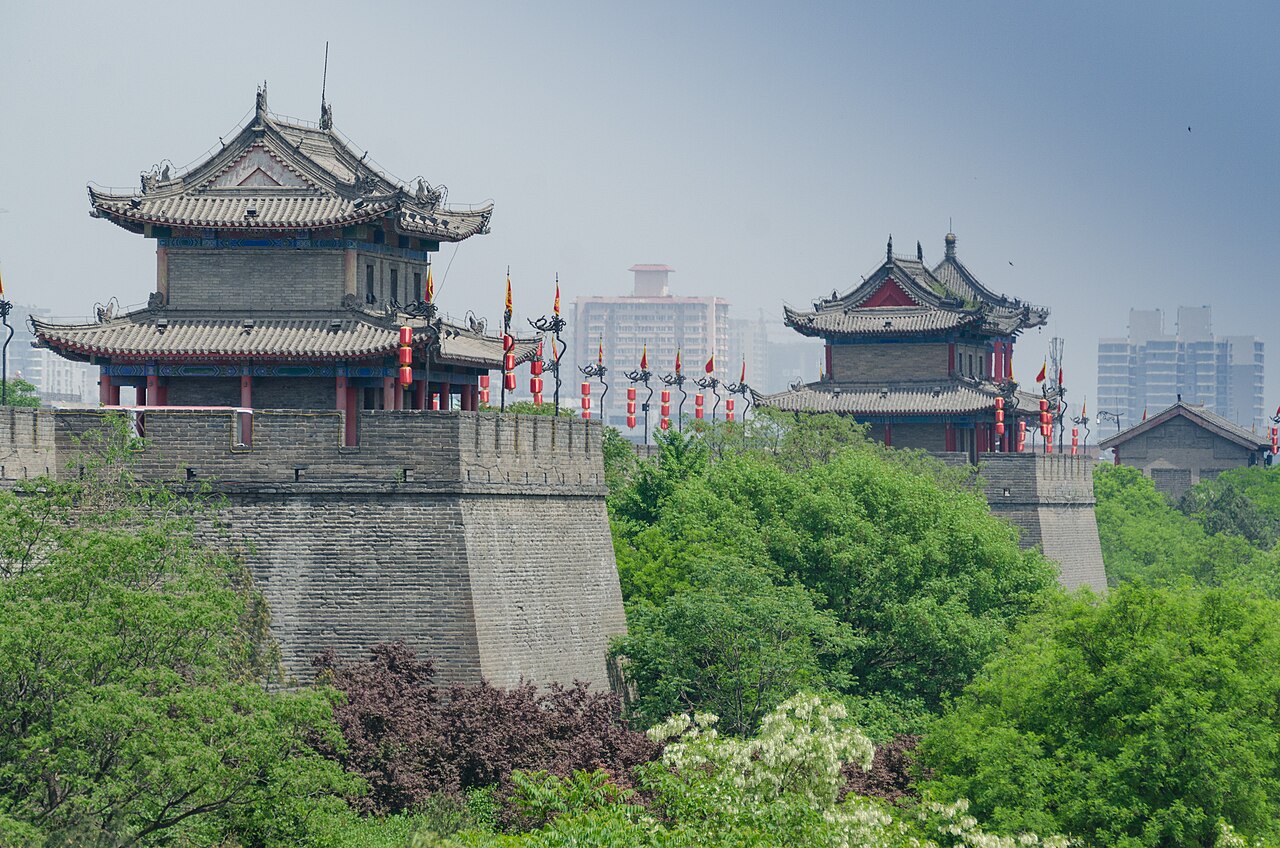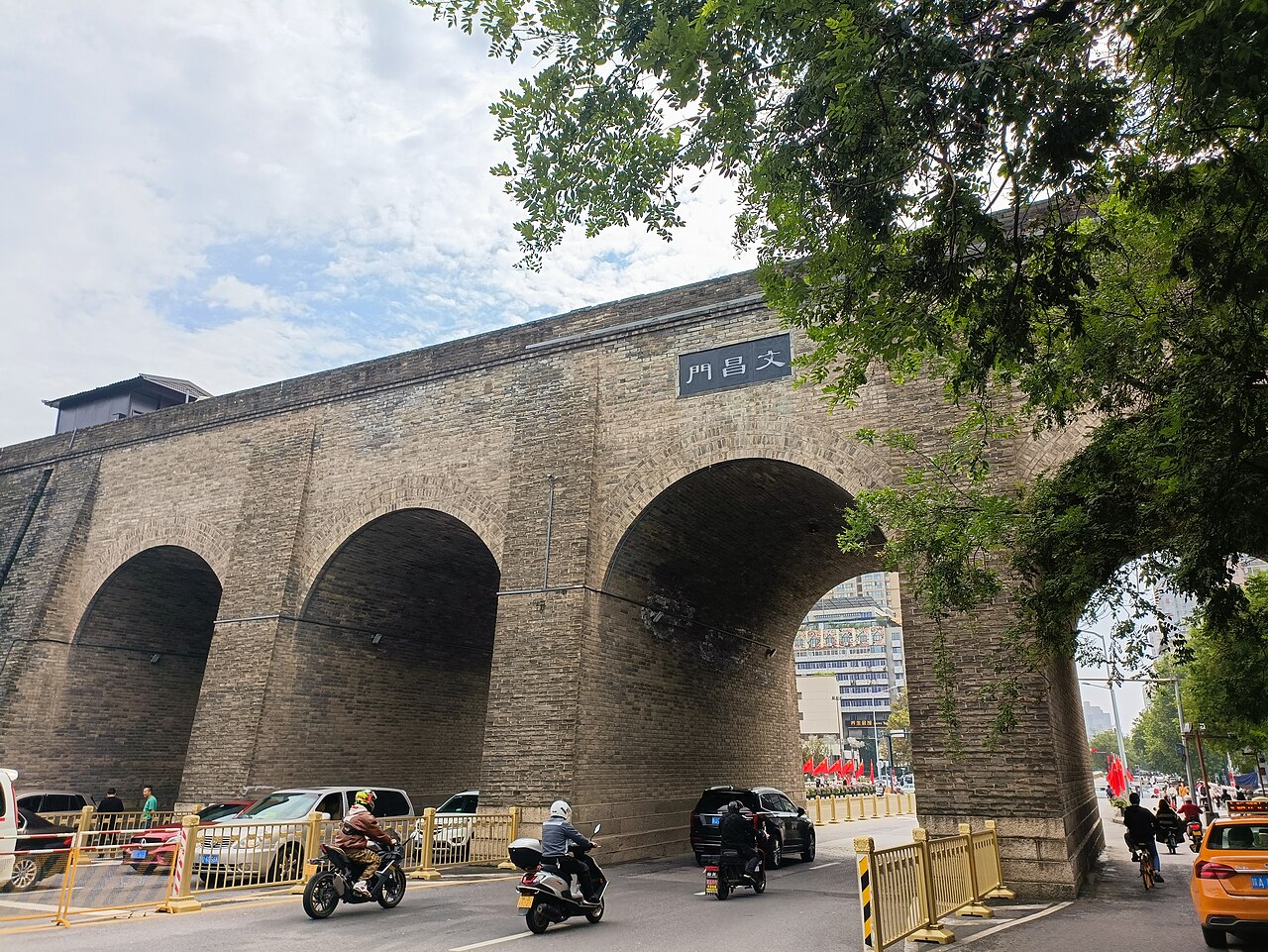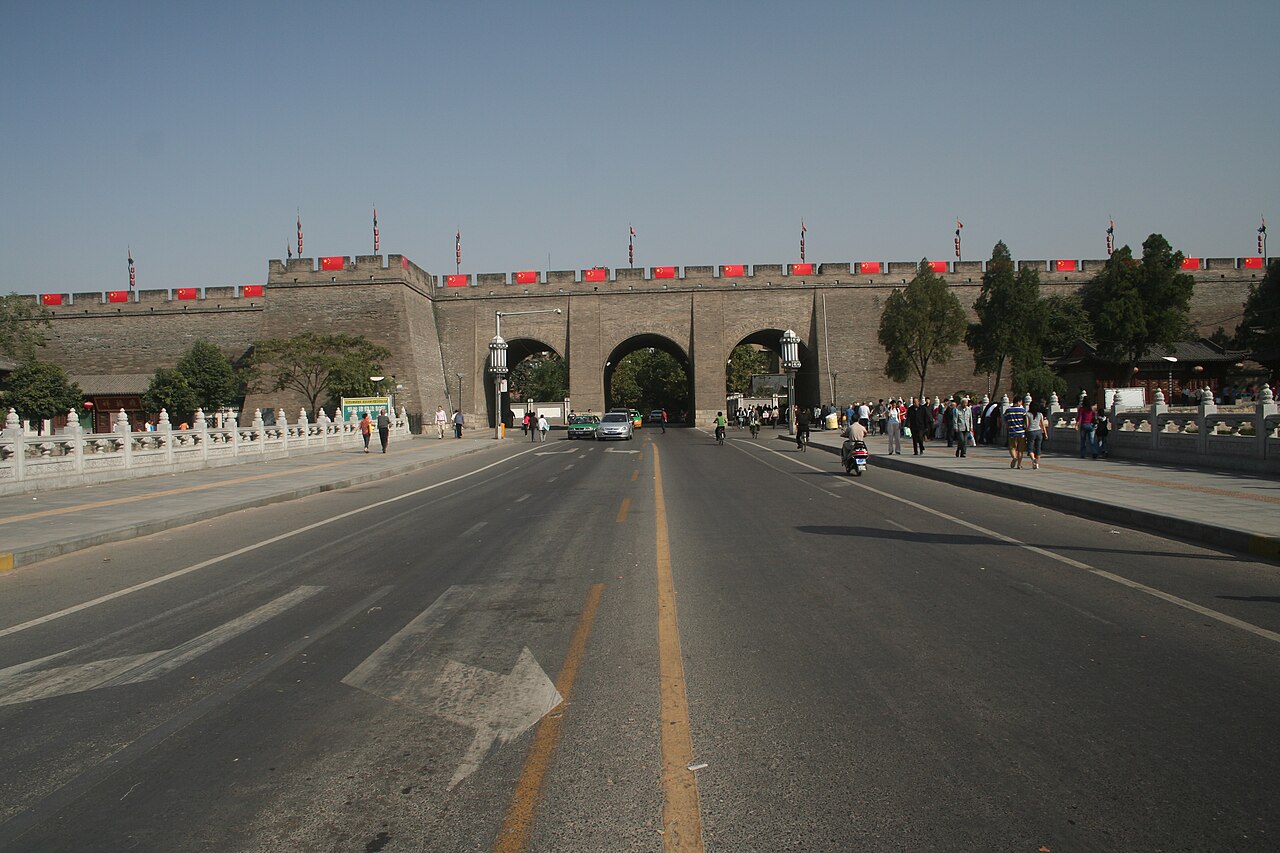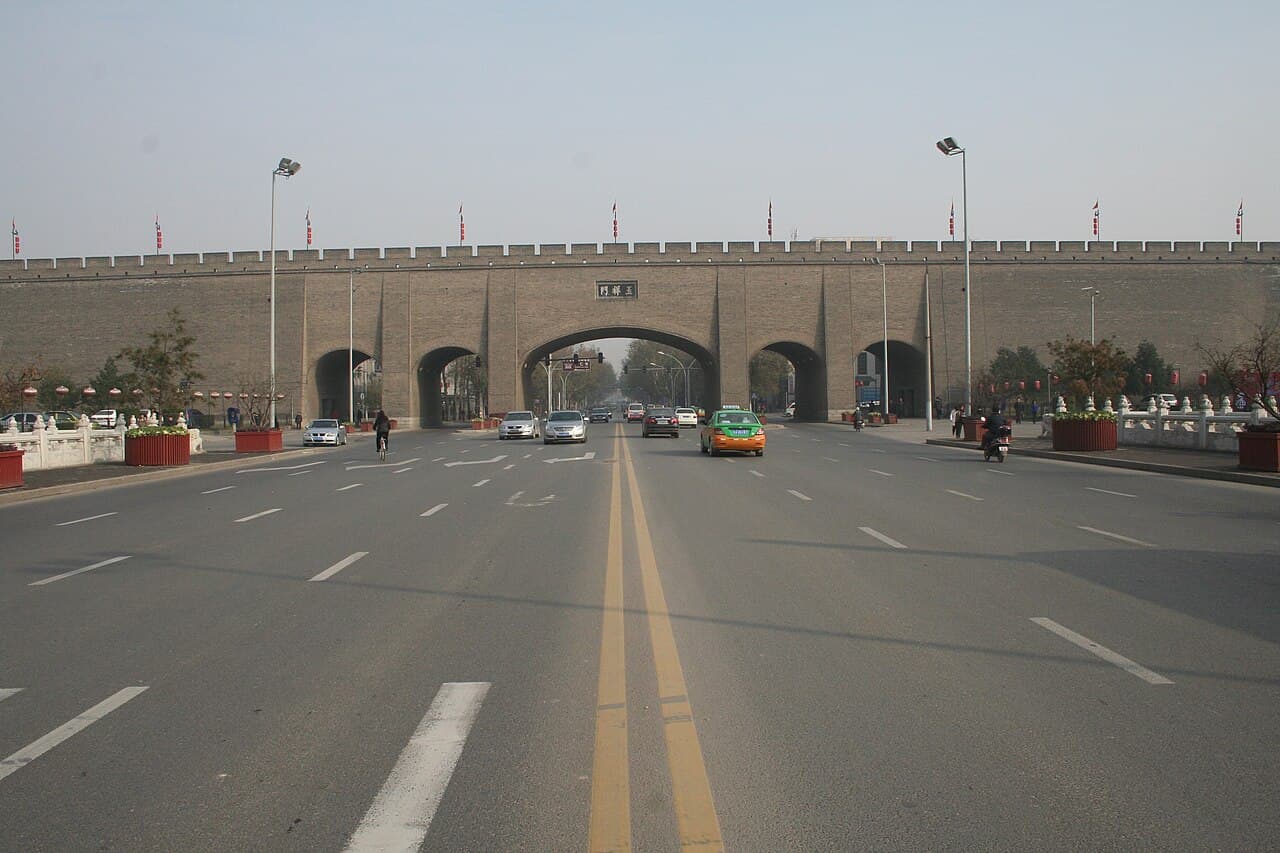
Yuxiangmen is a notable example of a bastioned fortress located in China, representing a significant part of the country's military architectural heritage. Although the exact city location is not widely documented, the fortress is recognized for its strategic design and integration of traditional Chinese defensive elements with bastioned fortification principles.
Architectural features and design
The fortress exhibits characteristics typical of bastioned fortresses, including angular bastions designed to provide overlapping fields of fire and eliminate blind spots along the walls. This design reflects the influence of European military architecture adapted to local Chinese defensive needs. The walls are robust and thick, constructed from stone and brick materials common in Chinese fortifications, providing substantial resistance against artillery and siege tactics.
Bastions at the corners of the fortress allow defenders to cover adjacent walls with cannon and musket fire, a feature that enhances the fortress's defensive capability. The layout typically includes a central courtyard, surrounded by curtain walls and bastions, with gates fortified for controlled access. Defensive moats or ditches may also be part of the design, although specific details about Yuxiangmen's moat system remain undocumented.
Historical context and significance
The construction period of Yuxiangmen is not precisely recorded, but bastioned fortresses in China generally date from the late Ming to Qing dynasties when European military engineering concepts were introduced and integrated into Chinese fortifications. This period saw increased use of gunpowder weapons, necessitating adaptations in fortress design to withstand cannon fire.
Yuxiangmen likely served as a military stronghold to protect important routes or settlements, reflecting the strategic importance of fortified positions in Chinese military planning. Its bastioned design indicates an awareness of evolving warfare techniques and a blend of Chinese and Western military architectural traditions.
Strategic role and location
The fortress would have been positioned to control key transportation or communication routes, providing a defensive bulwark against invading forces or local uprisings. The exact city or province remains unspecified, but its design suggests a role in regional defense networks common in Chinese border or contested areas.
Preservation and current condition
Information on the current condition of Yuxiangmen is limited, but bastioned fortresses in China often face challenges from urban development and natural decay. If preserved, such fortresses offer valuable insights into the fusion of Chinese and European military architecture during the late imperial period.
Efforts to maintain or restore bastioned fortresses like Yuxiangmen contribute to cultural heritage preservation and provide educational opportunities about historical military engineering.
Architectural influences and legacy
Yuxiangmen exemplifies the adaptation of European bastioned fortification principles within a Chinese context, merging traditional Chinese construction techniques with angled bastions designed for modern artillery defense. This hybrid architectural approach marks an important phase in the evolution of Chinese military architecture.
The fortress stands as a testament to the dynamic exchange of military technology and architectural ideas between East and West during the late imperial era, illustrating how local builders incorporated foreign concepts to enhance defensive capabilities.
Comparison with other Chinese fortresses
Unlike earlier Chinese fortifications that relied heavily on high walls and watchtowers, bastioned fortresses like Yuxiangmen introduced angled bastions and lower, thicker walls to better resist cannon fire. This shift reflects changing military tactics and the increasing importance of gunpowder weaponry in Chinese warfare.
Frequently asked questions (FAQ)
- What is Yuxiangmen?
- Yuxiangmen is a bastioned fortress in China known for its traditional Chinese military architecture combined with European bastion design.
- When was Yuxiangmen built?
- The exact construction date of Yuxiangmen is unknown, but bastioned fortresses in China typically date from the late Ming to Qing dynasties.
- What architectural features does Yuxiangmen have?
- Yuxiangmen features angular bastions, thick stone and brick walls, fortified gates, and a central courtyard typical of bastioned fortress design.
- Is Yuxiangmen open to visitors?
- There is limited information about visitor access to Yuxiangmen, and its exact location is not widely documented.
- Why are bastioned fortresses important in Chinese history?
- Bastioned fortresses represent the adaptation of European military engineering to Chinese fortifications, reflecting changes in warfare during the late imperial period.
Photo gallery

Information
Loading map...
Visitor reviews
No reviews yet. Been here? Write the first review and help other travelers!
Write the first reviewVisited this castle? Share your experience
Your review helps other travelers and adds first-hand knowledge to our encyclopedia.