Southeast Corner Tower of Beijing Outer City
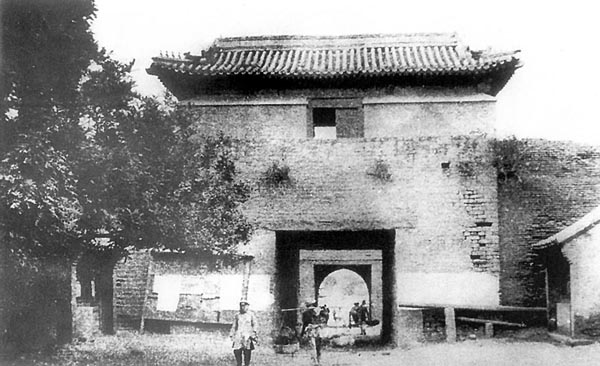
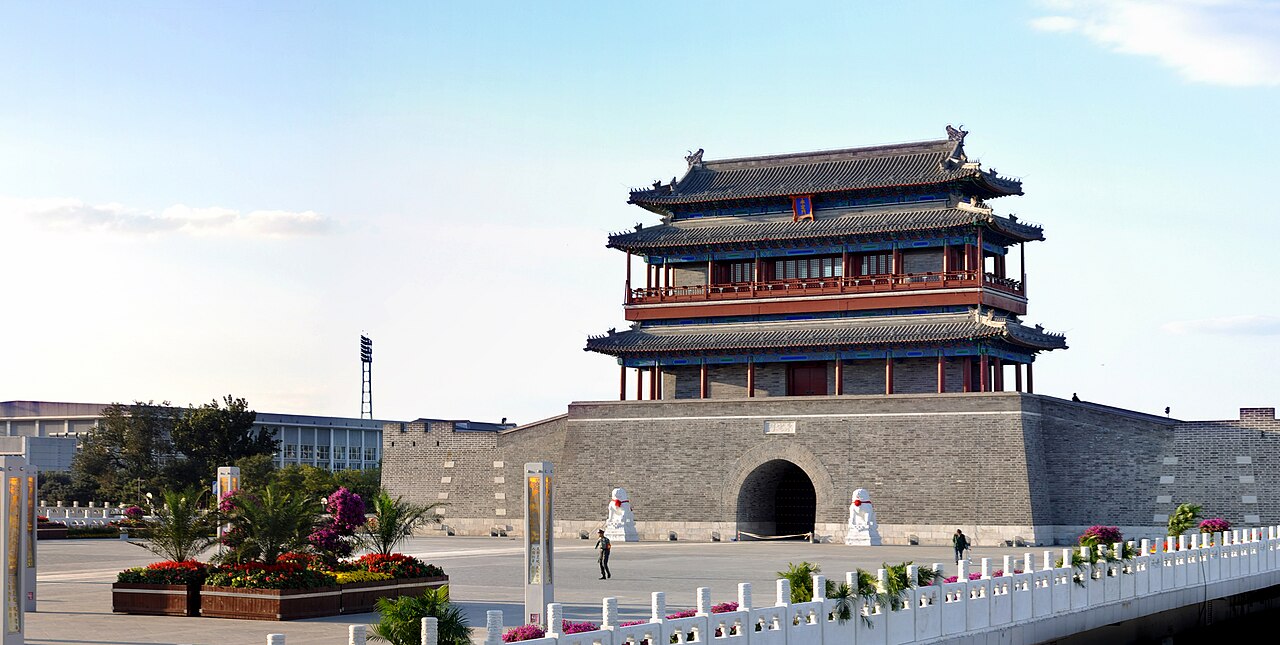
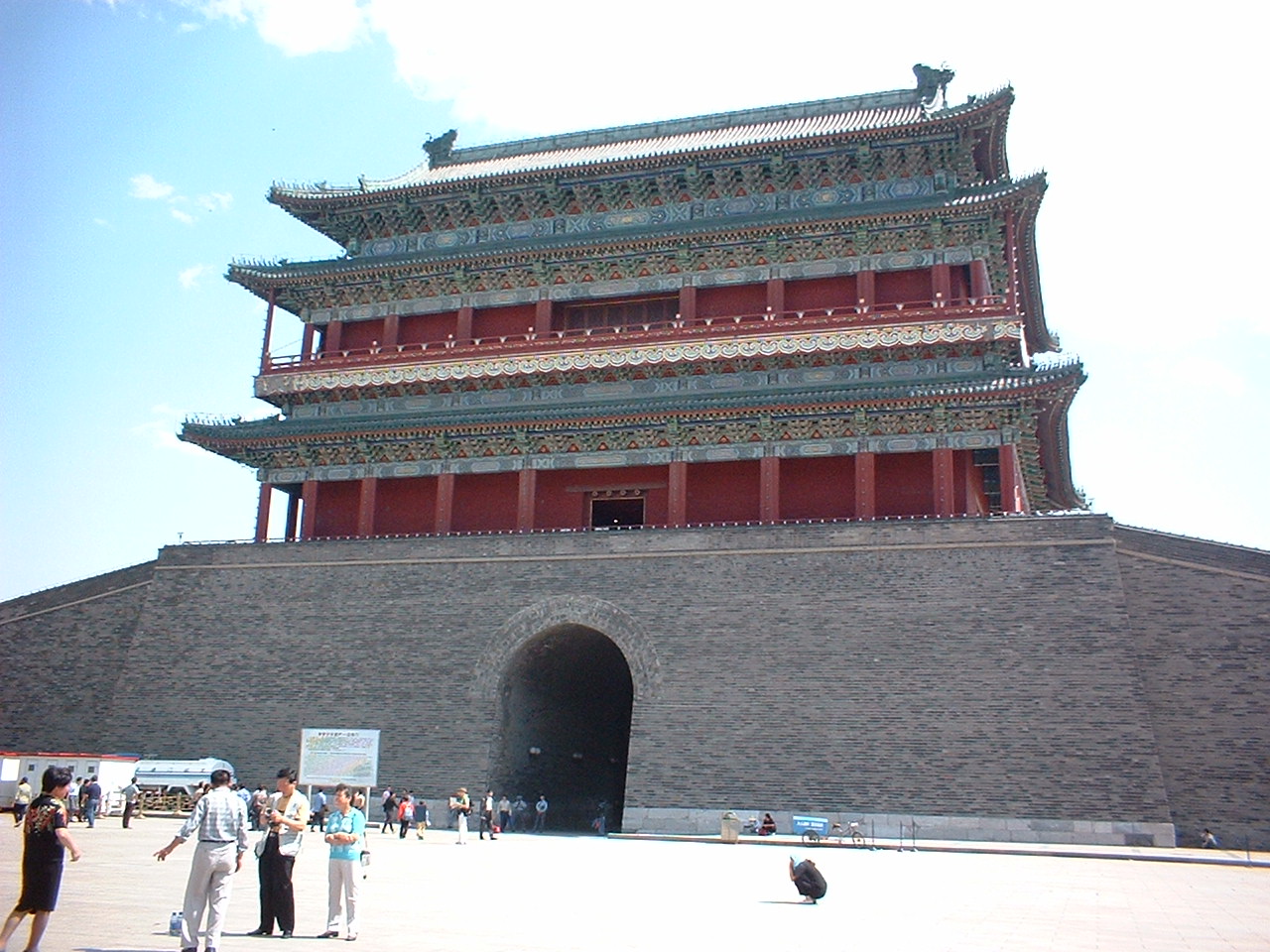
The Southeast corner tower of Beijing Outer City is a significant component of the ancient fortifications that once protected the Outer City of Beijing, China. This tower is part of a larger bastioned fortress system that played a crucial role in the city's defense during the Ming and Qing dynasties. The Outer City itself was an extensive walled area that surrounded the Inner City, providing an additional layer of protection for the capital.
Historical context and strategic importance
The construction of Beijing's city walls, including the Outer City and its corner towers, dates primarily to the Ming dynasty (1368–1644), with significant enhancements during the Qing dynasty (1644–1912). The Southeast corner tower was strategically positioned to guard the city from potential attacks coming from the southeast direction, a vulnerable approach given the geography and road networks of the time.
These towers were part of a comprehensive defensive system that included massive curtain walls, moats, and gate complexes. The bastioned design of the Southeast corner tower allowed defenders to cover adjacent walls with crossfire, enhancing the fortress's overall defensive capability.
Architectural features and design
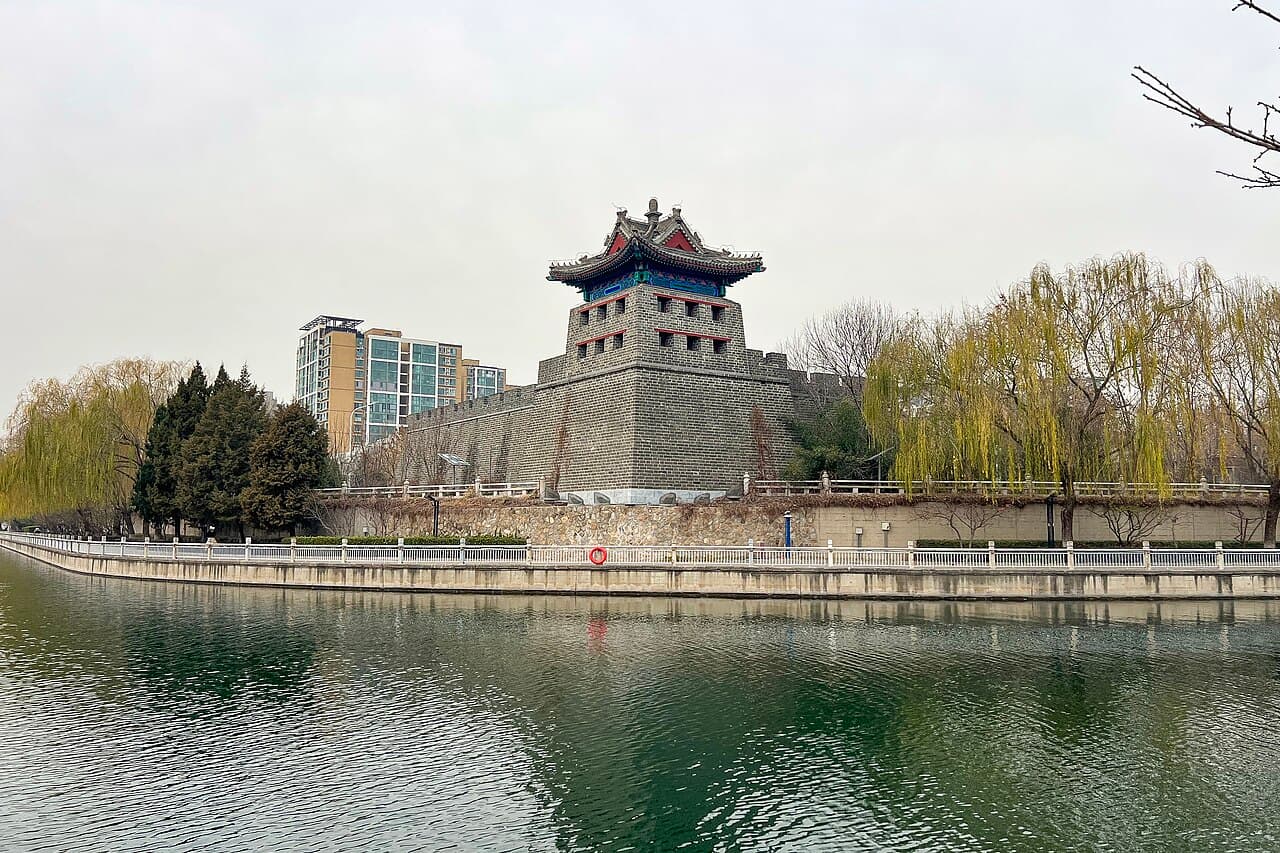
The Southeast corner tower exemplifies the bastioned fortress architecture typical of Chinese city defenses in the late medieval and early modern periods. The tower is constructed primarily from grey bricks and stone, materials chosen for their durability and strength. Its walls are thick and sloped, designed to deflect projectiles and resist siege engines.
The tower's design includes arrow slits and gun ports, which reflect the evolution of military technology and the integration of firearms into city defense strategies. The bastioned shape projects outward from the curtain wall, allowing defenders to fire along the adjacent walls and prevent attackers from approaching the base of the walls unchallenged.
On top of the tower, there was likely a parapet with battlements for protection and observation. The tower's interior would have included space for soldiers, storage of weapons, and possibly small barracks.
The role of the tower in Beijing's fortifications
The Southeast corner tower was one of several similar towers positioned at the corners of the Outer City walls. Each corner tower was designed to provide overlapping fields of fire, creating a formidable defensive perimeter. This system was essential for protecting Beijing from invasions and rebellions over several centuries.
During the Qing dynasty, the tower and the surrounding walls were maintained and occasionally upgraded to adapt to changing military needs. However, with the advent of modern warfare and the expansion of Beijing beyond its ancient walls, the military function of these fortifications diminished.
Preservation and current status
Today, much of Beijing's Outer City walls have been demolished or incorporated into modern urban development. The Southeast corner tower remains as a rare surviving example of the city's historic bastioned fortifications. It is considered an important cultural relic reflecting Beijing's military architecture and urban history.
Efforts have been made to preserve the tower, though it may be in a partially preserved or restored condition depending on conservation work. The tower attracts interest from historians, architects, and tourists who wish to explore Beijing's defensive heritage beyond the more famous Inner City walls and gates.
Architectural significance in Chinese military history
The Southeast corner tower illustrates the adaptation of traditional Chinese fortification techniques to new military technologies and strategies. The bastioned design, while common in European fortresses, was uniquely interpreted in the context of Chinese city walls, blending local construction methods with the need for improved defense against firearms.
This tower, along with others in the Outer City, represents a transitional phase in Chinese military architecture bridging the medieval and early modern periods. It highlights the importance of strategic urban defense in imperial capitals and the role of fortifications in maintaining political stability.
Frequently asked questions (FAQ)
- How do I get to the Southeast Corner Tower of Beijing Outer City?
- The Southeast Corner Tower is conveniently located within the Beijing city limits and can be accessed via public transportation. The nearest subway station is a short walk away, and local buses also stop nearby. Taxis are readily available, making it easy to reach the site from various parts of the city.
- What is the historical significance of the Southeast Corner Tower?
- The Southeast Corner Tower is part of the ancient city wall of Beijing, constructed during the Ming Dynasty in the 15th century. It served as a key defensive structure and a military watchtower, symbolizing the city's historical fortifications. Today, it stands as a testament to Beijing's rich history and architectural ingenuity.
- When was the Southeast Corner Tower built?
- The Southeast Corner Tower was built in 1460 during the Ming Dynasty, making it over 550 years old. It was designed as part of the defensive walls surrounding the city, which were crucial for protection against invasions. The tower has undergone various renovations, preserving its historical essence for future generations.
- Can I climb the Southeast Corner Tower?
- Yes, visitors can climb the Southeast Corner Tower to enjoy panoramic views of the surrounding area. The ascent involves stairs, so it is advisable to wear comfortable shoes. The view from the top provides a unique perspective of both the ancient city walls and the modern cityscape of Beijing.
- Why is the architecture of the Southeast Corner Tower unique?
- The architecture of the Southeast Corner Tower is notable for its traditional Chinese military design, featuring a combination of brick and stone. Its tiered roof and intricate eaves reflect the classic Ming architectural style, showcasing the craftsmanship of the period. The tower's strategic placement within the city wall highlights its functional purpose while also enhancing its aesthetic appeal.
- Is it possible to visit the Southeast Corner Tower at night?
- The Southeast Corner Tower is typically open for visits during the day, with specific opening hours that vary seasonally. However, special events may allow night visits for a limited time, providing a unique experience of the illuminated structure. Always check the official website for the latest information on opening times and any special events.
- What are the ticket prices for the Southeast Corner Tower?
- Admission to the Southeast Corner Tower is generally quite affordable, with tickets priced around 10 to 20 yuan. Discounts may be available for students and seniors, so be sure to bring necessary identification. Tickets can be purchased on-site, and it's advisable to arrive early during peak tourist seasons.
- What is the best time to visit the Southeast Corner Tower?
- The best time to visit the Southeast Corner Tower is during the spring (April to June) and autumn (September to October) when the weather is mild and comfortable. These seasons also provide beautiful scenery with blooming flowers and changing leaves. Visiting during weekdays can help avoid the larger crowds typically seen on weekends.
- Are there any nearby attractions to the Southeast Corner Tower?
- Yes, the Southeast Corner Tower is conveniently located near several other historical attractions, including the Beijing Ancient City Wall and the Forbidden City. Visitors can easily explore these nearby sites on foot, making it a perfect addition to a day of sightseeing in Beijing. Additionally, local markets and eateries offer a taste of the culture surrounding the area.
Photo gallery

Information
Loading map...
Visitor reviews
No reviews yet. Been here? Write the first review and help other travelers!
Write the first reviewVisited this castle? Share your experience
Your review helps other travelers and adds first-hand knowledge to our encyclopedia.