Old Summer Palace
The Old Summer Palace, also known as Yuanmingyuan (Chinese: 圓明園/圆明园; pinyin: Yuánmíng Yuán), represents one of the most significant and tragic landmarks of Chinese imperial history. Located in the Haidian District of Beijing, approximately eight kilometers northwest of the former Imperial City walls, this vast complex was originally constructed as the Imperial Gardens and served as the primary residence and administrative center for the Qing dynasty emperors, notably the Qianlong Emperor and his successors. Its design and scale epitomized the pinnacle of Chinese garden and palace architecture during the 18th and early 19th centuries.
Known as the "Garden of Gardens" (simplified Chinese: 万园之园; traditional Chinese: 萬園之園; pinyin: wàn yuán zhī yuán), the Old Summer Palace was celebrated for its extensive gardens, ornate buildings, and an unparalleled collection of artistic and cultural treasures. Spanning over 3.5 square kilometers (860 acres), the complex combined traditional Chinese landscaping principles with Western architectural influences introduced during the Qing dynasty. The palace grounds included numerous halls, pavilions, lakes, bridges, and corridors designed to create a harmonious blend of natural beauty and imperial grandeur.
Architectural design and cultural significance
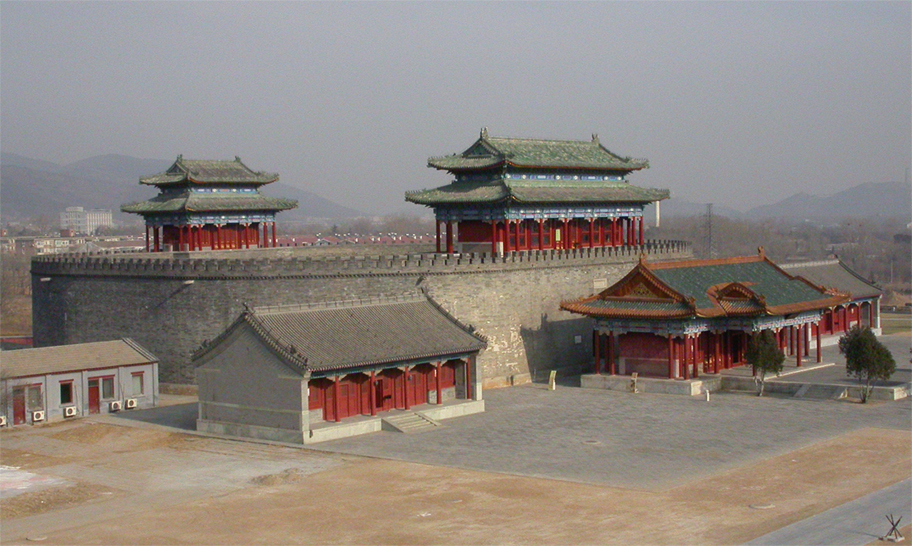
The Old Summer Palace was a masterpiece of landscape architecture and imperial design, showcasing Chinese gardening techniques such as the use of water features, rockeries, and carefully planned vistas. The palace incorporated European-style buildings and fountains constructed under the guidance of Jesuit missionaries, blending Chinese and Western architectural styles. This fusion was particularly evident in the Western mansions section, which included elaborate fountains and sculptures unlike any other in China at the time.
The gardens were divided into three main parts: the Garden of Perfect Brightness (Yuanmingyuan), the Imperial Garden (Huanmingyuan), and the Garden of Eternal Spring (Qingyiyuan). Each section featured distinct landscaping themes and architectural elements. The extensive use of waterways, lakes, and islands created a dynamic and picturesque environment, while the buildings were richly decorated with carved woodwork, painted murals, and intricate tile roofs.
Historical context and destruction
The Old Summer Palace played a central role in Qing imperial life, serving as both a retreat and a place where emperors conducted state affairs. However, its fate dramatically changed during the Second Opium War (1856–1860). On 6 October 1860, Anglo-French forces captured the palace after intense fighting. The complex was looted extensively, with thousands of priceless artifacts—including sculptures, porcelain, jade, silk robes, textiles, and gold objects—taken by invading troops.
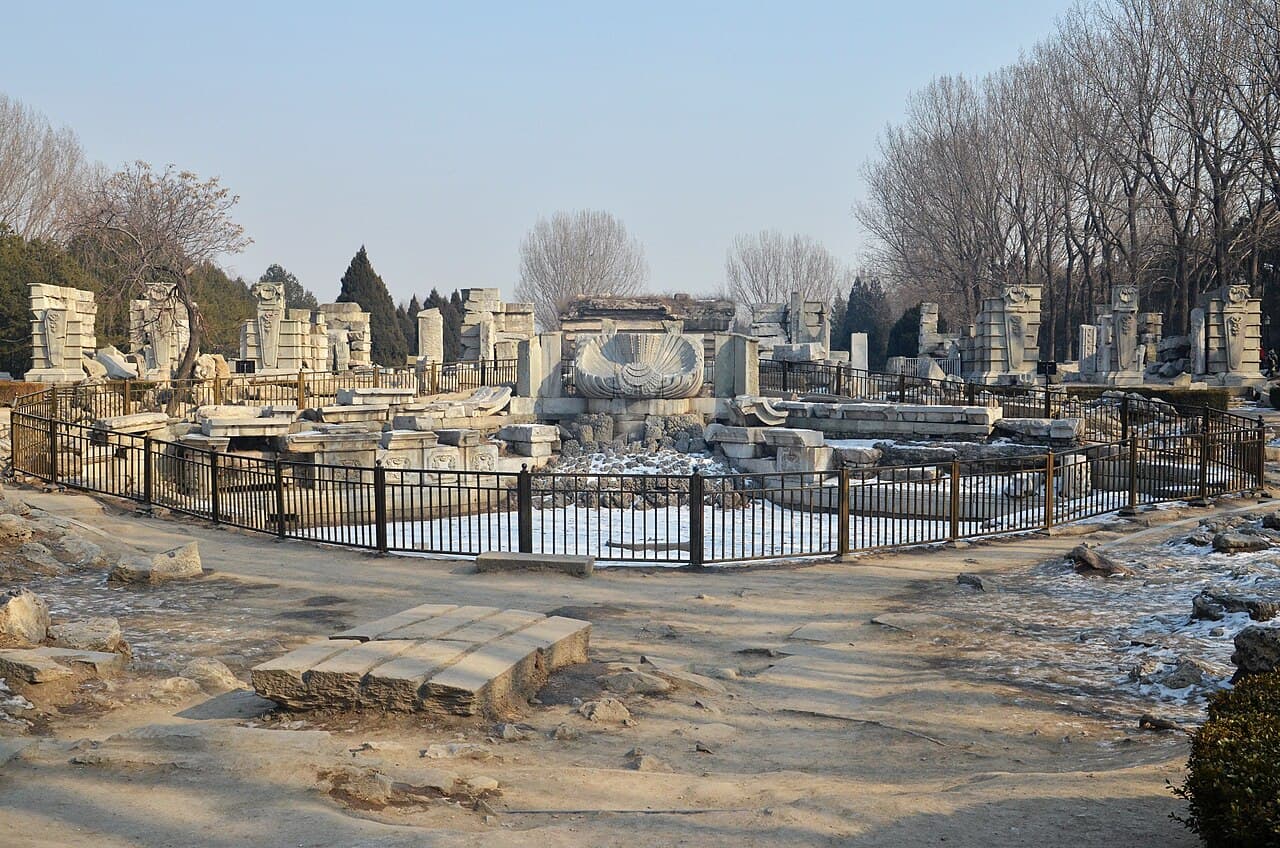
Following the capture, the British High Commissioner, the 8th Earl of Elgin, ordered the palace's destruction in retaliation for the imprisonment and execution of members of a diplomatic delegation by Qing authorities. The burning and demolition of the palace lasted three days and involved approximately 4,000 soldiers. This act of cultural devastation left the Old Summer Palace in ruins, a symbol of foreign aggression and loss of Chinese heritage.
Legacy and preservation efforts
Today, the Old Summer Palace remains a site of archaeological ruins and a poignant reminder of 19th-century conflicts and cultural loss. Despite its ruined state, the site attracts visitors interested in its history, architecture, and the lessons it embodies about imperial China and colonial encounters.
Many of the palace's looted treasures are now housed in museums worldwide, with UNESCO noting that artifacts from the Old Summer Palace are dispersed across at least 47 museums. Efforts have been made to preserve the ruins and educate the public about the site's significance, including maintaining the remaining structures, pathways, and garden layouts.
The Old Summer Palace continues to be an important cultural and historical landmark, reflecting both the grandeur of the Qing dynasty and the profound impact of 19th-century international conflicts on China's heritage.
Frequently asked questions (FAQ)
- What is the Old Summer Palace?
- The Old Summer Palace, also known as Yuanmingyuan, was a complex of palaces and gardens in Beijing, China, known for its exquisite architecture and rich history. It served as a summer retreat for Chinese emperors during the Qing Dynasty and is renowned for its beautiful landscapes and intricate designs.
- When was the Old Summer Palace built?
- Construction of the Old Summer Palace began in the 18th century, with significant expansions and renovations occurring throughout the Qing Dynasty. The palace complex was completed in the mid-19th century, but it was tragically destroyed during the Second Opium War in 1860.
- How do I get to the Old Summer Palace?
- The Old Summer Palace is located in the Haidian District of Beijing and can be accessed via public transportation, including buses and the subway. The nearest subway station is Wudaokou Station, from which you can take a short taxi ride or bus to the entrance.
- What are the opening hours for the Old Summer Palace?
- The Old Summer Palace is typically open from 8:00 AM to 6:00 PM, but hours may vary depending on the season and holidays. It is advisable to check the official website for the most current information before your visit.
- Can I take photos inside the Old Summer Palace?
- Yes, visitors are allowed to take photographs within the Old Summer Palace, but there may be restrictions in certain areas. Be sure to respect the site and its rules while capturing the beauty of this historical location.
- Is the Old Summer Palace accessible for visitors with disabilities?
- The Old Summer Palace has made efforts to improve accessibility for visitors with disabilities, including paved paths and ramps in certain areas. However, the uneven terrain and historical structures may present some challenges, so it is advisable to plan your visit accordingly.
- What is the best time to visit the Old Summer Palace?
- The best time to visit the Old Summer Palace is during spring (April to June) and autumn (September to November) when the weather is mild and the gardens are in full bloom. Visiting during these seasons allows you to enjoy the stunning landscapes and avoid the peak summer heat.
- Are there any nearby attractions to visit?
- Yes, there are several nearby attractions, including the Summer Palace and Peking University, which offer rich cultural experiences and beautiful scenery. You can easily plan a day of exploration in the area by visiting these sites in conjunction with the Old Summer Palace.
- What are the ticket prices for the Old Summer Palace?
- As of now, the ticket price for the Old Summer Palace is typically around 30 RMB for adults, with discounts available for students and seniors. It is recommended to check for any special promotions or pricing updates before your visit.
Photo gallery

Information
Loading map...
Visitor reviews
No reviews yet. Been here? Write the first review and help other travelers!
Write the first reviewVisited this castle? Share your experience
Your review helps other travelers and adds first-hand knowledge to our encyclopedia.