Taku Forts
The Taku Forts, also known as the Dagukou Forts or Peiho Forts (大沽口炮台), are a significant bastioned fortress complex located at the estuary of the Hai River (Peiho River) in the Binhai New Area of Tianjin, northeastern China. Situated approximately 60 kilometers southeast of Tianjin's urban center, these forts have played a pivotal role in the defense of the region since their construction in the 16th century.
The Taku Forts were originally built during the Ming Dynasty as part of the coastal defense system to protect the vital waterways leading to the interior of northern China. Their strategic location guarding the mouth of the Hai River made them a critical military installation for controlling naval access to Tianjin and, by extension, Beijing. Over the centuries, the forts underwent numerous expansions and reinforcements, particularly during the Qing Dynasty, adapting to advances in military technology and responding to foreign threats.
Architectural design and fortifications
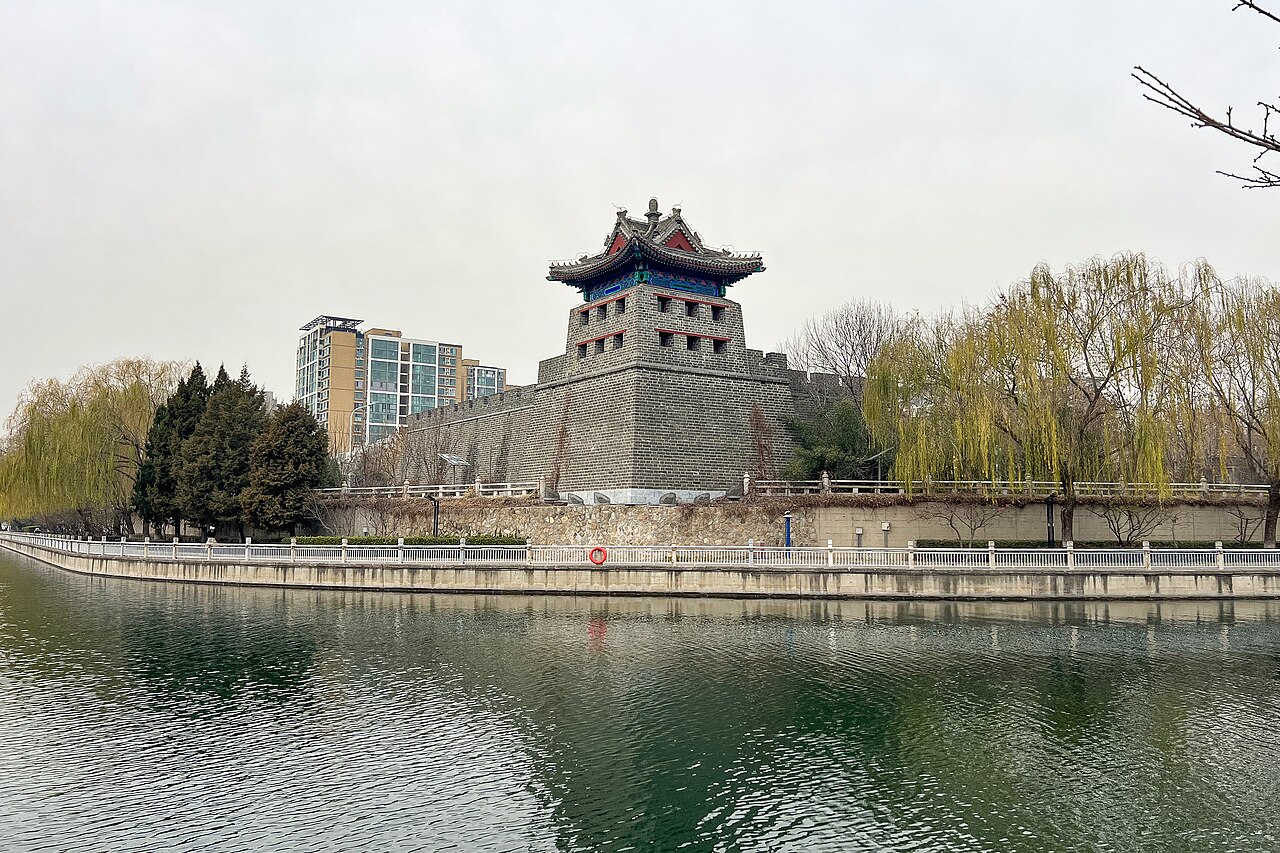
The Taku Forts are exemplary of a bastioned fortress design, which was influenced by European military engineering principles that emphasized angled bastions for improved defensive coverage and reduced blind spots. The complex consists of several separate forts arranged strategically along the river estuary, each equipped with thick walls, artillery batteries, and moats to deter enemy advances.
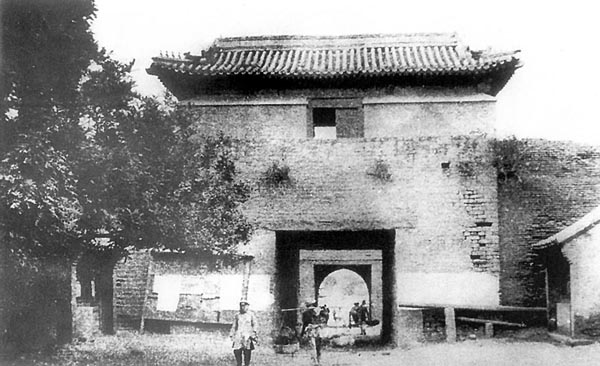
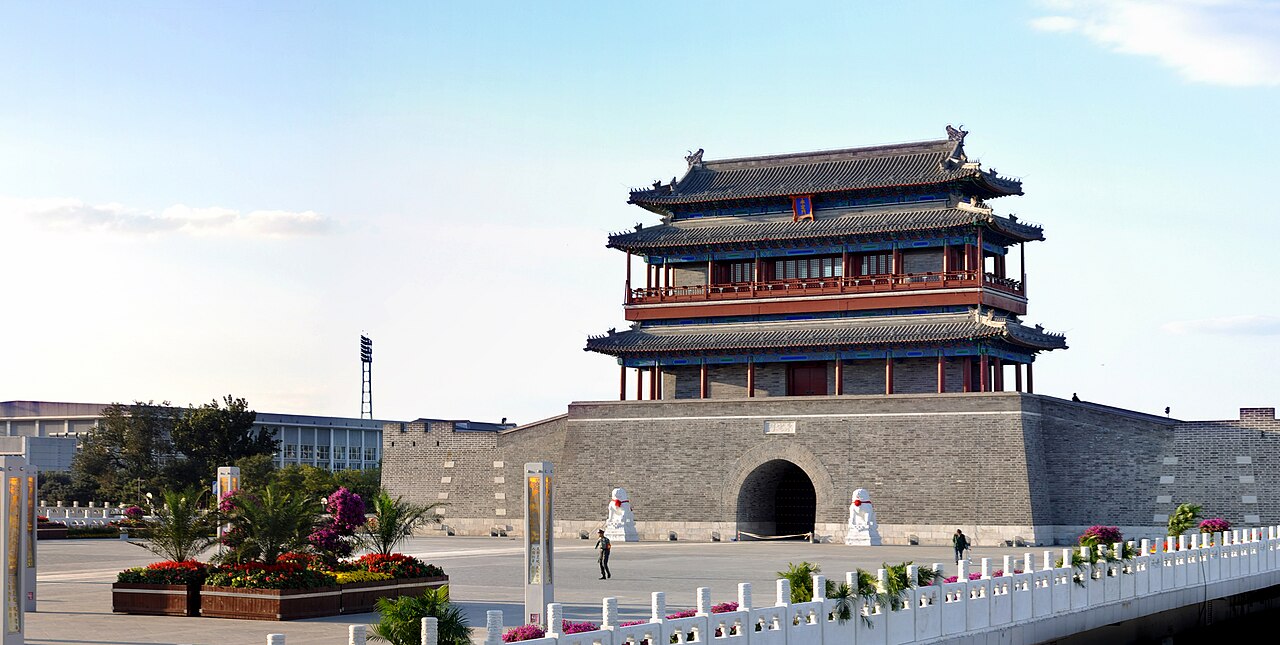
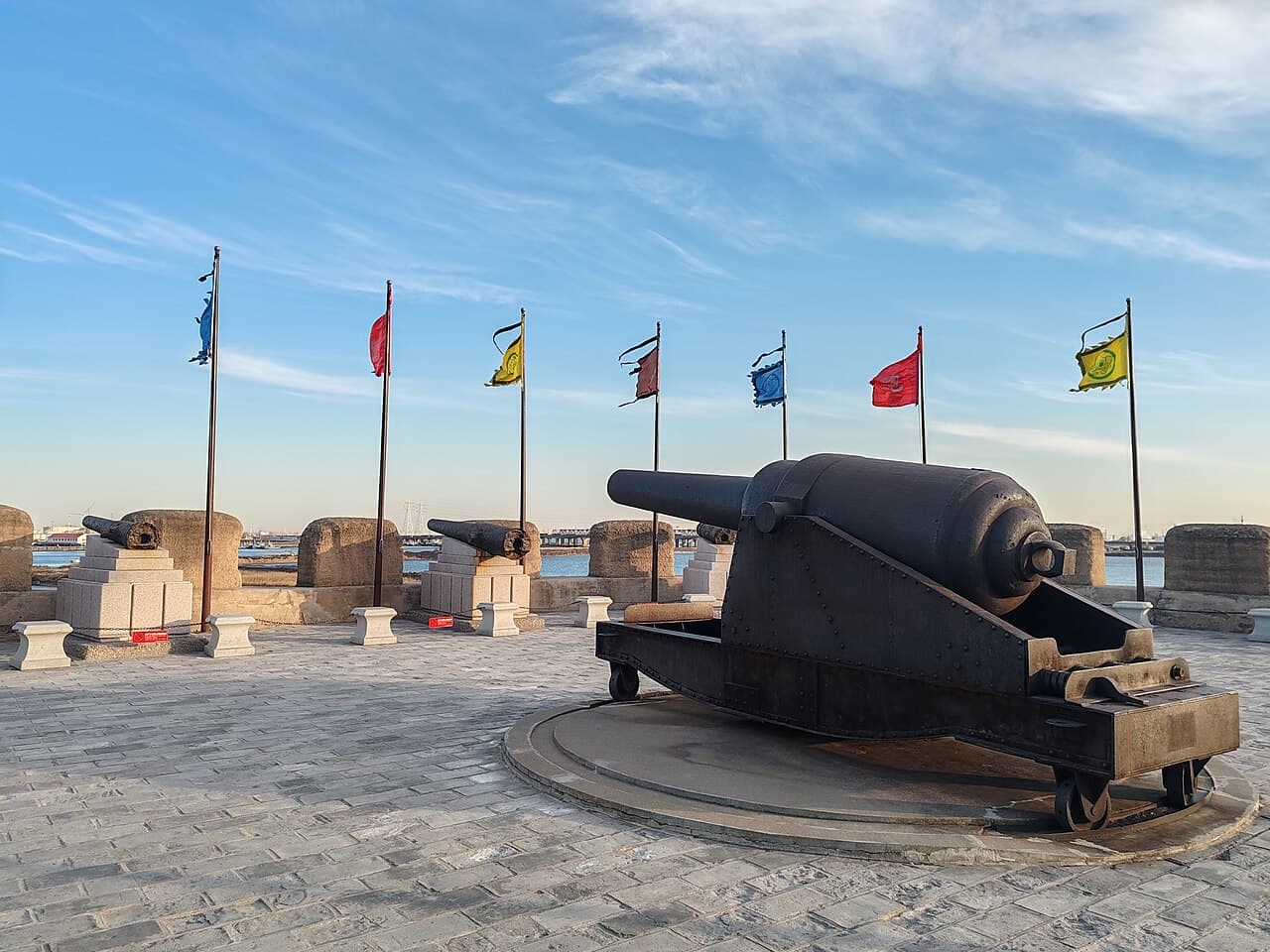
The bastions are designed to allow overlapping fields of fire, enabling defenders to cover adjacent walls and approaches effectively. The walls are constructed from robust materials, including brick and stone, capable of withstanding cannon fire. The forts include gun platforms and casemates for housing artillery pieces, as well as fortified gates and watchtowers for surveillance and control.
Historical significance and military engagements
The Taku Forts have been central to several key military conflicts in Chinese history, particularly during the 19th century. They were the site of intense battles during the Second Opium War (1856–1860), when Anglo-French forces attacked the forts to gain access to Beijing. The forts changed hands multiple times during this conflict, highlighting their strategic importance.
Later, the forts were involved in the Boxer Rebellion (1899–1901), serving as defensive positions against the Eight-Nation Alliance. Their fortifications were modernized in the late 19th century to accommodate more advanced artillery, reflecting the evolving nature of military technology and tactics.
Preservation and public access
Recognized for their historical and cultural value, the Dagukou Forts were designated as a National Priority Protected Site in 1988, as part of China's efforts to preserve its heritage. The site was opened to the public in 1997, allowing visitors to explore the extensive fortifications and learn about their role in Chinese military history.
Today, the Taku Forts stand as a well-preserved example of coastal military architecture, offering insights into 16th-century fortification techniques and the complex history of China's interactions with foreign powers. The site includes interpretive displays and guided tours, making it an important destination for those interested in military history, architecture, and Chinese heritage.
Frequently asked questions (FAQ)
- How do I get to the Taku Forts from Tianjin city center?
- The Taku Forts are located about 60 kilometers southeast of Tianjin's urban center. Visitors can reach the site by car or local bus services that connect Tianjin with the Binhai New Area. It is advisable to check current transportation schedules in advance.
- What is the historical importance of the Taku Forts?
- The Taku Forts played a crucial role in protecting the Hai River estuary and served as a key defensive point during conflicts such as the Second Opium War and the Boxer Rebellion. Their strategic location made them vital for controlling access to northern China.
- Are the Taku Forts accessible to visitors year-round?
- Yes, the forts are open to the public daily from 9:00 to 17:00. However, it is recommended to visit during the spring and autumn months for more comfortable weather conditions.
- What architectural features are notable at the Taku Forts?
- The forts exhibit bastioned fortress design with angled bastions, thick stone walls, artillery batteries, moats, and fortified gates. These features reflect a blend of traditional Chinese and European military engineering.
- Is there an entrance fee to visit the Taku Forts?
- Yes, the entrance fee is ¥30 for adults and ¥15 for children. Discounts may be available for groups or seniors, so it is advisable to check current pricing before visiting.

Information
Opening hours
9:00-17:00, daily
Ticket prices
¥30 adult, ¥15 child
Current owner
State museum
Loading map...
Visitor reviews
No reviews yet. Been here? Write the first review and help other travelers!
Write the first reviewVisited this castle? Share your experience
Your review helps other travelers and adds first-hand knowledge to our encyclopedia.