St. Lawrence Fortress - Dubrovnik
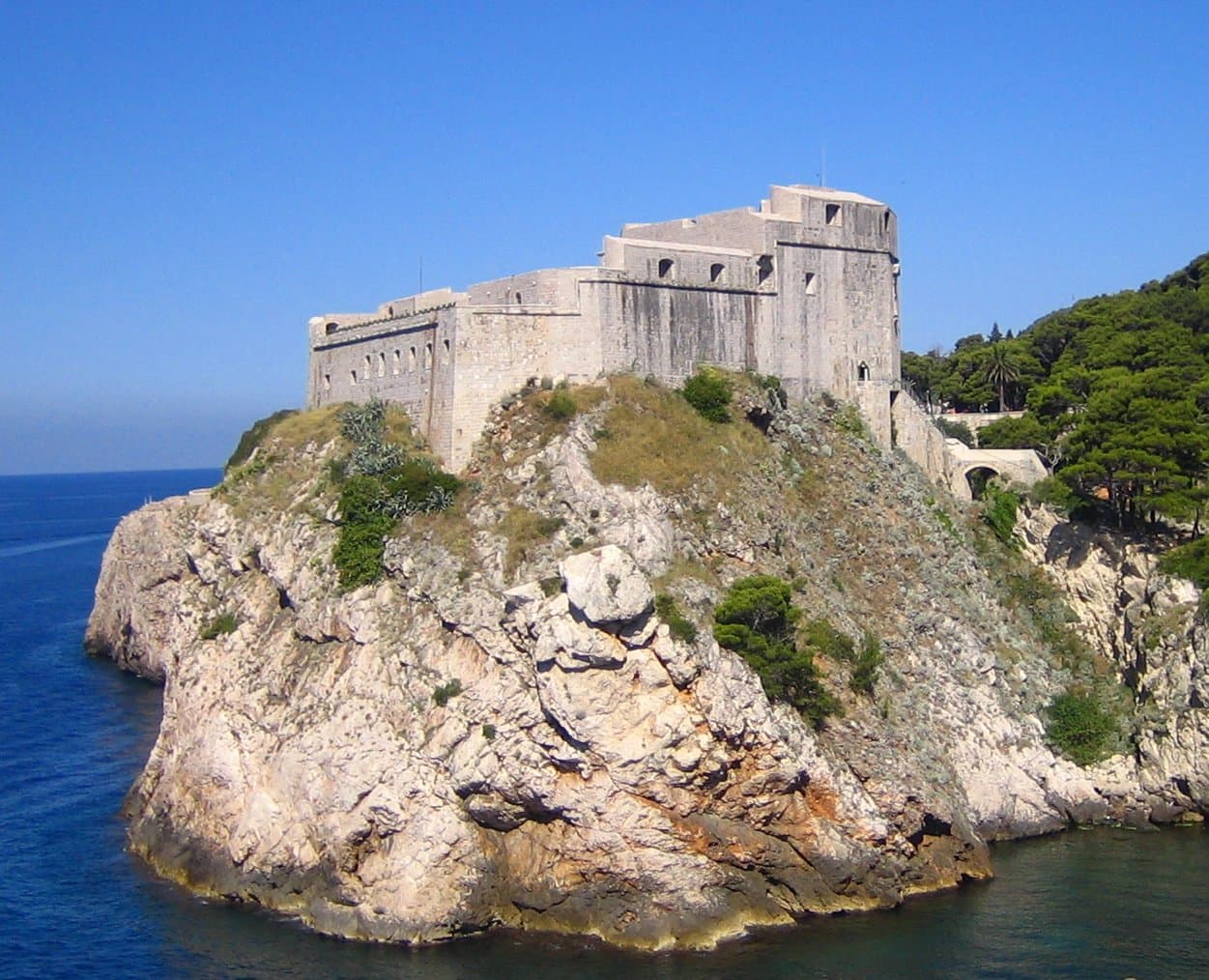
St. Lawrence Fortress, also known as Fort Lovrijenac, is a striking medieval fortress located on a 37-meter-high cliff on the western side of Dubrovnik's Old Town, Croatia. Often referred to as "Dubrovnik's Gibraltar," this fortress commands a strategic position overlooking the Adriatic Sea and the city's land approaches. Its imposing presence has been a symbol of Dubrovnik's resilience and freedom for centuries.
Historical significance and origins
The fortress's origins trace back to the 11th century, during the high medieval period, when the Republic of Dubrovnik (then known as Ragusa) faced threats from the powerful Venetian Republic. According to the Chronicles of Ragusa, the Venetians attempted to establish control by building a fortification on this very site. However, the Dubrovnik citizens preemptively constructed Fort Lovrijenac themselves within just three months, thwarting Venetian ambitions to dominate the city.
This rapid construction demonstrated the city's determination to maintain its independence. The fortress was continually rebuilt and reinforced over the centuries to adapt to evolving military technologies and threats.
Architectural features and design
Triangular layout and defensive strategy
Fort Lovrijenac is notable for its distinctive triangular shape with three terraces or levels. The fortress was designed to maximize defense capabilities, with the walls facing the sea built up to an impressive 12 meters thick. This formidable thickness was intended to withstand naval artillery attacks and protect the city from seaborne invasions.
In contrast, the walls on the eastern side, which face the city of Dubrovnik itself, are only about 60 centimeters thick. This deliberate architectural choice was made so that if the fortress were ever captured by enemies, it could be easily destroyed from the city walls and nearby Fort Bokar, preventing its use against Dubrovnik.
Entrances, inscriptions, and artillery
The fortress is accessed via two drawbridges, enhancing its defensibility by controlling entry points. Above the main gate, visitors can see the famous inscription carved in stone: "Non Bene Pro Toto Libertas Venditur Auro", which translates to "Freedom cannot be sold for all the gold of the world". This motto encapsulates the spirit of Dubrovnik's fight for liberty.
Historically, Fort Lovrijenac was armed with up to 10 large cannons, the most renowned being one called the "Lizard." These artillery pieces played a crucial role in defending the city against naval and land attacks.
Role in Dubrovnik's defense system
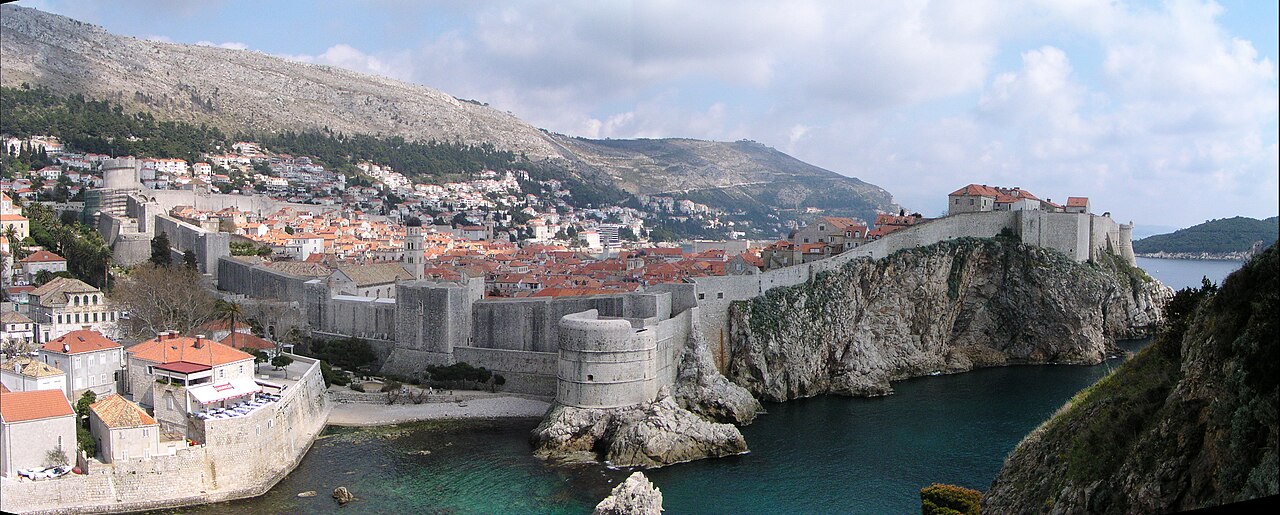
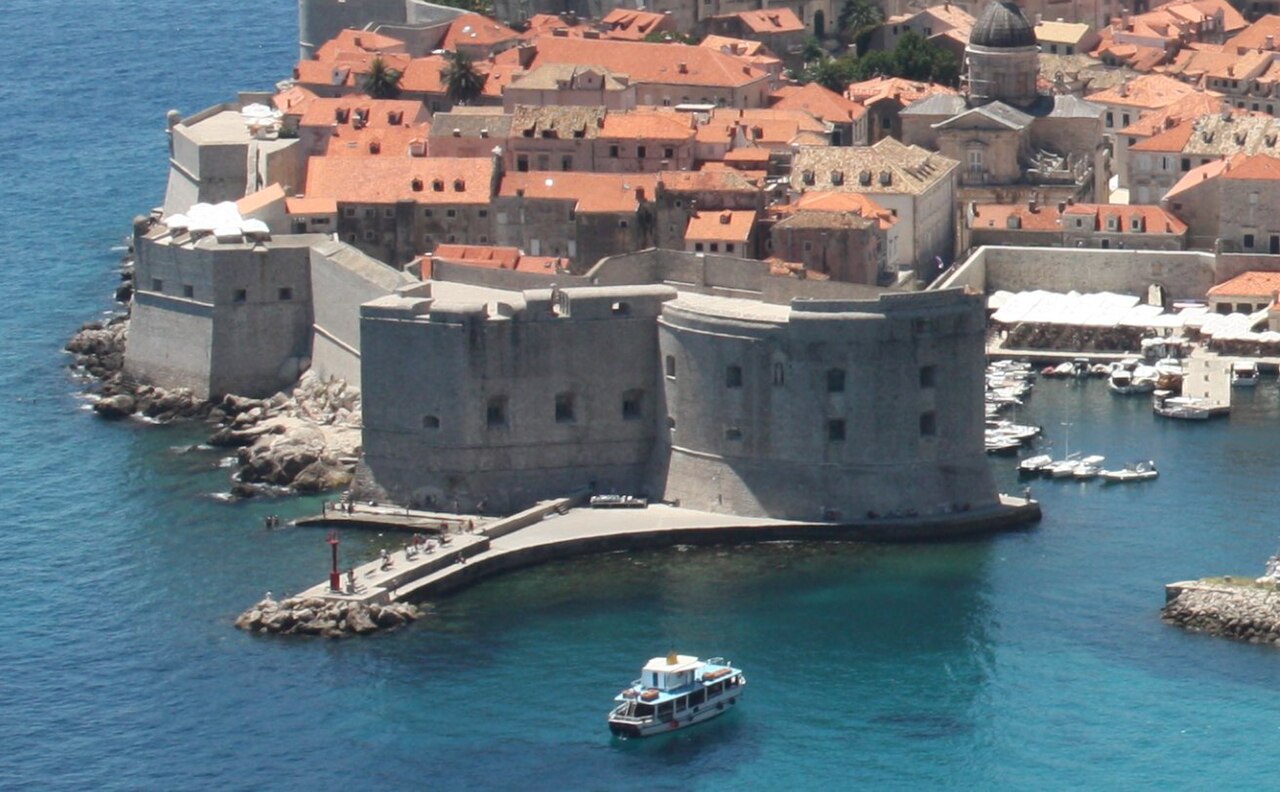
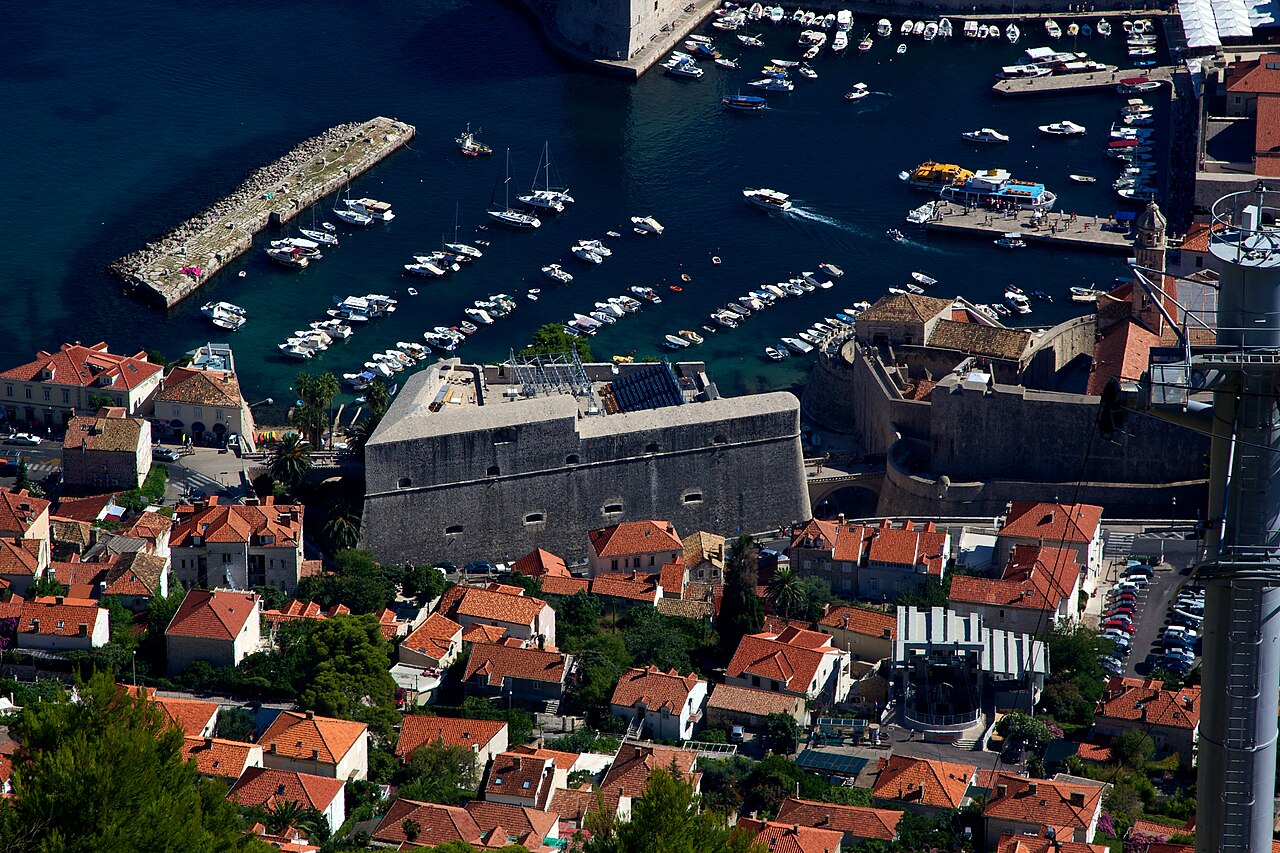
Fort Lovrijenac was a key component of Dubrovnik’s extensive fortification system, which included the famous city walls and other bastions such as Fort Bokar and the Minčeta Tower. Situated outside the western city walls, Lovrijenac oversaw the two main entrances to Dubrovnik: the sea approach and the landward route.
The fortress's strategic position allowed defenders to control and repel invading forces, particularly from the Venetian Republic, which sought to dominate the Adriatic coast. Its thick sea-facing walls and elevated position made it nearly impregnable from naval assault, while its thinner city-facing walls ensured it could be neutralized if captured.
Fort Bokar and its architectural significance
Fort Bokar, located near Fort Lovrijenac, is often celebrated as one of the most harmonious and functional examples of fortification architecture in Europe. Built between 1461 and 1463 by the architect Michelozzo, it is a two-story casemate fortress designed to defend the Pila Gate, the western entrance to Dubrovnik. Its cylindrical form protrudes from the city walls, providing a critical vantage point.
Fort Bokar is considered the oldest casemated fortress in Europe and houses a small lapidary collection and numerous cannons, adding to the historical richness of Dubrovnik's defenses.
Fort Lovrijenac as a cultural venue
Beyond its military function, Fort Lovrijenac has gained fame as a cultural landmark, particularly as a venue for theatrical performances. Since the 20th century, it has hosted plays during the renowned Dubrovnik Summer Festival, with Shakespeare's Hamlet becoming a symbolic production performed on its terraces.
The fortress's dramatic setting, overlooking the sea and the city, provides a unique atmosphere that blends historical grandeur with artistic expression, attracting visitors worldwide.
Preservation and current status
Today, Fort Lovrijenac is well preserved and remains a prominent tourist attraction in Dubrovnik. Its robust structure and commanding location continue to evoke the city's medieval past and its enduring spirit of freedom.
Visitors can explore the fortress's terraces, admire the massive walls, and appreciate the panoramic views of the Adriatic Sea and Dubrovnik's Old Town. The site is accessible via the city walls and is often included in guided tours highlighting Dubrovnik's rich fortification heritage.
Frequently asked questions (FAQ)
- What is the historical significance of St. Lawrence Fortress?
- St. Lawrence Fortress, also known as Fort Lawrence, is a 16th-century fortress located in Dubrovnik, Croatia. It played a crucial role in the city's defense against invasions and served as a military stronghold, showcasing the strategic importance of Dubrovnik during the Republic era.
- When was St. Lawrence Fortress built?
- Construction of St. Lawrence Fortress began in 1537 and was completed in 1580. The fortress was designed by architect Petar Ravelic and was part of a series of fortifications built to protect the city from potential naval attacks.
- Can I visit St. Lawrence Fortress?
- Yes, St. Lawrence Fortress is open to visitors, offering a unique opportunity to explore its historical architecture and stunning views of Dubrovnik and the Adriatic Sea. Guided tours are available, providing insightful information about the fortress's history and significance.
- What are the opening hours for St. Lawrence Fortress?
- St. Lawrence Fortress typically opens at 9:00 AM and closes at 8:00 PM during the summer months. However, opening hours may vary in the off-season, so it's advisable to check the official website for the most current information before planning your visit.
- Is it possible to access St. Lawrence Fortress for those with mobility issues?
- The fortress has some accessibility challenges due to its historical structure and terrain. While there are paths to the entrance, visitors with mobility issues may find it difficult to navigate the steep stairs and uneven surfaces inside the fortress.
- What is the best time to visit St. Lawrence Fortress?
- The best time to visit St. Lawrence Fortress is during the spring and early fall when the weather is pleasant, and the crowds are smaller. Visiting during these seasons allows for a more enjoyable experience while exploring the fortress and its surroundings.
- Are there any nearby attractions to visit after touring St. Lawrence Fortress?
- Yes, after visiting St. Lawrence Fortress, you can explore nearby attractions such as the Old Town of Dubrovnik, the picturesque beaches, and the beautiful city walls. These sites provide additional insights into Dubrovnik's rich history and stunning architecture.
- What are the ticket prices for St. Lawrence Fortress?
- Ticket prices for St. Lawrence Fortress are generally affordable, with discounts available for students and seniors. It is advisable to purchase tickets online in advance during peak tourist seasons to avoid long queues and ensure availability.
Photo gallery

Photo by Pufacz•Public domain
Information
Featured in
Articles on the Castlopedia blog that feature St. Lawrence Fortress - Dubrovnik.
Loading map...
Visitor reviews
No reviews yet. Been here? Write the first review and help other travelers!
Write the first reviewVisited this castle? Share your experience
Your review helps other travelers and adds first-hand knowledge to our encyclopedia.