Walls of Dubrovnik
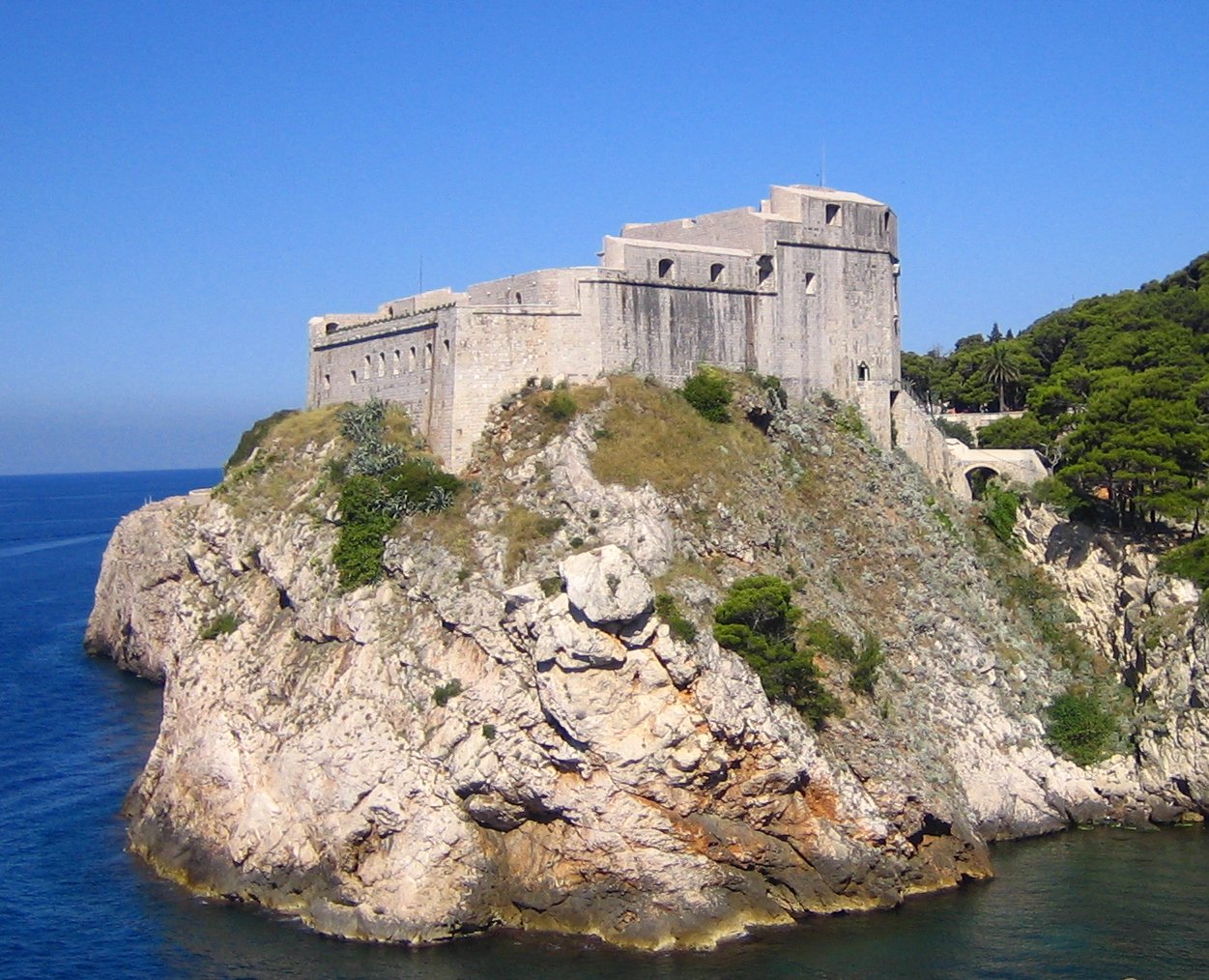
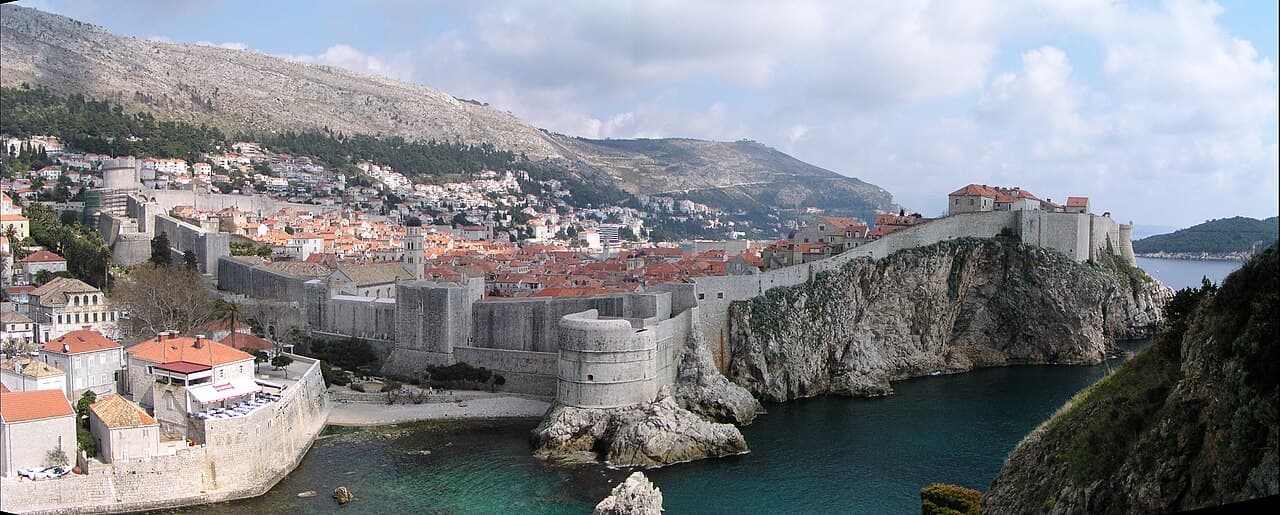
The Walls of Dubrovnik (Croatian: Dubrovačke gradske zidine) represent one of the most remarkable examples of medieval and Renaissance fortification architecture in Europe. Enveloping the ancient city of Dubrovnik in southern Croatia, these defensive stone walls were primarily constructed from the 13th to the 17th centuries to protect the city-state known historically as Ragusa. Stretching approximately 1,940 metres (6,360 ft) in length, the walls rise to a maximum height of about 25 metres (82 ft), creating an imposing barrier that has withstood centuries of military threats and environmental challenges.
Historical background and strategic importance
The origins of Dubrovnik's fortifications trace back to the early medieval period when refugees from destroyed settlements such as Epidaurus sought refuge in this coastal area. This influx led to the establishment of a fortified settlement that gradually evolved into the prosperous maritime republic of Ragusa. The initial ramparts, including those on mountain slopes surrounding the city, were mandated by a set of statutes issued in 1272, reflecting the city's early emphasis on defense.
As Dubrovnik grew as a trading and naval power, its walls were continuously expanded and reinforced to meet evolving military technologies and threats. The city's location on the Adriatic coast made it vulnerable to attacks from both land and sea, necessitating a complex system of fortifications including bastions, towers, moats, and angular fortifications.
Architectural features and defensive structures
Towers and bastions
The walls are fortified by a series of three circular and fourteen quadrangular towers, which provided vantage points for surveillance and platforms for archers and artillery. The inclusion of five bastions (bulwarks) and two angular fortifications enhanced the city's defensive capabilities by allowing defenders to cover blind spots and create overlapping fields of fire.
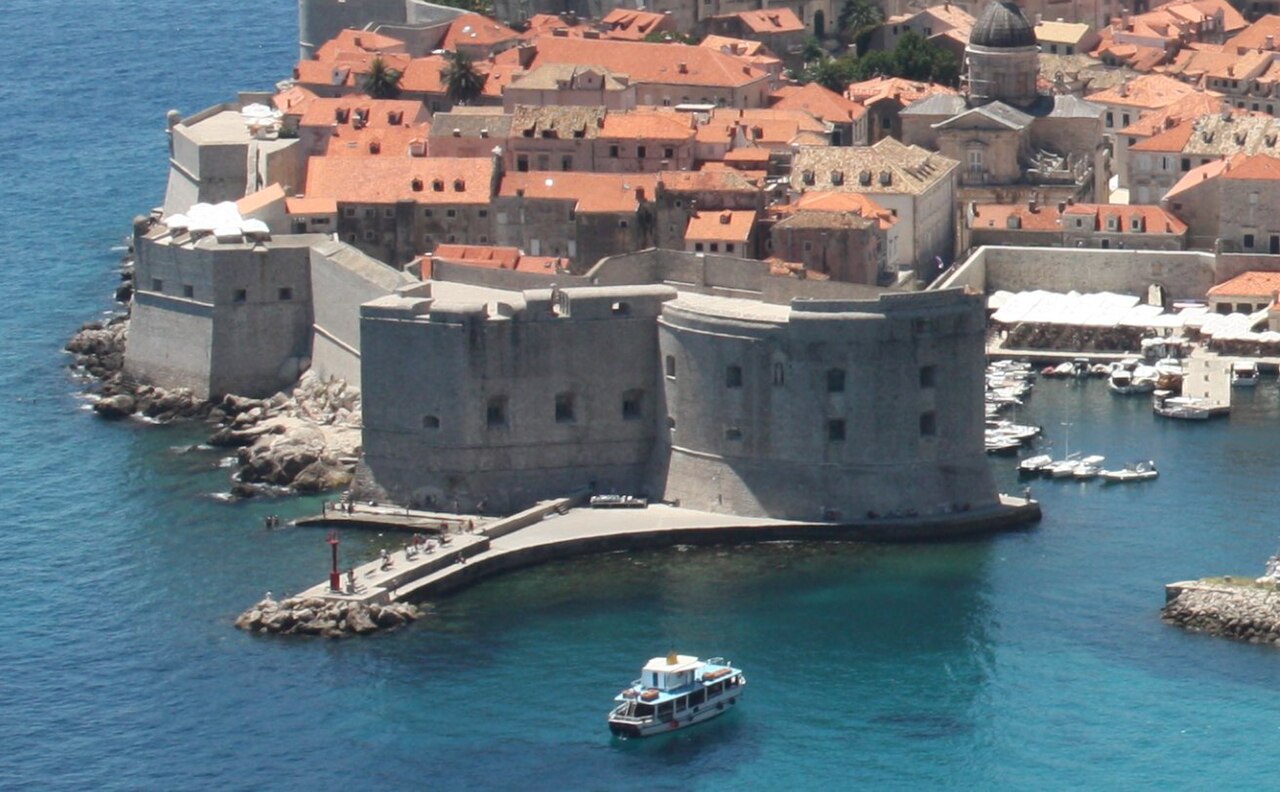
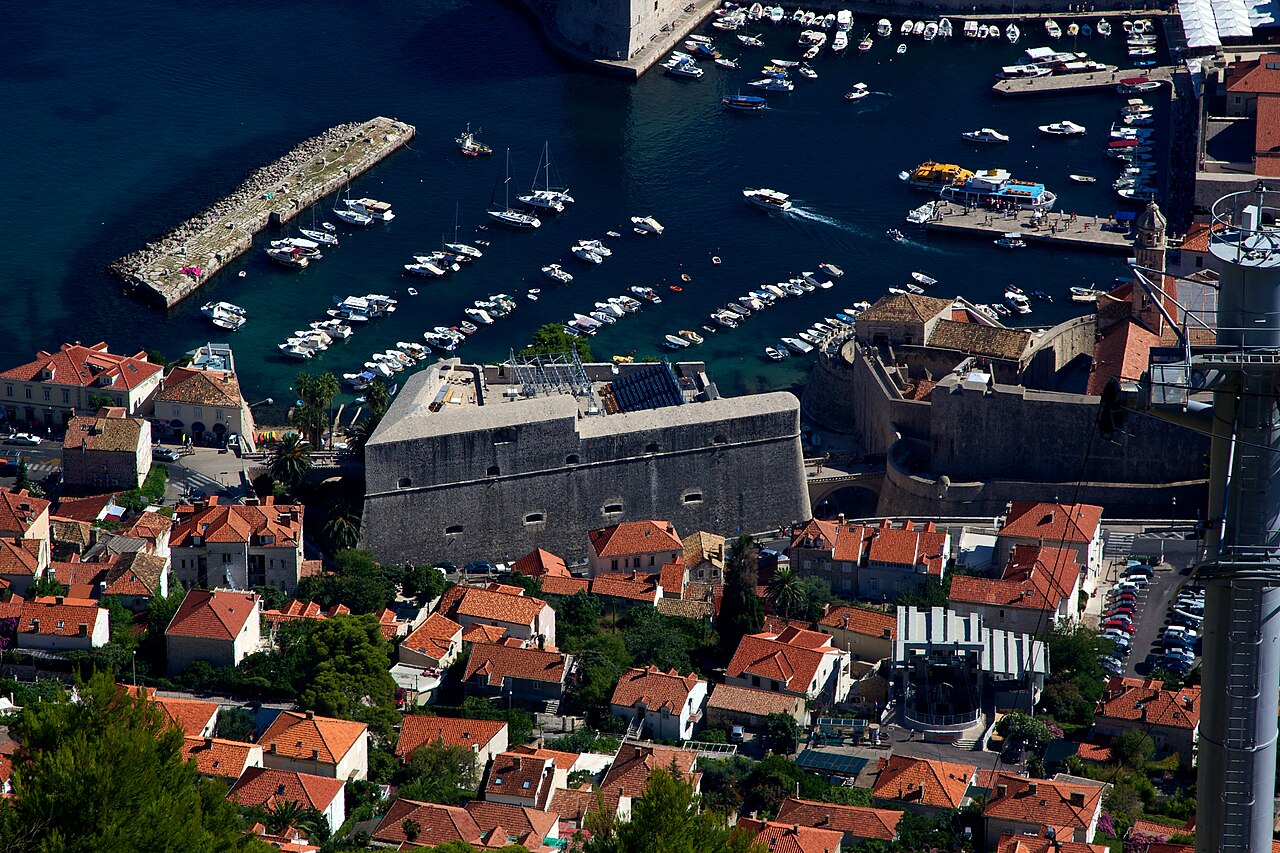
Notably, the St. John's Fortress stands as a large and strategically significant stronghold guarding the harbor entrance. On the landward side, the fortifications include one larger bastion and nine smaller semicircular bastions, such as the casemate Fort Bokar, which is recognized as the oldest preserved fort of its kind in Europe. These casemates were designed to house cannons and protect them from enemy fire while allowing defenders to repel attackers effectively.
Moats and artillery
Surrounding the outer perimeter of the walls is a moat that served as an additional obstacle to invading forces. The walls were armed with more than 120 cannons, making Dubrovnik one of the best-defended cities of its time. The integration of artillery into the walls' design reflects the adaptation to gunpowder warfare during the Renaissance period.
Preservation and cultural significance
The Walls of Dubrovnik are exceptionally well-preserved, allowing visitors to experience the scale and complexity of historic fortifications firsthand. In recognition of their outstanding cultural and historical value, the old city of Dubrovnik, including its walls, was inscribed on the UNESCO World Heritage List in 1979.
Today, the walls are a major tourist attraction, drawing over 1.2 million visitors in 2019 alone. Tourists can walk along significant stretches of the walls, gaining panoramic views of the Adriatic Sea and the city's distinctive red-tiled roofs. The fortifications not only symbolize Dubrovnik's resilience and independence but also serve as a testament to the ingenuity of medieval and Renaissance military architecture.
Notable events and historical resilience
Throughout history, the walls have protected Dubrovnik from numerous sieges and attacks, including threats from the Ottoman Empire and Venetian forces. Their robust design and strategic placement allowed the city to maintain its autonomy and economic prosperity for centuries.
Despite damage sustained during the 1991–1992 Siege of Dubrovnik in the Croatian War of Independence, extensive restoration efforts have returned the walls to their former strength and appearance, preserving their historical integrity for future generations.
Visitor experience and accessibility
Visitors to Dubrovnik can explore the walls via a designated walking path that covers much of the circuit. The path includes access to several towers and fortresses, with interpretive signage explaining the historical and architectural significance of various sections.
The walls are accessible year-round, though the best time to visit is during the spring and autumn months when the weather is mild and crowds are smaller. Entrance fees apply to access the walls, contributing to their maintenance and preservation.
Frequently asked questions (FAQ)
- How do I access the walls of Dubrovnik?
- The walls can be accessed via several entrance points around the old city of Dubrovnik. Visitors purchase tickets at designated gates, which allow walking tours along the ramparts.
- What is the best time to visit the walls of Dubrovnik?
- The best time to visit is during the spring and autumn months when the weather is pleasant and tourist crowds are smaller, providing a more enjoyable experience.
- Are the walls of Dubrovnik wheelchair accessible?
- Due to the historic nature and uneven surfaces of the walls, full wheelchair accessibility is limited. Some sections may be challenging for visitors with mobility impairments.
- When were the walls of Dubrovnik built?
- Construction of the city walls began in the 13th century and continued through the 17th century, reflecting the city's evolving defensive needs over several centuries.
- Can I visit the towers and fortresses along the walls?
- Yes, several towers and fortresses along the walls are open to visitors, offering insights into their military functions and panoramic views of Dubrovnik and the Adriatic Sea.

Information
Opening hours
Year-round, typically 9:00-19:00
Ticket prices
€30 adult, €15 child
Current owner
City of Dubrovnik
Loading map...
Visitor reviews
No reviews yet. Been here? Write the first review and help other travelers!
Write the first reviewVisited this castle? Share your experience
Your review helps other travelers and adds first-hand knowledge to our encyclopedia.