St. John Fortress
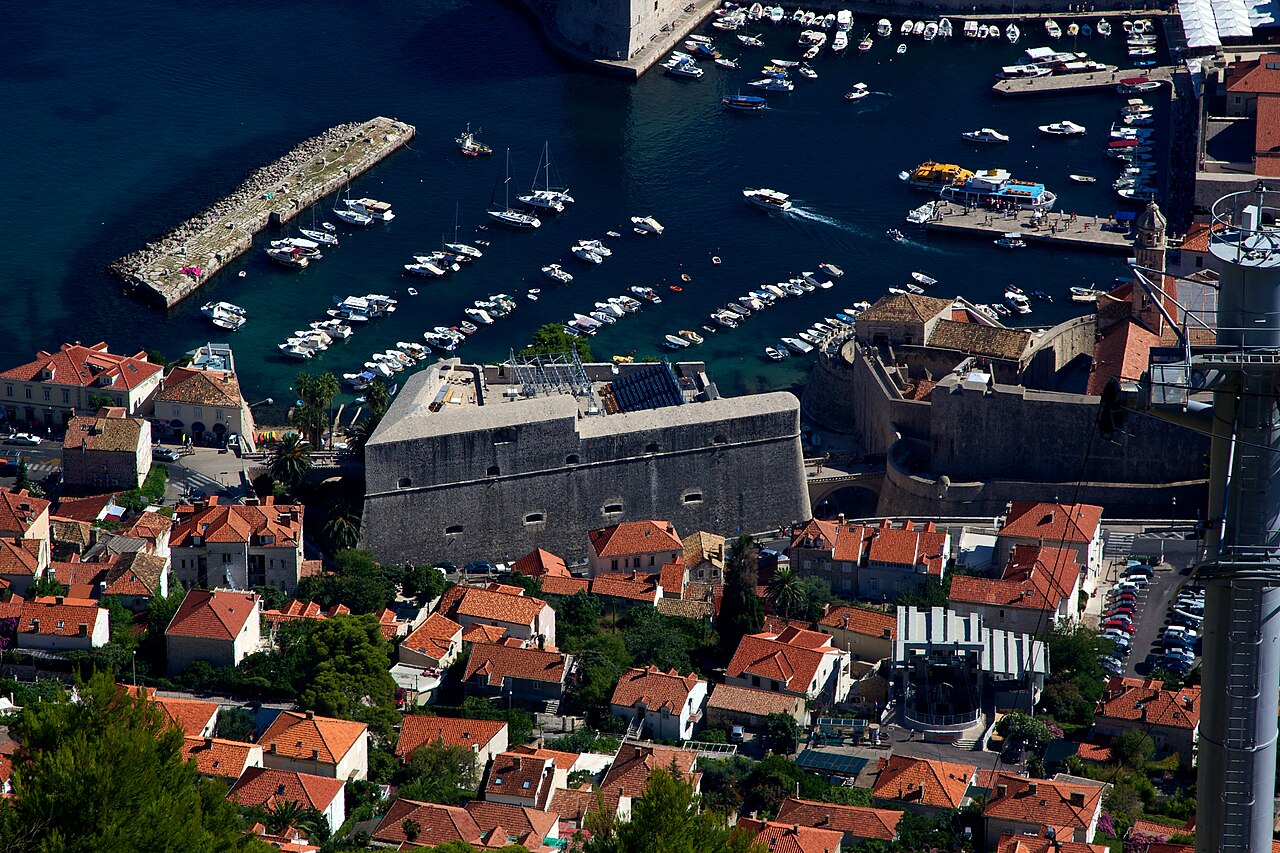
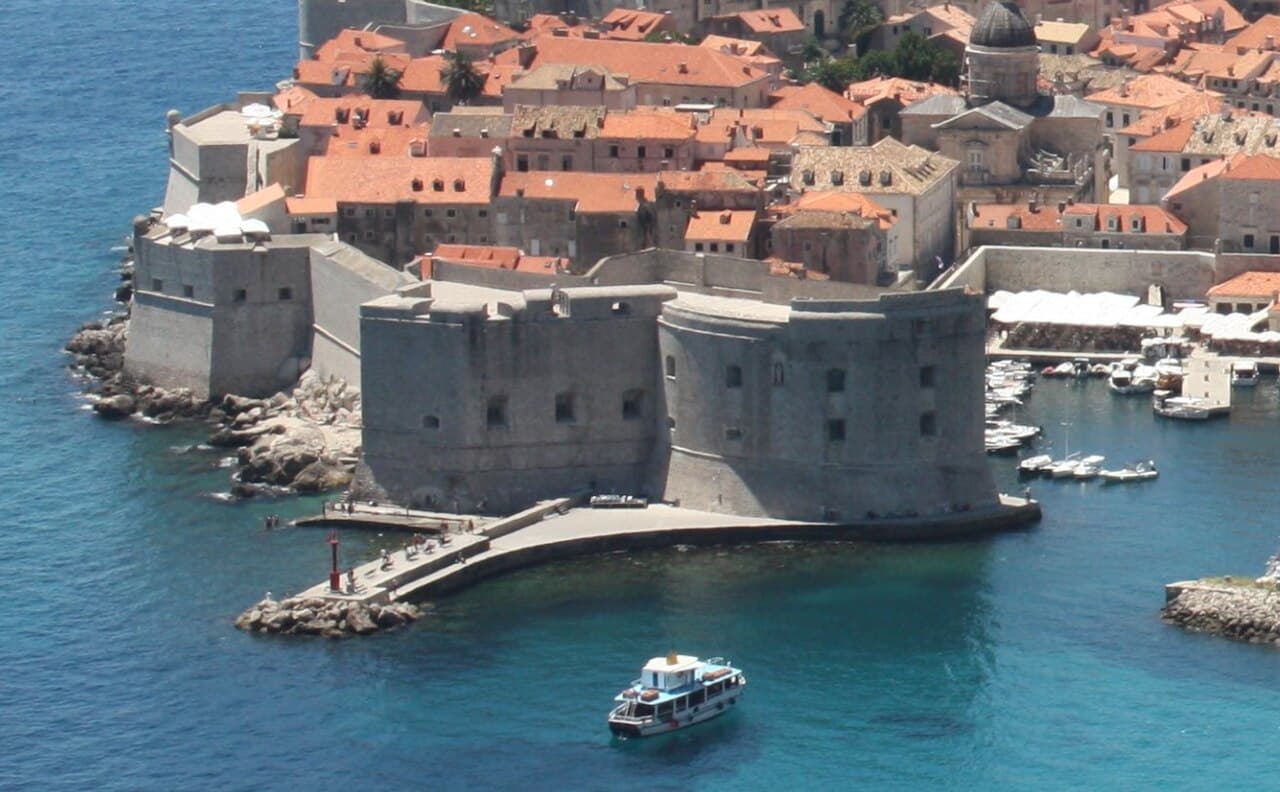
The St. John Fortress stands prominently on the southeastern side of the old city port of Dubrovnik, Croatia, serving as a vital defensive structure that controlled and protected the entrance to the port. Constructed initially in the mid-14th century, this fortress was a key element in the city's maritime defense system, designed to prevent enemy ships and pirates from gaining access to the harbor. Over the centuries, the fortress underwent significant modifications, especially during the 15th and 16th centuries, reflecting advancements in military architecture and the evolving threats faced by the city-state.
Historical development and strategic importance
The original fortification was built in response to the increasing threats from seaborne attacks during the late medieval period. Dubrovnik, then known as the Republic of Ragusa, was a thriving maritime republic whose wealth depended heavily on safe and secure access to its port. The St. John Fortress was strategically positioned to oversee and command the entrance to the old harbor, providing a formidable barrier against invaders.
Throughout the 15th and 16th centuries, the fortress was extensively upgraded to incorporate bastioned fortifications, a style that emerged as a response to the introduction of gunpowder artillery. These bastions allowed defenders to cover all approaches with cannon fire, creating overlapping fields of defense that were difficult for attackers to breach.
The fortress's role was not only military but also symbolic. It embodied the city's resilience and vigilance, especially in the face of threats from pirates and rival powers. The inhabitants of Dubrovnik were known for their careful defense measures, including the use of heavy chains stretched between the St. John Fortress and the Kase jetty to block the port entrance during times of danger. Additionally, all port entries to the Great Arsenal were walled up as an extra precaution.
Architectural features and modifications
The St. John Fortress is a classic example of a bastioned fortress, characterized by thick stone walls and angular bastions designed to deflect cannonballs and provide defensive firing positions. Its location on a rocky promontory allowed it to dominate the seaward approach to the city.
One of the key visual records of the fortress's appearance and importance is a triptych painted by Nikola Božidarević located in the nearby Dominican monastery. This artwork depicts Saint Blaise, the patron saint of Dubrovnik, symbolizing the city's spiritual protection alongside its physical defenses.
The fortress's layout includes multiple levels, with the ground floor now housing an aquarium featuring fish species from various parts of the Adriatic Sea. The upper floors contain an ethnographic and maritime museum that documents the Republic's maritime history, including the Age of Steam, the Second World War, and exhibits on sailing and navigation techniques.
Role in Dubrovnik's maritime defense system
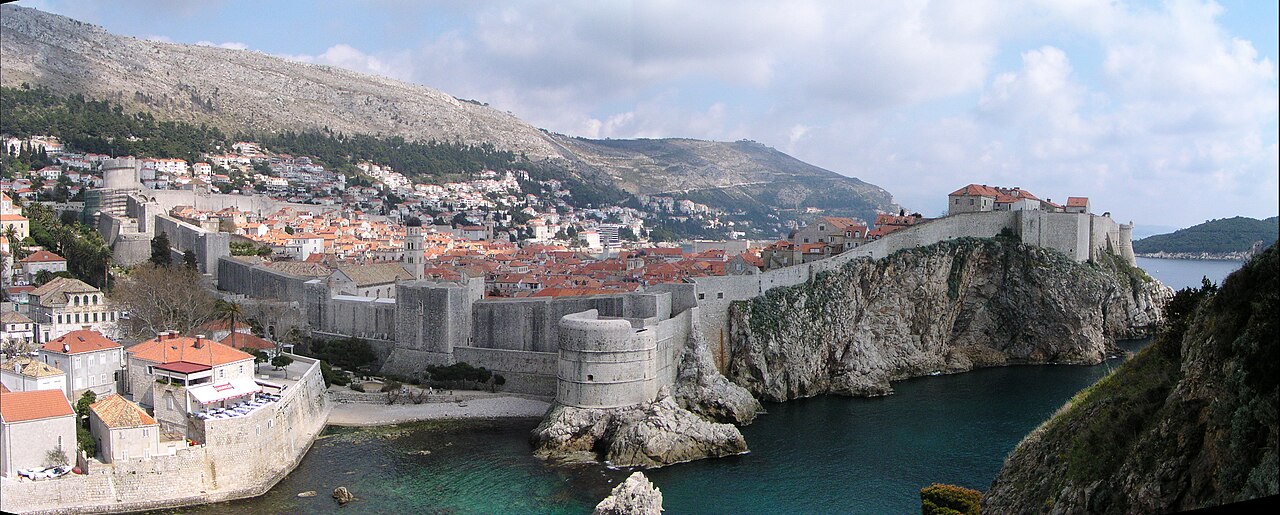
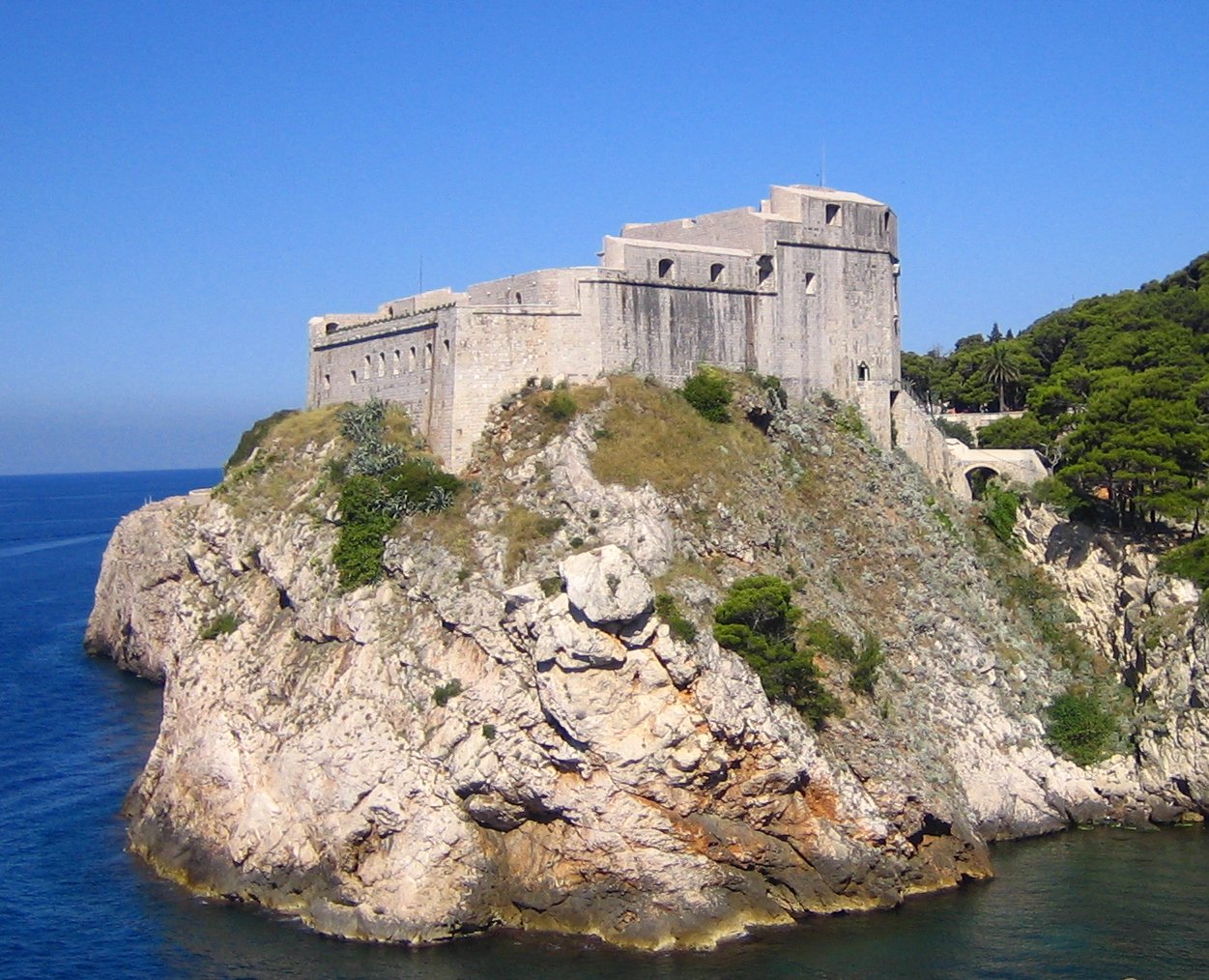
As part of the comprehensive fortifications of Dubrovnik, the St. John Fortress worked in concert with other defensive structures such as the city walls, the Lovrijenac Fortress, and the Minčeta Tower. Together, they formed a network that secured the city from both land and sea attacks.
The fortress's ability to close the port entrance with heavy chains was a practical and effective defense strategy, preventing hostile ships from entering even if they managed to evade initial cannon fire. This method demonstrated the ingenuity of Dubrovnik's defenders in adapting to the challenges of naval warfare in the late medieval and early modern periods.
Current use and cultural significance
Today, the St. John Fortress remains one of Dubrovnik's most important historical landmarks. Its transformation into a cultural venue with an aquarium and museums allows visitors to engage with the city's rich maritime heritage. The ethnographic exhibits provide insights into the daily lives of Dubrovnik's inhabitants during the Republic period, while the maritime museum highlights the technological and navigational advancements that enabled the city to prosper.
The fortress's preservation as a well-preserved bastioned fortress offers a tangible connection to the late medieval period and the Republic of Ragusa's remarkable history. Its imposing presence continues to dominate the harbor, reminding visitors of the city's enduring legacy of defense and maritime prowess.
Frequently asked questions (FAQ)
- How do I visit St. John Fortress in Dubrovnik?
- St. John Fortress is located on the southeastern side of Dubrovnik's old city port and is accessible by foot from the city center. It is open to visitors daily during the tourist season, with specific opening hours available on the official Dubrovnik tourism website.
- What can I see inside St. John Fortress?
- Inside the fortress, visitors can explore an aquarium showcasing fish from the Adriatic Sea and museums dedicated to Dubrovnik's maritime history, including exhibits on the Republic Maritime Period, the Age of Steam, and World War II.
- When was St. John Fortress built and what is its architectural style?
- St. John Fortress was originally built in the 14th century and features bastioned fortress architecture typical of the late medieval period, designed to withstand artillery attacks.
- Why was St. John Fortress important for Dubrovnik?
- The fortress was crucial for protecting the entrance to Dubrovnik's old city port from pirates and enemy ships. It was part of a larger network of fortifications that secured the city from sea invasions.
- Is St. John Fortress wheelchair accessible?
- Due to its historic structure and location on a rocky promontory, accessibility is limited. Visitors with mobility issues should check in advance for available accommodations or guided tours that can assist.
Photo gallery

Information
Current owner
Municipality of Dubrovnik
Loading map...
Visitor reviews
No reviews yet. Been here? Write the first review and help other travelers!
Write the first reviewVisited this castle? Share your experience
Your review helps other travelers and adds first-hand knowledge to our encyclopedia.