Simatai
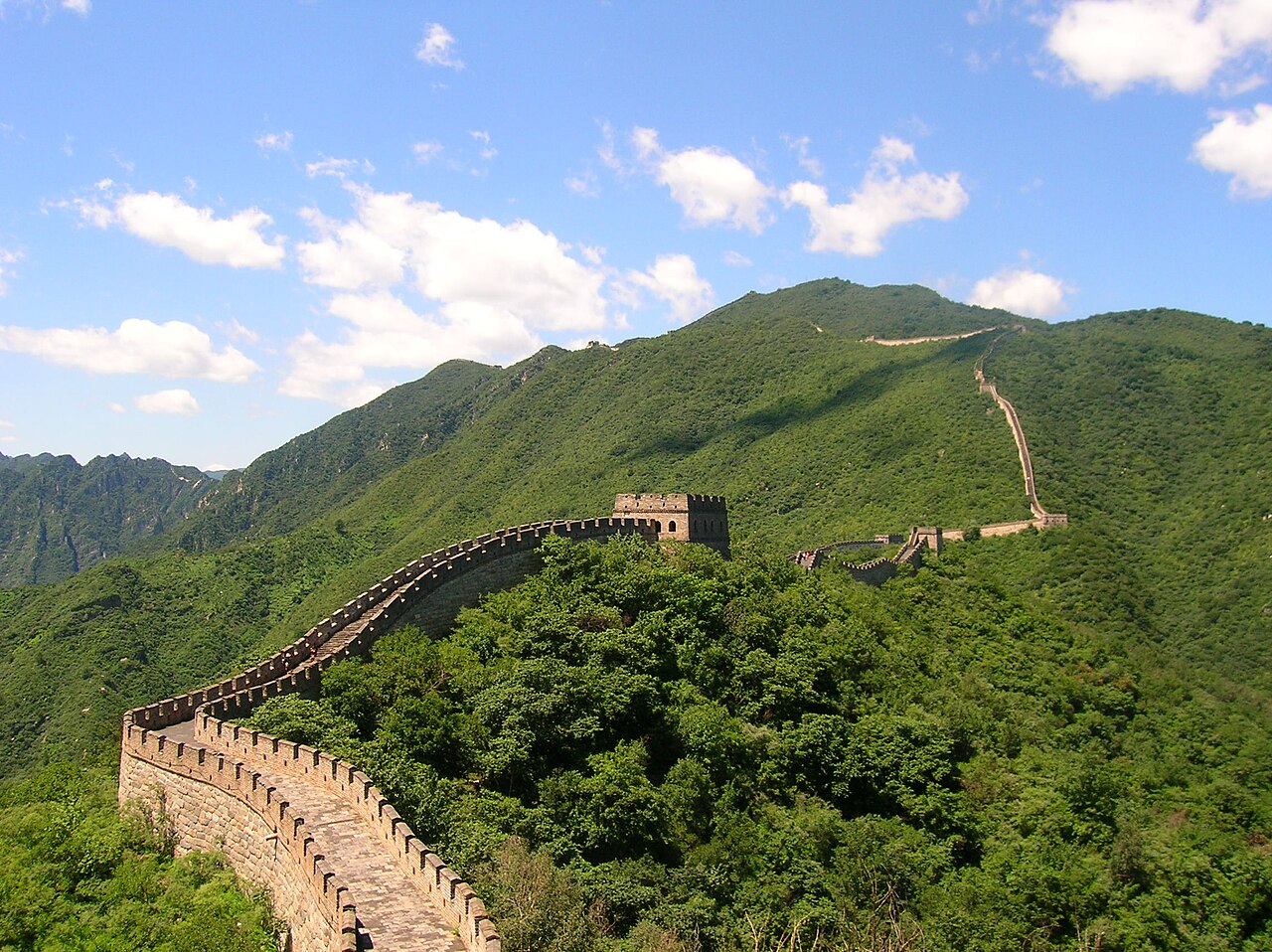
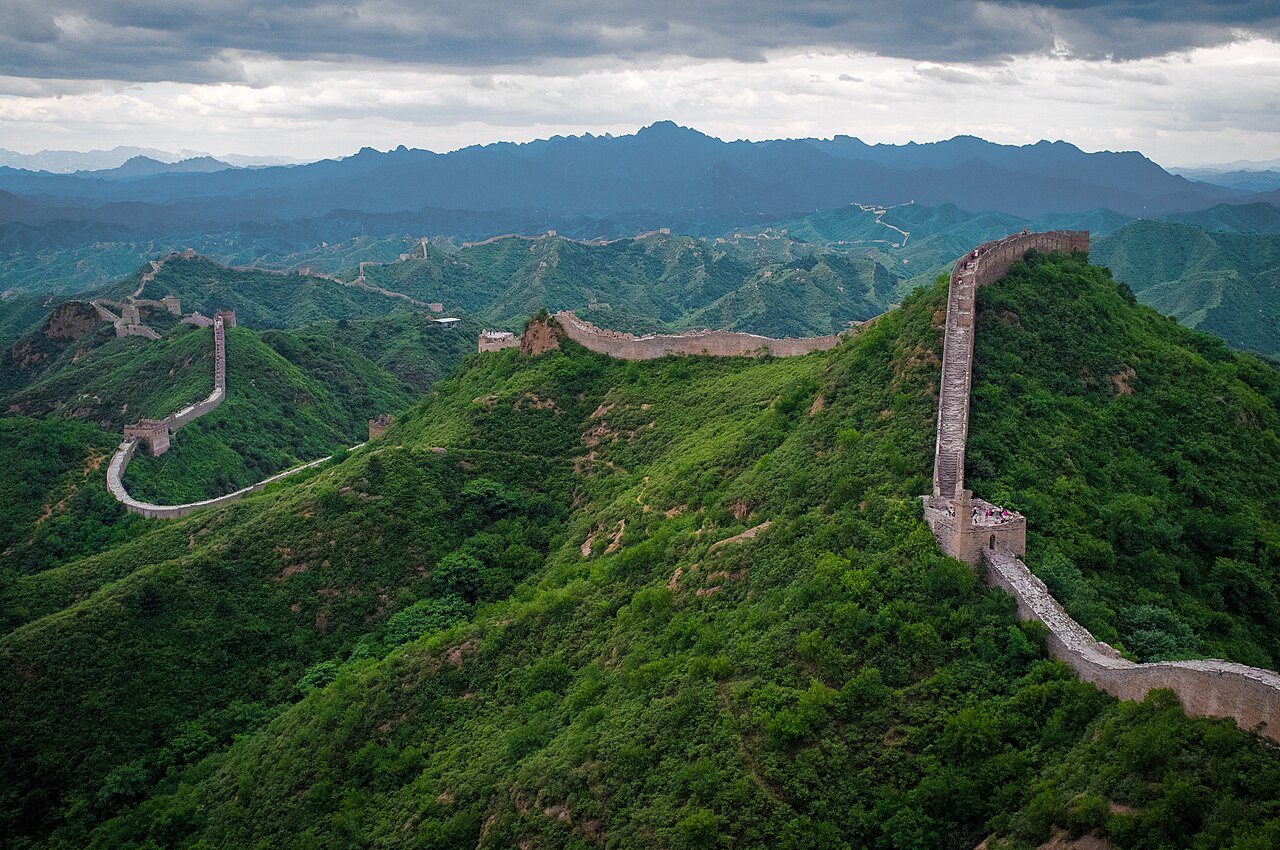
Simatai is a remarkable section of the Great Wall of China situated in the northern part of Miyun District, approximately 120 kilometers northeast of Beijing. This part of the wall is notable for its steep terrain and well-preserved ancient fortifications, offering a glimpse into the military architecture and defensive strategies employed during the wall's construction. Simatai serves as a crucial access point to Gubeikou, a historically strategic pass in the eastern sector of the Great Wall, which was vital for controlling movements through this mountainous region.
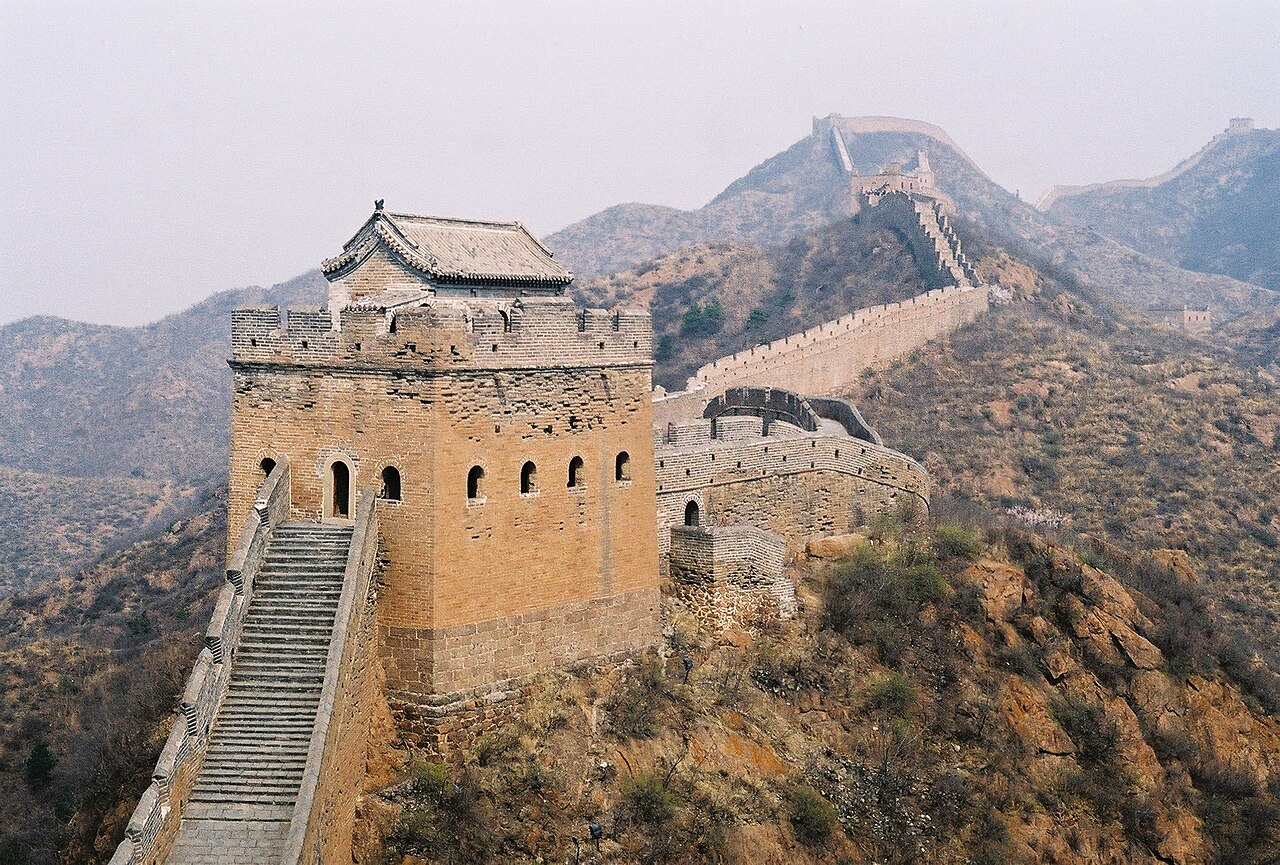
The origins of Simatai trace back to the Ming Dynasty period, primarily constructed in the 14th century, which aligns with the major phases of Great Wall reinforcement and expansion. Although some earlier fortifications existed, the current structures reflect Ming architectural and military engineering principles rather than the Early Medieval period. The wall at Simatai is distinguished by its unique architectural features, including tall watchtowers spaced at regular intervals, steep staircases that ascend sharply along the rugged landscape, and battlements designed for active defense.
Architectural features and defensive design
The Simatai section is renowned for its complex fortifications that combine both natural and man-made defensive advantages. The wall here snakes along steep cliffs and ridges, with some parts reaching inclines of up to 70 degrees, making it one of the most challenging sections to traverse. The watchtowers at Simatai are particularly notable for their height and design, allowing for extensive surveillance over the surrounding valleys and mountain passes.
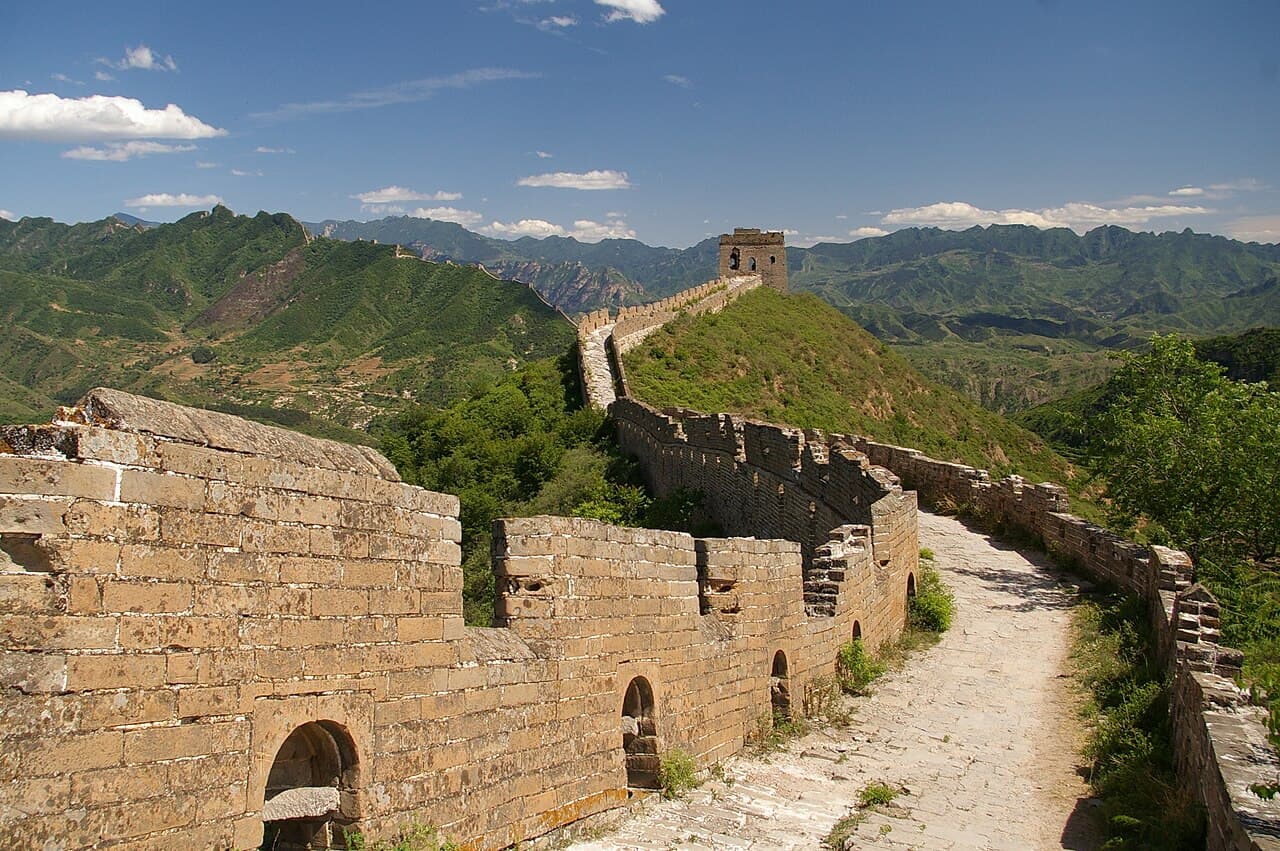
The wall is constructed primarily from large bricks and stones, with mortar binding them tightly to withstand the harsh weather conditions of the region. The battlements feature crenellations and arrow slits, enabling defenders to launch projectiles while remaining protected. Some towers also include signal fires used historically to communicate with other parts of the Great Wall network.
Historical significance and strategic role
Simatai's location near the Gubeikou pass made it a critical military stronghold throughout Chinese history. The pass served as a gateway for invasions and trade, so controlling Simatai meant controlling access through this corridor. During the Ming Dynasty, the wall was heavily fortified to defend against Mongol and other northern nomadic threats.
The area witnessed numerous military engagements and served as a lookout point for early warning systems. Its preservation allows historians and visitors to understand the military tactics and architectural ingenuity employed in one of the world's most extensive defensive structures.
Tourism and preservation efforts
Simatai was closed to tourists in June 2010 due to safety concerns arising from its steep and rugged terrain but was reopened in 2014 following restoration and improved safety measures. Today, it attracts visitors seeking a more authentic and challenging Great Wall experience compared to more accessible sections like Badaling.
Efforts have been made to preserve the original materials and construction techniques, maintaining the wall's historical integrity. Visitors can explore the watchtowers, ramparts, and steep stairways while enjoying panoramic views of the surrounding mountains and valleys.
Access and visitor information
The Simatai section is accessible from Beijing via road, often combined with visits to nearby attractions such as Gubeikou. Due to the steepness and uneven steps, it is recommended for visitors to be in good physical condition. Guided tours are available to provide historical context and ensure safety.
Opening hours and ticket prices vary seasonally, with the site generally open from morning until late afternoon. Visitors should check current conditions and regulations before planning their visit.
Frequently asked questions (FAQ)
- How do I get to Simatai Castle?
- Simatai Castle is located in the Miyun District of Beijing, about a two-hour drive from central Beijing. Visitors can take public buses from Beijing or hire a private taxi for convenience. Additionally, guided tours often include transportation to and from the site.
- What are the opening hours for Simatai Castle?
- Simatai Castle is typically open from 7:30 AM to 5:30 PM, with the last entry usually allowed by 4:00 PM. However, it's always advisable to check the official website or local listings for any seasonal changes in operating hours before your visit.
- When was Simatai Castle built?
- Simatai Castle was constructed during the Ming Dynasty, around the 16th century. It served as a strategic military fortification along the Great Wall of China, showcasing the architectural prowess of that era. The castle has since undergone restoration to preserve its historical significance.
- Can I hike to Simatai Castle?
- Yes, you can hike to Simatai Castle via well-marked trails that offer stunning views of the surrounding landscape. The hike can be challenging, so proper footwear and preparation are recommended. Guided hiking tours are also available for those who prefer a more structured experience.
- Why is Simatai Castle significant?
- Simatai Castle is significant due to its unique architecture and historical role as a military defense point on the Great Wall. Unlike other sections, Simatai retains its original features, providing a glimpse into the past. It's also recognized as a UNESCO World Heritage site, attracting history enthusiasts from around the globe.
- Is it possible to stay overnight near Simatai Castle?
- Yes, there are accommodations available near Simatai Castle, including guesthouses and hotels offering stunning views of the Great Wall. Staying overnight allows visitors to experience the castle during quieter hours and enjoy the beautiful night scenery. It's advisable to book in advance, especially during peak tourist seasons.
- What are the ticket prices for Simatai Castle?
- The ticket prices for Simatai Castle vary, with standard entry typically costing around 40 RMB for adults. Discounts may be available for students or seniors, so it's worth checking at the ticket counter. Prices can also fluctuate based on the season or special events, so planning ahead is recommended.
- What is the best time to visit Simatai Castle?
- The best time to visit Simatai Castle is during the spring (April to June) and autumn (September to November) when the weather is mild and the scenery is particularly beautiful. Visiting during these seasons allows for comfortable hiking and fewer crowds. Summer can be hot and crowded, while winter may bring snow, creating a picturesque yet challenging experience.
- Are there any nearby attractions to visit?
- Yes, nearby attractions include the Jinshanling section of the Great Wall, which is known for its stunning views and fewer crowds. The Miyun Reservoir is also close by, offering recreational activities like boating and fishing. Combining these visits with Simatai enhances the overall experience of exploring the region's rich history and natural beauty.
Photo gallery

Information
Loading map...
Visitor reviews
No reviews yet. Been here? Write the first review and help other travelers!
Write the first reviewVisited this castle? Share your experience
Your review helps other travelers and adds first-hand knowledge to our encyclopedia.