Mutianyu
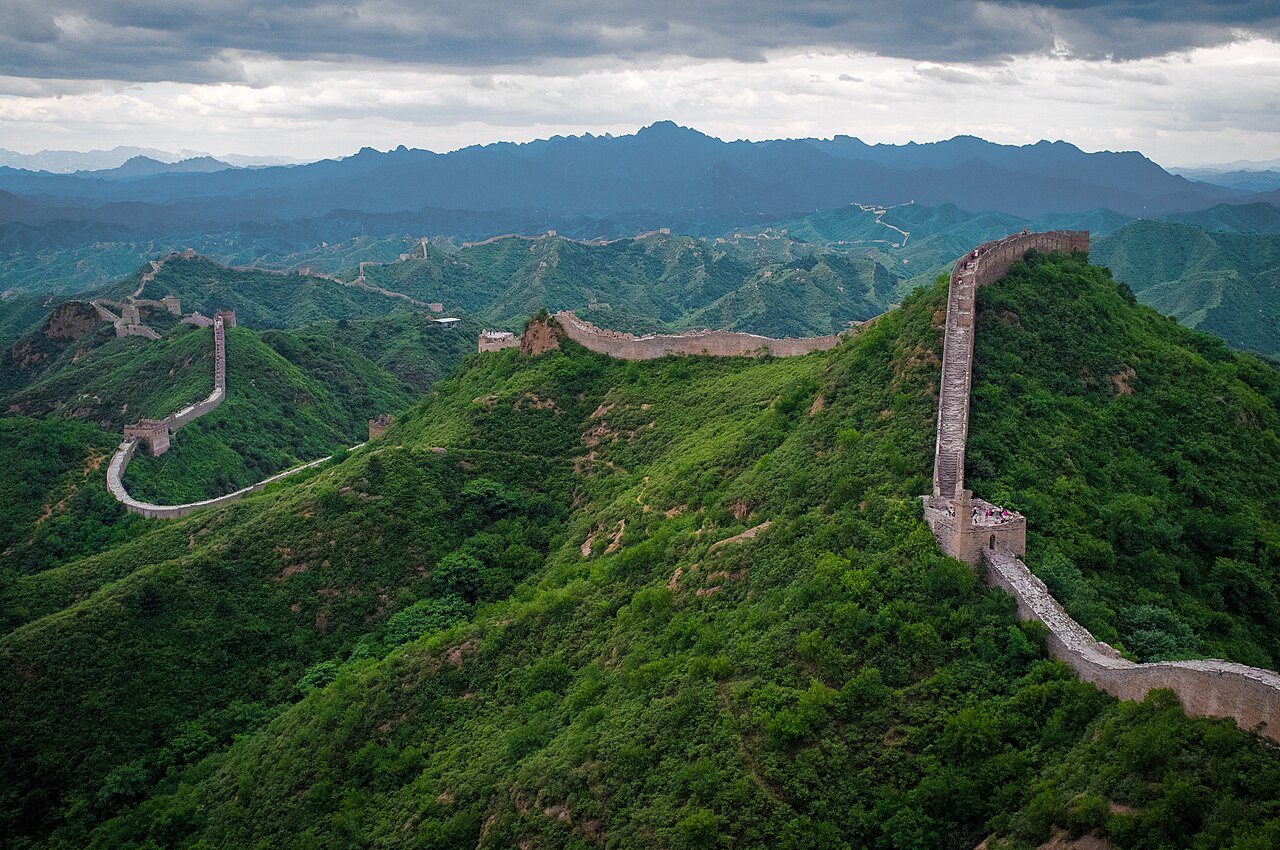
Mutianyu is a prominent section of the Great Wall of China, situated in the Huairou District within the city limits of Beijing, approximately 70 kilometers northeast of the city center. This section is historically significant as a northern defensive barrier protecting the capital and the nearby imperial tombs during the Ming dynasty. It connects with the Jiankou section to the west and Lianhuachi to the east, forming part of the extensive fortification system that stretches across northern China.
Historical context and construction
The Mutianyu section was constructed primarily during the 15th century under the orders of the Ming emperors, who focused on strengthening the Great Wall to defend against invasions by northern nomadic tribes. This period is classified as the late medieval era in Chinese history. The wall at Mutianyu was built on the foundations of earlier fortifications dating back to the Northern Qi dynasty (6th century), but the current structures mainly reflect Ming dynasty engineering and architectural advances.
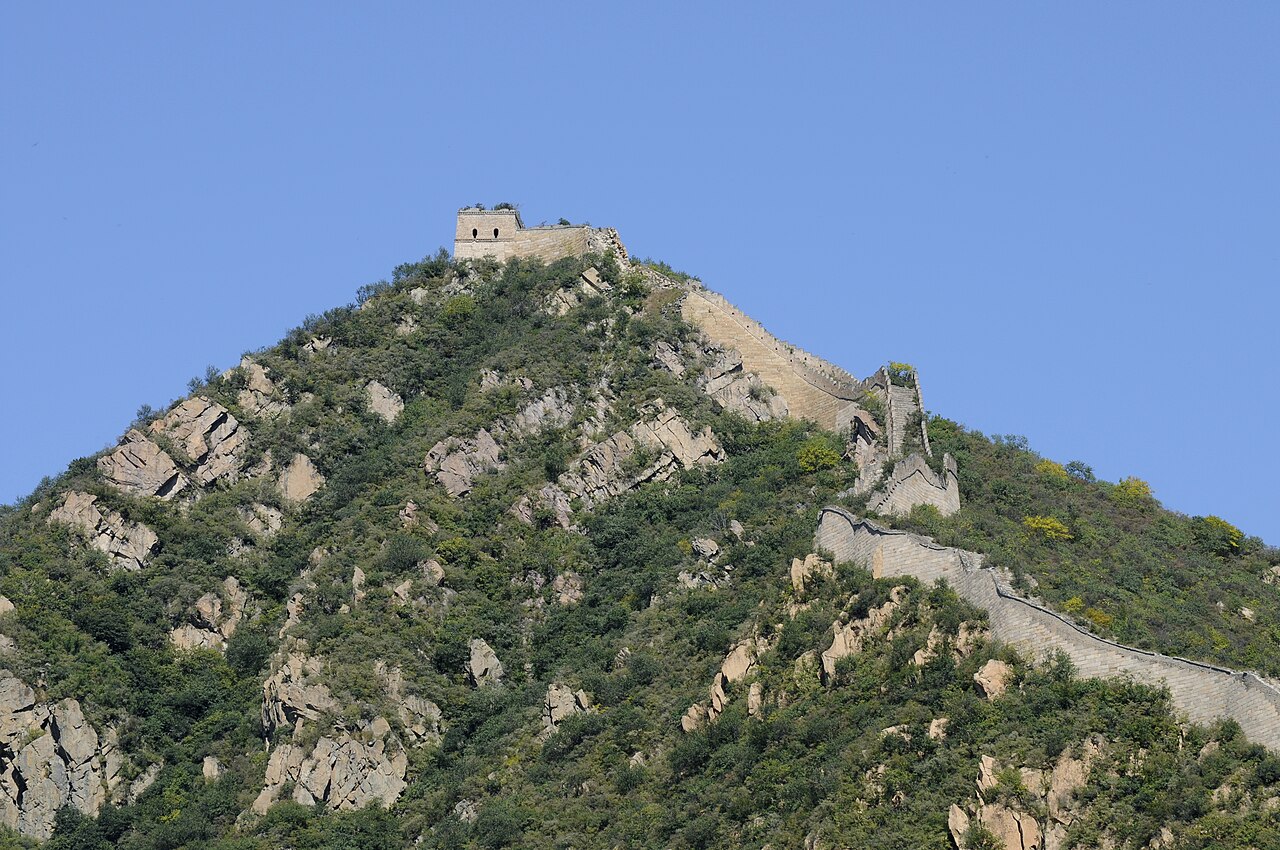
The strategic importance of Mutianyu lay in its location on a mountain ridge, which provided natural defense advantages. The builders utilized local granite and other durable materials, resulting in a robust construction that has endured for centuries. The section was designed as a bastioned fortress, featuring multiple defensive elements such as watchtowers, battlements, and fortified gates.
Architectural features and layout
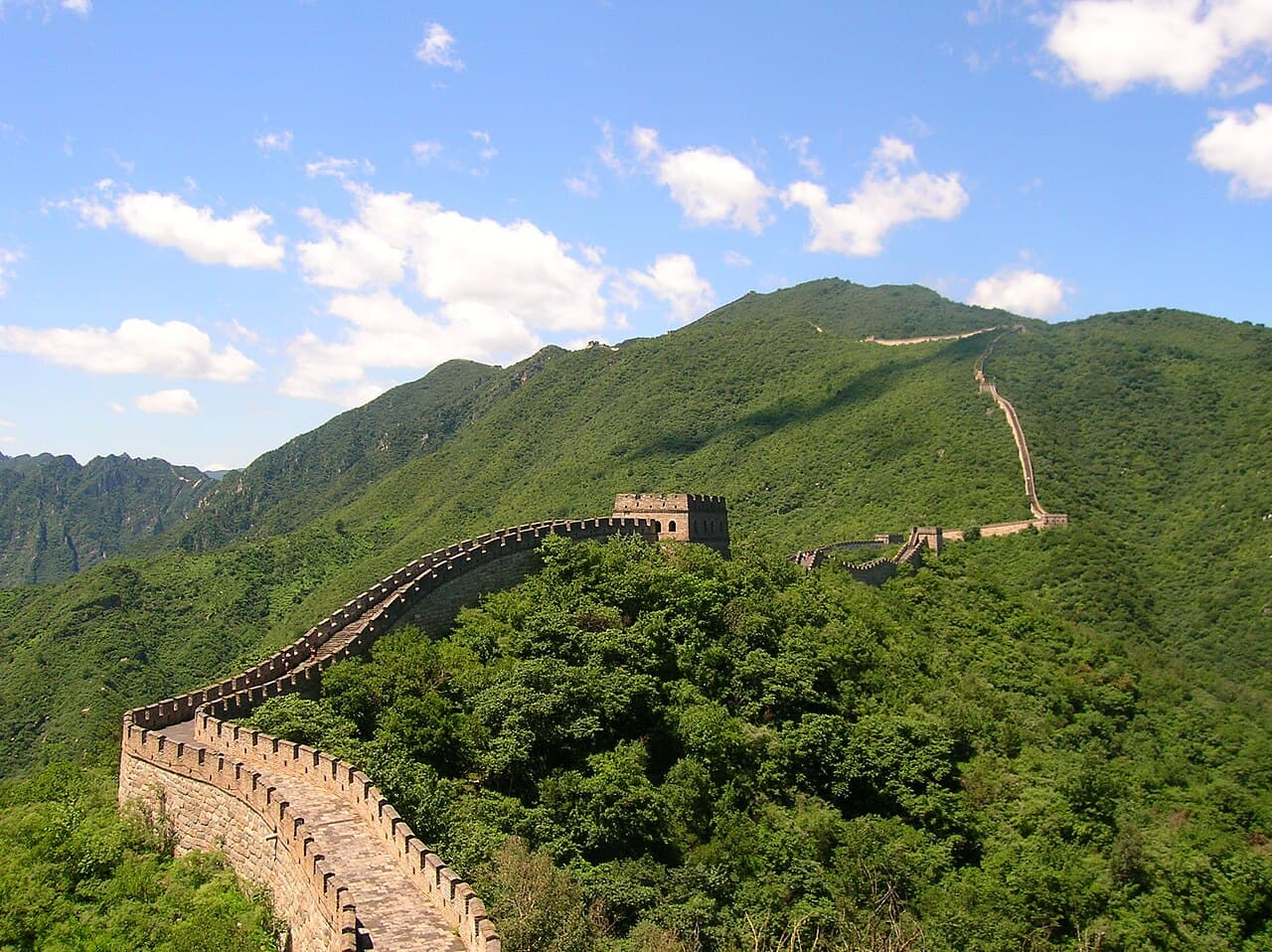
The Mutianyu Great Wall is renowned for its well-preserved battlements and watchtowers, which are spaced at regular intervals along the wall. These towers served as lookout points and signaling stations, enabling rapid communication across vast distances. The wall itself varies in width from 4 to 5 meters and reaches heights of up to 8 meters in some sections.
The wall's stone and brick construction includes crenellated parapets with openings for archers and artillery. The design allowed defenders to repel attackers effectively while maintaining protection. The fortified gates and stairs enable access to the top of the wall and the towers, facilitating troop movements and surveillance.
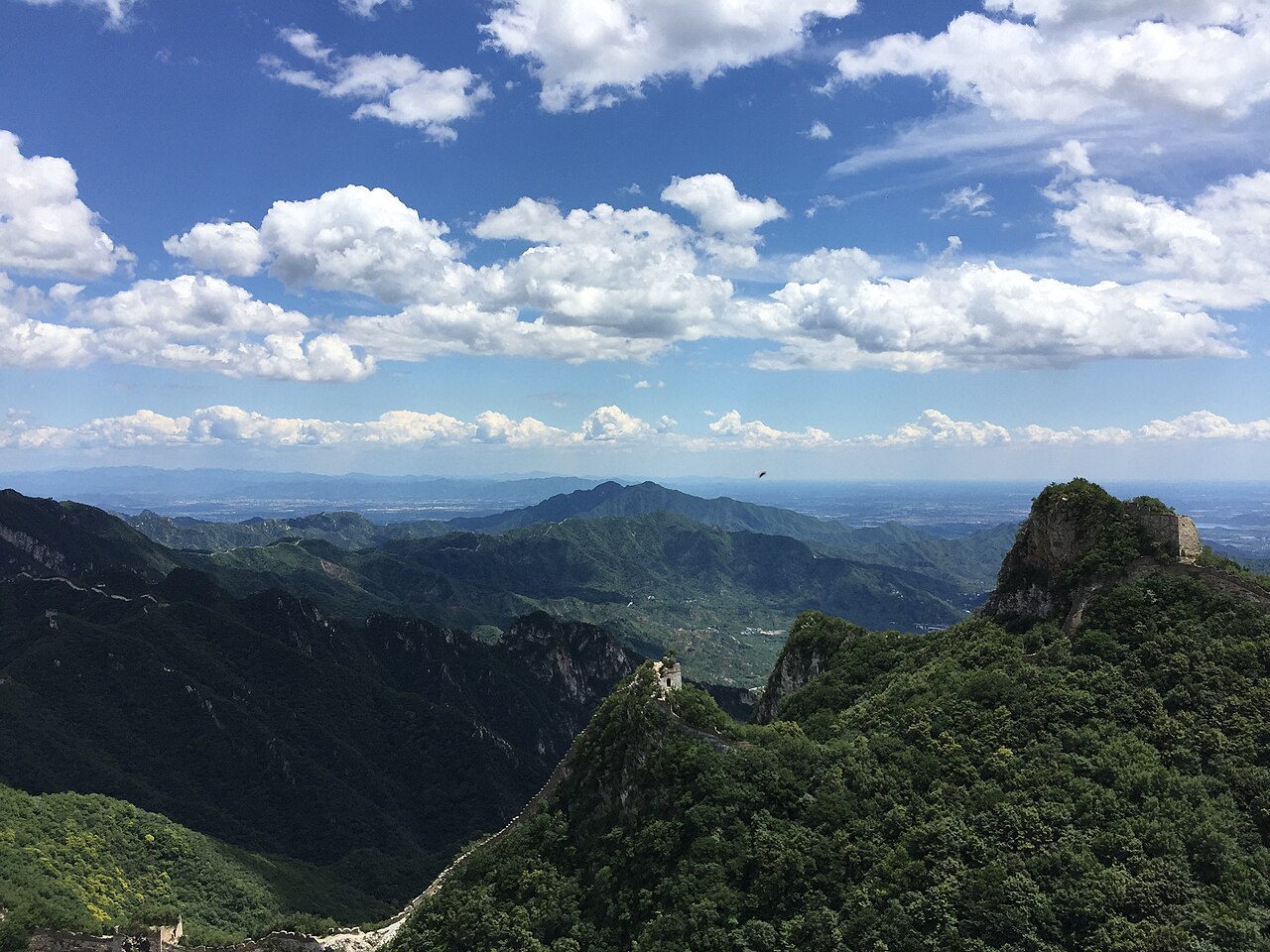
One of the distinctive features of Mutianyu is its integration with the mountainous terrain, creating a visually striking and defensible structure. The wall winds over steep slopes and ridges, demonstrating advanced engineering skills of the Ming builders.
Preservation and tourism
Today, the Mutianyu section is considered one of the best-preserved parts of the Great Wall. Its condition is classified as well preserved, owing to restoration efforts that have maintained the structural integrity and appearance of the wall and its towers. Unlike some other sections, Mutianyu has less commercial development, which contributes to a more authentic experience for visitors.
The site is open to tourists year-round, with facilities including cable cars and toboggan rides that provide access to the wall. Visitors can explore the courtyards, battlements, and watchtowers, gaining insight into the military architecture and history of the Ming dynasty. The panoramic views from the wall offer impressive vistas of the surrounding mountains and forests.
Significance and cultural heritage
Mutianyu holds cultural and historical significance as part of the UNESCO World Heritage-listed Great Wall of China. It exemplifies the military ingenuity and architectural prowess of the Ming dynasty and reflects the broader historical narrative of China's defense strategies. The preservation of this section allows for ongoing study and appreciation of ancient Chinese fortification techniques.
Frequently asked questions (FAQ)
- How do I get to Mutianyu from Beijing city center?
- Mutianyu is located about 70 kilometers northeast of Beijing city center. Visitors can reach it by car, tourist bus, or organized tours that typically include transportation from central Beijing.
- What is the best time to visit Mutianyu Great Wall?
- The best time to visit Mutianyu is during spring (April to June) and autumn (September to November) when the weather is mild and the natural scenery is vibrant. Summers can be hot and crowded, while winters are cold but offer a unique snowy landscape.
- Can I hike along the Mutianyu section of the Great Wall?
- Yes, Mutianyu offers well-maintained hiking paths along the wall, including steep stairs and rugged terrain. Visitors should wear appropriate footwear and be prepared for physical exertion.
- Are there facilities for visitors at Mutianyu?
- Mutianyu has visitor facilities including ticket offices, restrooms, food stalls, and cable cars that help visitors access the wall. Toboggan rides are also available for descending from the wall.
- Is Mutianyu suitable for families and children?
- Mutianyu is family-friendly with options like cable cars and toboggan rides that make it accessible for children and elderly visitors. However, some sections involve steep climbs that may be challenging for very young children or those with mobility issues.

Information
Address
Huairou District, Beijing, China
Loading map...
Visitor reviews
No reviews yet. Been here? Write the first review and help other travelers!
Write the first reviewVisited this castle? Share your experience
Your review helps other travelers and adds first-hand knowledge to our encyclopedia.