Jinshanling
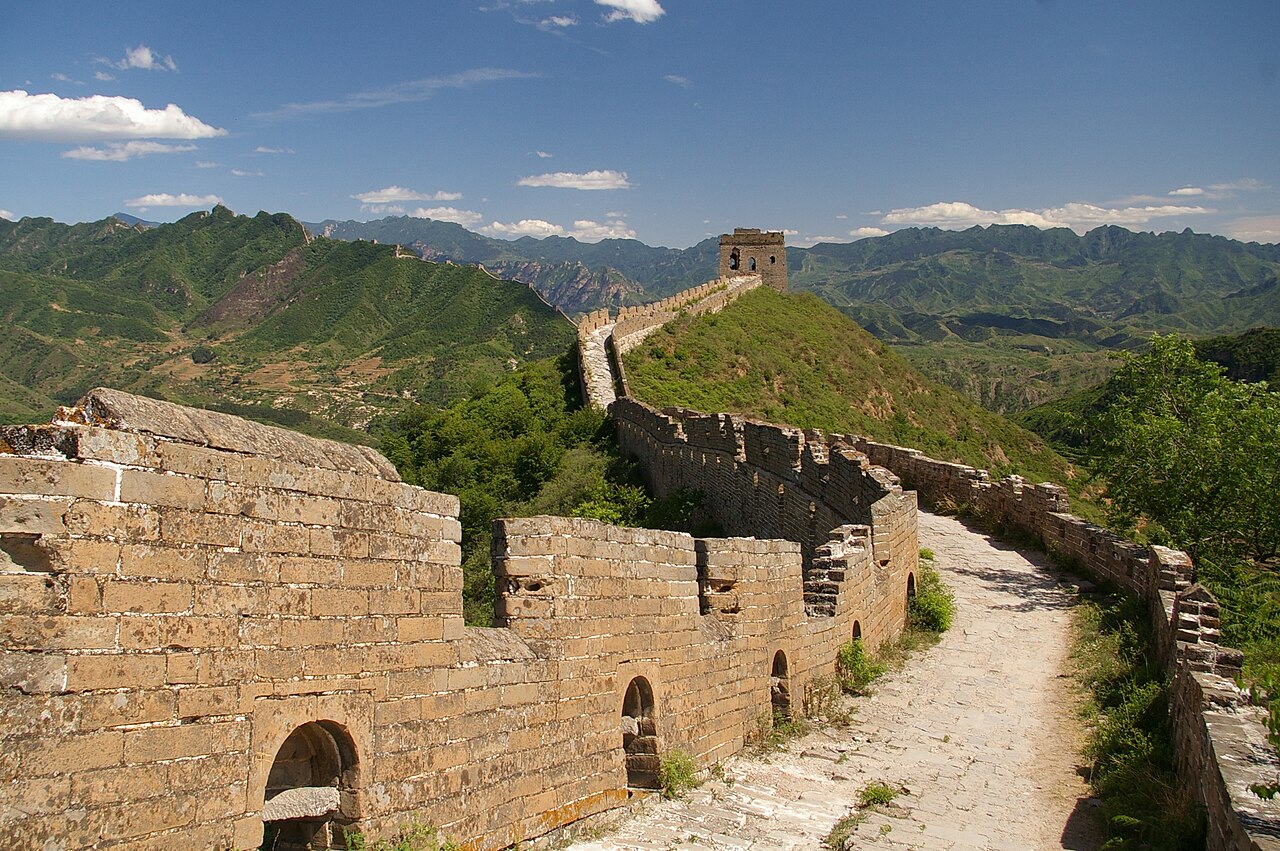
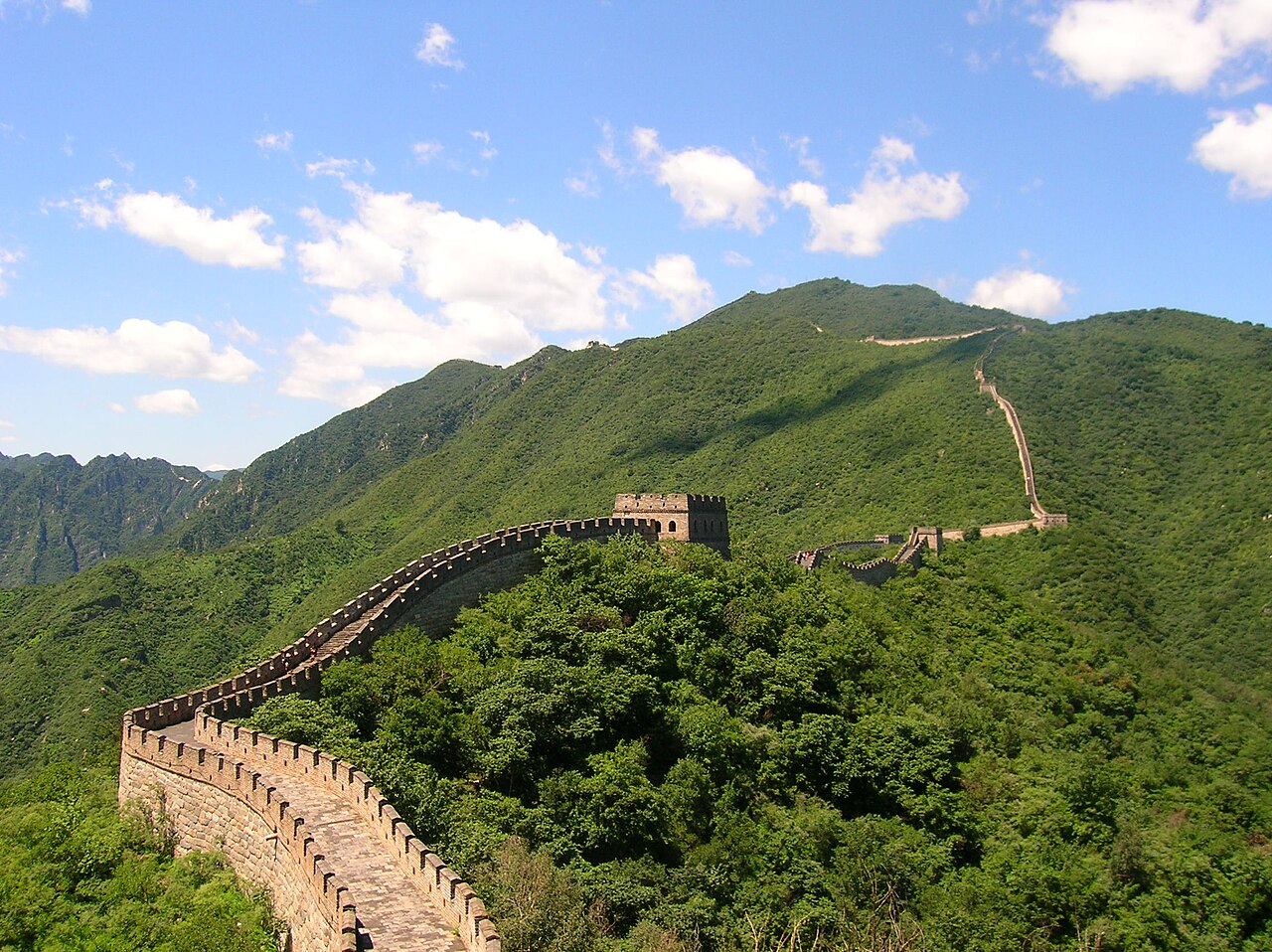
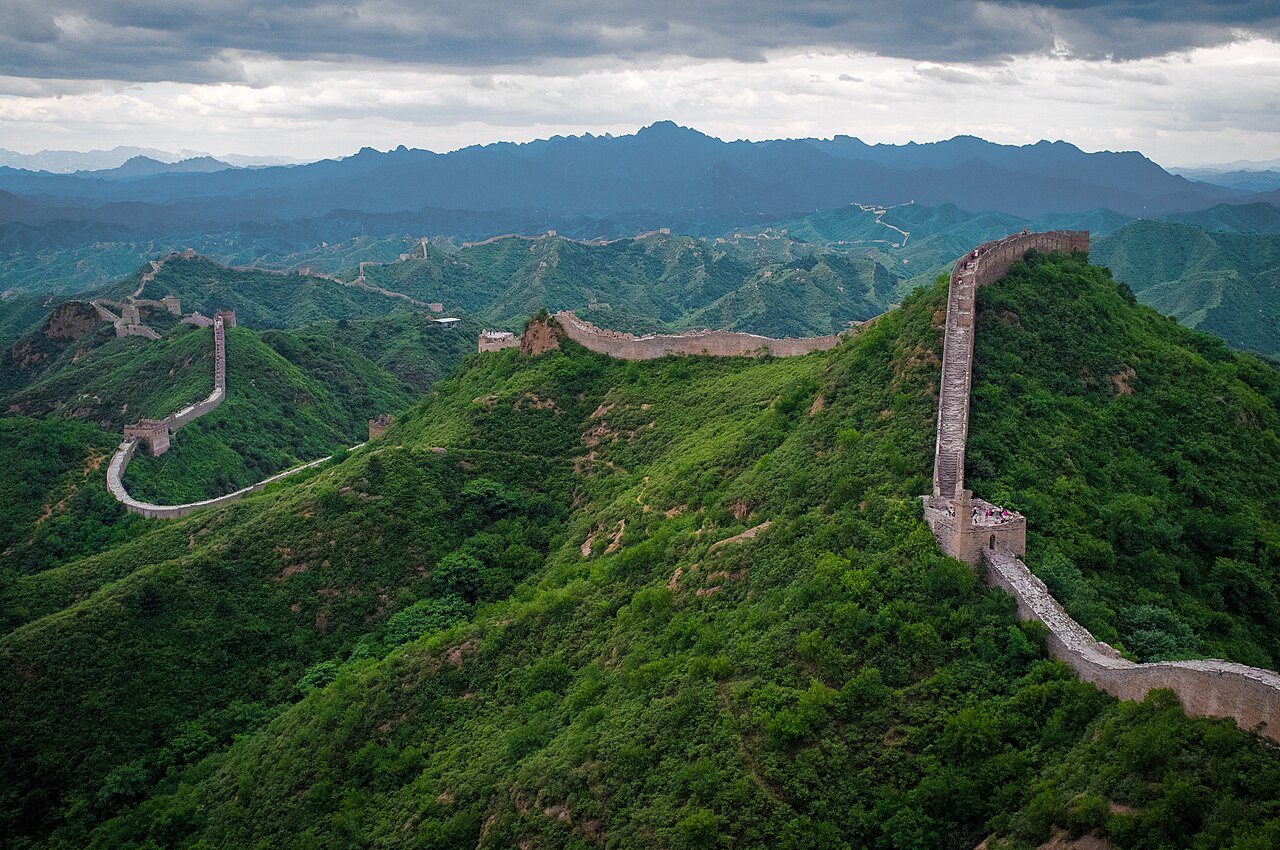
Jinshanling is a prominent section of the Great Wall of China, situated in the mountainous terrain of Luanping County, Chengde, Hebei Province, approximately 125 kilometers northeast of Beijing. This section is renowned for its strategic placement and architectural features, connecting to the Simatai section to the east and lying west of the Mutianyu section. Constructed during the Ming dynasty, Jinshanling was built starting in 1570 CE as part of the extensive fortification efforts to defend northern China from invasions.
Historical context and construction
The Jinshanling section was developed in the late 16th century during the Ming dynasty, a period marked by significant military architectural advancements. The Ming rulers focused on strengthening the Great Wall to protect against Mongol incursions and other northern threats. Jinshanling's construction reflects the military engineering techniques of the era, incorporating bastioned fortress elements designed to enhance defense capabilities.
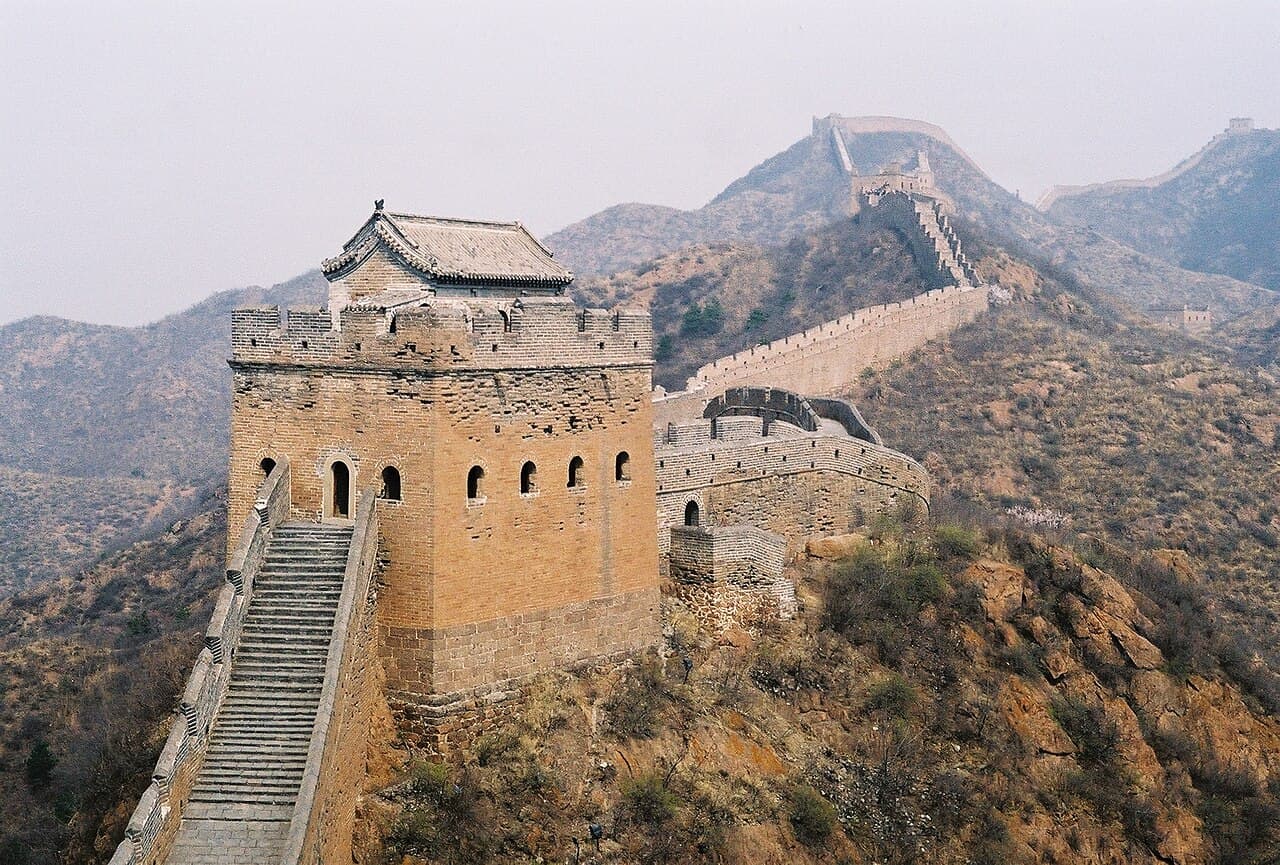
Unlike earlier walls, the Ming Great Wall sections, including Jinshanling, were built with bricks and stone, providing greater durability and resistance to attacks. The wall's design at Jinshanling features numerous watchtowers, signal towers, and battlements, allowing defenders to observe enemy movements and communicate across distances effectively.
Architectural features and layout
Bastions and watchtowers
Jinshanling is distinguished by its well-preserved bastions, which are protruding defensive structures that allowed archers and soldiers to cover adjacent wall sections with crossfire. The section contains around 67 watchtowers spaced along its length, each varying in size and shape, including square and round towers. These watchtowers served multiple purposes, such as housing troops, storing weapons, and acting as lookout points.
Wall construction and materials
The wall at Jinshanling stretches approximately 10.5 kilometers and is constructed primarily from large bricks and stones sourced locally. The wall varies in height and width depending on the terrain, with some parts reaching up to 7.8 meters tall and 5 meters wide. The battlements atop the wall feature crenellations that provided cover for defenders while allowing them to fire upon attackers.
Defensive design elements
Jinshanling's design incorporates moats and ramps in certain areas to hinder enemy advances. The steep mountainous landscape enhances the wall's natural defenses, making assaults more difficult. The wall's stairways and ramps facilitate troop movements and rapid deployment during attacks.
Significance and preservation
Today, Jinshanling is one of the best-preserved sections of the Great Wall, retaining much of its original Ming dynasty structure. It offers visitors a vivid glimpse into ancient Chinese military architecture and the strategic importance of the Great Wall. The section is less crowded than other parts like Badaling, making it a favored destination for hikers and history enthusiasts.
Jinshanling's preservation allows detailed study of Ming fortification techniques, including the use of bastions and advanced signaling systems. The site continues to be an important cultural heritage location, reflecting China's historical efforts to secure its northern borders.
Visiting Jinshanling
Visitors to Jinshanling can explore the extensive wall, climb its watchtowers, and enjoy panoramic views of the surrounding mountains and valleys. The site offers a combination of natural beauty and historical significance, making it a unique experience for tourists. Hiking trails connect Jinshanling to the Simatai section, enabling longer excursions along the Great Wall.
The area is accessible from Beijing by car or bus, with facilities available for tourists including guided tours and visitor centers. The best times to visit are spring and autumn, when the weather is mild and the scenery vibrant.
Frequently asked questions (FAQ)
- How do I get to Jinshanling Castle?
- Jinshanling Castle is located in Luanping County, approximately 130 kilometers northeast of Beijing. Visitors can reach the castle by car, taxi, or public transportation, including buses that run from central Beijing to the nearby village. It’s recommended to plan your trip in advance to ensure smooth travel.
- What is the historical significance of Jinshanling Castle?
- Jinshanling Castle is one of the most well-preserved sections of the Great Wall of China, built during the Ming Dynasty in the 16th century. It served as a military defense structure and played a crucial role in protecting the northern borders of China. The castle is notable for its unique architecture and strategic location, showcasing the ingenuity of ancient Chinese engineering.
- When was Jinshanling Castle built?
- Jinshanling Castle was constructed in 1570 during the Ming Dynasty and was part of a series of fortifications along the Great Wall. The castle features various towers and watchtowers that highlight the architectural style of the period. Its construction reflects the historical need for defense against invasions.
- Can I hike from Jinshanling to Simatai?
- Yes, you can hike from Jinshanling to Simatai, which is a popular route for adventurous visitors. The hike covers about 10 kilometers and offers breathtaking views of the Great Wall and surrounding landscapes. It typically takes 3 to 4 hours to complete, and it’s recommended to wear appropriate footwear and carry water.
- Why is Jinshanling Castle a popular tourist destination?
- Jinshanling Castle is famous for its stunning scenery, rich history, and relatively fewer crowds compared to other sections of the Great Wall. It provides an authentic experience of the Great Wall's grandeur and offers excellent photography opportunities. The combination of natural beauty and historical significance makes it a must-visit for tourists.
- Is it possible to visit Jinshanling Castle year-round?
- Yes, Jinshanling Castle is open to visitors year-round, but the best time to visit is during spring (April to June) and autumn (September to November) when the weather is pleasant and the scenery is vibrant. Winter can be cold with snow, while summer can get quite hot. Each season offers a unique perspective of the castle and its surroundings.
- What are the ticket prices for Jinshanling Castle?
- As of now, the entrance ticket price for Jinshanling Castle is around 65 RMB. This fee grants you access to the castle and its facilities, as well as the beautiful hiking trails. Prices may vary, so it's advisable to check for any updates before your visit.
- What are the opening hours for Jinshanling Castle?
- Jinshanling Castle is typically open from 7:30 AM to 5:30 PM during the peak season, which runs from April to October. In the off-peak season, the hours may change slightly, so it's best to verify before your visit. Arriving early allows you to enjoy the tranquility of the castle before the crowds arrive.
- Are there any nearby attractions to visit after Jinshanling?
- Yes, there are several nearby attractions worth exploring, including the Simatai section of the Great Wall and the picturesque Gubei Water Town. These locations offer additional cultural experiences and stunning views. You can easily spend a full day enjoying the history and beauty of the area surrounding Jinshanling.
Photo gallery

Information
Loading map...
Visitor reviews
No reviews yet. Been here? Write the first review and help other travelers!
Write the first reviewVisited this castle? Share your experience
Your review helps other travelers and adds first-hand knowledge to our encyclopedia.