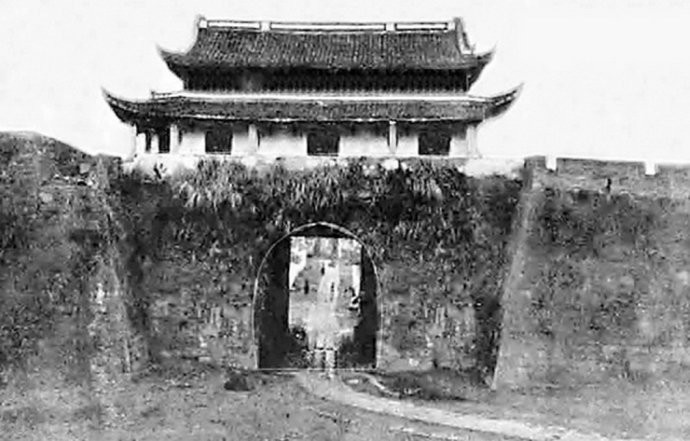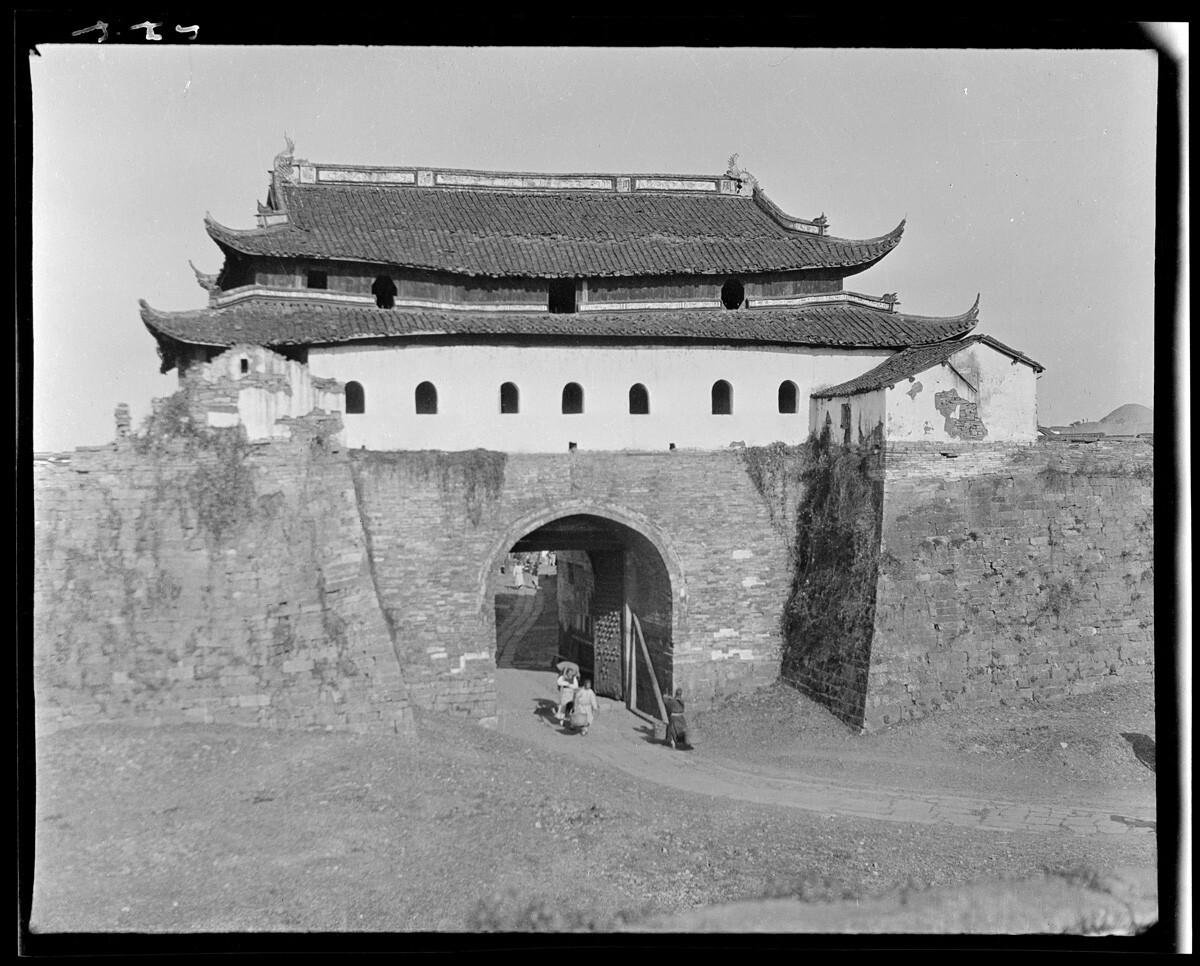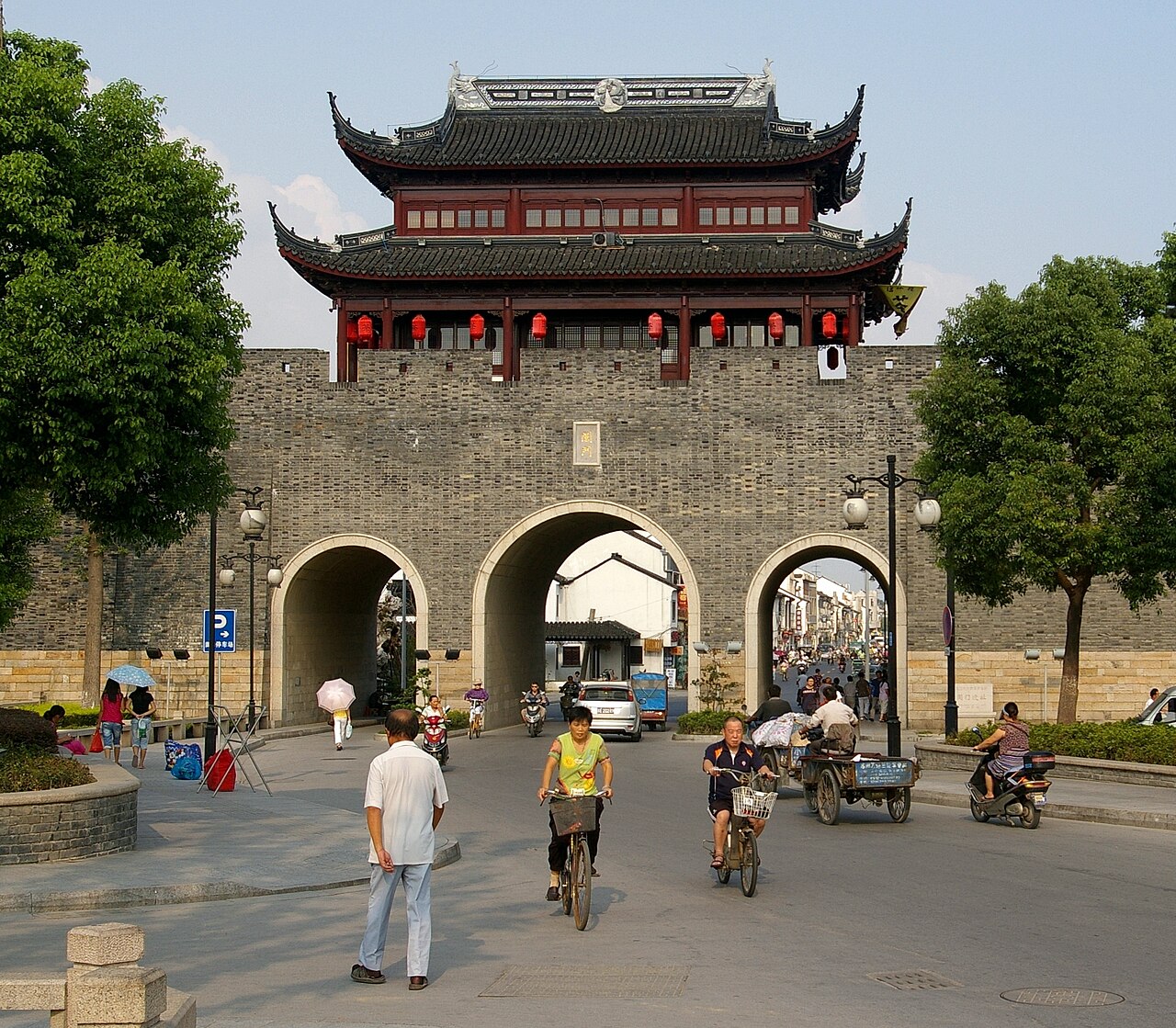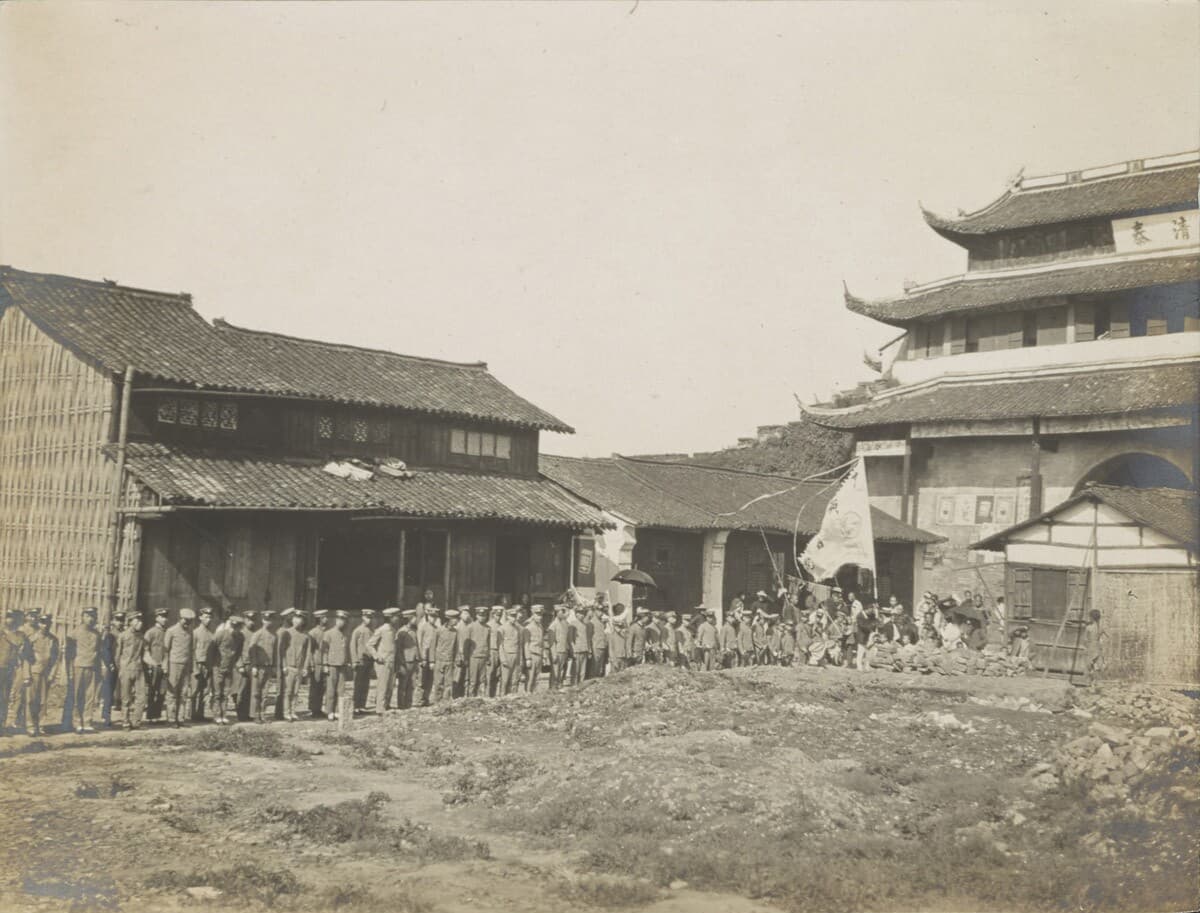
Qingtaimen is a notable example of a bastioned fortress located in China, representing a significant phase in the country's military architectural history. While the exact city location is not specified, Qingtaimen's design reflects the adoption of European-style fortification techniques that were integrated into Chinese defensive structures during periods of increasing foreign influence and military modernization.
Architectural features and design
The fortress is characterized by its bastions, which are angular projections from the main walls designed to provide overlapping fields of fire, a key feature in the development of early modern fortifications. This design allowed defenders to cover adjacent walls with cannon and musket fire, eliminating blind spots and enhancing the fortress's defensive capabilities against artillery and infantry assaults.
Qingtaimen's walls are likely constructed from robust materials such as brick and stone, common in Chinese military architecture adapted to bastioned designs. The fortress probably includes curtain walls connecting the bastions, creating a fortified perimeter that could withstand prolonged sieges. The layout would have incorporated moats or water defenses, typical of Chinese fortifications, to further impede attackers.
Historical context and significance
The construction of Qingtaimen reflects the period when Chinese military engineers began incorporating Western fortification concepts to counter new threats posed by firearms and artillery introduced through contact with European powers. This transition marks an important evolution from traditional Chinese defensive walls and towers to more complex bastioned fortresses capable of resisting modern siege tactics.
Although specific historical events tied to Qingtaimen are not detailed, bastioned fortresses in China were often strategically located to protect key cities, ports, or military installations during the late Ming and Qing dynasties. Qingtaimen would have served as a crucial defensive stronghold, safeguarding regional interests and contributing to the broader network of military fortifications in China.
Construction period and style
The fortress likely dates from the post-medieval period, when bastioned fortifications became prevalent worldwide, roughly from the 16th to 19th centuries. The architectural style is primarily functional, focusing on military utility rather than ornamental features, consistent with bastioned fortress design principles emphasizing defense and durability.
Current condition and preservation
The present condition of Qingtaimen is not explicitly documented, but bastioned fortresses in China often face challenges related to urban development, environmental factors, and preservation funding. If preserved, Qingtaimen would be an important cultural heritage site, offering insights into the fusion of Chinese and Western military architecture.
Legacy and cultural importance
Qingtaimen stands as a testament to the adaptive strategies employed by Chinese military architects in response to evolving warfare technologies. It illustrates the global exchange of military knowledge and the regional adaptations that shaped China's defensive landscape. As a bastioned fortress, Qingtaimen contributes to understanding the broader history of fortification and defense in East Asia.
Frequently asked questions (FAQ)
- How do I get to Qingtaimen Castle?
- Qingtaimen Castle is accessible by various modes of transportation, including public buses and taxis from nearby cities. The nearest major city is Beijing, which has direct train services to the region. It is advisable to check local transportation schedules in advance for a smooth journey.
- What is the historical significance of Qingtaimen Castle?
- Qingtaimen Castle dates back to the Ming Dynasty and played a crucial role in the military defense of the region. It is known for its strategic location, which allowed it to control trade routes and protect against invasions. The castle's architecture reflects the military ingenuity of its time, making it a significant historical landmark.
- When was Qingtaimen Castle built?
- Qingtaimen Castle was constructed in the early 15th century, during the reign of the Yongle Emperor of the Ming Dynasty. It has since been preserved and restored to showcase its original architectural features. The castle stands as a testament to the engineering skills of that era.
- Can I take guided tours of Qingtaimen Castle?
- Yes, guided tours of Qingtaimen Castle are available, providing visitors with in-depth insights into its history and architecture. These tours typically include key highlights of the castle and stories of its past. It is recommended to book your tour in advance, especially during peak tourist seasons.
- Why is Qingtaimen Castle a popular tourist destination?
- Qingtaimen Castle attracts visitors due to its rich history, stunning architecture, and beautiful surrounding landscapes. It offers a glimpse into China's military past and is a perfect spot for photography and exploration. Additionally, its accessibility from major cities makes it a convenient day trip for tourists.
- Is it possible to visit Qingtaimen Castle year-round?
- Yes, Qingtaimen Castle is open to visitors year-round, though specific opening hours may vary by season. Visitors should check the official website or local resources for the most current information. However, the best time to visit is during spring and autumn when the weather is mild and the scenery is particularly beautiful.
- What are the ticket prices for Qingtaimen Castle?
- Ticket prices for Qingtaimen Castle are generally affordable, with discounts available for students and seniors. Children under a certain age may enter for free. It is best to check the official website for the most up-to-date pricing information before your visit.
- What are the opening hours for Qingtaimen Castle?
- Qingtaimen Castle typically opens at 8:00 AM and closes at 6:00 PM, but these hours may vary depending on the season. Visitors are encouraged to arrive early to fully explore the castle and its surroundings. Always verify the opening times prior to your visit to ensure a hassle-free experience.
- Are there nearby attractions to Qingtaimen Castle?
- Yes, there are several nearby attractions, including scenic parks and historical sites that complement a visit to Qingtaimen Castle. Notable locations include ancient temples and local markets that offer a taste of regional culture. Exploring these nearby sites can enhance your overall experience in the area.
Photo gallery

Information
Loading map...
Visitor reviews
No reviews yet. Been here? Write the first review and help other travelers!
Write the first reviewVisited this castle? Share your experience
Your review helps other travelers and adds first-hand knowledge to our encyclopedia.