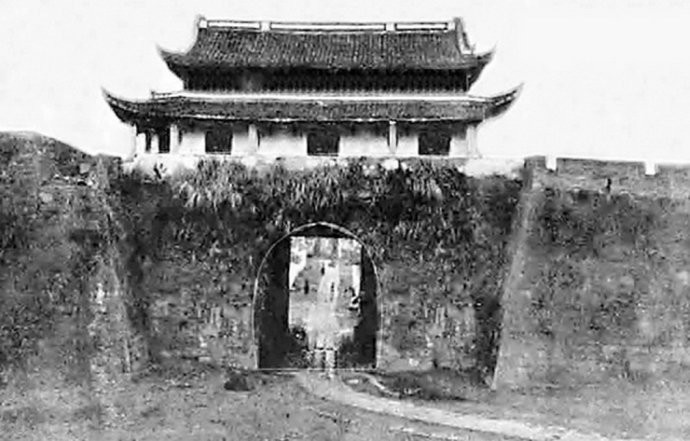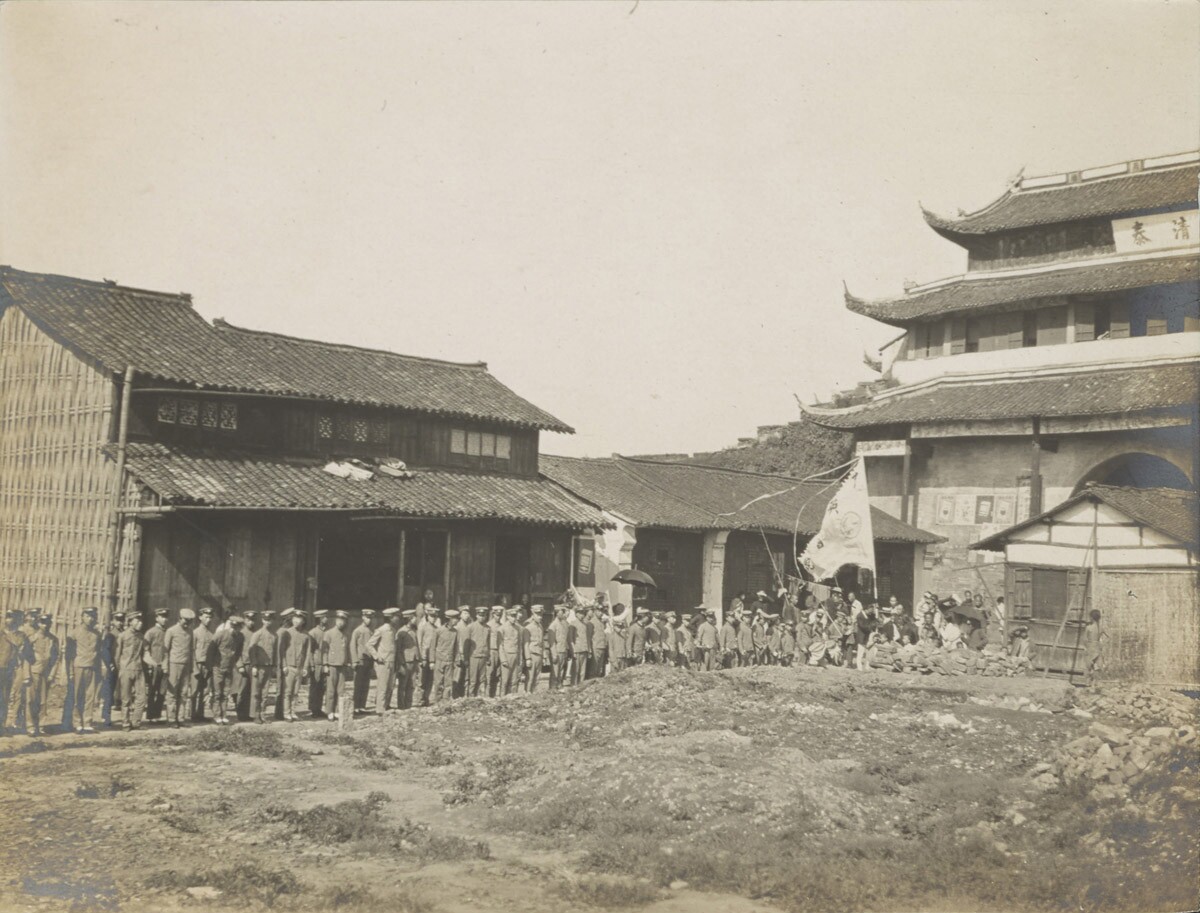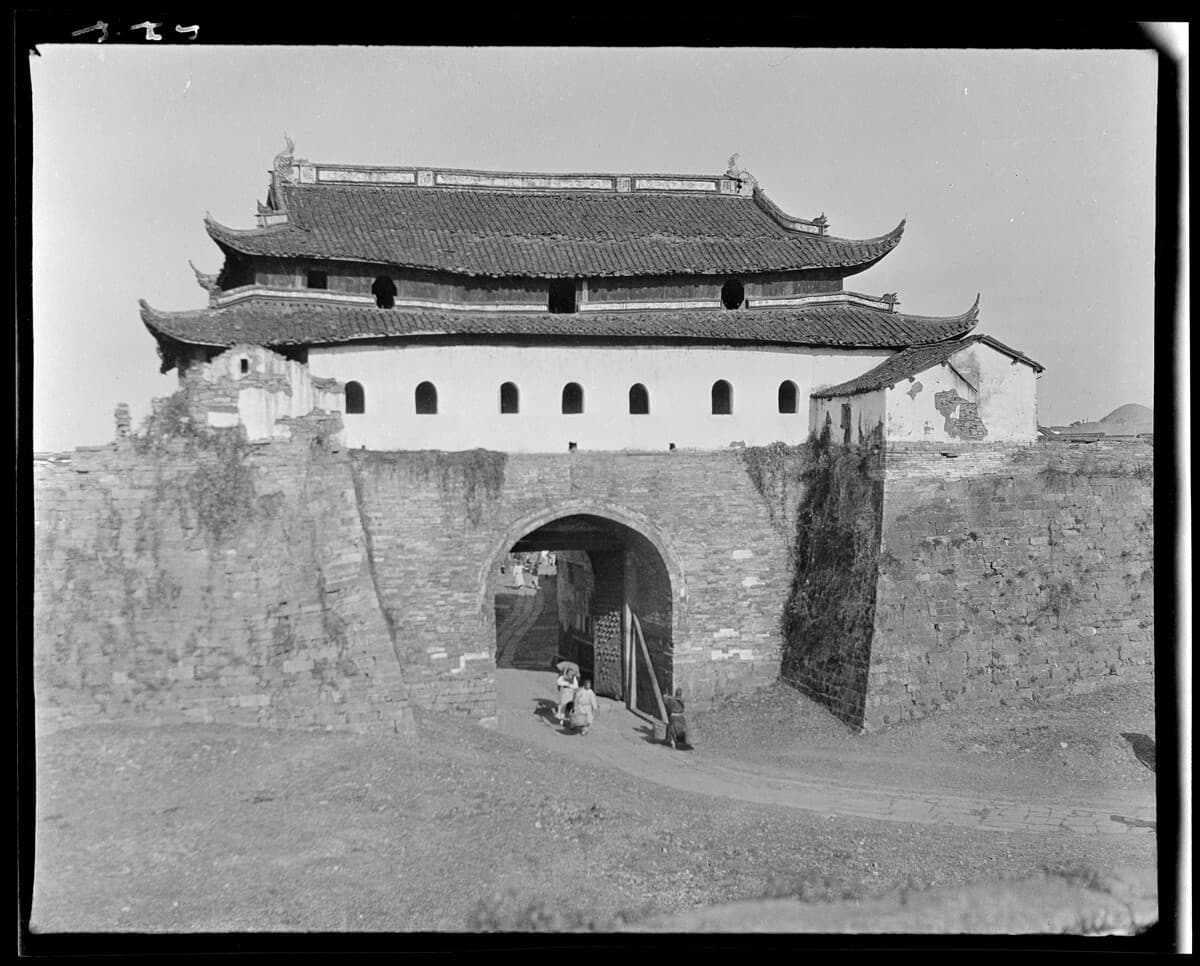
Qingbomen is a bastioned fortress located in China, notable for its strategic military architecture that reflects the defensive innovations of its era. Although the exact city location is not clearly documented, Qingbomen stands out as a significant example of fortification design in the region, embodying the principles of bastioned defense systems that were prominent in certain periods of Chinese military history.
Architectural features and bastioned design
This fortress is characterized by its bastioned layout, a style that incorporates angular bastions projecting outward from the main walls. These bastions were designed to eliminate blind spots and provide overlapping fields of fire, enhancing the fortress's defensive capabilities against artillery and infantry attacks. The walls of Qingbomen would have been thick and robust, constructed to withstand sieges and bombardments.
The bastioned fortress design represents a departure from traditional Chinese fortifications, which often relied on massive walls and towers. Qingbomen's design suggests an adaptation influenced by military engineering concepts that emphasize active defense and crossfire coverage. This architectural approach would have made Qingbomen a formidable stronghold during its time.
Historical context and military significance
While detailed historical records of Qingbomen are limited, bastioned fortresses in China typically emerged during periods when military technology and tactics were evolving, especially with the introduction of gunpowder artillery. Such fortresses were part of broader efforts to modernize defensive structures to counter new forms of warfare.
Qingbomen likely played a role in regional defense, protecting strategic routes or settlements. Its bastioned design indicates a focus on withstanding prolonged sieges and providing strongpoints for defenders. The fortress's construction would have required considerable resources and skilled labor, reflecting its importance within the military infrastructure.
Construction materials and techniques
The fortress walls were probably built using locally sourced stone and brick, materials commonly employed in Chinese fortifications. The masonry would have been carefully laid to create thick, resilient walls capable of absorbing artillery impact. The bastions themselves would have been reinforced to support defensive artillery placements.
Construction techniques would have combined traditional Chinese masonry skills with adaptations suited to the bastioned design. This fusion highlights the transitional nature of military architecture in China during the period when Qingbomen was built.
Current condition and preservation
The current condition of Qingbomen is not extensively documented, but bastioned fortresses often face challenges related to preservation due to their age and exposure to natural elements. If accessible, Qingbomen may offer valuable insights into the evolution of Chinese military architecture and the adaptation of bastioned designs within the region.
Visiting and cultural significance
As a historical military structure, Qingbomen holds cultural significance as part of China's rich heritage of fortifications. Visitors interested in military history and architecture would find Qingbomen notable for its bastioned design, which is less common in Chinese fortresses compared to traditional styles.
Information on visiting hours, ticket prices, or guided tours is not readily available, reflecting the fortress's lesser-known status. However, its architectural features and historical context make it a subject worthy of further study and preservation efforts.
Frequently asked questions (FAQ)
- What is the architectural style of Qingbomen fortress?
- Qingbomen fortress features a bastioned design, characterized by angular bastions projecting from the walls to provide enhanced defense and overlapping fields of fire.
- Where is Qingbomen fortress located?
- Qingbomen is located in China, although the exact city or region is not clearly documented in available records.
- Can I visit Qingbomen fortress?
- Information on public access, visiting hours, and ticket prices for Qingbomen fortress is limited, suggesting it may not be a widely promoted tourist site.
- What was the military significance of Qingbomen fortress?
- Qingbomen served as a strategic defensive structure designed to withstand sieges and artillery attacks, reflecting advances in military architecture during its time.
Photo gallery

Information
Loading map...
Visitor reviews
No reviews yet. Been here? Write the first review and help other travelers!
Write the first reviewVisited this castle? Share your experience
Your review helps other travelers and adds first-hand knowledge to our encyclopedia.