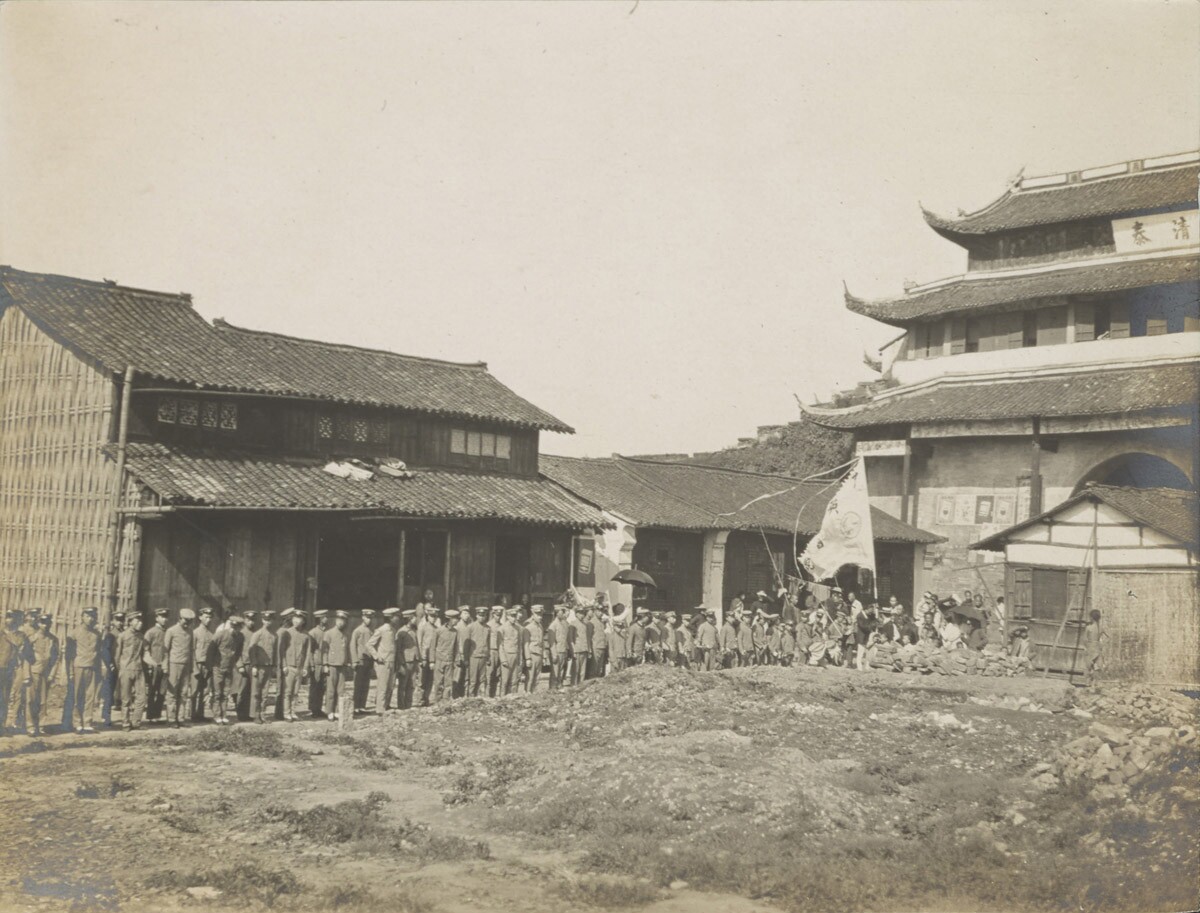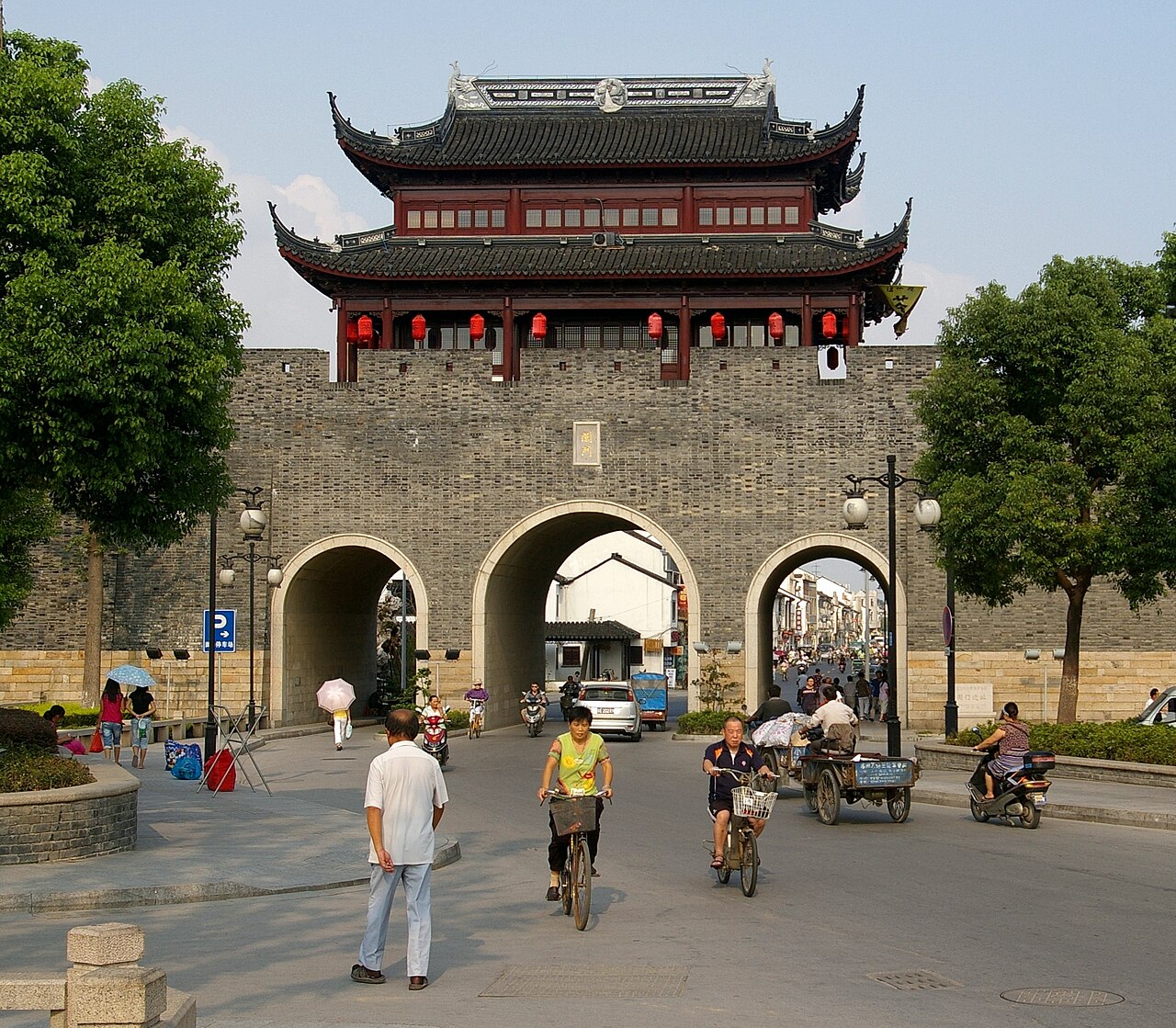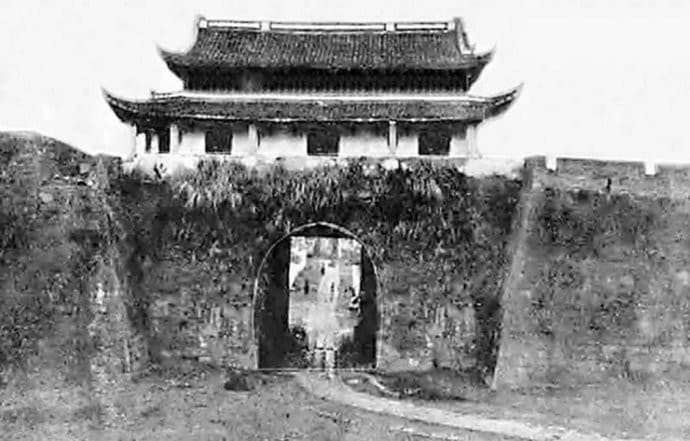
Qiantangmen — China castle

Qiantangmen

Qiantangmen bastioned fortress in China
Post-Renaissance (17th–18th c.)

Qiantangmen is a significant example of a bastioned fortress located in China, historically designed to serve as a stronghold for military defense. This type of fortress architecture is characterized by angular bastions projecting outward from the curtain walls, allowing defenders to cover adjacent walls with crossfire, a design that became prominent in the early modern period with the advent of artillery warfare.

Architectural features and defensive design

The fortress is constructed with robust walls incorporating bastions that provide overlapping fields of fire, a key innovation in fortification design during the post-medieval era. The walls are typically thick and angled to better absorb and deflect cannon fire, reflecting the military architectural advancements influenced by European star forts. The layout likely includes a surrounding moat or ditch to impede attackers, along with fortified gates and possibly artillery platforms integrated into the bastions.

Historical context and significance

While the exact date of construction and precise location within China remain less documented, bastioned fortresses like Qiantangmen emerged in response to the changing nature of warfare from the 16th century onwards. The introduction of gunpowder and cannons necessitated new defensive strategies, and China incorporated these innovations to protect strategic cities and military sites. Qiantangmen would have played a vital role in regional defense, controlling key access points and serving as a military base.

Military function and strategic importance

The fortress’s design allowed for effective defense against both infantry and artillery assaults. The bastions enabled defenders to cover blind spots and repel sieges more efficiently than traditional medieval castles. Its position, although currently unspecified, would have been chosen to maximize control over important routes or waterways, enhancing its strategic value.

Preservation and current condition

The current physical condition of Qiantangmen is not well-documented, but bastioned fortresses often face challenges in preservation due to their extensive scale and the materials used. If preserved, it would offer valuable insights into the adaptation of European-style fortifications in Chinese military architecture. It may be partially preserved or in ruins, depending on historical events and conservation efforts.

Cultural and heritage value

Qiantangmen represents a fusion of military architectural knowledge, reflecting the global exchange of ideas in fortification design during the early modern period. As a bastioned fortress in China, it highlights the country’s response to evolving military technologies and the importance of fortified structures in safeguarding territories.

Frequently asked questions (FAQ)

What is Qiantangmen?
Qiantangmen is a historic bastioned fortress in China designed for military defense using advanced fortification techniques.
What architectural features define Qiantangmen?
It features bastions projecting from thick walls to provide overlapping fields of fire, typical of post-medieval bastioned fortresses.
When was Qiantangmen likely built?
The fortress was likely constructed during the post-Renaissance period when artillery warfare influenced fortress design.
Can visitors tour Qiantangmen?
Information about public access and visiting hours for Qiantangmen is currently unavailable.
Why is Qiantangmen significant?
It exemplifies the adaptation of European bastioned fortress design in Chinese military architecture, reflecting historical military advancements.

Photo gallery

Qiantangmen
Click to view

Photo by http://www.picturechina.com.cn/bbs/thread-6830-1-1.html•Public domain

1 photo • Click any image to view in full screen

Information

Bastioned Fortress

Loading map...

Visitor reviews

No reviews yet. Been here? Write the first review and help other travelers!

Write the first review

Visited this castle? Share your experience

Your review helps other travelers and adds first-hand knowledge to our encyclopedia.
Write a review

(5/5)

0/2000 characters

Your review will be visible after admin approval

Nearby castles

2.2 km
Qingbomen — China castle

Qingbomen

, China

Qingbomen is a bastioned fortress located in China, notable for its strategic military architecture that reflects the defensive innovations of its era. Although the exact city location is not clearly documented, Qingbomen stands out as a significant example of fortification design in the region, embodying the principles of bastioned defense systems that were prominent in certain periods of Chinese military history. Architectural features and bastioned design This fortress is characterized by its bastioned layout, a style that incorporates angular bastions projecting outward from the main walls. These bastions were designed to eliminate blind spots and provide overlapping fields of fire, enhancing the fortress's defensive capabilities against artillery and infantry attacks. The walls of Qingbomen would have been thick and robust, constructed to withstand sieges and bombardments. The bastioned fortress design represents a departure from traditional Chinese fortifications, which often relied on massive walls and towers. Qingbomen's design suggests an adaptation influenced by military engineering concepts that emphasize active defense and crossfire coverage. This architectural approach would have made Qingbomen a formidable stronghold during its time. Historical context and military significance While detailed historical records of Qingbomen are limited, bastioned fortresses in China typically emerged during periods when military technology and tactics were evolving, especially with the introduction of gunpowder artillery. Such fortresses were part of broader efforts to modernize defensive structures to counter new forms of warfare. Qingbomen likely played a role in regional defense, protecting strategic routes or settlements. Its bastioned design indicates a focus on withstanding prolonged sieges and providing strongpoints for defenders. The fortress's construction would have required considerable resources and skilled labor, reflecting its importance within the military infrastructure. Construction materials and techniques The fortress walls were probably built using locally sourced stone and brick, materials commonly employed in Chinese fortifications. The masonry would have been carefully laid to create thick, resilient walls capable of absorbing artillery impact. The bastions themselves would have been reinforced to support defensive artillery placements. Construction techniques would have combined traditional Chinese masonry skills with adaptations suited to the bastioned design. This fusion highlights the transitional nature of military architecture in China during the period when Qingbomen was built. Current condition and preservation The current condition of Qingbomen is not extensively documented, but bastioned fortresses often face challenges related to preservation due to their age and exposure to natural elements. If accessible, Qingbomen may offer valuable insights into the evolution of Chinese military architecture and the adaptation of bastioned designs within the region. Visiting and cultural significance As a historical military structure, Qingbomen holds cultural significance as part of China's rich heritage of fortifications. Visitors interested in military history and architecture would find Qingbomen notable for its bastioned design, which is less common in Chinese fortresses compared to traditional styles. Information on visiting hours, ticket prices, or guided tours is not readily available, reflecting the fortress's lesser-known status. However, its architectural features and historical context make it a subject worthy of further study and preservation efforts.

Details
2.8 km
Qingtaimen — China castle

Qingtaimen

, China

Qingtaimen is a notable example of a bastioned fortress located in China, representing a significant phase in the country's military architectural history. While the exact city location is not specified, Qingtaimen's design reflects the adoption of European-style fortification techniques that were integrated into Chinese defensive structures during periods of increasing foreign influence and military modernization. Architectural features and design The fortress is characterized by its bastions, which are angular projections from the main walls designed to provide overlapping fields of fire, a key feature in the development of early modern fortifications. This design allowed defenders to cover adjacent walls with cannon and musket fire, eliminating blind spots and enhancing the fortress's defensive capabilities against artillery and infantry assaults. Qingtaimen's walls are likely constructed from robust materials such as brick and stone, common in Chinese military architecture adapted to bastioned designs. The fortress probably includes curtain walls connecting the bastions, creating a fortified perimeter that could withstand prolonged sieges. The layout would have incorporated moats or water defenses, typical of Chinese fortifications, to further impede attackers. Historical context and significance The construction of Qingtaimen reflects the period when Chinese military engineers began incorporating Western fortification concepts to counter new threats posed by firearms and artillery introduced through contact with European powers. This transition marks an important evolution from traditional Chinese defensive walls and towers to more complex bastioned fortresses capable of resisting modern siege tactics. Although specific historical events tied to Qingtaimen are not detailed, bastioned fortresses in China were often strategically located to protect key cities, ports, or military installations during the late Ming and Qing dynasties. Qingtaimen would have served as a crucial defensive stronghold, safeguarding regional interests and contributing to the broader network of military fortifications in China. Construction period and style The fortress likely dates from the post-medieval period, when bastioned fortifications became prevalent worldwide, roughly from the 16th to 19th centuries. The architectural style is primarily functional, focusing on military utility rather than ornamental features, consistent with bastioned fortress design principles emphasizing defense and durability. Current condition and preservation The present condition of Qingtaimen is not explicitly documented, but bastioned fortresses in China often face challenges related to urban development, environmental factors, and preservation funding. If preserved, Qingtaimen would be an important cultural heritage site, offering insights into the fusion of Chinese and Western military architecture. Legacy and cultural importance Qingtaimen stands as a testament to the adaptive strategies employed by Chinese military architects in response to evolving warfare technologies. It illustrates the global exchange of military knowledge and the regional adaptations that shaped China's defensive landscape. As a bastioned fortress, Qingtaimen contributes to understanding the broader history of fortification and defense in East Asia.

Post-Renaissance (17th–18th c.)
Details
125 km
Changmen — China castle

Changmen

, China

Changmen is a notable example of a bastioned fortress located in China, reflecting the military architectural advancements that were influenced by both indigenous and foreign defensive designs. This fortress stands as a significant historical structure, embodying the strategic military thinking that emerged during periods when artillery and gunpowder weaponry necessitated new forms of fortification. Historical context and significance The construction of Changmen fortress is closely tied to the era when China was adapting its traditional fortifications to meet the challenges posed by the introduction of firearms and cannons. While the exact date of construction remains uncertain, bastioned fortresses in China generally emerged or were renovated between the late Ming dynasty (1368–1644) and the Qing dynasty (1644–1912), as military technology evolved. This period marked a transition from medieval defensive walls and towers to angled bastions designed to deflect cannon fire and provide overlapping fields of defensive fire. The fortress likely played a role in regional defense, controlling strategic routes or protecting important settlements. Architectural features of Changmen The defining characteristic of Changmen is its bastioned design, a style that incorporates projecting angular bastions at the corners of the fortress walls. These bastions allowed defenders to cover adjacent walls with gunfire, eliminating blind spots and enhancing the fortress’s defensive capabilities. The fortress walls are typically thick and robust, constructed from stone or brick, materials chosen for their durability against artillery bombardment. The layout would include a curtain wall connecting the bastions, a moat or ditch for additional defense, and fortified gates controlling access. Inside, the fortress might have contained barracks, armories, and command posts, arranged around a central courtyard. The design emphasizes both defense and the ability to sustain a garrison under siege. Military role and strategic importance Changmen’s location, while not precisely documented, would have been chosen for its strategic value—possibly guarding a key trade route, river crossing, or border area. Bastioned fortresses were integral to the defense systems of their regions, serving as strongpoints that could resist prolonged attacks. The fortress’s design reflects an adaptation to the increasing use of gunpowder weapons in Chinese warfare. Its bastions and thick walls were intended to absorb and repel artillery fire, while providing platforms for defenders to mount their own cannons and muskets. Preservation and current status The current condition of Changmen fortress is not well-documented in widely available sources. However, bastioned fortresses in China often face challenges related to urban development, neglect, or natural decay. Some have been preserved or partially restored as cultural heritage sites, while others remain in ruins. Efforts to maintain such fortifications are important for understanding China’s military history and architectural evolution. If accessible, Changmen would offer valuable insights into the adaptation of European-style bastioned fortifications within an East Asian context. Architectural influences and cultural integration The bastioned design of Changmen indicates the influence of European military engineering introduced to China through Jesuit missionaries and military advisors during the late Ming and early Qing periods. This cross-cultural exchange led to the integration of Western fortification principles with traditional Chinese construction techniques. This fusion created unique fortresses that balanced local building materials and styles with the geometric precision and defensive advantages of bastions, reflecting a period of significant military and cultural interaction. Visiting Changmen and its surroundings While specific visitor information is not available, bastioned fortresses like Changmen, when accessible, attract historians, architects, and tourists interested in military history and ancient architecture. Visitors often explore the fortress’s walls, bastions, and internal structures to appreciate the ingenuity of its design. The surrounding region may also feature other historical sites, natural landscapes, and cultural landmarks that complement a visit to the fortress.

Details