Aqua Bella Castle
Aqua Bella Castle, located near Beit Nekofa in Israel, is a significant Crusader fortress dating from the high medieval period, specifically built between 1140 and 1160. This fortified structure was constructed by the Knights Hospitaller during the reign of King Fulk of Jerusalem as part of a strategic network of fortifications designed to protect the vital road to Jerusalem and ensure the safety of pilgrims traveling to the Holy City.
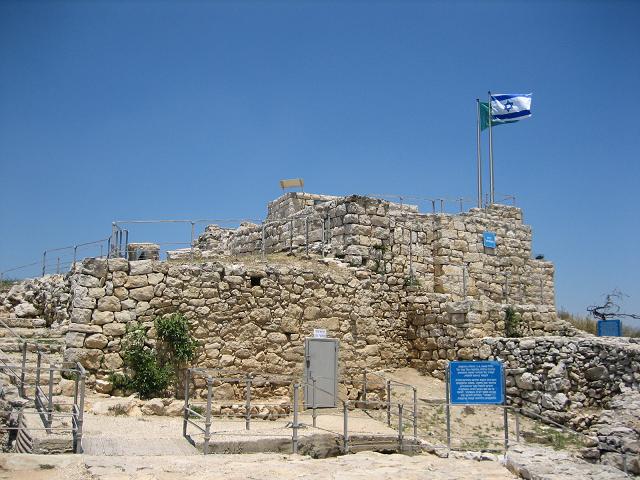
The castle is situated within the modern Ein Hemed national park and nature reserve, approximately seven kilometres west of Jerusalem. It stands out amid the natural landscape with its ruins overlooking a riverbed, surrounded by lush vegetation and streams that historically supported agricultural activity through irrigation.
The strategic role of Aqua Bella Castle in the Crusader Kingdom
During the Crusader period, the Kingdom of Jerusalem established several fortresses along key routes to control traffic and secure pilgrim access. Aqua Bella Castle was one of these important fortifications, built to assert control over the road west of Jerusalem. Its location allowed it to monitor and defend against hostile forces while serving as a logistical hub for the Knights Hospitaller.
The fortress was part of a defensive system that included other contemporaneous castles such as those at Tzova and Abu Ghosh. These castles formed a chain of strongholds that reinforced the Crusader presence in the region during the mid-12th century.
Architectural features and layout
The castle's remains reveal a substantial courtyard building measuring approximately 30 by 40 metres. The southern wall of this structure survives to an impressive height of 12 metres, showcasing the robust construction techniques of the Crusaders. The building included multiple gates and at least two arched halls, which would have served both defensive and residential purposes.
The fortress was constructed using local stone, with thick walls designed to withstand sieges and attacks. The presence of arched halls indicates an architectural style consistent with other Hospitaller fortifications of the period, combining military functionality with elements of comfort and administrative use.
Water management and agricultural use
The castle's proximity to natural springs allowed the Crusaders to develop irrigation systems supporting nearby farms. This was crucial for sustaining the garrison and local population, as well as for economic stability. The use of spring water reflects the strategic choice of location, combining military defense with resource management.
Archaeological significance and preservation
Archaeological investigations have helped clarify the castle's construction date and historical context. The site is relatively well preserved compared to other Crusader ruins, with significant portions of walls and structural elements intact. This preservation provides valuable insights into Crusader military architecture and settlement patterns in the region.
Today, the castle is part of a protected area that includes a nature reserve and a nearby Muslim cemetery to the south. The site attracts visitors interested in medieval history, archaeology, and natural beauty.
Visiting Aqua Bella Castle
Visitors to the Ein Hemed national park can explore the ruins of Aqua Bella Castle while enjoying the surrounding natural environment. The park offers walking trails, picnic areas, and opportunities to observe local flora and fauna. The castle's remains provide a tangible connection to the Crusader era and the historical struggles for control of Jerusalem.
The site is accessible year-round, with no significant restrictions on visiting hours. It is recommended to visit during cooler months to fully appreciate both the historical ruins and the natural landscape.
Frequently asked questions (FAQ)
- What is the historical significance of Aqua Bella Castle?
- Aqua Bella Castle, located in Beit Nekofa, Israel, dates back to the 12th century and is a notable example of Crusader architecture. It served as a strategic stronghold during the Crusades and reflects the rich history of the region, showcasing the blend of cultures over the centuries.
- When was Aqua Bella Castle built?
- Aqua Bella Castle was constructed in the early 12th century, specifically around the year 1130. It was built during the Crusader period and has since been a witness to various historical events, contributing to its allure and significance today.
- What are the opening hours for visiting Aqua Bella Castle?
- Aqua Bella Castle is open to visitors from 9:00 AM to 5:00 PM, Tuesday through Sunday. It is recommended to check the official website for any updates on holiday hours or special events that may affect visiting times.
- Can I take guided tours of Aqua Bella Castle?
- Yes, guided tours of Aqua Bella Castle are available and provide an in-depth look at its history and architecture. Tours are led by knowledgeable guides who can share fascinating stories and insights about the castle and its surroundings.
- Is Aqua Bella Castle accessible for visitors with mobility challenges?
- Aqua Bella Castle has made efforts to improve accessibility for all visitors. While some areas may be challenging due to the historical structure, there are designated pathways and facilities to assist those with mobility issues.
- What is the best time to visit Aqua Bella Castle?
- The best time to visit Aqua Bella Castle is during the spring and fall months when the weather is mild and pleasant. These seasons offer the most enjoyable experience for exploring the castle and its beautiful surroundings.
- What are the ticket prices for Aqua Bella Castle?
- Ticket prices for Aqua Bella Castle are generally around 30 NIS for adults and 15 NIS for children and seniors. Special discounts may be available for groups or on specific days, so it's worth checking the official site before your visit.
- Are there any nearby attractions to Aqua Bella Castle?
- Yes, there are several nearby attractions, including the scenic landscapes of the Judean Hills and the historical sites of Beit Shemesh. Additionally, visitors can explore local wineries and nature reserves that offer a full day of activities and exploration.
Information
Loading map...
Visitor reviews
No reviews yet. Been here? Write the first review and help other travelers!
Write the first reviewVisited this castle? Share your experience
Your review helps other travelers and adds first-hand knowledge to our encyclopedia.