Great Wall of China at Huanghuacheng
The Great Wall of China at Huanghuacheng is a remarkable section of the iconic Great Wall, known for its distinctive landscape and defensive architecture. Located in a mountainous region where the wall meets water, this segment offers a rare combination of natural and man-made fortifications. Unlike many other parts of the Great Wall, the Huanghuacheng section is famous for its water-filled moat that integrates with the surrounding lakes and reservoirs, creating a striking visual and strategic feature.
Architectural features and fortifications
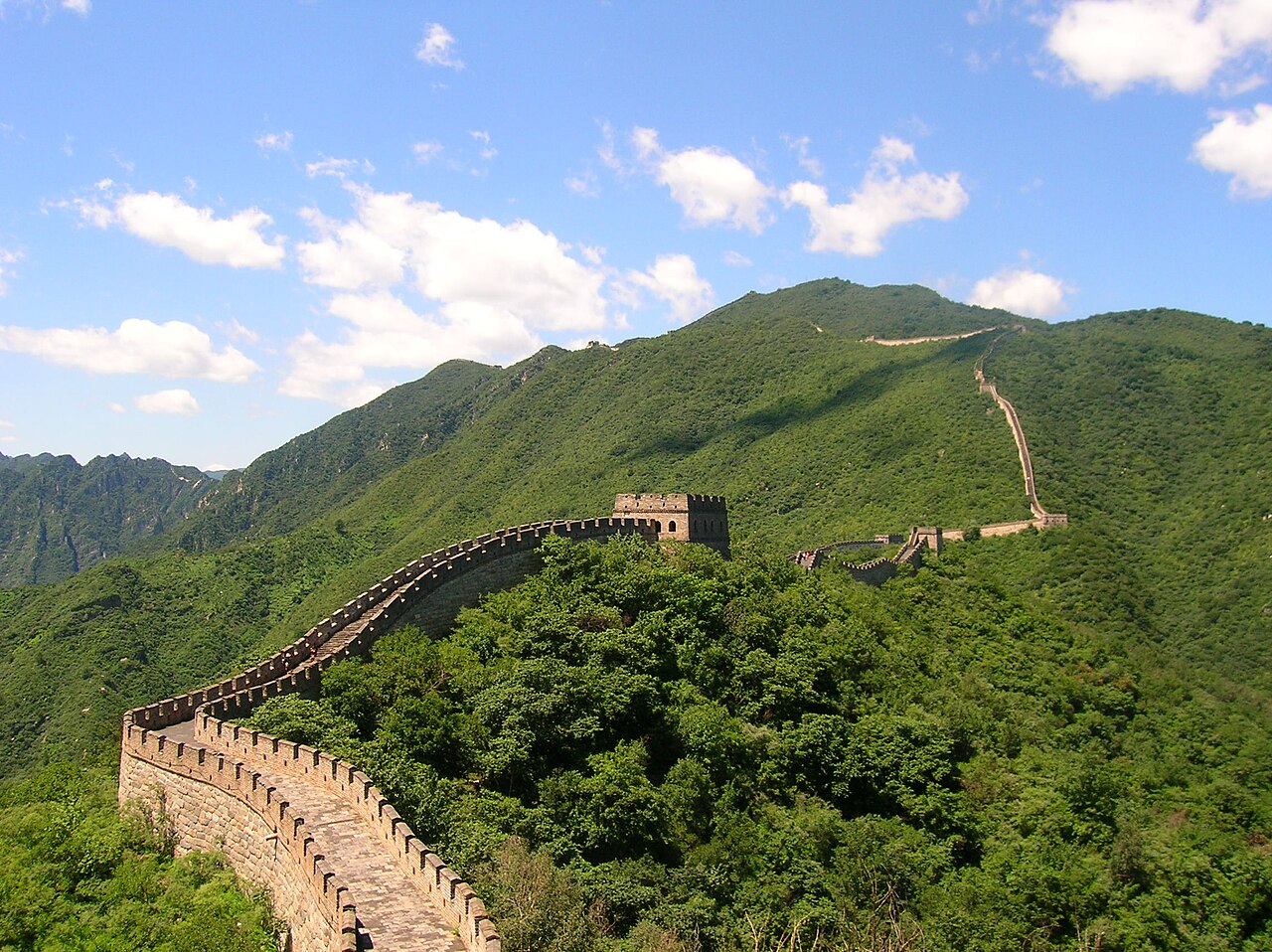
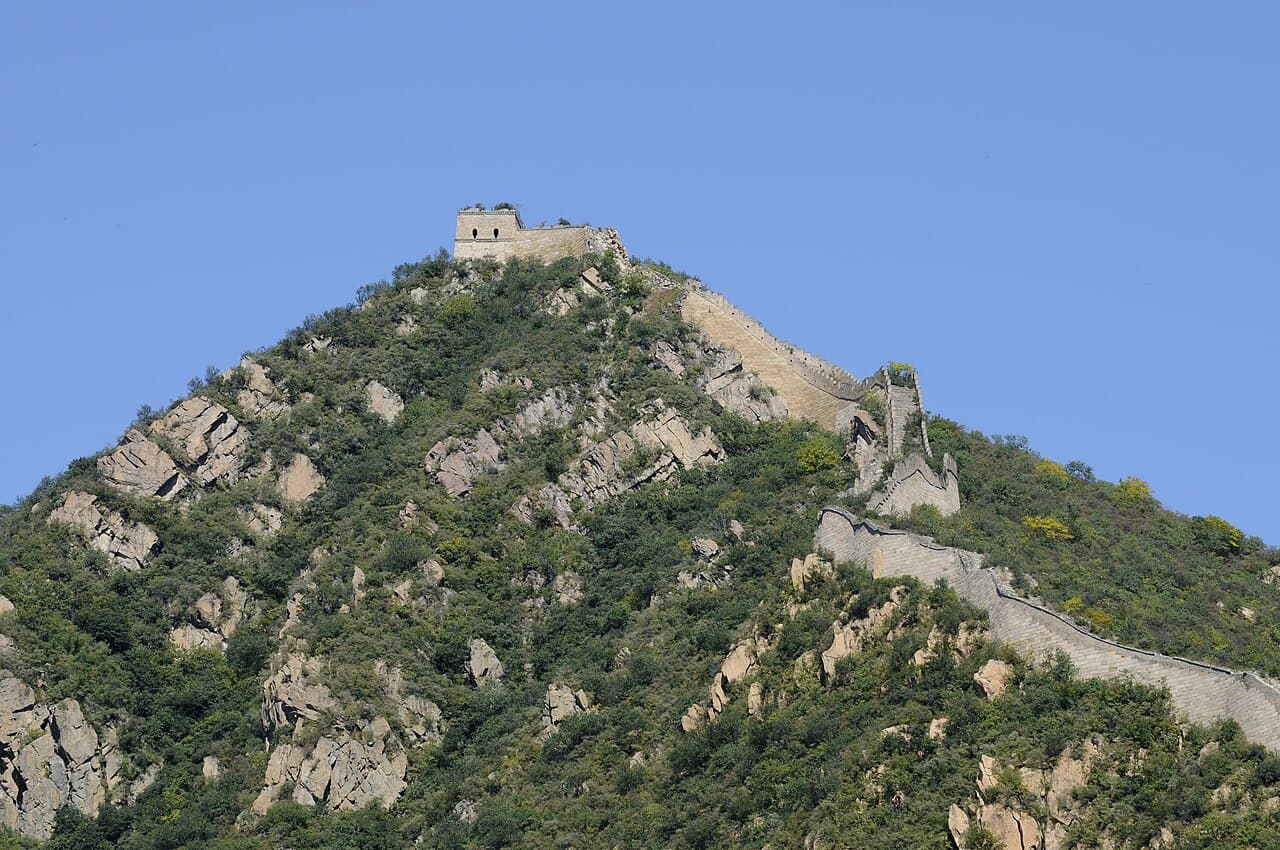
This part of the Great Wall exhibits characteristics of a bastioned fortress, with battlements and watchtowers designed to provide defense against invaders. The wall here is constructed primarily from stone and brick, materials typical of the Ming Dynasty period, which saw extensive rebuilding and reinforcement of the Great Wall. The towers are spaced at regular intervals, allowing for communication and surveillance across the rugged terrain.
The integration of the wall with the natural water bodies is a unique defensive strategy. The moats and reservoirs at Huanghuacheng serve both as a barrier to enemy forces and as a water source for the garrison stationed along this stretch. The steep hillsides enhance the defensive advantage, making direct assaults difficult.
Historical context and construction period
The Great Wall at Huanghuacheng was primarily built and reinforced during the Ming Dynasty (14th to 17th century), a period marked by significant military threats from northern nomadic tribes. The Ming rulers invested heavily in fortifying the wall, adding bastions, gates, and towers to improve its defensive capabilities. This section's construction reflects the strategic importance of controlling mountain passes and water routes.
Geographical setting and significance
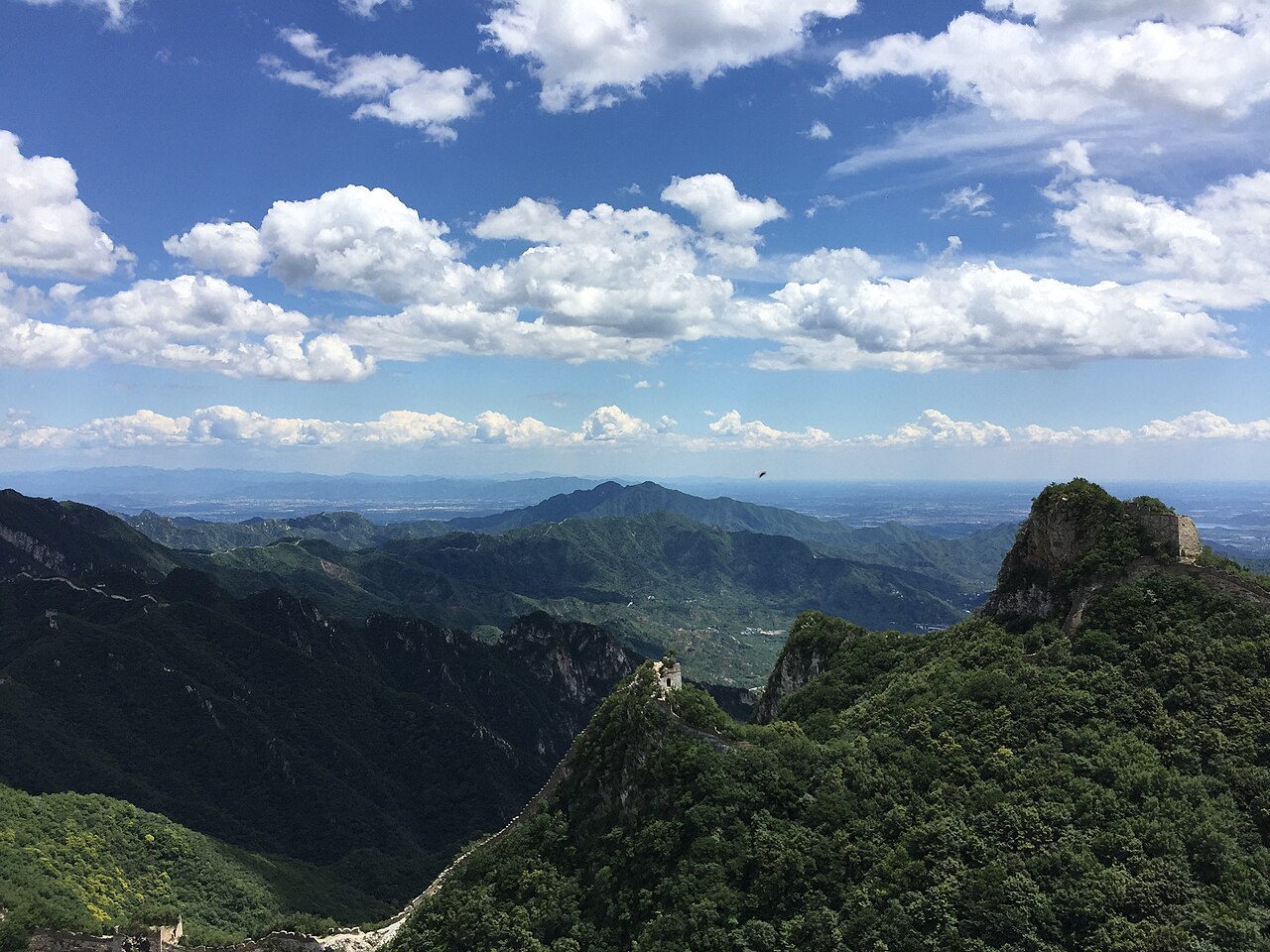
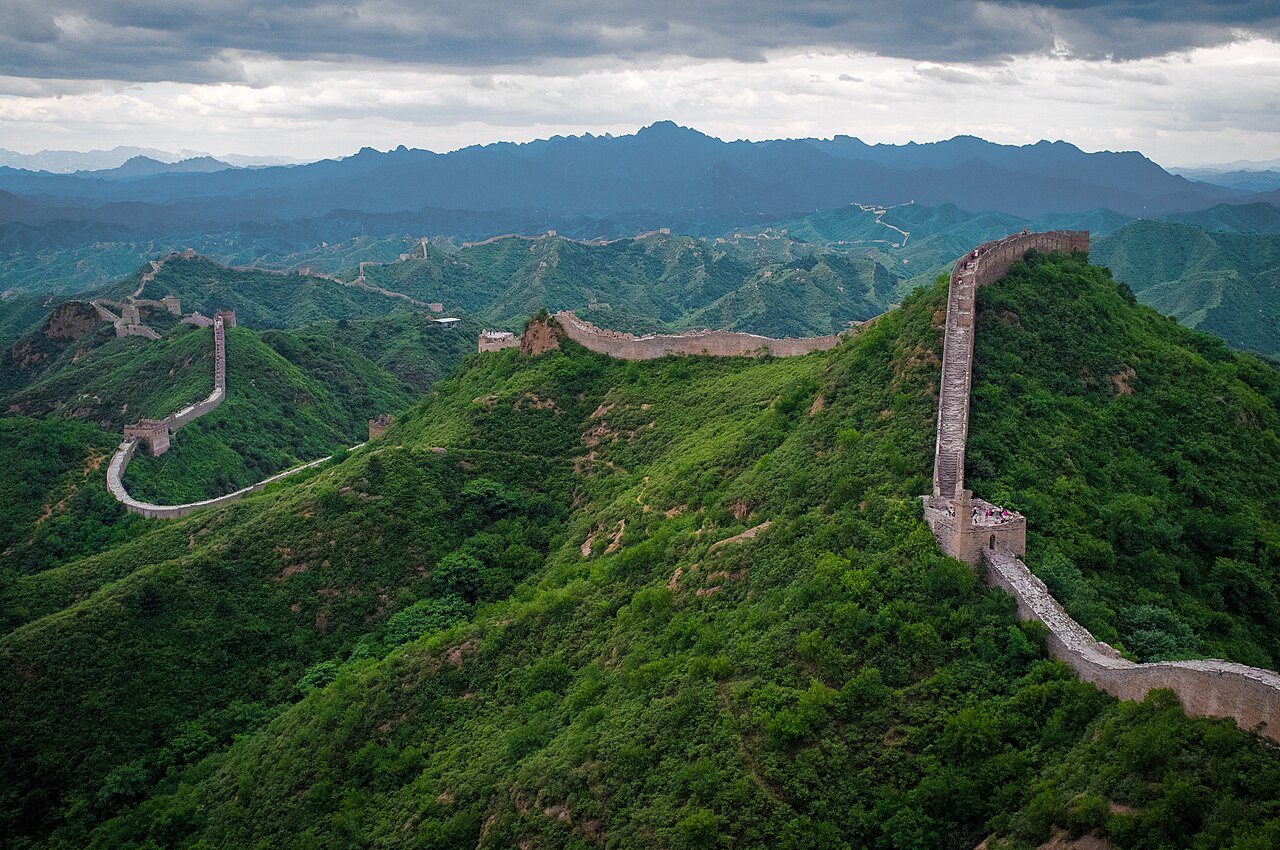
Huanghuacheng is located in the mountainous region northwest of Beijing, within the Hebei province. The wall here snakes along steep ridges and descends into valleys where water collects, creating the distinctive water-filled sections. This setting not only enhanced defense but also provided a scenic environment that contrasts with the more arid and rugged sections of the Great Wall.
The combination of hill castle elements with water defenses makes Huanghuacheng a rare example of a mixed defensive system in Great Wall architecture. The location's natural beauty and historical importance attract visitors interested in both military history and landscape photography.
Preservation and current condition
While some parts of the Great Wall at Huanghuacheng remain well-preserved, others have suffered from natural erosion and human activity. Restoration efforts have been undertaken to maintain the structural integrity of key sections, especially the towers and battlements. The water-filled moat areas are generally well-maintained, preserving the unique character of this fortress segment.
Visitors can explore the wall's pathways, climb the watchtowers, and observe the interaction between the stone fortifications and the surrounding lakes. The site offers a glimpse into the military engineering skills of the Ming Dynasty and the strategic use of landscape in ancient Chinese defense systems.
Visiting information and accessibility
The Huanghuacheng section is accessible from Beijing and nearby towns, with hiking trails leading to various parts of the wall. The site is less crowded than more famous sections like Badaling, providing a more tranquil experience. Visitors should wear appropriate footwear for uneven terrain and be prepared for steep climbs.
Guided tours are available that explain the historical and architectural significance of this bastioned fortress. The best time to visit is during spring and autumn when the weather is mild, and the natural scenery is at its most vibrant.
Frequently asked questions (FAQ)
- What is unique about the Great Wall of China at Huanghuacheng?
- The Huanghuacheng section is unique for its integration of water-filled moats with the wall's bastioned fortifications, combining natural and man-made defenses.
- When was the Huanghuacheng section of the Great Wall built?
- This section was primarily constructed and reinforced during the Ming Dynasty, between the 14th and 17th centuries.
- How can I visit the Great Wall at Huanghuacheng?
- The site is accessible from Beijing with hiking trails leading to the wall. It is less crowded than other sections, offering a quieter experience for visitors.
- What architectural features can I see at Huanghuacheng?
- Visitors can observe bastioned walls, watchtowers, battlements, and the unique water-filled moats that enhance the site's defense.
- Is the Great Wall at Huanghuacheng well-preserved?
- Parts of the wall are well-preserved and restored, especially the towers and battlements, while other areas show signs of erosion and wear.
Photo gallery

Information
Loading map...
Visitor reviews
No reviews yet. Been here? Write the first review and help other travelers!
Write the first reviewVisited this castle? Share your experience
Your review helps other travelers and adds first-hand knowledge to our encyclopedia.