Miaojiang Great Wall
The Miaojiang Great Wall (Chinese: 苗疆长城; pinyin: Miáojiāng Chángchéng), also known as the Southern Great Wall (Chinese: 南方长城; pinyin: Nánfāng Chángchéng), is a remarkable series of fortifications located in the Xiangxi Autonomous Region of Tujia and Miao in western Hunan Province, China. Stretching approximately 190 kilometres (120 miles), this extensive defensive structure primarily lies within Fenghuang County. Constructed during the Ming Dynasty, it was designed to protect the southern borders of the empire from incursions by local minority groups.
Historical context and construction
The Miaojiang Great Wall was initiated in 1554 under the Ming Dynasty, a period known for the expansion and fortification of China's borders. Construction continued intermittently until its completion in 1662. This timeline places the wall firmly within the Renaissance period in terms of global chronology, although Chinese architecture of the era followed its own distinct traditions.
The wall was primarily built as a bastioned fortress system, a defensive architectural style that incorporates projecting bastions or angular structures allowing defenders to cover adjacent walls with crossfire. This design was particularly suited to controlling the mountainous terrain and dense forests of southern China. The wall's purpose was to serve as a military barrier against the minority groups inhabiting the region, such as the Miao and Tujia peoples, who resisted central imperial control.
Architectural features and design
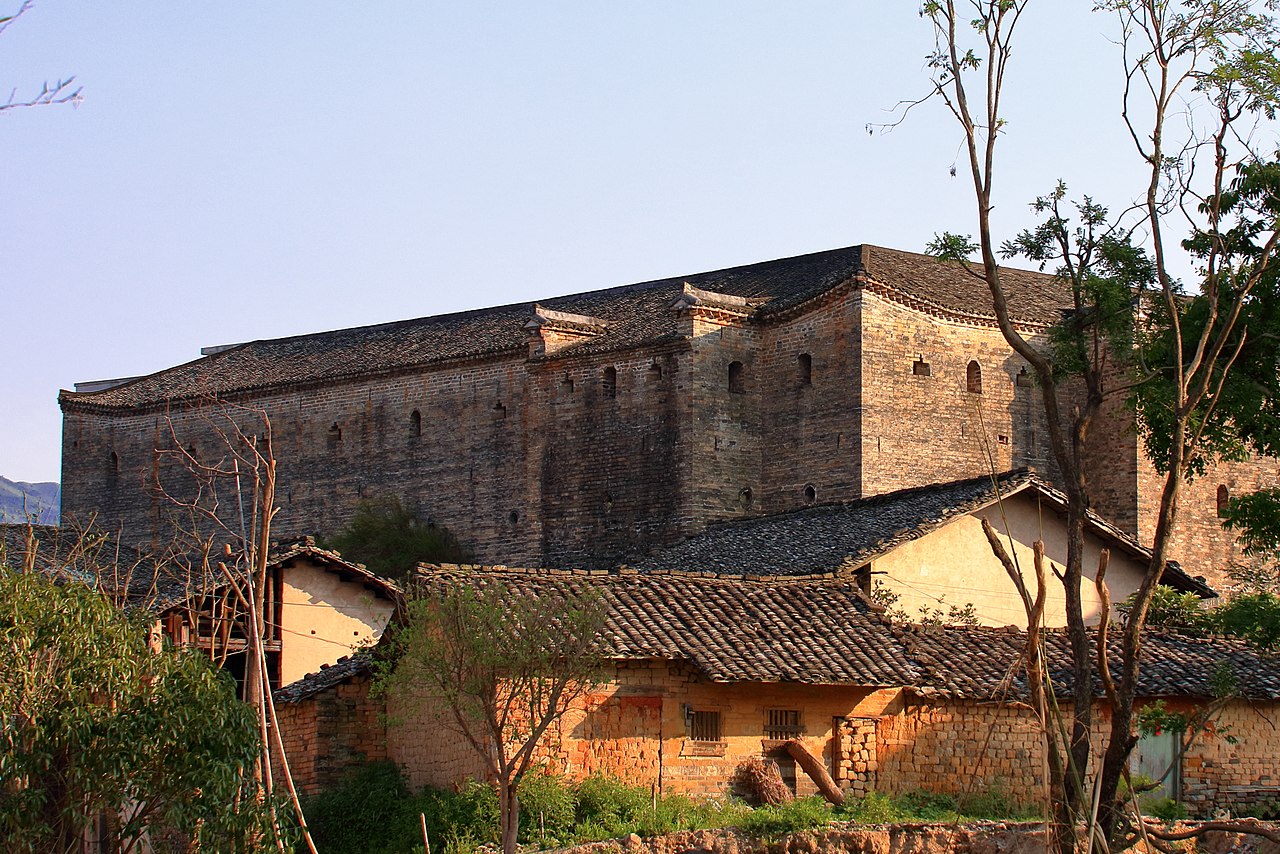
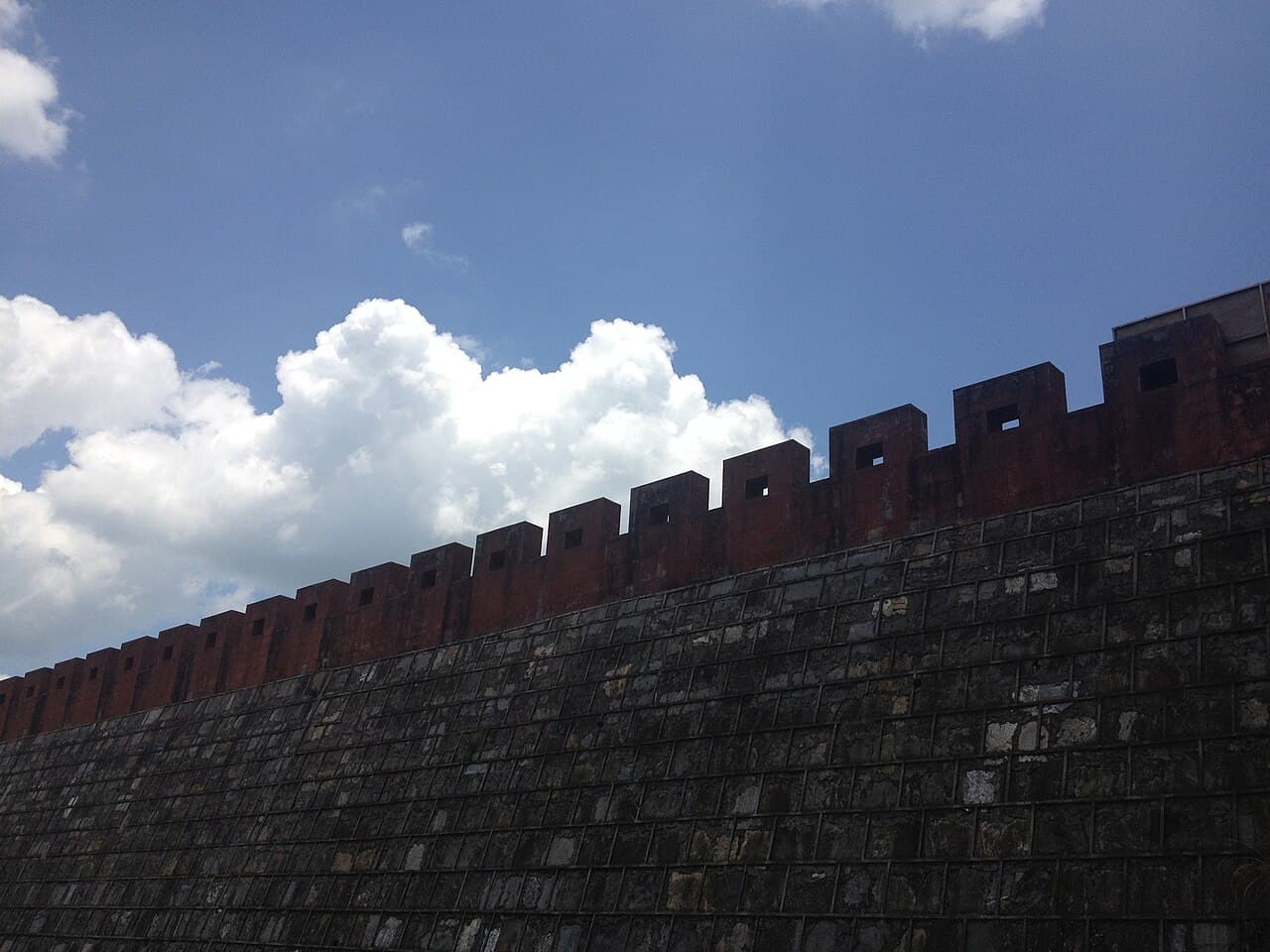
The Miaojiang Great Wall is constructed primarily from local stone and earth materials, resulting in a sturdy yet modestly sized fortification. The wall stands about 3 metres (9 feet 10 inches) high and measures approximately 2 metres (6 feet 7 inches) in width. Unlike the more famous northern Great Wall sections, which often feature towering battlements and watchtowers, the Miaojiang Wall is characterized by its low-profile bastions and defensive ramparts adapted to the southern landscape.
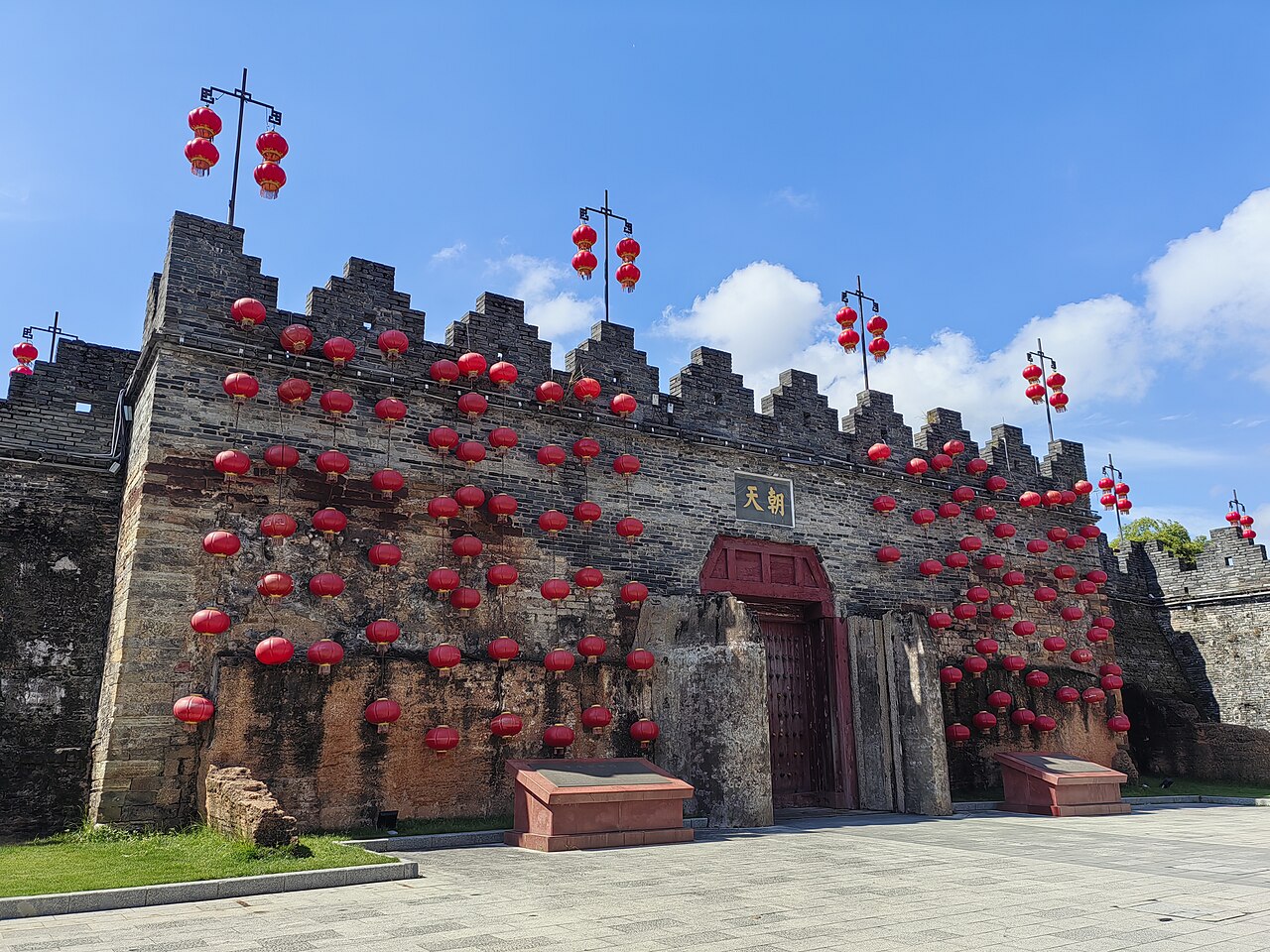
The wall includes numerous watchtowers and gates strategically placed to monitor movement and facilitate troop deployment. These structures were designed to maximize visibility over the rugged terrain and provide secure points for soldiers to repel attacks. The fortifications also incorporate moats and earthworks in certain sections to strengthen defense.
Geographical significance and strategic role
Located in the mountainous regions of western Hunan, the Miaojiang Great Wall served as a critical frontier defense line. The wall's position helped to control access to the interior of southern China, protecting important trade routes and agricultural areas from raids and rebellions. It also functioned as a symbol of imperial authority in a region marked by ethnic diversity and frequent resistance.
The wall's construction reflects the Ming government's efforts to consolidate control over its southern territories, which were culturally and ethnically distinct from the Han Chinese heartland. The fortifications helped to stabilize the region during a period of political and social upheaval, contributing to the relative peace and integration of minority areas into the empire.
Preservation and cultural heritage
Today, the Miaojiang Great Wall remains a significant cultural and historical monument. While some sections have suffered from erosion and human activity, many parts of the wall are well-preserved or partially restored. The site attracts historians, architects, and tourists interested in Ming dynasty military engineering and the complex history of southern China.
Efforts to protect and promote the wall emphasize its unique status as a bastioned fortress distinct from the more widely known northern Great Wall. It is recognized for its integration with the natural environment and its role in the cultural landscape of the Tujia and Miao ethnic groups.
Visitor information
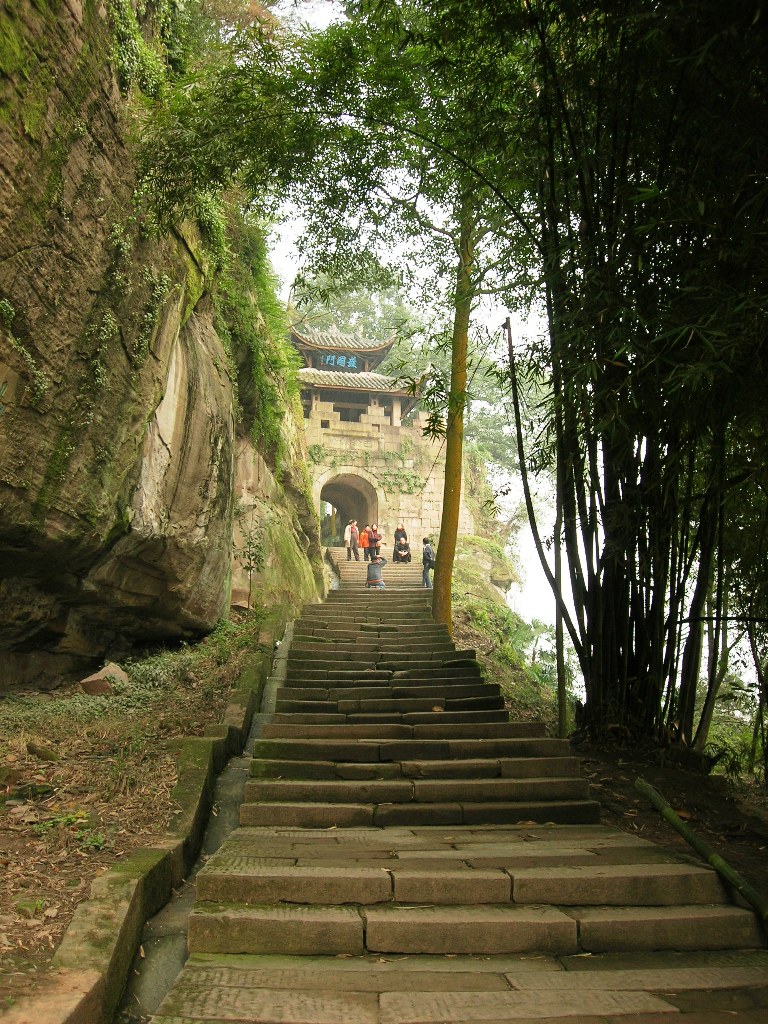
Visitors to the Miaojiang Great Wall can explore various accessible sections near Fenghuang County. The area offers hiking opportunities along the wall's path, providing panoramic views of the surrounding mountains and valleys. Interpretive signage and local guides help explain the historical and architectural significance of the fortifications.
The best time to visit is during the spring and autumn months when the weather is mild and the scenery is at its most vibrant. Visitors are encouraged to respect the site's cultural importance and natural environment during their exploration.
Frequently asked questions (FAQ)
- What is the historical significance of Miaojiang Great Wall?
- The Miaojiang Great Wall is an integral part of China's rich history, built during the Ming Dynasty to defend against invasions. It showcases the strategic military architecture of the era and reflects the cultural heritage of the region.
- When was the Miaojiang Great Wall constructed?
- The construction of the Miaojiang Great Wall began in the mid-15th century and continued into the 16th century. This makes it a significant historical structure that has stood for over 500 years, representing the military prowess of the Ming Dynasty.
- How do I get to the Miaojiang Great Wall?
- Visitors can reach the Miaojiang Great Wall by taking public transportation from nearby cities or hiring a local guide. It is advisable to check local bus schedules or consider a taxi for a more direct route.
- Is it possible to hike along the Miaojiang Great Wall?
- Yes, hiking along the Miaojiang Great Wall is a popular activity among visitors. The wall offers scenic views and a chance to explore its historic architecture, but be prepared for some steep and rugged terrain.
- What are the opening hours of Miaojiang Great Wall?
- The Miaojiang Great Wall is typically open from 8 AM to 6 PM, but it's always best to check local listings for any seasonal changes. Arriving early in the day can help you avoid crowds and enjoy a more peaceful experience.
- Can I buy tickets in advance for the Miaojiang Great Wall?
- Yes, tickets for the Miaojiang Great Wall can often be purchased in advance online or at the entrance. It is advisable to buy tickets ahead of time during peak tourist seasons to ensure your entry.
- What is the best time to visit the Miaojiang Great Wall?
- The best time to visit the Miaojiang Great Wall is during the spring (April to June) and autumn (September to November) months. During these periods, the weather is mild, and the scenery is particularly beautiful, enhancing your visit.
- Are there any nearby attractions to the Miaojiang Great Wall?
- Yes, there are several nearby attractions, including ancient villages and scenic parks that showcase local culture and natural beauty. It's a great opportunity to immerse yourself in the region's history and explore more of what the area has to offer.
Photo gallery

Information
Loading map...
Visitor reviews
No reviews yet. Been here? Write the first review and help other travelers!
Write the first reviewVisited this castle? Share your experience
Your review helps other travelers and adds first-hand knowledge to our encyclopedia.