Yanyi Wei — China castle

Yanyi Wei

Yanyi Wei castle in China
Post-Renaissance (17th–18th c.)
Well Preserved

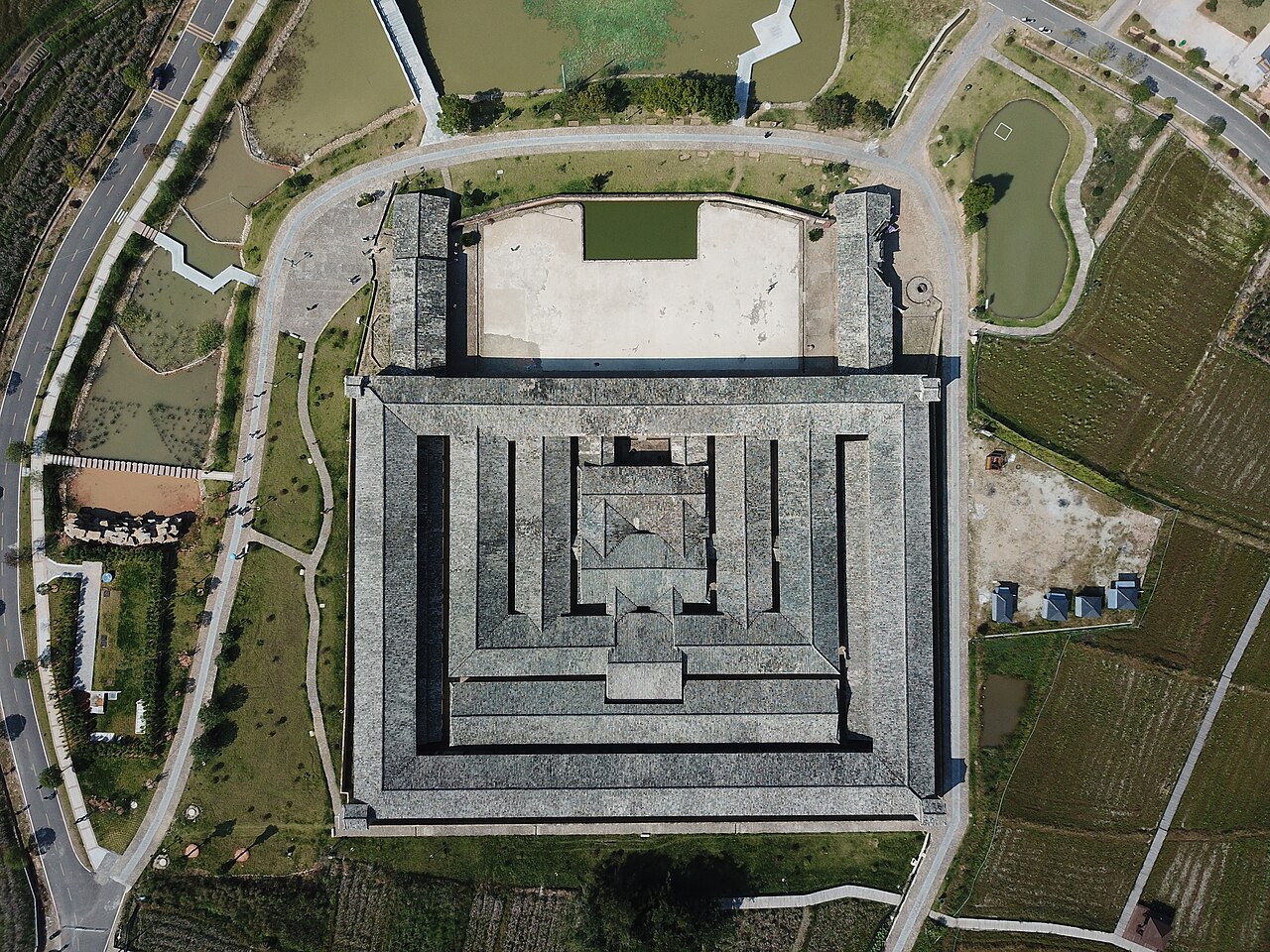
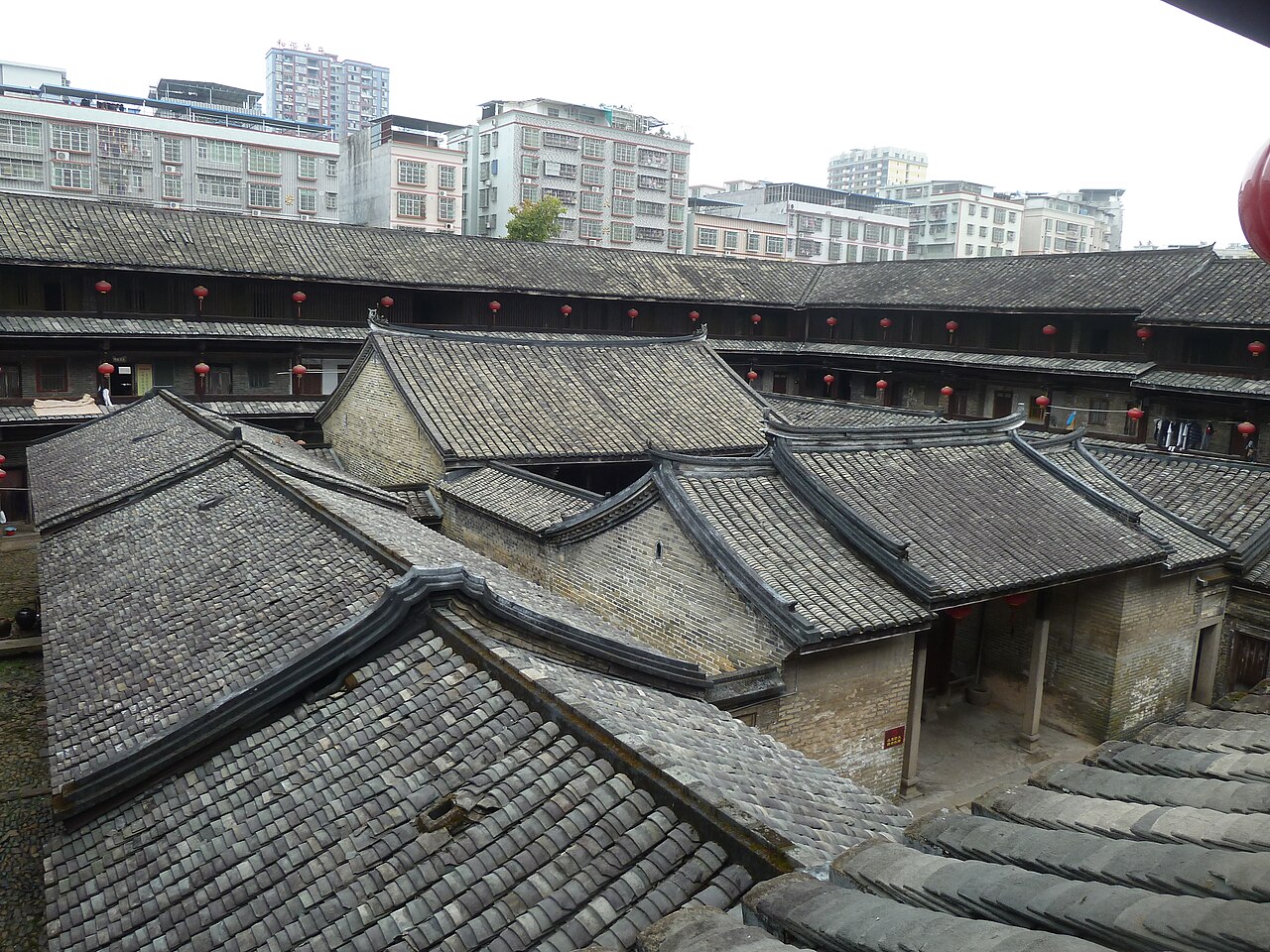
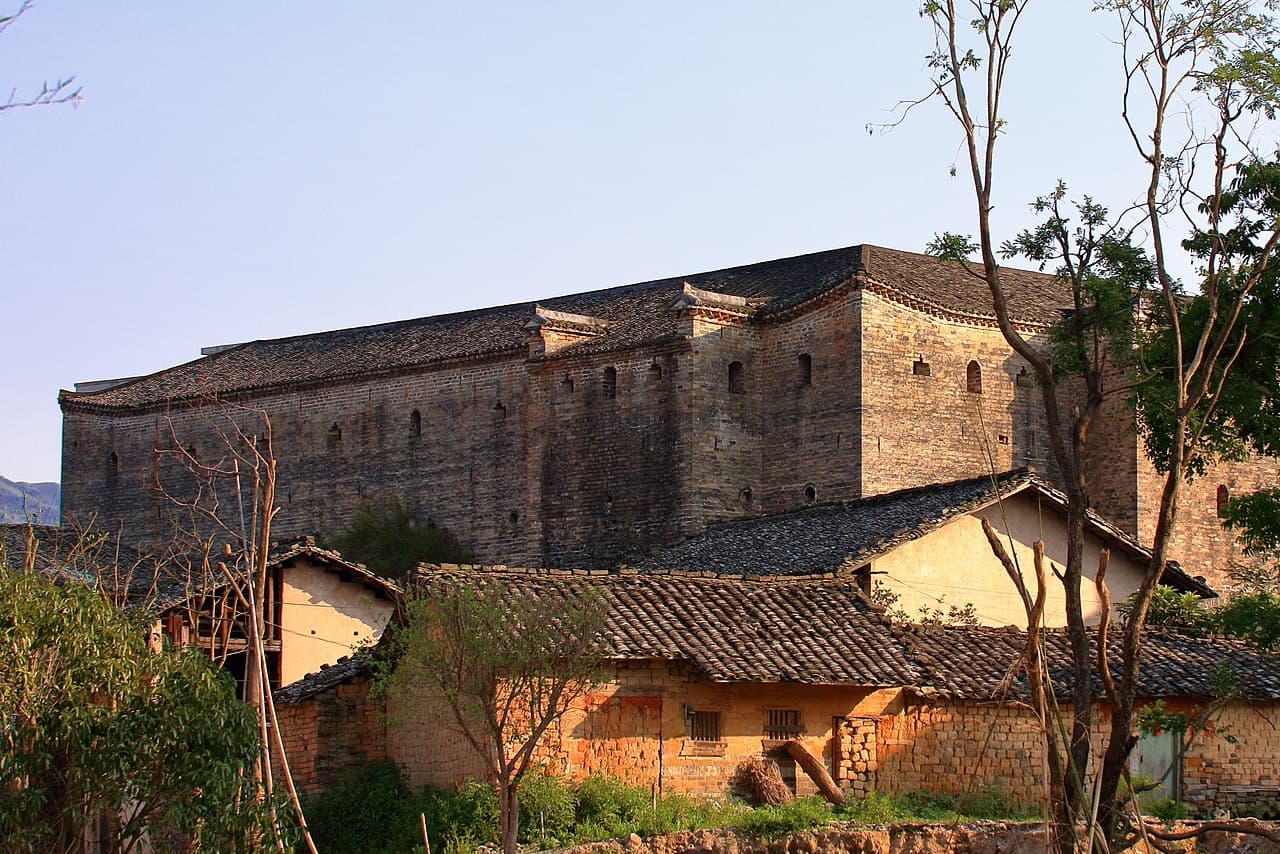
Yanyi Wei is a notable hill castle located in China, constructed in the 17th century. This castle is distinguished by its strategic placement on elevated terrain, a common defensive approach in Chinese fortification architecture. The castle's design reflects the military and architectural practices of its era, emphasizing natural topography for defense.

Historical context and significance

The construction of Yanyi Wei occurred during a period marked by regional conflicts and the need for fortified structures to control important routes and territories. The 17th century in China was a time of transition between the late Ming and early Qing dynasties, which influenced the castle's military function and architectural style.

Architectural features and layout

Defensive structures

The castle utilizes the natural elevation of a hill to enhance its defensive capabilities. The walls are built to follow the contours of the hill, creating a formidable barrier against attackers. Typical features include battlements and watchtowers strategically placed to provide wide visibility over the surrounding landscape.

Materials and construction techniques

Local stone and brick were commonly used in the construction of Yanyi Wei. The masonry techniques reflect traditional Chinese methods of the period, which combined durability with the ability to blend with the natural environment.

Strategic importance and usage

Historically, Yanyi Wei served as a military outpost to monitor and control movement through the region. Its hilltop position allowed for early warning of approaching forces and served as a stronghold during conflicts. The castle's role extended beyond military defense, including administrative functions related to local governance.

Preservation and current status

Today, Yanyi Wei is recognized for its cultural and historical value. While the exact condition varies, it is generally considered a well-preserved example of a 17th-century hill castle in China. Efforts to maintain and restore the structure have helped retain its architectural integrity and historical significance.

Visiting Yanyi Wei

Visitors to Yanyi Wei can explore its defensive walls, towers, and the surrounding landscape that once served as a natural fortress. The site offers insight into the military architecture of the era and the strategic importance of hilltop castles in Chinese history.

Frequently asked questions (FAQ)

What is the historical significance of Yanyi Wei castle?
Yanyi Wei castle was built in the 17th century during a period of regional conflict in China, serving as a strategic military outpost and administrative center.
Can visitors explore the entire castle?
Visitors can explore the defensive walls, watchtowers, and surrounding areas of Yanyi Wei, gaining insight into its military architecture and historical role.
What materials were used in the construction of Yanyi Wei?
The castle was constructed using local stone and brick, employing traditional Chinese masonry techniques of the 17th century.

Photo gallery

Yanyi Wei
Click to view

Photo by Jim X•CC BY-SA 4.0

1 photo • Click any image to view in full screen

Information

Hill Castle

Loading map...

Visitor reviews

No reviews yet. Been here? Write the first review and help other travelers!

Write the first review

Visited this castle? Share your experience

Your review helps other travelers and adds first-hand knowledge to our encyclopedia.
Write a review

(5/5)

0/2000 characters

Your review will be visible after admin approval

Nearby castles

38.9 km
Yuzaitan Wei — China castle

Yuzaitan Wei

, China

Yuzaitan Wei is an ancient hill castle located in China, notable for its strategic placement and historical role in regional defense. Although the exact city location remains uncertain, the castle is recognized for its elevated position, which provided natural advantages for surveillance and protection against invaders.Historical context and significanceThe castle likely dates back to a period when hilltop fortifications were essential for military and administrative control in the region. While precise construction dates are not documented, hill castles such as Yuzaitan Wei were typically established during periods of conflict or political fragmentation in Chinese history, serving as strongholds for local lords or military commanders.Architectural features and designYuzaitan Wei exemplifies the characteristics of a hill castle, constructed to exploit the natural terrain for defense. The castle's layout would have been adapted to the contours of the hill, featuring stone walls and possibly watchtowers positioned to maximize visibility over the surrounding landscape. The use of local materials and traditional construction techniques would have been integral to its design.Defensive structuresThe castle likely included fortified gates and battlements to repel attackers. Its elevated position offered a tactical advantage, allowing defenders to monitor approaching forces and control key routes in the area.Cultural and heritage valueAs a historical fortification, Yuzaitan Wei contributes to the understanding of regional defensive architecture in China. Its preservation, even if partial or in ruins, offers insights into the military strategies and settlement patterns of the era in which it was active.Current status and preservationInformation on the current condition of Yuzaitan Wei is limited. Given the nature of many ancient hill castles in China, it may exist as a ruin or partially preserved site, reflecting centuries of exposure to natural and human influences. Efforts to document and conserve such sites are important for maintaining cultural heritage.

Details
81.4 km
Dongsheng Wei — China castle

Dongsheng Wei

, China

Dongsheng Wei is a 19th-century hill castle located in China, distinguished by its strategic positioning atop a hill which provided natural defense advantages. As a hill castle, it was constructed to utilize the elevated terrain for surveillance and protection against potential invaders, a common practice in castle building to maximize defensive capabilities. Historical context and construction Built during the modern period of the 19th century, Dongsheng Wei reflects the transitional architectural trends of its time in China. The castle was likely constructed amidst a period of regional conflicts and social changes, where fortifications were adapted to new military technologies and local needs. Although detailed records of its founder or exact historical events are scarce, the castle's existence indicates the continued importance of fortified structures in certain areas of China during this era. Architectural features and layout The castle's design capitalizes on the natural contours of the hill, incorporating defensive walls that follow the terrain's irregularities. Typical features include watchtowers positioned to provide wide-ranging views of the surrounding landscape, enabling early detection of approaching threats. The entrance is likely fortified with a gatehouse, designed to control access and enhance security. Inside the castle, there would have been courtyards and living quarters arranged to support the garrison and any residents. The construction materials probably included locally sourced stone and wood, combining durability with the availability of resources. Strategic significance and location Situated on a hill, Dongsheng Wei served as a vantage point overseeing important routes or territories. This elevated position not only provided defensive benefits but also allowed for communication signals and coordination with other nearby fortifications or settlements. Preservation and current state While specific details about the current condition of Dongsheng Wei are limited, hill castles from this period in China often face challenges related to weathering and human impact. Preservation efforts, if any, would focus on maintaining the structural integrity of the walls and towers to safeguard this piece of regional heritage. Visiting and cultural importance As a historical site, Dongsheng Wei offers insights into the military architecture and regional history of 19th-century China. Visitors interested in castle architecture and Chinese history may find the site valuable for understanding the adaptation of traditional fortification techniques during the modern era.

Modern (19th–20th c.)
Details
209.7 km
Tai'an Lou — China castle

Tai'an Lou

, China

Tai'an Lou is a notable example of an 18th-century hill castle located in China, constructed during the post-Renaissance period. This castle exemplifies the architectural and strategic characteristics typical of hilltop fortifications from this era in China. Positioned on elevated terrain, Tai'an Lou was designed to leverage natural topography for defense, providing commanding views of the surrounding landscape and enhancing its military advantage.Architectural features and designThe castle's construction reflects the post-Renaissance architectural style, which in the Chinese context often involved the integration of traditional building techniques with influences from broader architectural developments of the 17th and 18th centuries. Tai'an Lou features robust stone walls adapted to the uneven terrain of the hill, with defensive battlements and watchtowers strategically placed to monitor and repel potential attackers.The layout of Tai'an Lou is typical of hill castles, with a series of terraced courtyards and interconnected buildings that follow the contours of the hill. The castle's gatehouse and main entrance are fortified, designed to control access and withstand sieges. Internal structures likely included residential quarters, storage facilities, and defensive positions, although detailed records of the interior arrangement are limited.Historical context and significanceConstructed in the 18th century, Tai'an Lou was built during a period of relative stability in China but still required fortifications due to regional conflicts and the need for local defense. Hill castles like Tai'an Lou served as military strongholds and administrative centers, controlling important routes and territories.The castle's strategic location on a hill provided a natural defense mechanism, allowing defenders to spot approaching enemies from a distance. This advantage was crucial in an era when artillery and siege tactics were evolving, necessitating strong defensive positions.Preservation and current statusToday, Tai'an Lou remains a significant cultural and historical site, though its precise condition varies. As a hill castle from the 18th century, it offers valuable insights into the military architecture and regional defense strategies of the time. Preservation efforts focus on maintaining the structural integrity of the walls and key architectural elements while allowing visitors to explore the site and appreciate its historical importance.Visitor experience and accessibilityVisitors to Tai'an Lou can experience the castle's commanding views and explore its terraced courtyards and defensive structures. The site provides a tangible connection to China's post-Renaissance military architecture and the strategic use of natural landscapes in castle construction.While specific visitor amenities and access details may vary, Tai'an Lou is generally accessible to those interested in historical architecture and Chinese heritage sites. Its location on a hill means that some physical exertion is required to reach the castle, but the panoramic views and historical significance reward the effort.

Post-Renaissance (17th–18th c.)
Details