Juyongguan
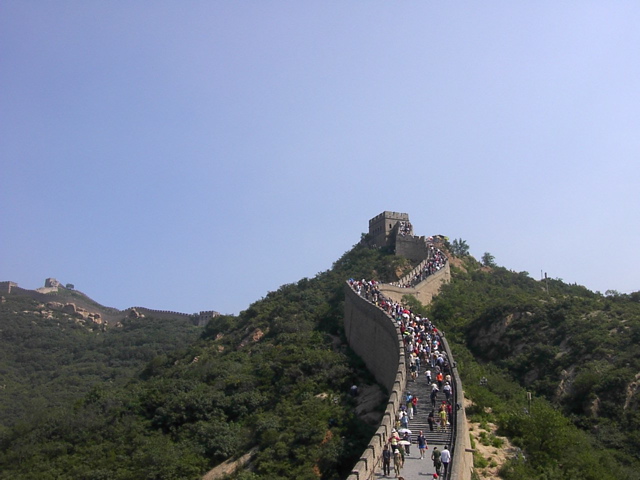
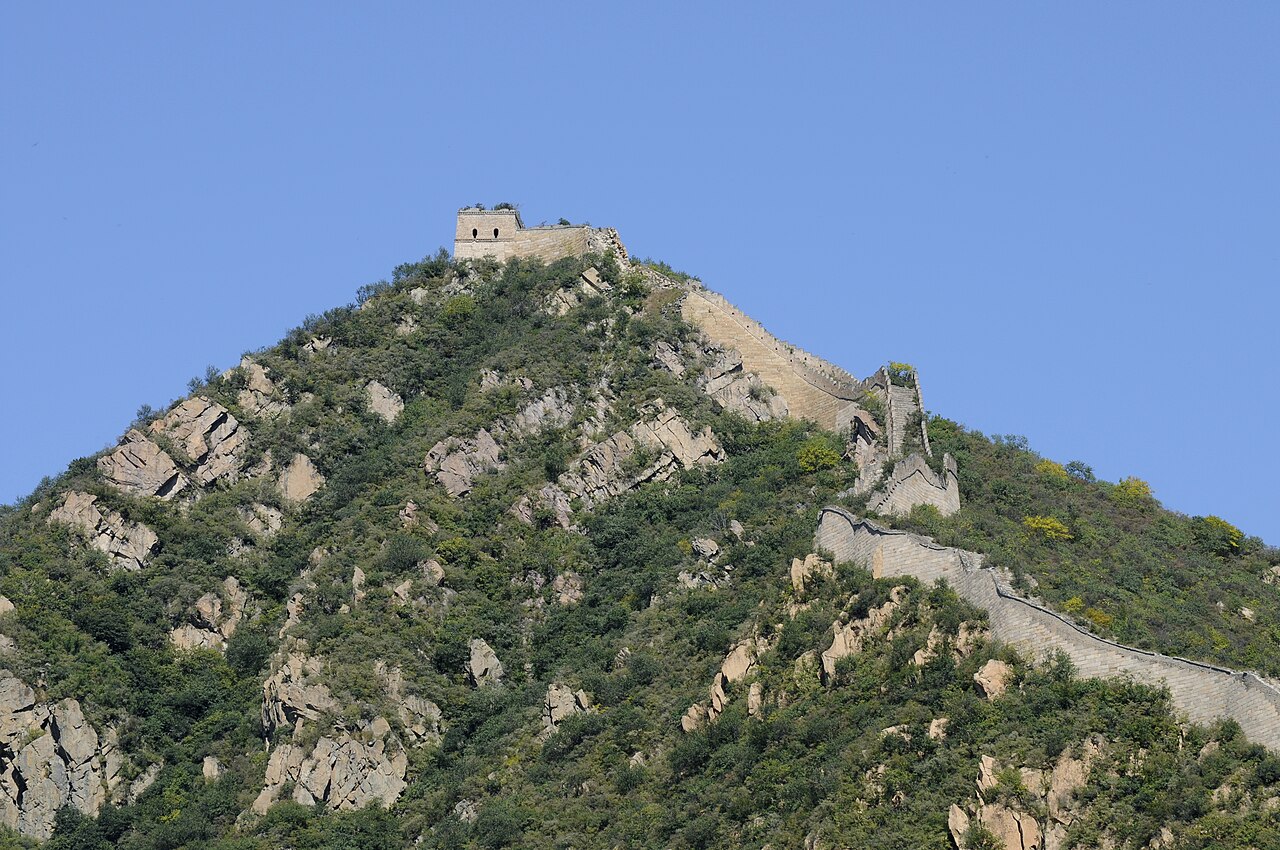
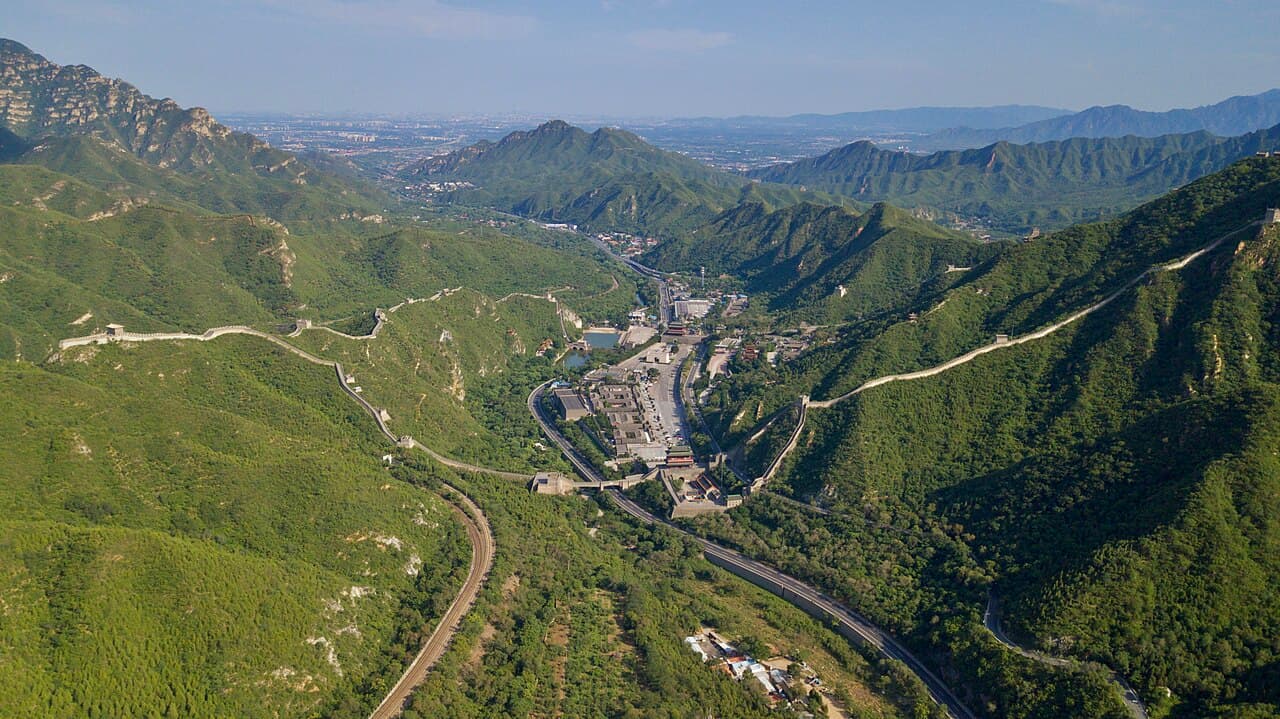
Juyongguan, also known as Juyong Pass, is a significant fortified mountain pass situated in the Changping District of Beijing Municipality, approximately 50 kilometers northwest of central Beijing. This strategic location has been a crucial military gateway through the Yan Mountains since ancient times, serving as a defensive choke point on the northern approaches to the Chinese capital. The pass is famously traversed by a prominent section of the Great Wall of China, making it an important cultural and historical landmark.
Historical significance and construction
The fortifications at Juyongguan were extensively developed during the 14th century, under the Yuan Dynasty. The bastioned fortress at the pass was constructed to strengthen the defense of the Great Wall in this mountainous region. The pass itself has been a strategic military site for centuries, controlling access between the northern steppes and the heartland of China.
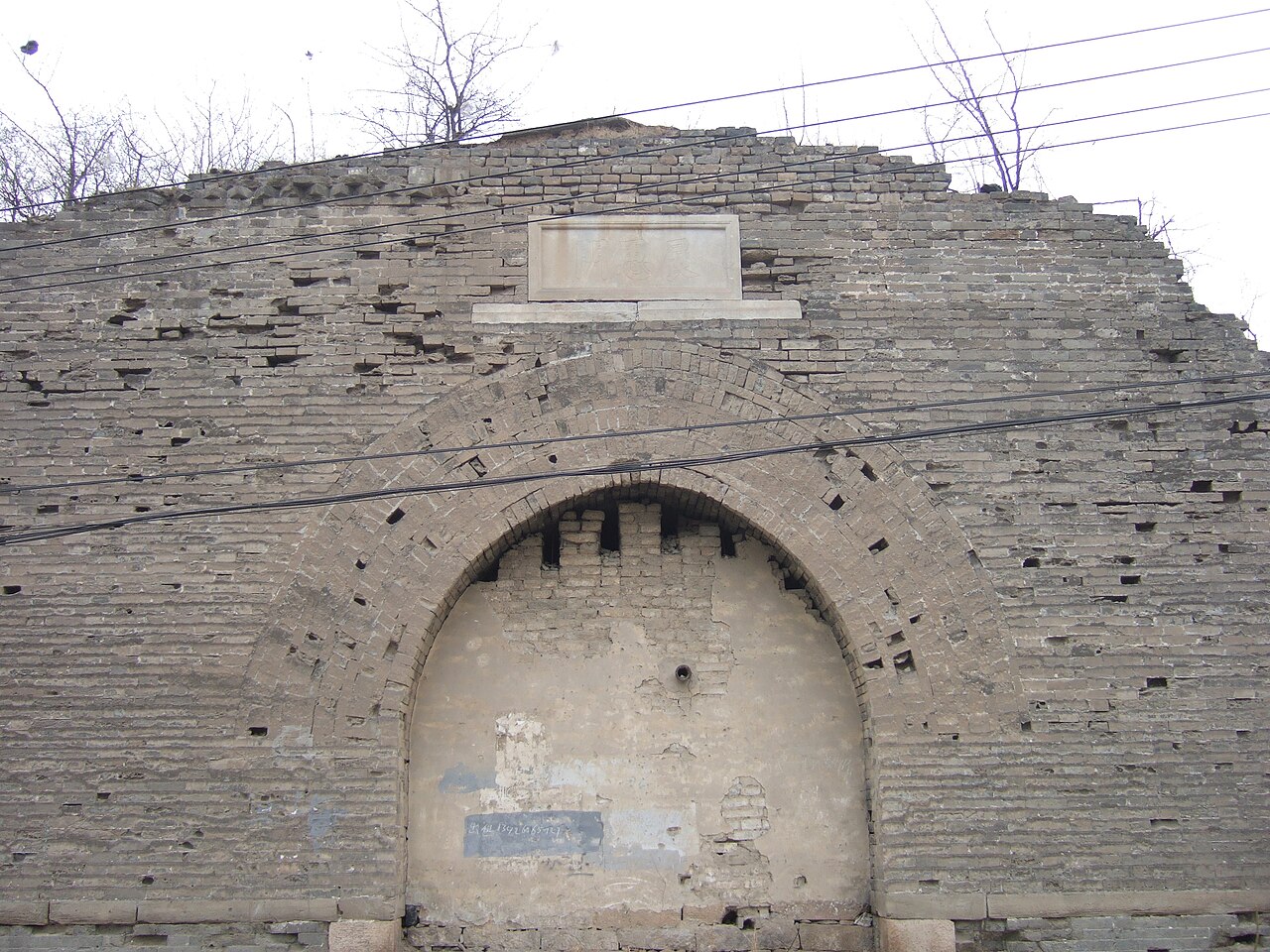
One of the most notable architectural features at Juyongguan is the Cloud Platform (Yuntai), built in 1342. This elevated marble platform served as a ceremonial gateway and is adorned with intricate Buddhist carvings and inscriptions in multiple languages, reflecting the cultural exchanges during the Yuan era.
Architectural features and layout
The fortress at Juyongguan is characterized by massive stone walls reinforced with bastions designed for artillery defense, an advanced military architecture feature for its time. The walls follow the natural contours of the mountain pass, creating a formidable barrier against invaders.
The pass includes several gates and watchtowers that allowed defenders to monitor and control movement through the narrow mountain corridor. The design integrates defensive battlements, arrow slits, and parapets to provide protection for soldiers while maximizing their offensive capabilities.
The Great Wall section at Juyongguan is part of the larger Ming-era wall system, though the fortress itself predates the Ming and was incorporated into later defenses. The combination of natural terrain and man-made fortifications exemplifies traditional Chinese military engineering.
Role in Chinese military history
Juyongguan's location made it a pivotal point in the defense against northern nomadic tribes and later Mongol invasions. Throughout the Late Medieval period, it served as a frontline fortress safeguarding the capital. The pass witnessed numerous military campaigns and was a critical stronghold in maintaining the security of Beijing.
Its robust construction and strategic placement enabled it to withstand sieges and control key transportation routes. The fortress also functioned as a customs checkpoint and military garrison, underscoring its multifaceted role in imperial defense and administration.
Preservation and modern significance
Today, Juyongguan is well preserved and accessible to visitors as part of the Great Wall tourist attractions near Beijing. Restoration efforts have maintained the integrity of the fortress walls, gates, and the Cloud Platform, allowing for a clear understanding of its historical and architectural importance.
The site offers panoramic views of the surrounding mountains and the winding Great Wall, providing insight into the scale and complexity of China's ancient defensive systems. It remains a symbol of China's historical resilience and engineering prowess.
Frequently asked questions (FAQ)
- How do I get to Juyongguan Castle?
- Juyongguan Castle is located in the Changping District of Beijing, China. Visitors can reach the castle by taking a taxi, which is the most convenient option, or by using public transportation such as buses that connect to the area. If you're coming from central Beijing, the trip usually takes about an hour, depending on traffic.
- What is the historical significance of Juyongguan Castle?
- Juyongguan is one of the most famous passes of the Great Wall of China, originally built during the Ming Dynasty in the 14th century. It served as a strategic military stronghold and played a vital role in defending against invasions. The castle is not only an architectural marvel but also a symbol of China's historical resilience.
- When was Juyongguan Castle constructed?
- Juyongguan Castle was constructed in the early 15th century, during the Ming Dynasty. It was built as part of the Great Wall to protect the capital city of Beijing from northern invasions. Over the centuries, it has undergone several renovations to preserve its structure and historical significance.
- Can I visit Juyongguan Castle year-round?
- Yes, Juyongguan Castle is open to visitors year-round, though accessibility may vary slightly depending on the season. The best time to visit is during the spring and autumn months when the weather is mild and the surrounding scenery is particularly beautiful. Summer can be hot, and winter may bring snow, which can affect travel plans.
- Why is Juyongguan Castle considered an architectural marvel?
- Juyongguan Castle showcases impressive Ming Dynasty architecture, characterized by its robust stone walls and watchtowers. The castle's strategic design incorporates natural landscapes, enhancing both its defense capabilities and aesthetic appeal. Visitors can admire the intricate details and craftsmanship that reflect the technological advancements of the era.
- Is it possible to hike around Juyongguan Castle?
- Yes, visitors can enjoy hiking around Juyongguan Castle, as it is situated near various trails along the Great Wall. Hiking provides an opportunity to experience the stunning views of the surrounding mountains and valleys. It is recommended to wear comfortable footwear and be prepared for varying terrain.
- What are the ticket prices for Juyongguan Castle?
- The ticket prices for Juyongguan Castle are generally affordable, with discounts available for students and seniors. As of the latest updates, entrance fees hover around 30 RMB for adults, making it accessible for most visitors. It’s best to check for any changes in pricing before your visit.
- What are the opening hours for Juyongguan Castle?
- Juyongguan Castle is typically open from 8:00 AM to 5:00 PM, though hours may vary depending on the season. Visitors are encouraged to arrive early to enjoy the site with fewer crowds and to allow ample time for exploration. Always check the official website or local resources for the most current information on opening hours.
- Are there any nearby attractions to Juyongguan Castle?
- Yes, there are several nearby attractions to explore, including the scenic Ming Tombs, which are a short drive away. Additionally, visitors can enjoy the beautiful landscapes at the surrounding nature parks. Combining these sites with a trip to Juyongguan Castle makes for a fulfilling day of sightseeing.
Photo gallery

Information
Loading map...
Visitor reviews
No reviews yet. Been here? Write the first review and help other travelers!
Write the first reviewVisited this castle? Share your experience
Your review helps other travelers and adds first-hand knowledge to our encyclopedia.