Historical context and significance
The castle dates back to a period when fortified settlements were crucial for regional control in China. Its construction likely aligns with early medieval or medieval periods, when hilltop fortifications were commonly employed to maximize defensive advantages. These castles served as military bases, administrative centers, and refuges for local populations during times of conflict.
Architectural features and layout
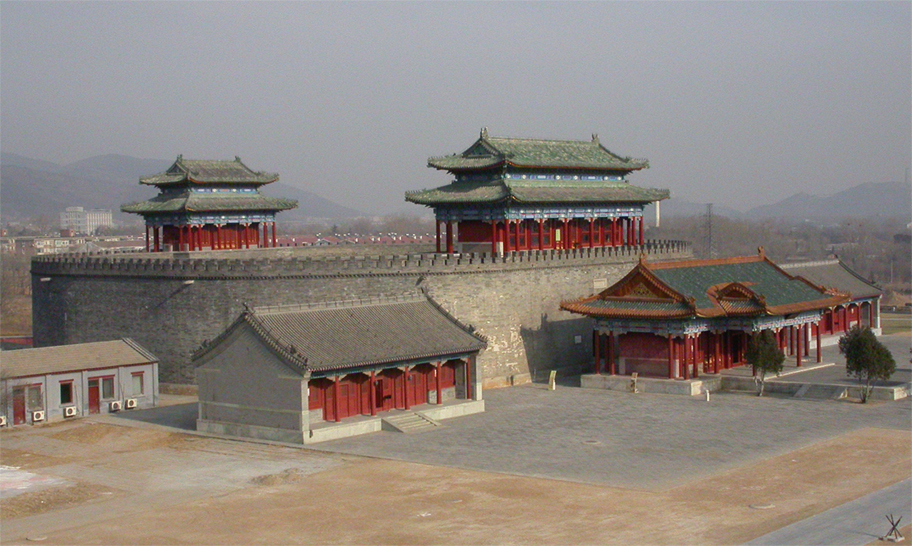
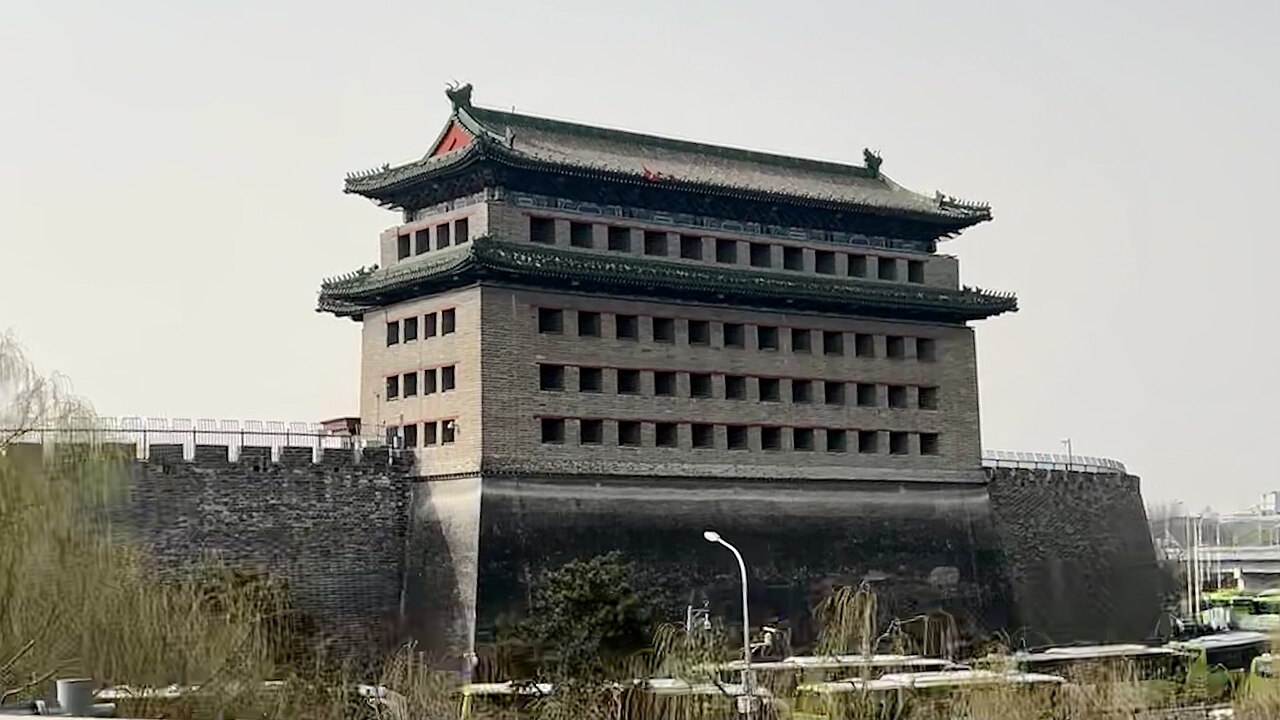
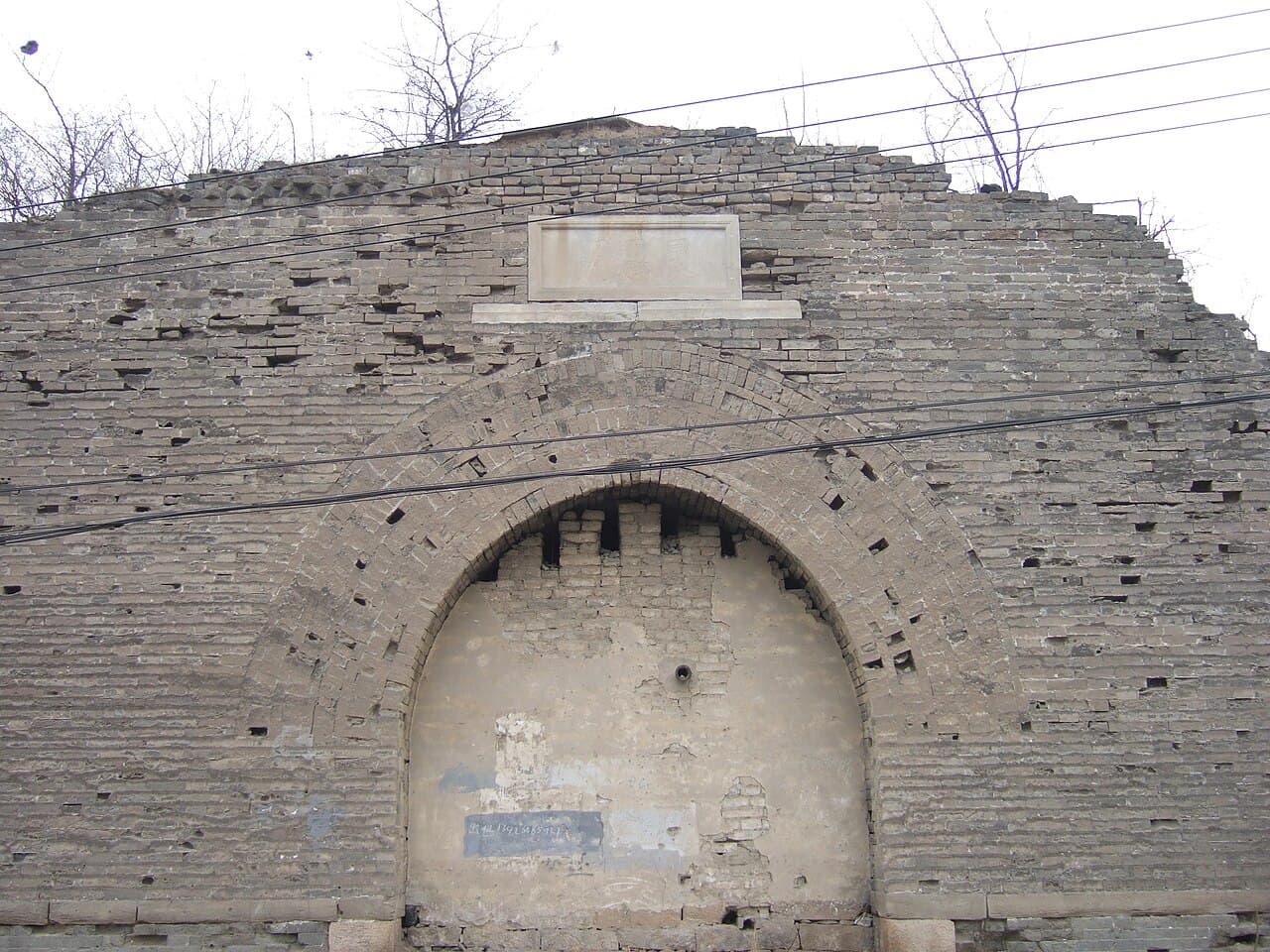
Gonghuacheng's classification as a hill castle indicates it was built on elevated ground, utilizing natural slopes and terrain to enhance its defensive capabilities. Typical features of such castles include thick stone walls, battlements, watchtowers, and possibly a moat or ditch to deter attackers. The castle's walls would have been constructed to withstand siege weaponry and provide vantage points for archers and lookouts.
The castle likely contained several key structures such as a keep or donjon serving as the last line of defense and residence for the lord or commander. Surrounding courtyards and chambers would have accommodated soldiers, storage, and administrative functions. The entrance would have been heavily fortified with gates and defensive works to control access.
Defensive advantages of hilltop location
Building on a hill allowed Gonghuacheng to command extensive views of the surrounding landscape, enabling early detection of approaching enemies. The elevation also made direct assaults more difficult, as attackers had to ascend steep slopes under defensive fire. This natural advantage was a common strategic choice in Chinese fortifications to enhance security and control over trade routes or territories.
Cultural and historical legacy
While specific historical records about Gonghuacheng are limited, castles of this type played an essential role in the military and political history of China. They were centers of power for local rulers and served as symbols of authority and protection for the communities they governed. The preservation of such sites contributes to understanding China's regional defense strategies and architectural evolution.
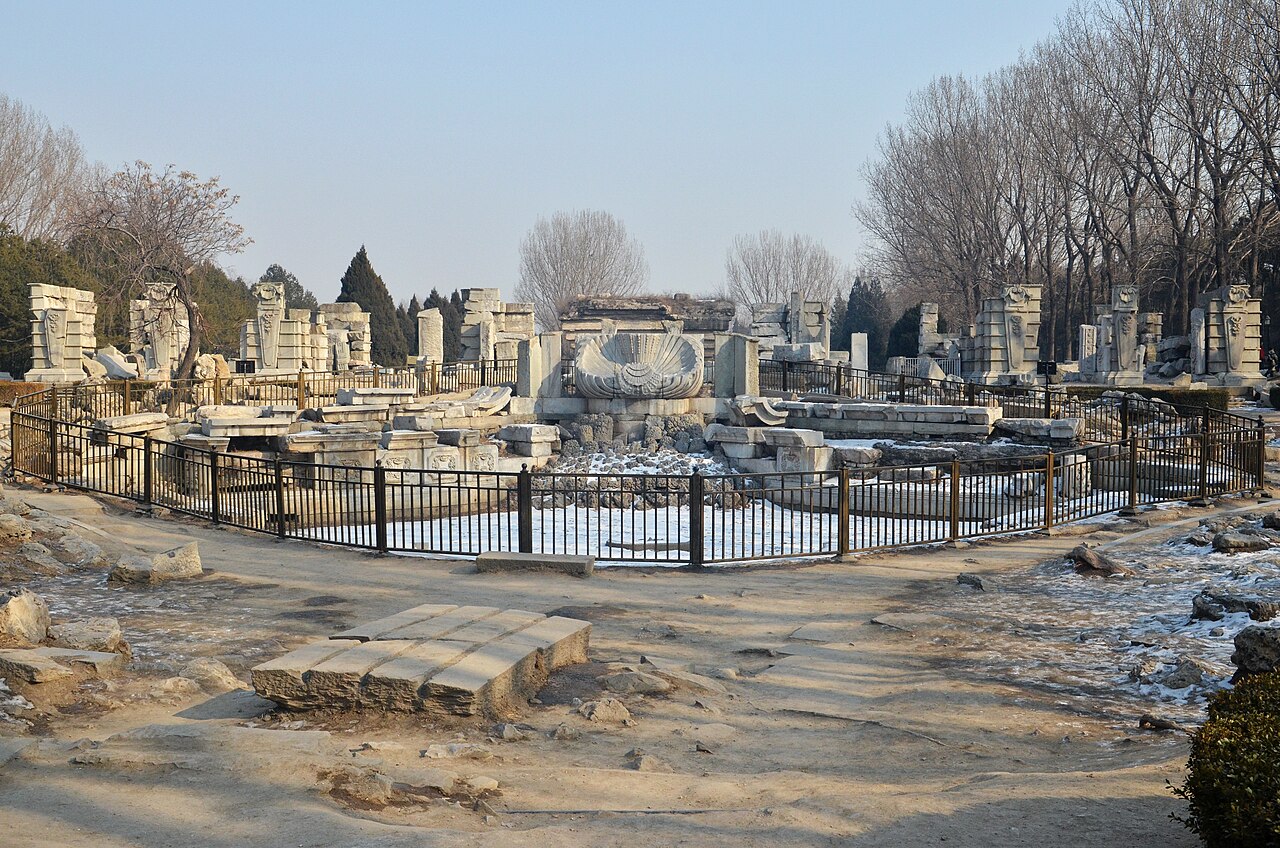
Today, Gonghuacheng may be in a state ranging from ruins to partial preservation, depending on archaeological efforts and conservation measures. Its study offers valuable insights into ancient Chinese castle construction techniques and the adaptation of architecture to geographic and military needs.
Visiting Gonghuacheng
Due to the uncertain exact location and limited public information, visiting Gonghuacheng might be challenging. Potential visitors interested in Chinese hill castles and ancient fortifications should seek information from local heritage organizations or archaeological authorities for access and guidance.
Frequently asked questions (FAQ)
- What is Gonghuacheng castle known for?
- Gonghuacheng is known for its strategic hilltop location and role as an ancient military stronghold in China.
- Can I visit Gonghuacheng castle?
- The exact location of Gonghuacheng is uncertain, making visits difficult. It is advisable to contact local heritage organizations for information.
- Why were hill castles like Gonghuacheng built?
- Hill castles were built on elevated terrain to provide defensive advantages, including better visibility and protection against attackers.
Photo gallery

Information
Loading map...
Visitor reviews
No reviews yet. Been here? Write the first review and help other travelers!
Write the first reviewVisited this castle? Share your experience
Your review helps other travelers and adds first-hand knowledge to our encyclopedia.