Jiaohe Ruins
The Jiaohe ruins, locally known as Yarghul by the Uyghur people, represent the remains of an ancient city located in the Yarnaz Valley, approximately 10 kilometers west of Turpan in Xinjiang, China. This archaeological site was once the capital of the Tocharian kingdom of Jushi, a significant cultural and political center during the Early Medieval period. The city’s strategic location atop a leaf-shaped plateau between two deep river valleys provided a natural fortress, making it highly defensible against invaders.
Jiaohe’s position along the Silk Road made it a crucial stop for traders and travelers moving between East and West. Its location facilitated the exchange of goods, ideas, and cultures, contributing to the city’s prosperity and historical importance. The site’s unique topography and urban layout reflect advanced planning adapted to the natural terrain.
Geographical setting and defensive features
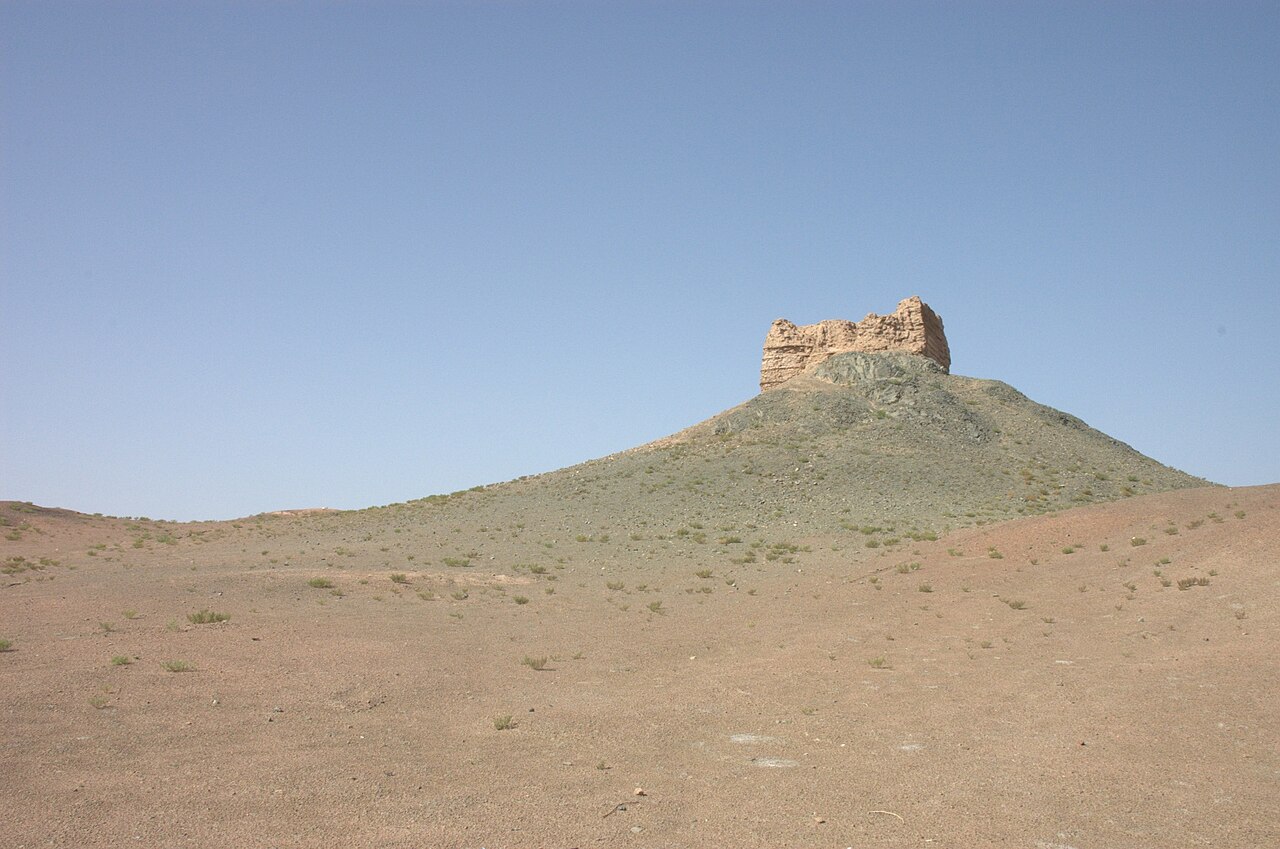
The natural fortress of Jiaohe is perched on a plateau shaped like a leaf, flanked by two deep river valleys that act as natural moats. This topographical advantage minimized the need for extensive man-made fortifications. The steep cliffs surrounding the city provided formidable defense, limiting access points and making the city difficult to besiege.
The city’s design maximized the use of its natural environment. The plateau’s elevation allowed inhabitants to monitor approaching threats from a distance, while the narrow access routes could be easily controlled. This integration of natural and constructed defenses exemplifies the strategic military architecture of the time.
Urban layout and architectural characteristics
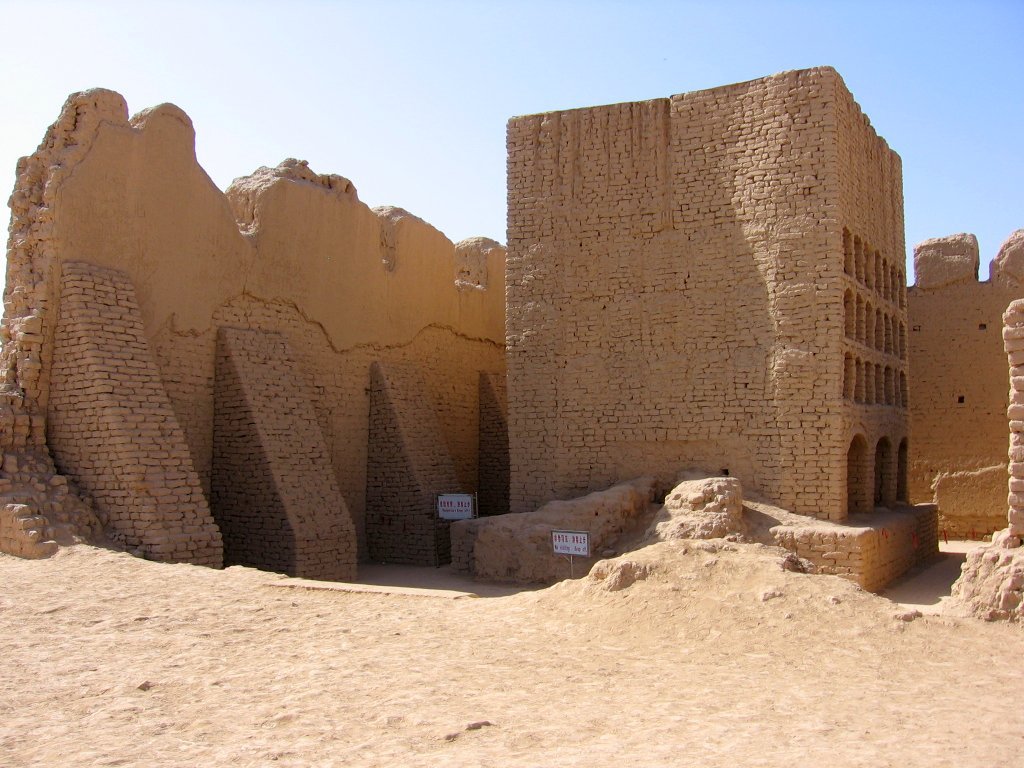
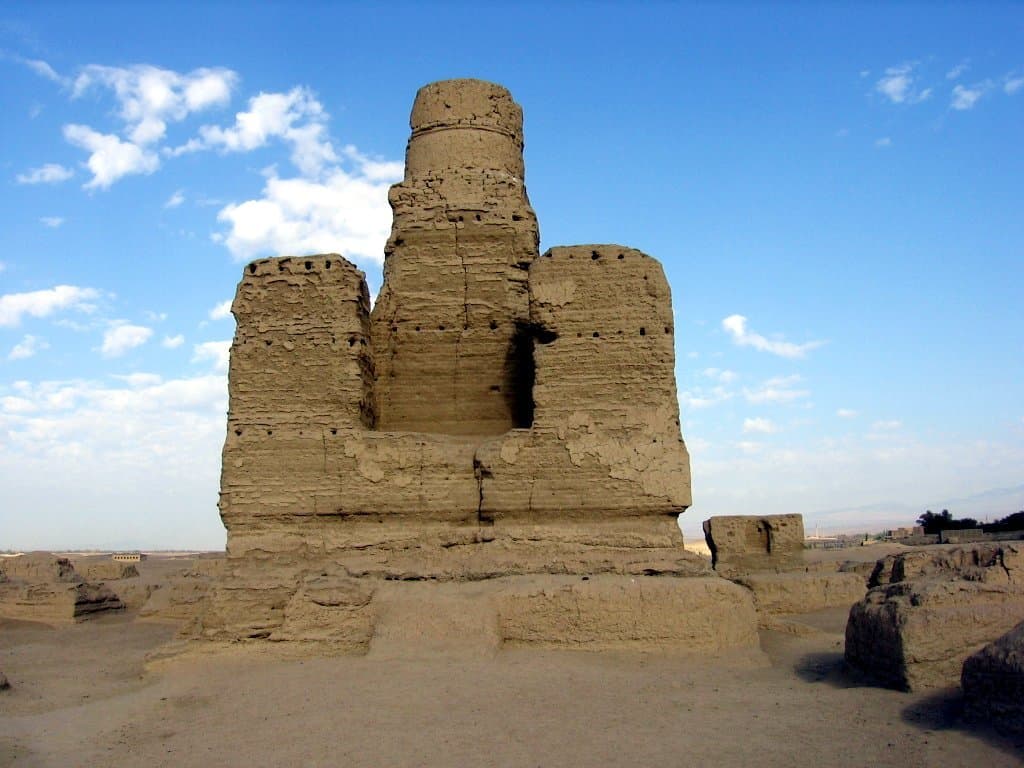
Jiaohe was built entirely of rammed earth, a common construction technique in ancient China, which involved compacting layers of earth to form solid walls and buildings. The city’s layout was divided into three parts: the western residential area, the eastern administrative and religious center, and the central commercial district.
The residential quarters consisted of multi-story dwellings and courtyards, showcasing the social organization and living standards of its inhabitants. The administrative area housed government offices and Buddhist temples, reflecting the city’s role as a political and religious hub. The commercial district contained marketplaces and caravanserais that supported Silk Road trade.
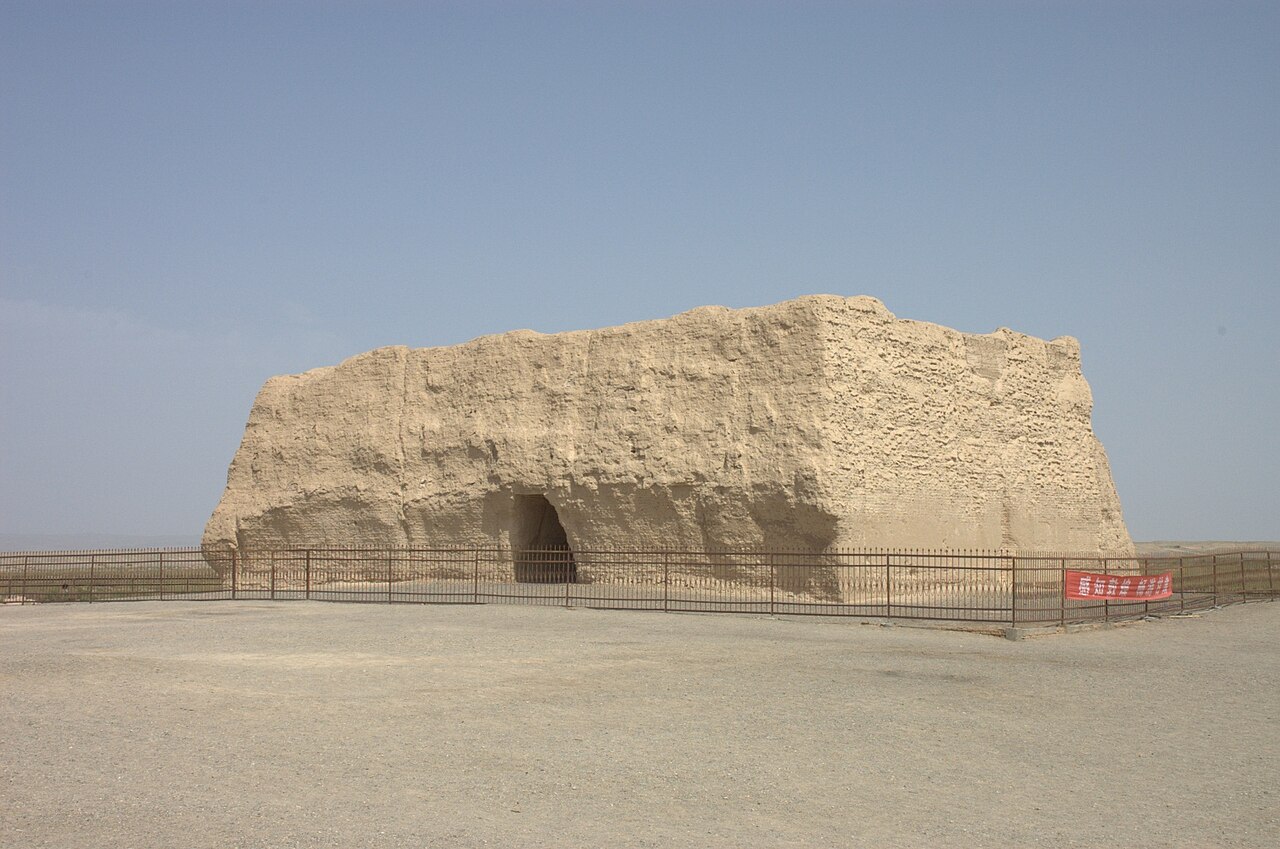
Despite its ruined state, remnants of city walls, streets, and building foundations reveal the sophisticated urban planning and architectural style adapted to the harsh desert environment. The use of rammed earth provided insulation against extreme temperatures, demonstrating an understanding of local climate conditions.
Historical significance and cultural heritage
Jiaohe’s history spans over two millennia, beginning in the 2nd century BC when it was established as a settlement. It flourished during the Early Medieval period as the capital of the Jushi kingdom, playing a pivotal role in regional politics and trade. The city was influenced by various cultures, including Tocharian, Han Chinese, and Buddhist traditions, evident in its archaeological remains.
The site provides valuable insights into the Silk Road civilizations and the interactions between East and West. Its Buddhist temples and artifacts highlight the spread of Buddhism along trade routes, while the city’s fortifications and urban design reflect the military and administrative needs of its rulers.
Preservation and archaeological research
Today, the Jiaohe ruins are classified as archaeological ruins and are in a state of ruins, with significant portions of the city eroded by time and natural elements. Ongoing archaeological excavations and conservation efforts aim to protect the site and uncover more about its history.
The ruins attract scholars and tourists interested in ancient Silk Road history and early Chinese urbanism. Preservation challenges include environmental degradation and the fragile nature of rammed earth construction. Efforts focus on balancing access with protection to maintain the site’s integrity for future generations.
Visiting the Jiaohe ruins
The site is accessible from the city of Turpan and offers visitors a glimpse into ancient Silk Road life. Walking paths lead through the ruins, allowing exploration of the city’s layout and key structures. Informational signage and guided tours provide context about the historical and cultural significance of the site.
Visitors should prepare for desert conditions, including strong sun and temperature fluctuations. The best times to visit are during spring and autumn when the weather is milder. The site is an important cultural heritage destination within Xinjiang and contributes to the understanding of China’s diverse historical landscape.
Frequently asked questions (FAQ)
- How do I get to the Jiaohe ruins from Turpan?
- The Jiaohe ruins are located about 10 km west of Turpan and can be reached by taxi, private car, or local tour buses. The journey takes approximately 20-30 minutes.
- What is the best time of year to visit the Jiaohe ruins?
- The best time to visit is during spring and autumn when temperatures are moderate and weather conditions are comfortable for exploring the outdoor site.
- Are there guided tours available at the Jiaohe ruins?
- Yes, guided tours are available and recommended to gain deeper insights into the historical and cultural significance of the ruins. Many tours are offered by local operators in Turpan.
- What architectural features are notable at the Jiaohe ruins?
- Notable features include the rammed earth city walls, the layout divided into residential, administrative, and commercial areas, and the natural defensive position atop a leaf-shaped plateau.
- Is the site accessible for visitors with mobility issues?
- Due to the uneven terrain and ruins condition, accessibility is limited. Visitors with mobility issues may find it challenging to navigate the site.
Photo gallery

Information
Opening hours
8:00-18:00, daily
Ticket prices
Varies, typically low cost or free
Current owner
State museum
Loading map...
Visitor reviews
No reviews yet. Been here? Write the first review and help other travelers!
Write the first reviewVisited this castle? Share your experience
Your review helps other travelers and adds first-hand knowledge to our encyclopedia.