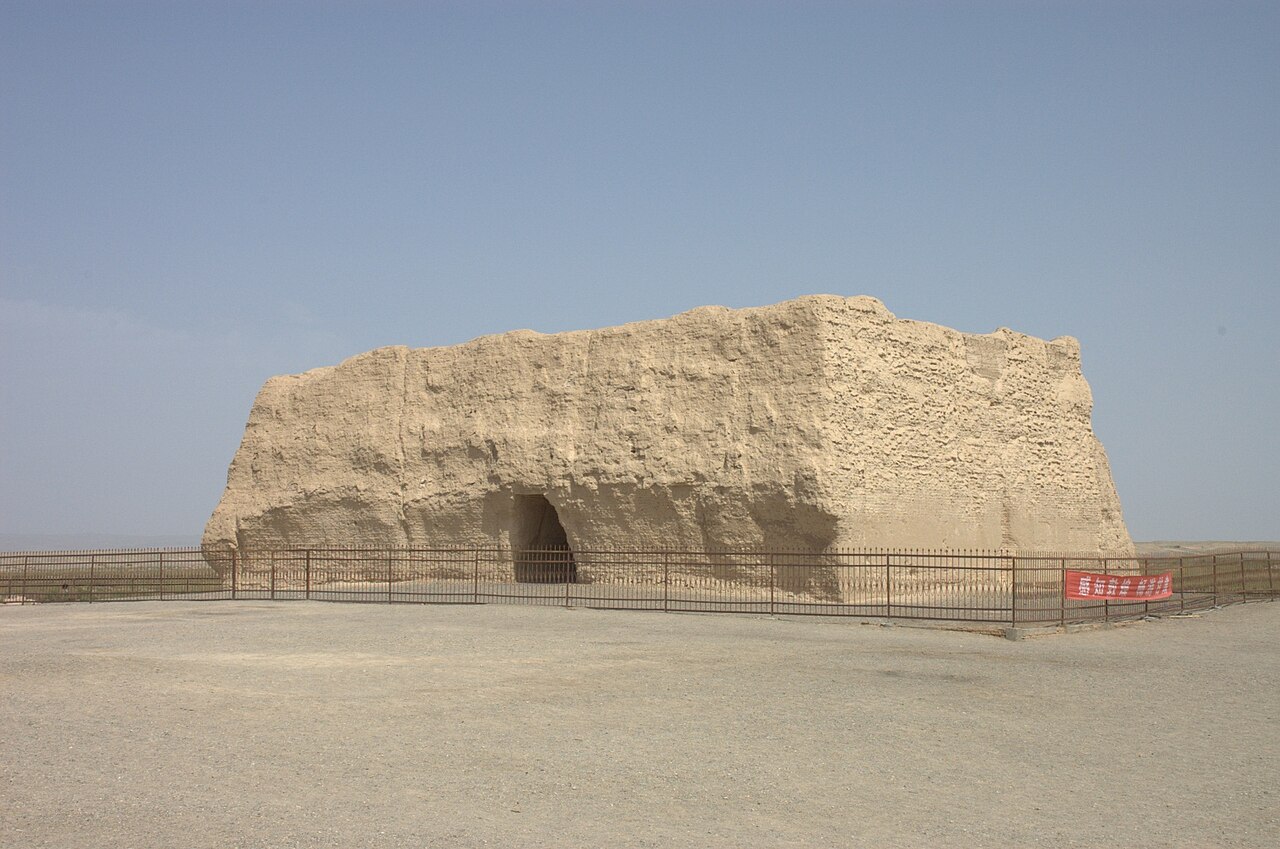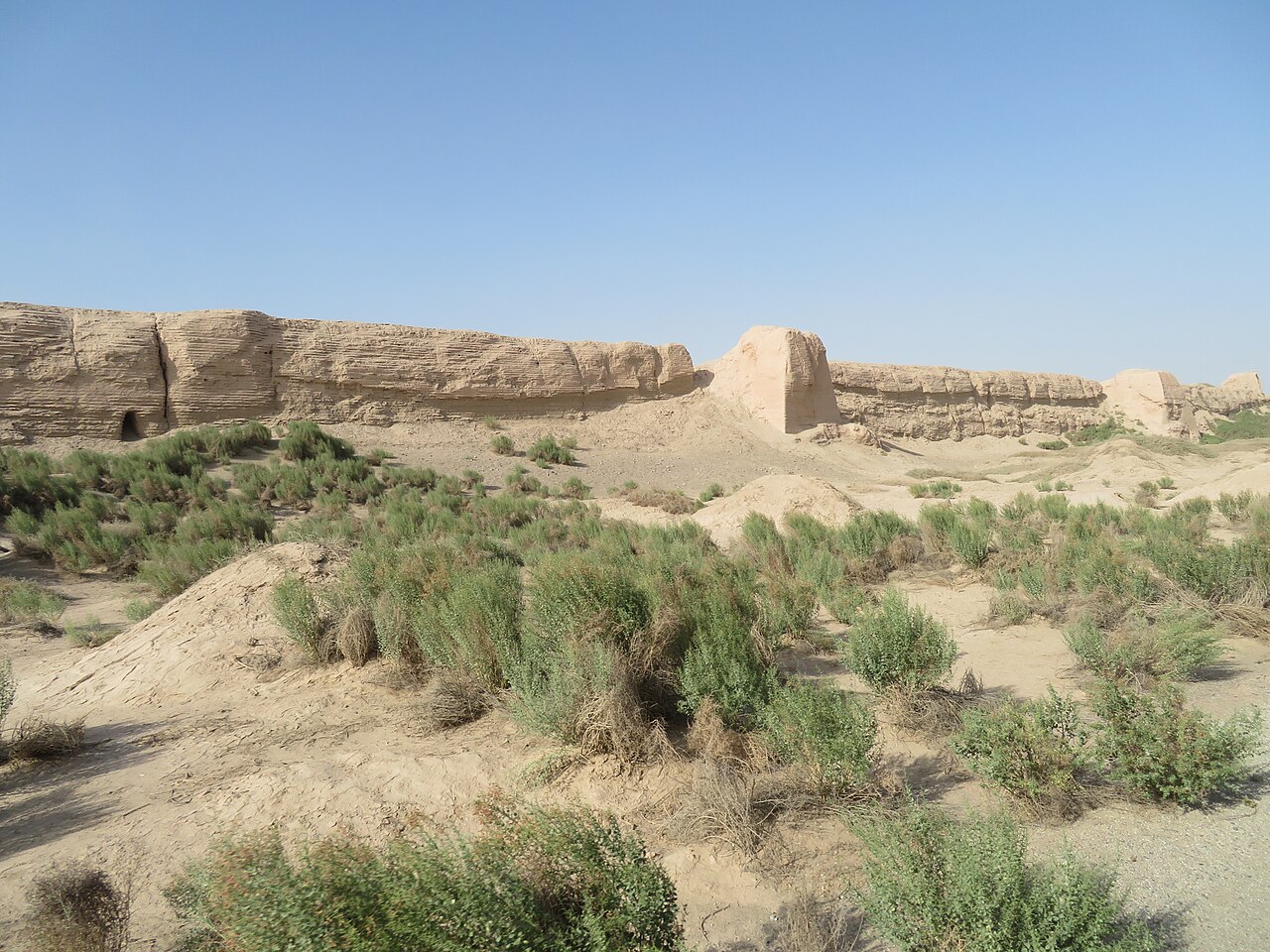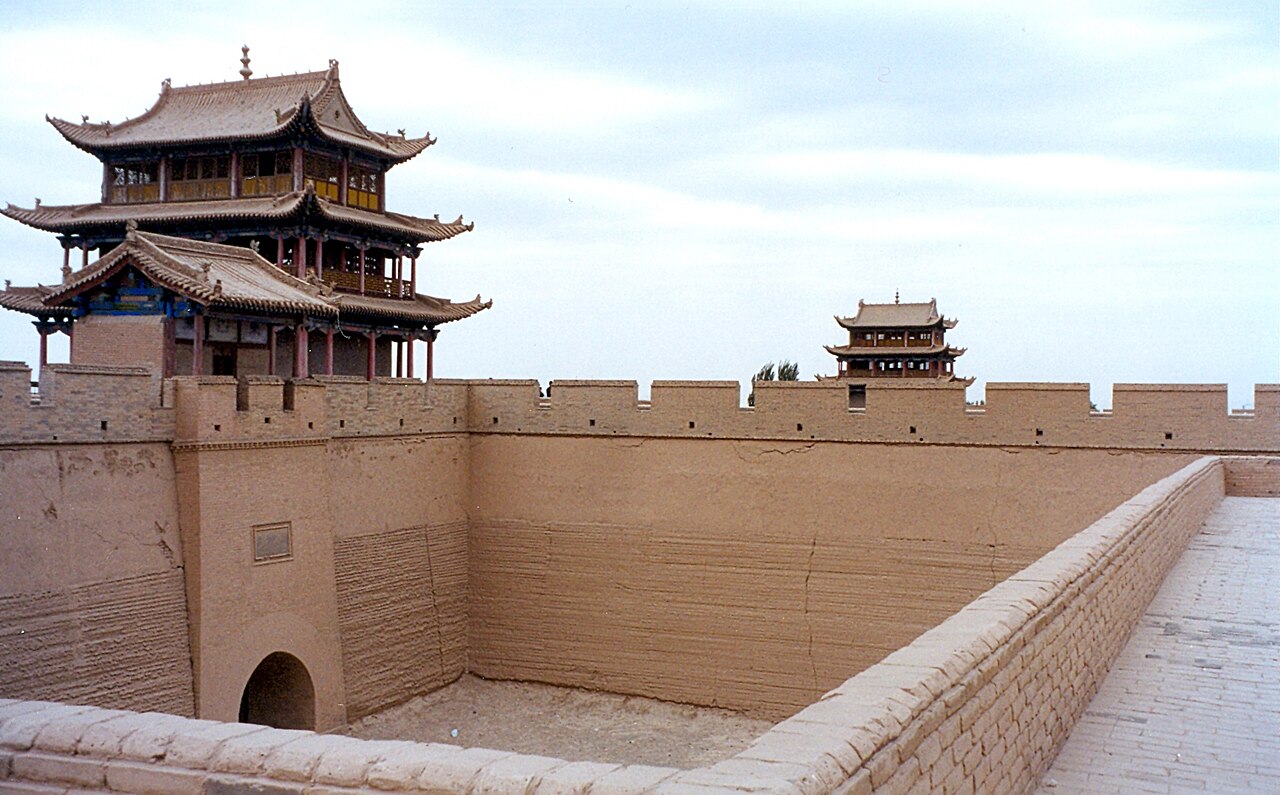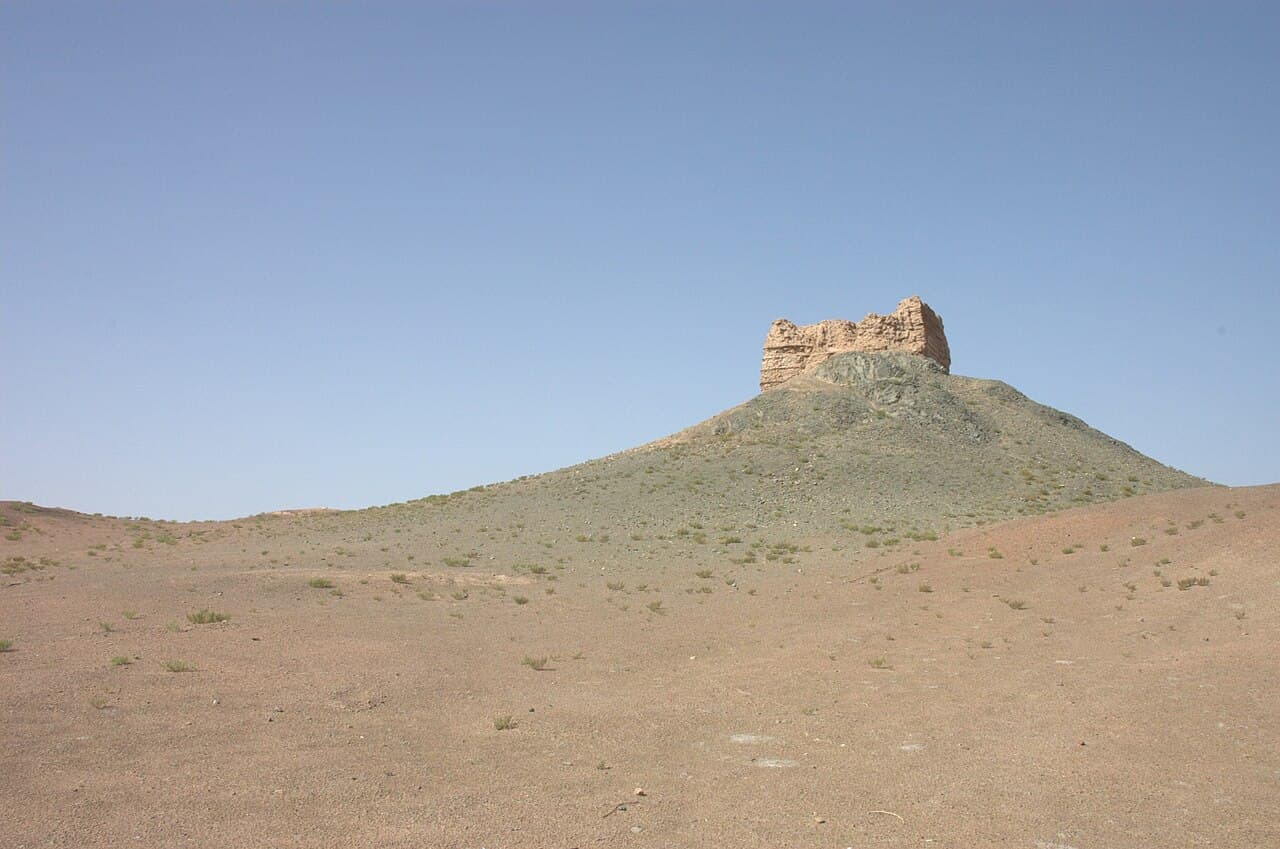
Yangguan Pass, also known as Yangguan Fortress, is an ancient fortified mountain pass located approximately 70 kilometres southwest of Dunhuang in the Gansu province of northwest China. Established during the Western Han dynasty under the reign of Emperor Wu around 120 BC, Yangguan served as a crucial frontier defense post and a gateway on the westernmost edge of the Chinese empire. It played a vital role in protecting the empire's borders and facilitating trade and cultural exchanges along the Silk Road.
Historical significance and strategic location
Yangguan was one of the two most important western passes of ancient China, the other being Yumenguan Pass. The name "Yangguan" translates to "Sun Gate" or "Sunny Pass," reflecting its position to the south of Yumenguan, as "yang" in Chinese often denotes the southern or sunny side of a hill. Situated along the Hexi Corridor, Yangguan was a key military outpost and settlement area in the empire's remote western frontier.
Emperor Wu encouraged Chinese settlers to establish communities in this region to strengthen control and cultivate the land. The fortress at Yangguan was integral to the empire's efforts to secure trade routes and defend against incursions from nomadic tribes and rival states.
Architectural features and fortifications
The fortress at Yangguan was constructed as a bastioned fortress, designed to withstand sieges and provide strong defensive capabilities. While detailed architectural records are limited, the fortress likely included thick defensive walls, watchtowers, and gates controlling access through the mountain pass. Its position in a mountainous terrain added a natural layer of defense, making it a formidable stronghold in the region.
Yangguan's fortifications would have been adapted over time to respond to changing military technologies and threats, but by around AD 900, the fortress had fallen into ruin, reflecting shifts in political power and trade routes.
Yangguan in the context of the Silk Road
As a critical landmark on the Silk Road, Yangguan facilitated the movement of goods, people, and ideas between China and Central Asia. The pass was a gateway for merchants, diplomats, and travelers journeying westward, making it a cultural and economic hub in addition to its military function.
Its strategic importance extended beyond defense; it was also an administrative center for managing the empire's western territories and ensuring the safety of caravans traversing the harsh desert and mountain landscapes.
Current status and archaeological significance
Today, Yangguan is located near Nanhu Village along the Hexi Corridor. Although the original fortress lies in ruins, the site remains an important cultural and historical landmark. Archaeological investigations have uncovered remnants of the ancient walls and structures, offering insights into early Chinese frontier defense systems and the dynamics of Silk Road interactions.
Yangguan's ruins symbolize the extensive reach of the Western Han dynasty and provide valuable evidence of China's early efforts to secure and develop its western borders.
Legacy and cultural impact
Yangguan has been immortalized in Chinese literature and poetry, often symbolizing the western frontier and the emotions of parting and travel. Its historical role as a fortified pass on the Silk Road continues to attract scholars and tourists interested in ancient Chinese military architecture and Silk Road history.
The site offers a tangible connection to the complex history of China's expansion and interaction with neighboring cultures during the early medieval period.
Frequently asked questions (FAQ)
- What is the historical significance of Yangguan Castle?
- Yangguan Castle, located in the Gansu province of China, served as one of the important western outposts along the Silk Road. It played a crucial role in trade and cultural exchange between China and the West during the Han Dynasty. The castle represents a pivotal point in China's history, showcasing ancient architecture and the strategic military importance of the region.
- When was Yangguan Castle built?
- Yangguan Castle was originally constructed during the Han Dynasty, around 121 BC, as part of a defense system against invasions. Over the centuries, it has undergone various renovations and reconstructions, reflecting the evolving architectural styles and technologies of different dynasties. Today, it stands as a testament to the historical significance of the Silk Road.
- Can I visit Yangguan Castle year-round?
- Yes, Yangguan Castle is open to visitors year-round, although the best time to visit is during the spring and autumn months when the weather is mild and pleasant. Summer can be hot, while winter may bring chilly temperatures. It's advisable to check local weather forecasts before planning your visit.
- What are the opening hours for Yangguan Castle?
- Yangguan Castle typically opens at 8:30 AM and closes at 6:00 PM, though hours may vary slightly depending on the season. It's recommended to arrive early to fully explore the site without the crowds. Always check the official website or local resources for any updates on hours of operation.
- Is it possible to access Yangguan Castle by public transportation?
- Yes, visitors can reach Yangguan Castle using public transportation, including buses that connect from nearby cities such as Dunhuang. There are also tour operators that offer shuttle services to the castle. It's a good idea to plan your route in advance to ensure a smooth journey.
- What are the ticket prices for Yangguan Castle?
- The entrance fee for Yangguan Castle is generally affordable, making it accessible to a wide range of visitors. Prices may vary for adults, children, and seniors, with discounts often available for groups or students. Be sure to check the latest pricing information before your visit.
- What nearby attractions can I visit after exploring Yangguan Castle?
- After visiting Yangguan Castle, you can explore several nearby attractions such as the Mogao Caves, which feature stunning Buddhist art and architecture. The Dunhuang Museum is also close by, offering insights into the rich history of the Silk Road. These sites provide a deeper understanding of the region's cultural heritage.
- Why is the architecture of Yangguan Castle noteworthy?
- The architecture of Yangguan Castle is noteworthy for its blend of military and cultural elements, featuring robust defensive walls and strategic watchtowers. The construction techniques used reflect the local materials and ancient engineering skills of the time. The castle's design not only served a functional purpose but also showcased the artistry of Chinese architecture.

Information
Address
Nanhu Village, Hexi Corridor, Gansu, China
Loading map...
Visitor reviews
No reviews yet. Been here? Write the first review and help other travelers!
Write the first reviewVisited this castle? Share your experience
Your review helps other travelers and adds first-hand knowledge to our encyclopedia.