Walls of Jerusalem
The Walls of Jerusalem are a defining feature of the Old City, enclosing an area of approximately one square kilometer. These fortifications, visible on maps for over five centuries, were rebuilt under the orders of Sultan Suleiman the Magnificent between 1537 and 1541 during the Ottoman Empire. Although the current walls date from the 16th century, they stand on the site of earlier fortifications, reflecting Jerusalem's long and complex history of defense and urban development.
Architectural features of the walls
The walls extend for 4,018 meters (2.497 miles) with an average height of 12 meters (39 feet) and thickness of around 2.5 meters (8.2 feet). Their robust construction includes 34 watchtowers strategically placed for surveillance and defense. The fortifications incorporate seven main gates which historically served as controlled entry points for traffic and commerce. Archaeological efforts have also reopened two minor gates, enhancing understanding of the city's historic access routes.
Historical significance and preservation
The walls have witnessed Jerusalem's turbulent history, including sieges, reconstructions, and cultural transformations. Their current form reflects the Early Modern Ottoman period rather than the Early Medieval era, as the original walls were largely in ruins before Sultan Suleiman's reconstruction. In 1981, the walls, along with the Old City, were inscribed on the UNESCO World Heritage Site list, recognizing their cultural and historical importance on a global scale.
The tower of david citadel
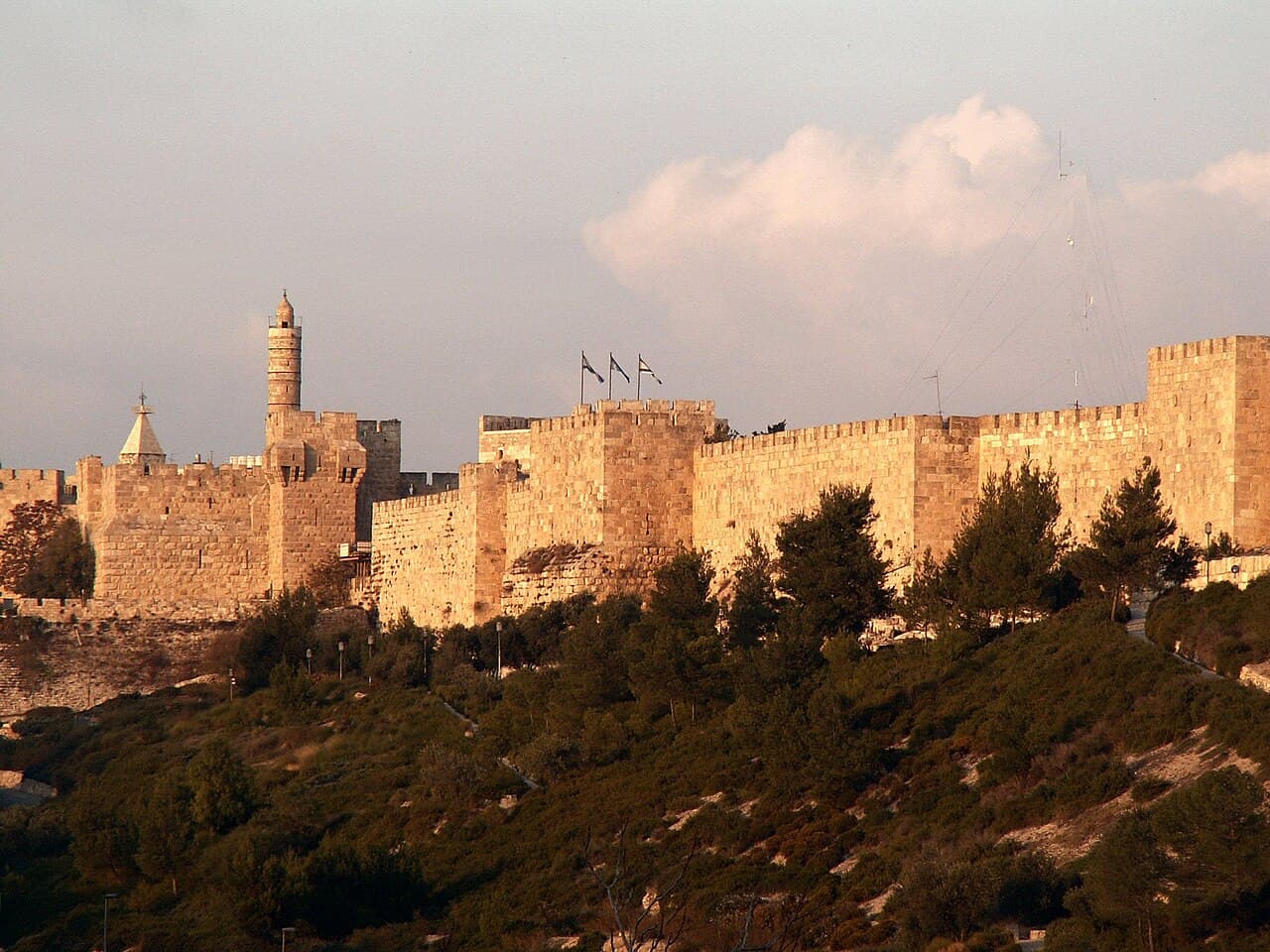
Located near the Jaffa Gate, the Tower of David, also called the Citadel, is an ancient fortress that complements the defensive role of the city walls. The present structure primarily dates to the Mamluk and Ottoman periods, but it is built atop layers of fortifications from the Hasmonean, Herodian, Byzantine, and Early Muslim periods. The citadel has endured multiple destructions and rebuildings, particularly during the Crusader era.
Historical layers and architectural evolution
Archaeologist Dan Bahat notes that the original Hasmonean towers were modified by Herod the Great, who replaced the northeastern tower with a larger structure that came to be known as the "Tower of David" from the 5th century CE onward. The name later shifted in the 19th century to the minaret on the opposite side of the citadel, and since 1967 it officially refers to the entire complex.
Cultural and modern use
Today, the Tower of David serves as a museum and cultural venue, hosting art exhibitions, concerts, and sound-and-light shows that draw visitors worldwide. It holds a special place in Israeli art history, known for the "Tower of David Period" in the 1920s when it was a hub for artistic activity.
Strategic importance and urban context
The walls and citadel together formed the core of Jerusalem's defense system, controlling access and providing protection against invaders. The fortifications reflect a blend of military architecture adapted to the city's topography and historical needs. Their preservation allows insight into Jerusalem's layered past, from ancient times through the Ottoman era to the present day.
Gates and watchtowers
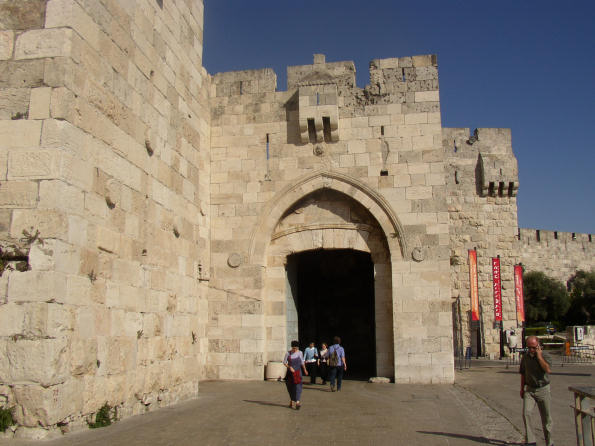
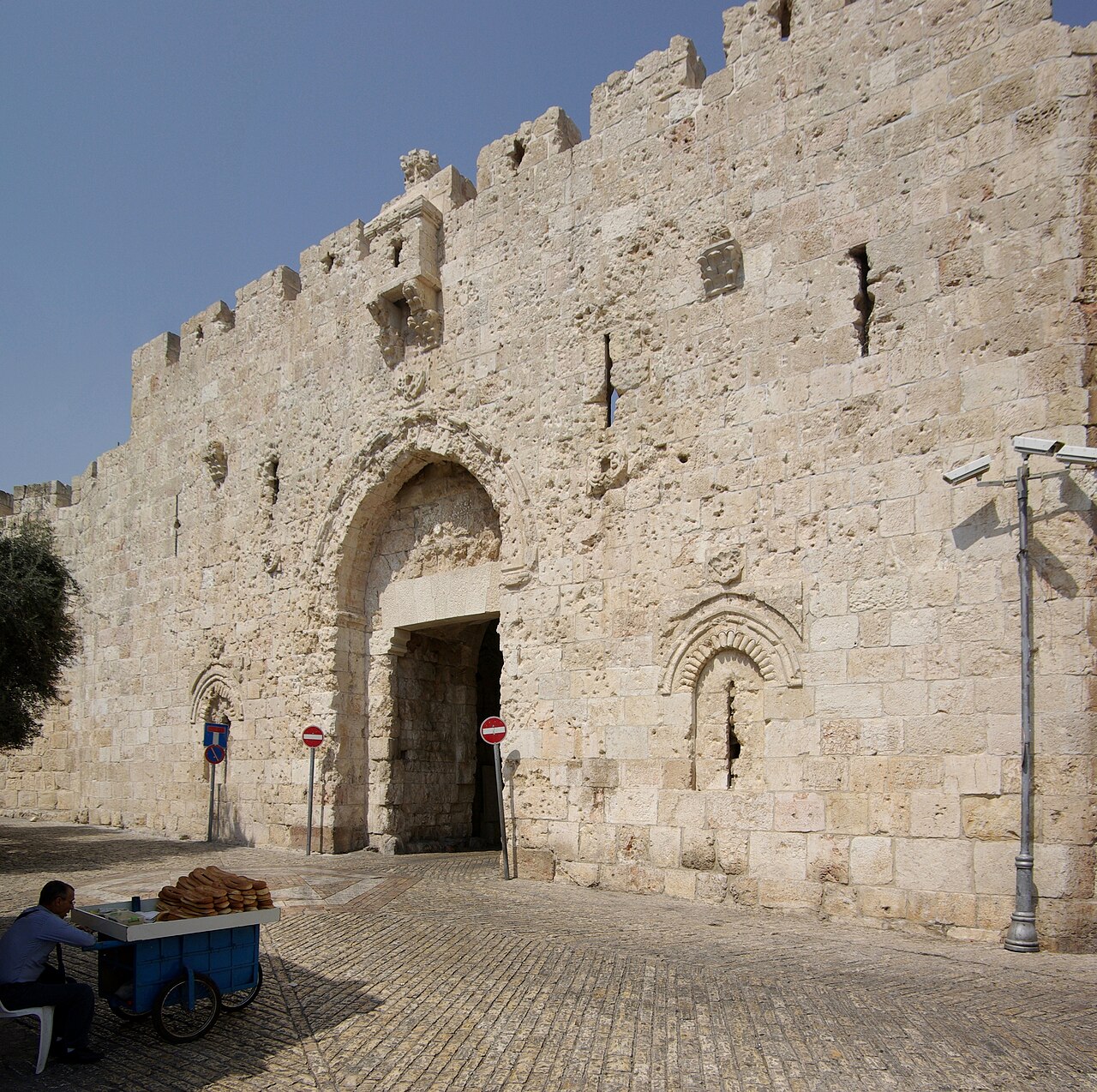
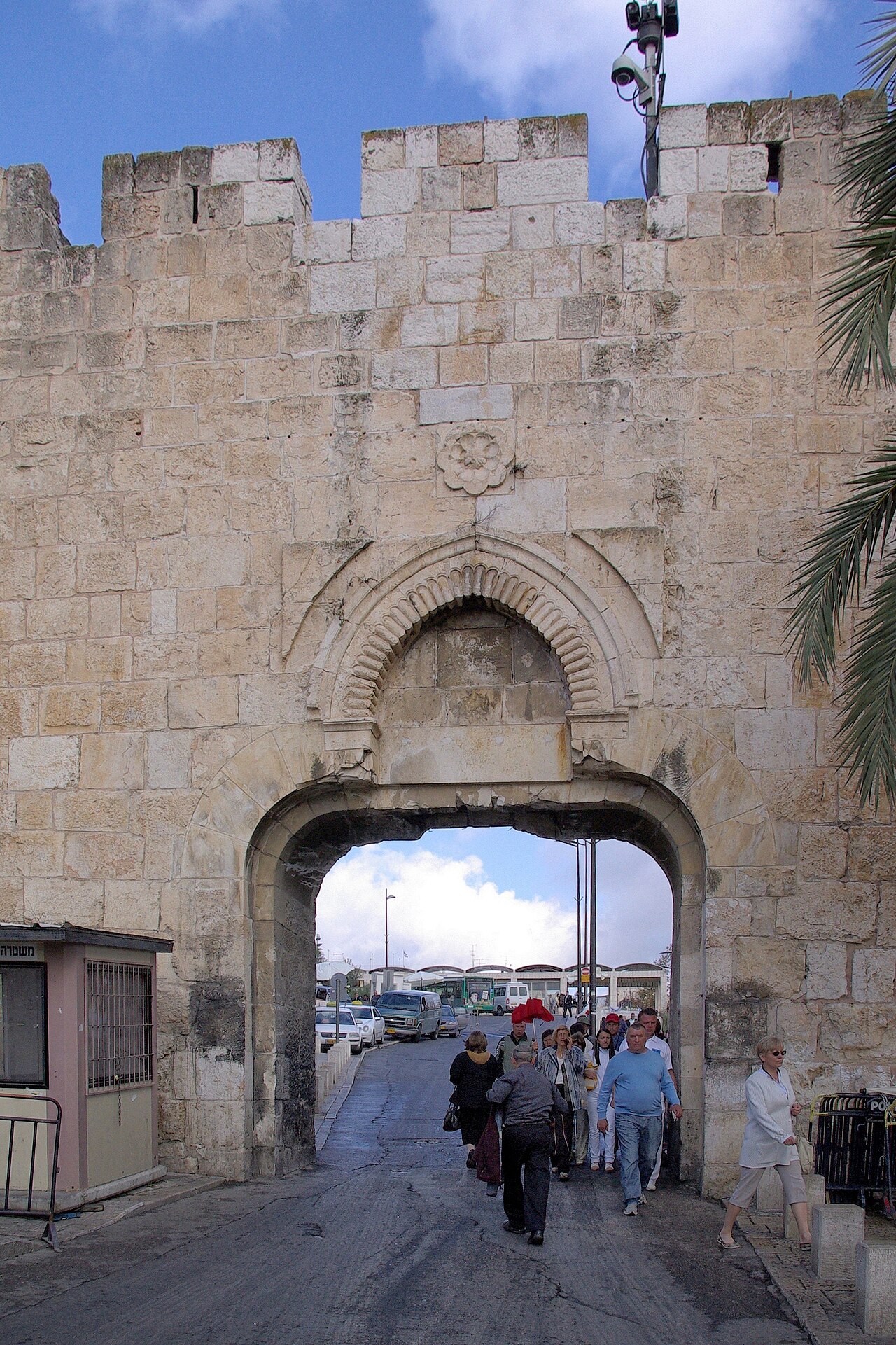
The seven main gates of the walls include famous entrances such as the Jaffa Gate, Damascus Gate, and Zion Gate. Each gate has distinct architectural features and historical roles. The watchtowers, evenly spaced along the walls, provided vantage points for sentries to monitor the surrounding landscape and coordinate defense.
Construction techniques and materials
The walls were constructed using local limestone, a common building material in Jerusalem, lending the fortifications their characteristic pale hue. The thickness and height of the walls were designed to withstand artillery and siege tactics of the 16th century, incorporating bastioned elements for improved defense, consistent with contemporary military architecture.
Visitor experience and cultural heritage
Visitors to the Old City can walk along sections of the walls and explore the gates, gaining a tangible sense of the city's historic boundaries. The Tower of David Museum offers exhibitions on Jerusalem's history, archaeology, and cultural significance, enriching the visitor's understanding of the city's complex heritage.
Unesco world heritage status
The designation as a UNESCO World Heritage Site underscores the walls' universal value. It helps ensure ongoing conservation efforts and promotes awareness of Jerusalem's unique historical landscape.
Access and tourism
The walls and the Tower of David are major attractions within Jerusalem, accessible year-round with guided tours available. Their central location near key city landmarks makes them integral to cultural tourism and educational programs.
Frequently asked questions (FAQ)
- When were the walls of Jerusalem rebuilt?
- The walls were rebuilt between 1537 and 1541 under the orders of Sultan Suleiman the Magnificent during the Ottoman Empire.
- How long are the walls of Jerusalem?
- The walls stretch approximately 4,018 meters (2.497 miles) around the Old City of Jerusalem.
- What is the Tower of David?
- The Tower of David is an ancient citadel near the Jaffa Gate, built on the site of earlier fortifications from various historical periods and now serving as a museum.
- Can visitors walk on the walls?
- Yes, visitors can walk along certain sections of the walls and explore the gates to experience the historic boundaries of the Old City.
- Is there an admission fee to visit the walls and the Tower of David?
- Entrance to the walls is free, but the Tower of David Museum charges an admission fee for entry.
Photo gallery

Photo by איתן פרמן 13:56, 4 December 2006 (UTC)•Public domain
Information
Opening hours
08:00-17:00, daily
Ticket prices
Entrance to the walls is free; Tower of David Museum charges an admission fee
Current owner
Municipality of Jerusalem
Loading map...
Visitor reviews
No reviews yet. Been here? Write the first review and help other travelers!
Write the first reviewVisited this castle? Share your experience
Your review helps other travelers and adds first-hand knowledge to our encyclopedia.