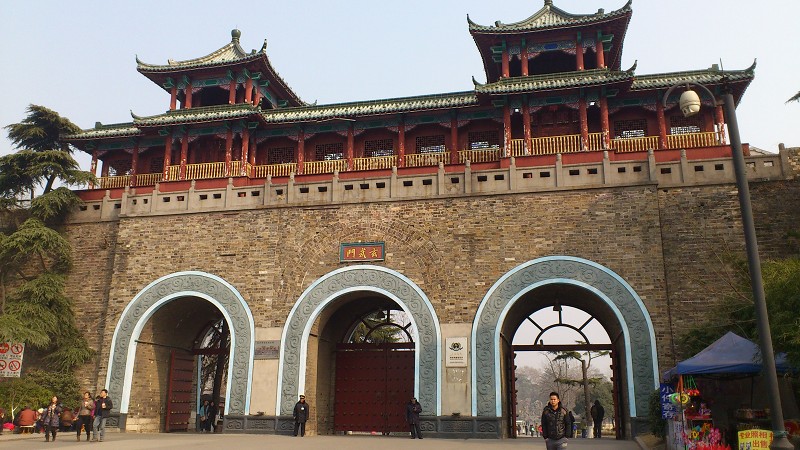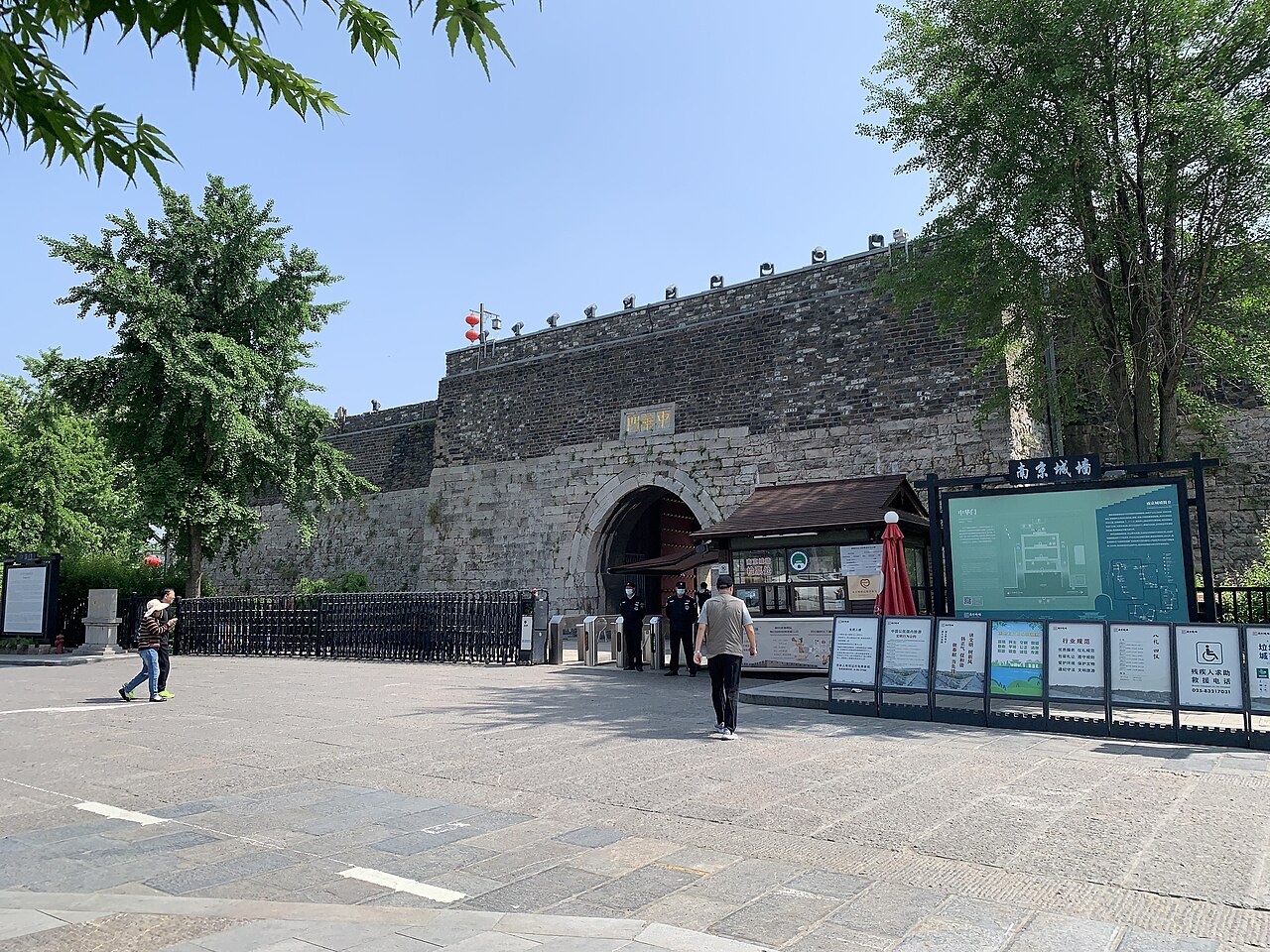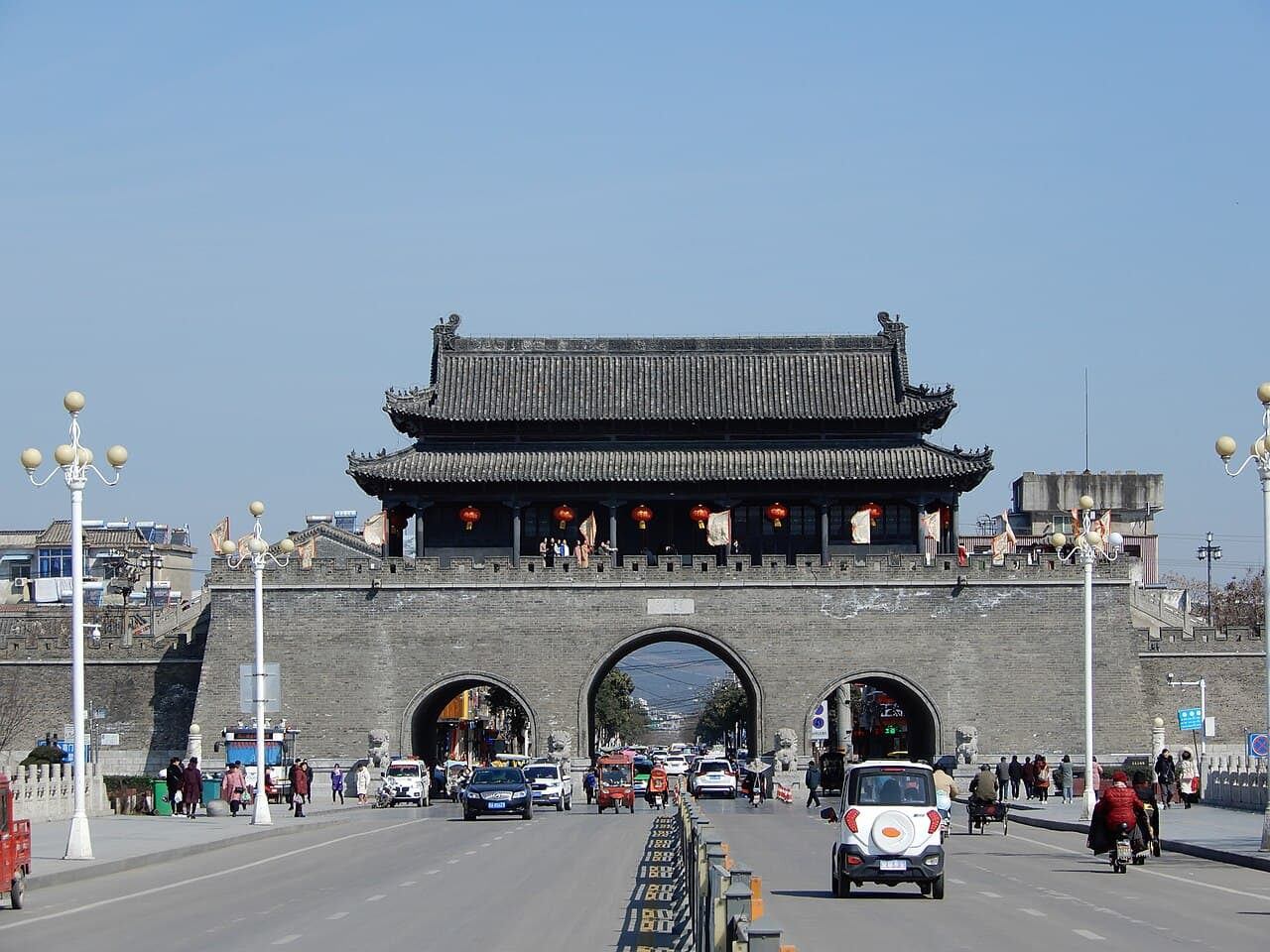
The Shou County city wall is a significant example of ancient Chinese military architecture, serving as a bastioned fortress that once protected the city of Shou County. This defensive structure embodies the strategic and architectural ingenuity used in Chinese city fortifications.
Constructed primarily during periods when city walls were crucial for defense, the Shou County city wall reflects the typical characteristics of a bastioned fortress. Bastions are projecting parts of the wall that allowed defenders to cover adjacent sections with defensive fire, improving the overall protection against attackers. This design was a common feature in Chinese fortifications, adapting to evolving military technologies and tactics.
Historical context and significance
Shou County, located in the eastern part of China, has a long history that dates back to ancient times. The city wall was built to defend against invasions and to control the movement of people and goods. Throughout various dynasties, the wall was maintained and reinforced, reflecting the changing needs and threats faced by the city.
The wall's construction methods and materials are representative of traditional Chinese fortification techniques, often involving rammed earth, bricks, and stone. These materials provided durability and resistance to sieges and natural elements.
Architectural features of the city wall
Bastions and defensive structures
The defining feature of the Shou County city wall is its bastioned design. Bastions protrude from the main curtain walls, allowing defenders to fire upon attackers from multiple angles. This feature was essential in deterring sieges and assaults, creating overlapping fields of fire that covered the base of the walls.
Wall construction and materials
The walls were likely constructed using a combination of rammed earth core faced with bricks or stone. This method was common in Chinese fortifications, providing both strength and flexibility. The walls would have included parapets and walkways for soldiers, as well as gates fortified with towers and additional defensive elements.
Preservation and current status
Today, the Shou County city wall remains a valuable cultural heritage site, although its condition varies along its length. Some sections are well-preserved, showcasing the original construction techniques and defensive features, while others have suffered from erosion and urban development.
Efforts to preserve and restore parts of the wall help maintain its historical integrity and allow visitors to appreciate this example of ancient Chinese military architecture.
Visiting and cultural importance
The city wall of Shou County stands as a testament to the historical significance of fortified cities in China. It offers insight into the military strategies and urban planning of past eras. Visitors can explore the remaining sections to gain a deeper understanding of the defensive architecture and the historical context of the region.
While specific visitor information such as opening hours and ticket prices may vary, the site is an important destination for those interested in Chinese history and ancient fortifications.
Frequently asked questions (FAQ)
- What is the historical significance of the Shou County city wall?
- The Shou County city wall served as a crucial defensive structure protecting the city through various dynasties, reflecting ancient Chinese military architecture and urban planning.
- Can I visit the Shou County city wall today?
- Yes, visitors can explore the remaining sections of the Shou County city wall, although conditions vary. It remains an important cultural heritage site in China.
- What are bastions on the Shou County city wall?
- Bastions are projecting parts of the wall that allowed defenders to cover adjacent sections with defensive fire, enhancing the fortress's defensive capabilities.
Photo gallery

Information
Loading map...
Visitor reviews
No reviews yet. Been here? Write the first review and help other travelers!
Write the first reviewVisited this castle? Share your experience
Your review helps other travelers and adds first-hand knowledge to our encyclopedia.