Chenonceau Castle
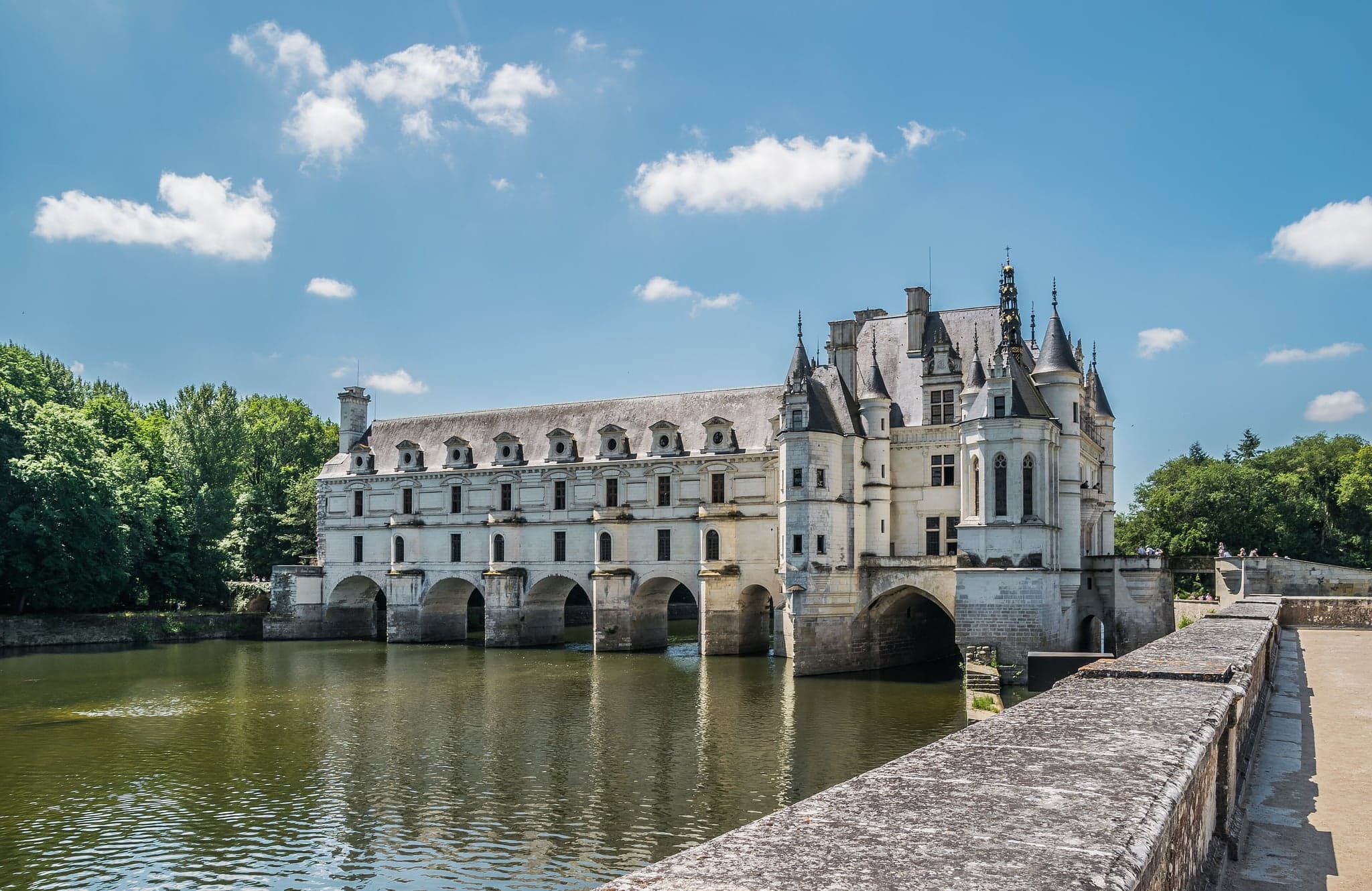
Chenonceau Castle, located in Francueil, Centre-Val de Loire, France, is a remarkable example of French Renaissance architecture and one of the most visited historic monuments in the country. Known as the "Château des Dames" due to its unique history of being shaped predominantly by influential women, the castle spans the River Cher with a graceful arched bridge that supports a magnificent gallery. This architectural marvel combines late Gothic elements with early Renaissance style, reflecting the transitional period of its construction and subsequent expansions.
The early history and construction of chenonceau castle
The site of Chenonceau was originally home to a mill mentioned as early as the 11th century. The medieval castle that preceded the current structure was destroyed in 1412 as punishment for the owner's sedition. In the early 16th century, Thomas Bohier, Chamberlain to King Charles VIII, acquired the property and demolished the old fortress to build a new residence between 1515 and 1521. His wife, Katherine Briçonnet, played a pivotal role in overseeing the construction and interior decoration, marking the beginning of the castle's association with powerful women.
The castle's design features a square main building with a central hallway distributing four rooms on each floor. The ground floor includes a chapel, Diane de Poitiers’ bedroom, Catherine de Medici's workroom, the Francis I room, and a living room from Louis XIV's era. Above, a stunning gallery extends over the river, offering breathtaking views and serving as a grand reception hall.
Influence of diane de poitiers and catherine de medici
After King Francis I seized the castle from Bohier's heirs for unpaid debts, it was gifted by King Henry II to his mistress, Diane de Poitiers. Diane enhanced the estate by commissioning the construction of the iconic arched bridge across the Cher and developing extensive flower and vegetable gardens on the river's right bank. These gardens were carefully designed with geometric precision, featuring flower beds, fruit trees, and alleys bordered with violets and strawberries, protected from flooding by stone terraces.
Following Henry II's death in 1559, his widow, Catherine de Medici, forced Diane to exchange Chenonceau for Château Chaumont. Catherine then made Chenonceau her primary residence, investing heavily in its renovation and expanding the gardens further. She added the famous parterre known as Diane de Poitiers' garden and created the "Garden of Curiosities," which included an aviary, menagerie, an artificial cave, and a fountain known as the "fountain of the rock." Catherine's tenure saw lavish parties and celebrations, including France's first recorded fireworks display in 1560 to mark her son Francis II's ascension.

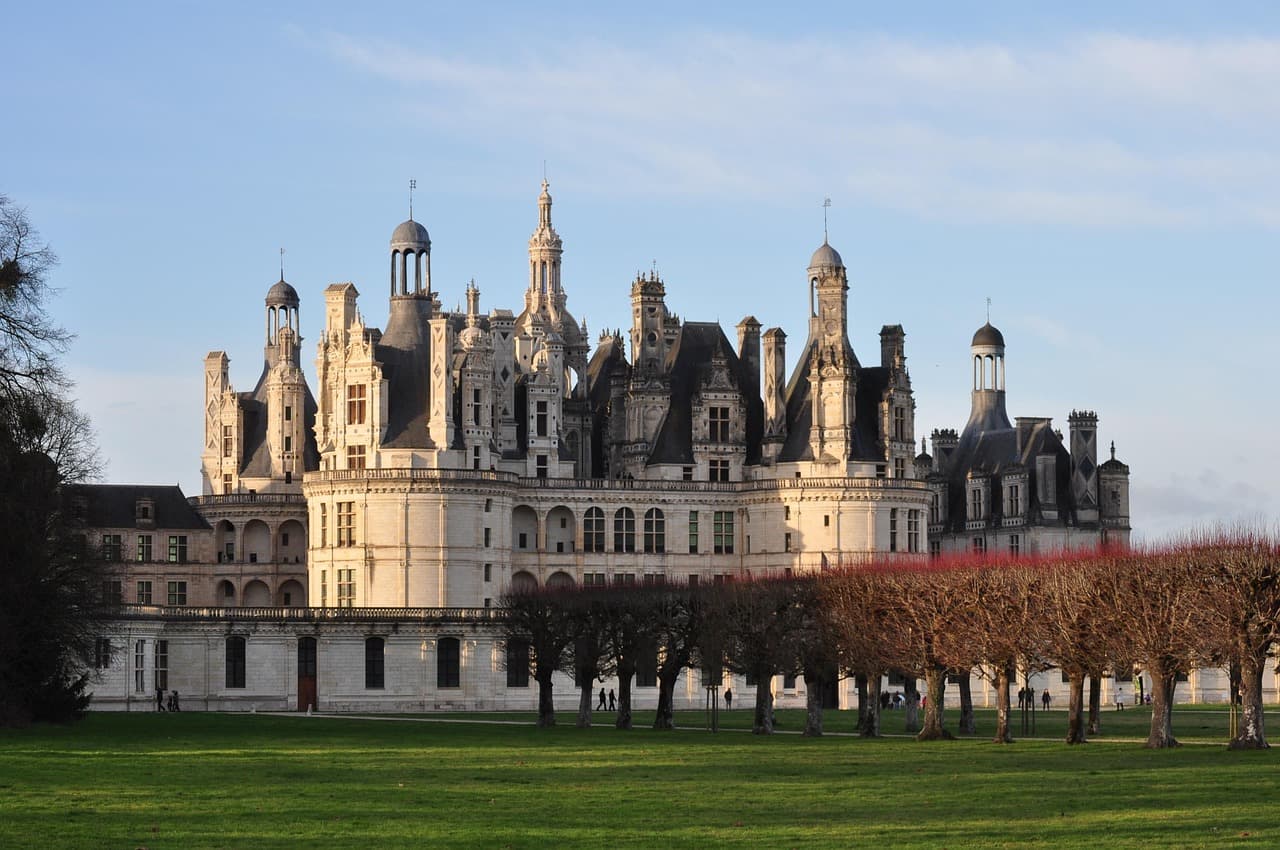
Photo by Jean-Paul Wettstein • Pexels License
Chenonceau during the valois and bourbon eras
After Catherine's death, the castle passed through various hands within the Valois line, including Louise de Lorraine-Vaudémont, wife of King Henry III. Louise famously mourned her husband's assassination within the castle's halls, draping them in black tapestries embroidered with skulls and crossbones. Later, the castle was inhabited by Gabrielle d'Estrées, mistress to King Henry IV, and subsequently passed quietly through the Bourbon family.
In the 18th century, the castle was acquired by the Duke of Bourbon, who gradually sold off many of its valuable contents. Eventually, the estate was purchased by Claude Dupin, whose wife, Madame Louise Dupin, revived the château's cultural significance by hosting leading Enlightenment figures such as Voltaire, Montesquieu, and Rousseau. Madame Dupin also played a crucial role in preserving Chenonceau during the French Revolution, ensuring its survival as it served as an essential bridge across the Cher.
Architectural features and collections
Chenonceau Castle is renowned for its harmonious blend of late Gothic and early Renaissance architectural styles. The castle's most striking feature is the gallery spanning the river Cher, an elegant two-story structure built on the arched bridge originally commissioned by Diane de Poitiers and extended by Catherine de Medici in 1577. This gallery served as a grand ballroom and reception hall, showcasing the castle's opulence.
The interior boasts richly decorated rooms including the chapel, Diane de Poitiers' bedroom, Catherine de Medici's workroom, and salons associated with Francis I and Louis XIV. The castle houses an exceptional collection of Renaissance furniture, tapestries from the 16th and 17th centuries, and paintings by masters such as Rubens, Murillo, Le Tintoret, Nicolas Poussin, and Le Corrège. These collections underline Chenonceau's cultural and artistic importance.
Gardens and landscape design
The gardens of Chenonceau are among the most celebrated in France, reflecting the tastes and ambitions of its female patrons. Diane de Poitiers' garden on the right bank of the Cher is distinguished by its geometric parterres, fruit trees, and vibrant flower beds, all protected from river floods by stone terraces.
Catherine de Medici expanded the gardens significantly, introducing the "Garden of Curiosities" with exotic features such as an aviary, menagerie, and an artificial cave. The gardens' design balances formal French Renaissance geometry with practical horticulture, including vegetable plots and aromatic plants along the alleys.
Chenonceau in modern times
In the 19th century, the castle was purchased by Daniel Wilson, who gifted it to his daughter. Later, the Menier family, famed chocolatiers, acquired Chenonceau and remain its custodians today. The château served multiple roles during the World Wars: as a hospital ward during World War I and as a vital escape route during World War II, crossing from the Nazi-occupied zone to the free zone across the river.
Chenonceau has been classified as a Monument historique since 1840 and remains one of the most visited castles in France, second only to the Palace of Versailles. Its architectural beauty, historical significance, exquisite collections, and stunning gardens make it an essential destination for visitors interested in French heritage and Renaissance art.
Visiting chenonceau castle
Visitors to Chenonceau can explore the castle's richly furnished rooms, admire the Old Masters’ paintings, and stroll through the meticulously maintained gardens. The castle's unique position spanning the river offers picturesque views and a glimpse into the lives of the powerful women who shaped its history. The "Room of the Five Queens" pays tribute to the royal women associated with Chenonceau, including Mary Stuart, Marguerite de Valois, Louise de Lorraine, Elisabeth of Austria, and Elisabeth of France.
Chenonceau's blend of architectural grandeur, historical depth, and botanical splendor ensures a memorable experience, highlighting its place as a jewel of the Loire Valley and French Renaissance heritage.
Frequently asked questions (FAQ)
- What is the historical significance of Chenonceau Castle?
- Chenonceau Castle, often referred to as the "Ladies' Castle," is renowned for its rich history and the influential women who shaped it, including Diane de Poitiers and Catherine de Medici. The castle has played a vital role in French history, particularly during the Renaissance and the French Wars of Religion, making it a key site for understanding the era's sociopolitical dynamics.
- When was Chenonceau Castle built?
- Chenonceau Castle was originally constructed in the early 16th century, with its completion dating back to 1517. It has undergone several renovations and expansions over the centuries, evolving into the beautiful architectural marvel that visitors see today.
- Can I visit Chenonceau Castle year-round?
- Yes, Chenonceau Castle is open to visitors throughout the year, although opening hours may vary by season. It's recommended to check the official website for the most current information on visiting hours and any potential closures.
- What are the opening hours for Chenonceau Castle?
- Chenonceau Castle typically opens at 9:00 AM and closes at 6:00 PM, with extended hours in the summer months. However, these hours can vary, so it's best to verify before your visit to ensure you have ample time to explore the castle and its stunning gardens.
- Is Chenonceau Castle accessible for visitors with mobility challenges?
- Yes, Chenonceau Castle strives to be accessible to all visitors, including those with mobility challenges. The castle offers facilities such as ramps and designated pathways, but it's advisable to contact the site in advance to confirm specific accommodations.
- What is the best time to visit Chenonceau Castle?
- The best time to visit Chenonceau Castle is during the spring (April to June) and early fall (September to October) when the gardens are in full bloom and the weather is pleasant. Additionally, visiting during these periods can help you avoid the peak tourist crowds of summer.
- Can I purchase tickets for Chenonceau Castle online?
- Yes, tickets for Chenonceau Castle can be purchased online through the official website, which is highly recommended to avoid long lines at the entrance. Booking in advance not only saves time but also ensures you secure your desired visit date.
- What nearby attractions should I consider visiting?
- When visiting Chenonceau Castle, consider exploring other nearby attractions such as Amboise Castle and the Chateau de Villandry, both rich in history and stunning architecture. The area is also known for its scenic vineyards and charming towns, perfect for a day of exploration.
- What are ticket prices for Chenonceau Castle?
- Ticket prices for Chenonceau Castle vary based on age and the type of visit; for adults, the price is typically around €14, while discounts are available for children and students. It's advisable to check the official website for the most current pricing and any available special offers.
Photo gallery


Information
Website
Visit websiteFeatured in
Articles on the Castlopedia blog that feature Chenonceau Castle.
Sources & official resources
Verify the information above using these authoritative references.
Loading map...
Visitor reviews
No reviews yet. Been here? Write the first review and help other travelers!
Write the first reviewVisited this castle? Share your experience
Your review helps other travelers and adds first-hand knowledge to our encyclopedia.