Morgraig Castle
Morgraig Castle stands as a compelling example of a 13th-century medieval hill castle located near the southern edge of Caerphilly County Borough in Wales. Perched atop Craig Llanishen at approximately 236 meters above sea level, the castle occupies a strategic vantage point overlooking the surrounding landscape, including the city of Cardiff about 8.3 kilometers to the south. Its position at the contested border between the Welsh Lordship of Senghenydd and the English Lordship of Glamorgan highlights its intended role in asserting territorial control during a turbulent period of Welsh-English relations.
The castle's construction began sometime after 1243 but before 1267, a timeframe that coincides with the Second Barons' War (1264–1267) and shifting political alliances in the region. The precise identity of the castle's builder remains uncertain, with historical debate centering on whether it was commissioned by the Anglo-Norman lord Gilbert de Clare or by the Welsh ruler of Senghennydd. This ambiguity is reflected in the castle's architectural details, which exhibit a blend of English and Welsh influences.
Historical context and construction
The mid-13th century was a period marked by conflict and realignment of power in South Wales. Gilbert de Clare, a prominent Anglo-Norman magnate, was actively expanding his influence, while Welsh princes sought to defend their territories. Morgraig Castle's location at the frontier between these powers suggests it was intended as a fortified stronghold to control this borderland.
Construction techniques and materials offer clues to the castle's origins. The walls are built using Sutton stone, a distinctive limestone quarried near Ogmore-by-Sea. This quarry was under the control of the de Clare family, indicating their likely involvement in sourcing materials. However, the castle's architectural features, such as a spiral staircase with a prominent newel post rising from the first floor, are more typical of English fortifications than native Welsh castles. Additionally, carved stones for doorways and windows exhibit English stylistic details, further suggesting Anglo-Norman influence.
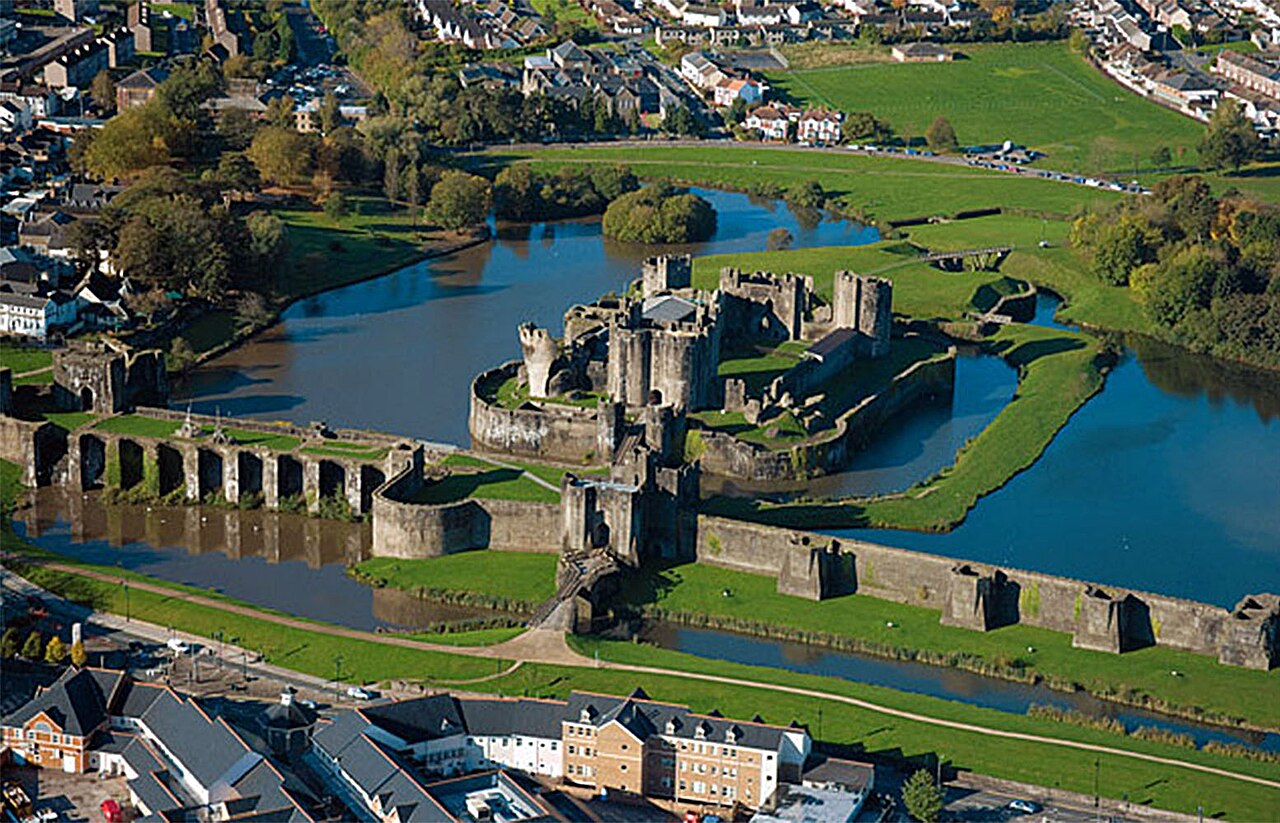
Despite these signs, the castle appears never to have been completed or occupied. It is believed that construction was halted possibly due to the concurrent building of Caerphilly Castle by Gilbert de Clare starting in 1268. Caerphilly Castle's imposing scale and advanced defensive features likely rendered Morgraig obsolete, leading to its abandonment shortly after construction began.
Architectural features and layout
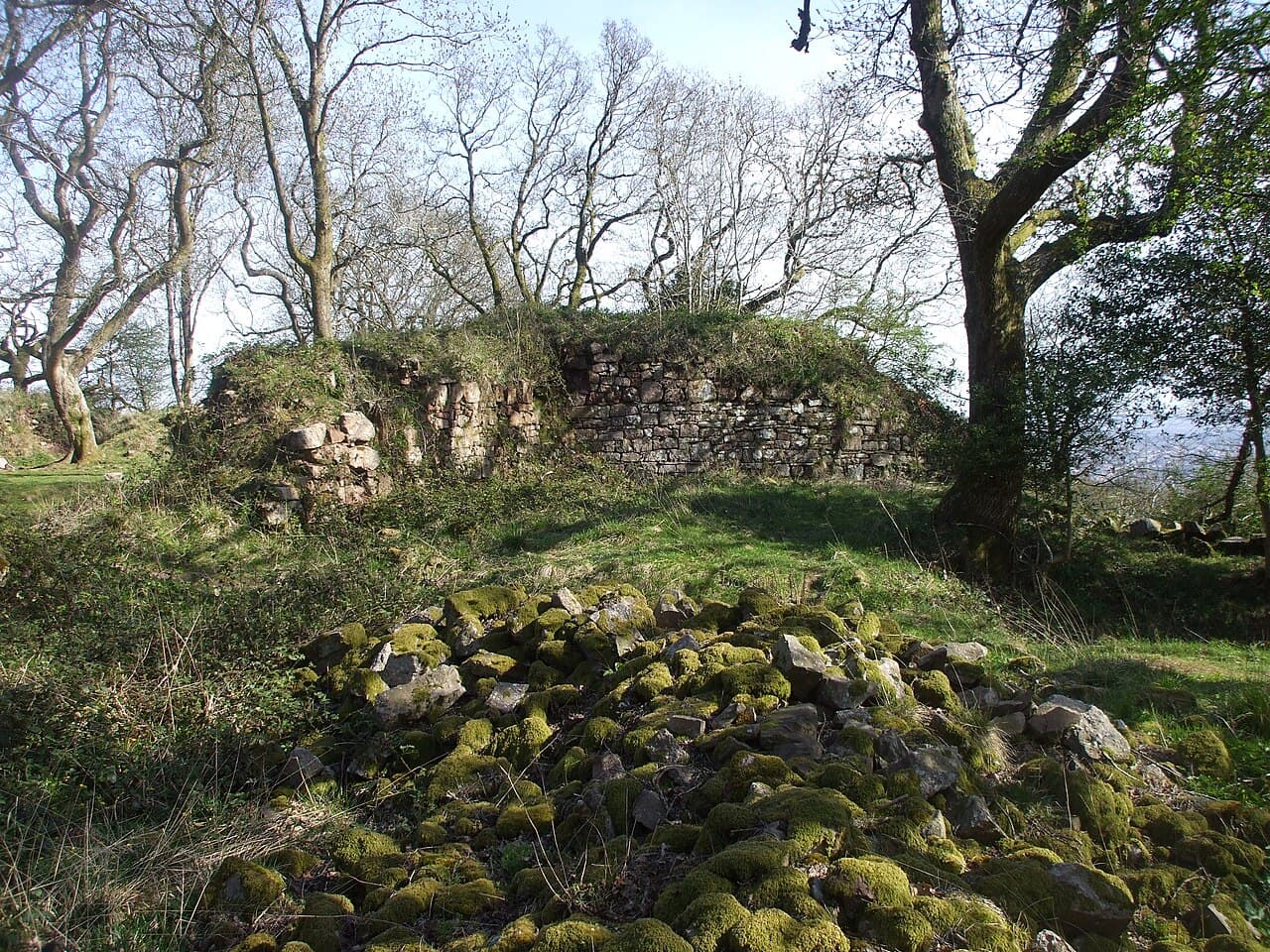
The remains of Morgraig Castle reveal the outline of a traditional medieval fortification designed for both defense and residence. The castle's layout includes the foundations of walls and towers arranged to maximize control over the surrounding terrain. Battlements were reported by early excavators, though these have not survived to the present day.
The castle notably lacks defensive ditches or moats, a feature common in many North Welsh castles but absent here. This absence contributes to ongoing discussions about whether Morgraig follows Welsh or English castle-building traditions. The presence of a spiral staircase, uncommon in Welsh castles but prevalent in English designs, supports the latter interpretation.
The use of Sutton stone is a distinctive characteristic, linking the castle materially to the Anglo-Norman de Clare domain. The stone's quality and local availability would have facilitated the construction of strong defensive walls. The surviving newel post of the spiral staircase is a rare and significant architectural detail, indicating a level of sophistication and design intent.
Historical significance and legacy
Morgraig Castle's significance lies largely in its representation of the complex cultural and political landscape of 13th-century South Wales. Positioned at the intersection of Welsh and Anglo-Norman spheres of influence, the castle embodies the contested nature of the region during the High Medieval period.
Although never completed or garrisoned, Morgraig provides valuable archaeological and architectural insights into castle construction practices and frontier defense strategies of the time. Its unfinished state offers a rare glimpse into the planning and early building phases of medieval fortifications, which are often obscured in fully realized castles.
Today, Morgraig Castle is a protected scheduled monument and a Grade II listed building. Its ruins, set within grassland amidst a densely populated region, continue to attract interest from historians, archaeologists, and visitors intrigued by its mysterious origins and strategic location.
Visiting morgraig castle
Visitors to Morgraig Castle can explore the ruins situated on a hilltop with panoramic views of the surrounding Welsh countryside and the distant cityscape of Cardiff. The site is accessible via local footpaths, though facilities are limited due to its status as an archaeological site rather than a fully developed tourist attraction.
The castle's remote and somewhat rugged setting offers a quiet environment for those interested in medieval history and architecture. Interpretive signage or guided tours may be limited, so visitors are encouraged to research the site's history in advance to fully appreciate its significance.
Frequently asked questions (FAQ)
- What is the historical significance of Morgraig Castle?
- Morgraig Castle is a significant historical site that dates back to the 13th century, serving as a defensive structure during the conflicts of the Welsh Wars. It showcases medieval architecture and provides insight into the feudal system of the time. The castle's ruins are a testament to the region's turbulent history and its strategic importance.
- When was Morgraig Castle built?
- Morgraig Castle was originally constructed in the late 1200s, likely around the year 1270. This timing coincides with the period of Welsh resistance against English rule, making the castle a key site in local history. Its architectural features reflect the style of medieval fortifications designed to withstand sieges.
- Can I visit Morgraig Castle?
- Yes, Morgraig Castle is open to visitors, allowing them to explore the ruins and enjoy the surrounding landscape. While there may not be guided tours, visitors can wander the site and appreciate its historical context. Always check local guidelines for any restrictions or special events before planning your visit.
- What are the opening hours for Morgraig Castle?
- Morgraig Castle is generally open year-round, with specific hours varying by season. Typically, visitors can access the site from dawn until dusk. It is advisable to confirm the exact hours before your visit, especially during holidays or adverse weather conditions.
- Is it possible to access Morgraig Castle with mobility issues?
- Morgraig Castle's ruins are situated in a natural landscape that may present challenges for visitors with mobility issues. The terrain can be uneven, and there are limited facilities available on-site. It's recommended to plan ahead and consider alternative viewpoints that may be more accessible.
- What is the best time to visit Morgraig Castle?
- The best time to visit Morgraig Castle is during the late spring to early autumn months, from May to September. During this period, the weather is typically milder and more conducive to outdoor exploration. Additionally, the surrounding scenery is vibrant and lush, enhancing the overall experience.
- Are there any nearby attractions to Morgraig Castle?
- Yes, there are several attractions near Morgraig Castle, including the beautiful Taff Valley and the historic town of Caerphilly, known for its impressive castle. Nature enthusiasts can also enjoy hiking trails in the nearby Brecon Beacons National Park. These sites offer a diverse range of activities and scenery for visitors to explore.
- What are the ticket prices for Morgraig Castle?
- Admission to Morgraig Castle is typically free, as it is a ruin rather than a fully maintained historical site. However, some special events or guided tours may have a fee associated with them. Always check the official website or local resources for the most current information regarding any costs or donations.
Photo gallery

Information
Website
Visit websiteSources & official resources
Verify the information above using these authoritative references.
Loading map...
Visitor reviews
No reviews yet. Been here? Write the first review and help other travelers!
Write the first reviewVisited this castle? Share your experience
Your review helps other travelers and adds first-hand knowledge to our encyclopedia.