Castell Coch (The Red Castle)
Castell Coch, known as the Red Castle, is a remarkable example of 19th-century Gothic Revival architecture located in Tongwynlais, Wales. This enchanting castle stands on the remnants of a 13th-century medieval fortification originally built by a Welsh chieftain. The site’s earlier history is largely obscure, but it is believed that the original castle was destroyed or abandoned during the 14th-century Welsh rebellions, leaving only foundational ruins by the 19th century.
The castle as it appears today is the result of an ambitious and imaginative restoration commissioned in 1871 by John Crichton-Stuart, the 3rd Marquess of Bute, one of the wealthiest men in Britain at the time. He entrusted the project to his favored architect, William Burges, whose vision transformed the ruins into a fairy-tale Gothic Revival masterpiece. Burges’s design was not intended as a strict historical reconstruction but rather as a romanticized and highly decorative reinterpretation of medieval castle architecture, blending High Victorian Gothic style with fantastical elements.
Historical background and significance
The original medieval Castell Coch was strategically positioned to guard the route through the Taff Gorge, an important passage in South Wales. This location was typical of hill castles built during the High Medieval period, designed for defense and control over the surrounding lands. Although detailed records of the early castle are scarce, it likely served as a stronghold for Welsh rulers during a turbulent era marked by conflicts with English forces.
By the 19th century, the castle lay in ruins, largely forgotten until the 3rd Marquess of Bute acquired the estate. His fascination with medieval history and architecture led to the commissioning of a restoration that would revive the site’s grandeur, albeit through a Victorian lens. This project was part of a broader trend in Britain during the Victorian era, where Gothic Revival architecture sought to evoke the romance and chivalry of the Middle Ages.
Architectural design and features
Exterior and structural elements
Castell Coch is characterized by its striking red sandstone walls, which give the castle its distinctive name. The structure features conical towers and a drawbridge that evoke the imagery of a medieval fortress, yet these elements are imbued with a whimsical, storybook quality. The castle’s layout includes a keep and curtain walls that enclose a small courtyard, combining defensive motifs with decorative flourishes.
The castle’s position on a wooded hillside enhances its fairy-tale appearance, with the natural environment complementing the romantic aesthetic. Burges incorporated numerous medieval architectural details, such as arrow slits and battlements, but these were often stylized to fit the Victorian fantasy rather than strict historical accuracy.
Interior decoration and craftsmanship
The interiors of Castell Coch are renowned for their lavish decoration and intricate craftsmanship. Burges designed each room with a unique theme, blending Gothic motifs with naturalistic elements. For example, the drawing room features stained glass windows depicting birds and butterflies, while the chapel is adorned with ornate carvings and colorful murals.
One of the most notable features inside the castle is the ornate chimney piece in the main hall, which portrays The Three Fates weaving the thread of life. This symbolic artwork reflects Victorian interests in mythology and allegory. The bedrooms and reception rooms are furnished with custom-made furniture designed by Burges, emphasizing rich materials such as velvet, gilded wood, and elaborate ironwork.
The castle’s interiors exemplify the High Victorian Gothic style, characterized by bold colors, complex patterns, and a blend of medieval and naturalistic themes. This approach created an immersive environment that transports visitors into a romanticized medieval world.
Cultural impact and tourism
Castell Coch remains a popular tourist attraction in Wales, celebrated for its unique blend of historical inspiration and Victorian fantasy. It offers visitors a glimpse into the 19th-century Gothic Revival movement and the ways in which medieval architecture was reimagined during this period.
The castle is managed by heritage organizations and is open to the public, allowing visitors to explore its exquisite interiors and picturesque surroundings. Its fairy-tale appearance has made it a favorite subject for photographers, artists, and filmmakers, further cementing its status as a cultural icon.
Visitor experience and accessibility
The castle’s location on a hillside means that access involves some walking through wooded paths, but the site is well maintained and offers informative guided tours. Visitors can learn about both the medieval origins of the site and the Victorian restoration, gaining insight into the architectural and historical significance of the castle.
Architectural legacy and preservation
Today, Castell Coch stands as a testament to the Victorian fascination with medievalism and the creative genius of William Burges. Its preservation allows scholars and enthusiasts to study the interplay between historical authenticity and artistic interpretation in castle restoration.
The castle’s well-preserved condition is the result of careful conservation efforts that maintain both its structural integrity and decorative features. It serves as an important example of how historic sites can be adapted and revitalized while respecting their heritage.
In summary, Castell Coch is more than just a restored medieval castle; it is a romantic architectural fantasy that captures the imagination and celebrates the rich cultural history of Wales through the lens of Victorian artistry.
Frequently asked questions (FAQ)
- How do I get to Castell Coch?
- Castell Coch is easily accessible by car and public transport, located just off the A470 road in Tongwynlais. If you're traveling by train, the nearest station is Taffs Well, which is a short bus ride away. There is also a parking area available for visitors who choose to drive.
- What are the opening hours of Castell Coch?
- Castell Coch typically opens at 10:00 AM and closes at 5:00 PM, but hours may vary by season. It is advisable to check the official website for the most up-to-date information before your visit, especially during holidays. Last entry is usually one hour before closing time.
- When was Castell Coch built?
- Castell Coch was constructed in the late 19th century, specifically between 1871 and 1891, under the direction of architect William Burges. The castle was commissioned by the third Marquess of Bute as a romantic residence and reflects the Gothic Revival architectural style. Its unique design and picturesque setting make it a remarkable example of Victorian architecture.
- Can I purchase tickets online for Castell Coch?
- Yes, tickets for Castell Coch can be purchased online through the official website. This option is highly recommended, especially during peak tourist seasons, to avoid long queues at the entrance. You can also find information about family tickets and any special events that may be taking place.
- Why is Castell Coch significant in Welsh history?
- Castell Coch is significant as it represents the romantic vision of the Victorian era, showcasing how historical architecture can be reimagined. It is not just a castle, but a testament to the cultural heritage of Wales and the legacy of the Marquess of Bute, who was a key figure in the industrialization of Cardiff. The castle also serves as a symbol of the region's medieval history and its importance in the landscape.
- Is Castell Coch accessible for visitors with disabilities?
- Yes, Castell Coch is committed to being accessible to all visitors. The site has facilities to assist those with mobility issues, including designated parking and accessible pathways. It is advisable to contact the visitor center in advance to ensure that any specific needs can be accommodated.
- What is the best time to visit Castell Coch?
- The best time to visit Castell Coch is during the spring and early autumn when the weather is mild, and the surrounding gardens are in full bloom. Additionally, weekdays tend to be less crowded compared to weekends, allowing for a more peaceful experience. Special events and guided tours are more frequent during the summer months.
- Are there any nearby attractions to Castell Coch?
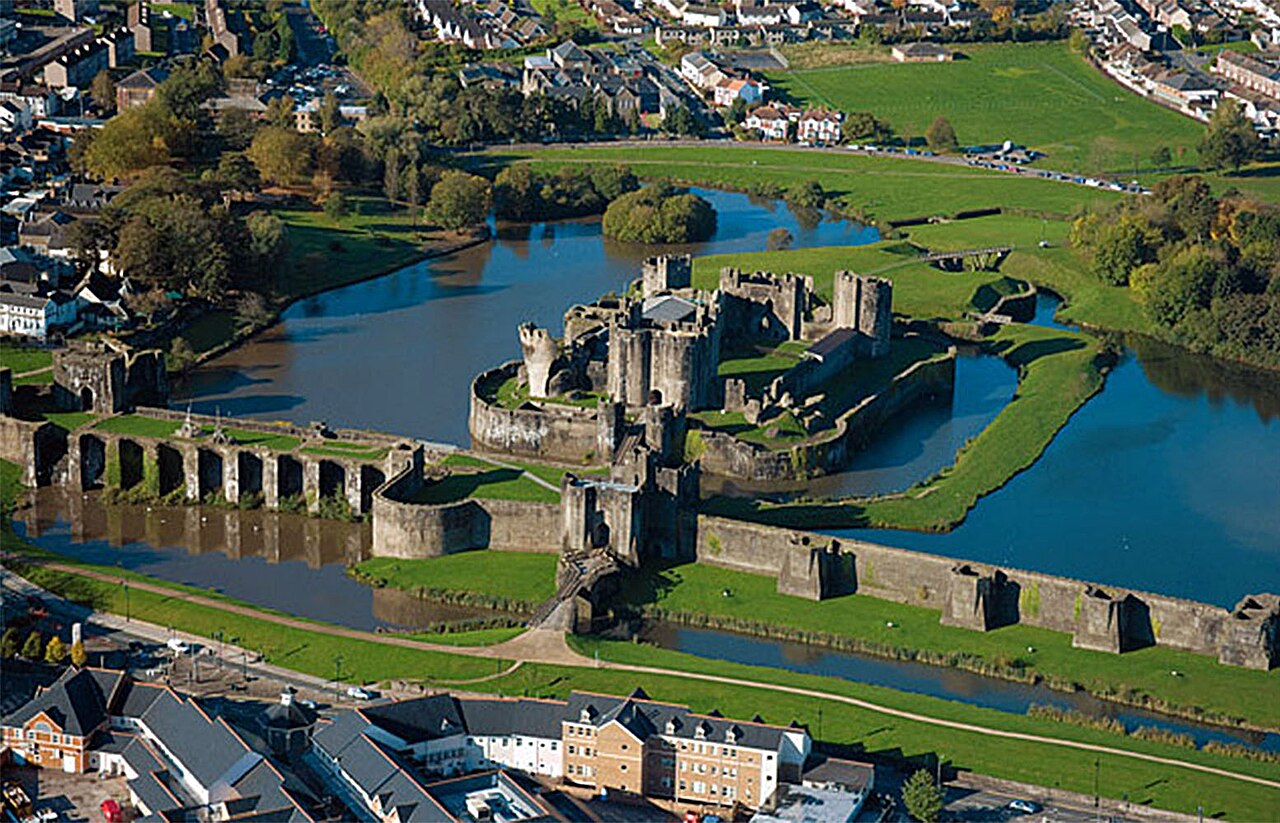
- Yes, there are several attractions near Castell Coch, including the picturesque village of Tongwynlais and the Taff Trail, a popular walking and cycling path. The nearby Caerphilly Castle, one of the largest in the UK, is also worth a visit. Both locations offer a glimpse into the rich history and natural beauty of the region.
- What are the ticket prices for Castell Coch?
- Ticket prices for Castell Coch vary, with discounts available for children, students, and seniors. Adults typically pay a standard entry fee, while family tickets provide savings for groups. For the latest pricing and any seasonal offers, it is best to check the official website prior to your visit.
Information
Loading map...
Visitor reviews
No reviews yet. Been here? Write the first review and help other travelers!
Write the first reviewVisited this castle? Share your experience
Your review helps other travelers and adds first-hand knowledge to our encyclopedia.