Segontium Roman fort stands as a significant archaeological site on the outskirts of Caernarfon in Gwynedd, North Wales. Founded in AD 77-78 during the governorship of Agricola, this fort was established following the Roman conquest of the Ordovices tribe. It served as the principal military base and administrative center in northern Roman Wales throughout the Roman occupation of Britain. Its strategic location on elevated ground east of the Seiont estuary provided commanding views over the Menai Straits, enabling surveillance and defense against seaborne threats.
Roman foundation and early history
Segontium was constructed as a Roman auxiliary fort designed to accommodate approximately one thousand infantry troops. The fort's name likely derives from the nearby Afon Seiont river or from an earlier British settlement named after the river. Its establishment was part of a broader Roman military campaign to secure North Wales and integrate the region into the Roman province of Britannia. The fort was connected by a well-engineered Roman road to the legionary fortress at Deva Victrix (modern Chester), facilitating troop movements and logistical support.
Architectural development and features
Originally built with timber defenses, Segontium underwent significant upgrades in the early 2nd century when its fortifications were rebuilt in stone. This transition reflects the fort's sustained military importance and the Roman commitment to long-term occupation. Within the fort's walls, archaeologists uncovered a large courtyard house featuring its own small bathhouse. This high-status residence is believed to have housed a senior official, possibly overseeing regional mineral extraction, a vital economic activity in Roman Wales.
Fort layout and defensive structures
The fort's layout included thick defensive walls with bastions or projecting towers at intervals, providing overlapping fields of fire against attackers. The gates were strategically placed to control access, and the fort was surrounded by a ditch or moat enhancing its defensive capabilities. The elevated position not only offered natural defense but also allowed the garrison to monitor maritime activity in the Menai Straits.
Military garrison and historical role
By the early 2nd century, Segontium's garrison size was reduced, as indicated by archaeological evidence. An inscription dating to the reign of Emperor Septimius Severus confirms that by the 3rd century the fort was manned by about 500 soldiers from the Cohors I Sunicorum, an auxiliary cohort originally raised from the Sunici tribe of Gallia Belgica. This reduction in force size corresponds with a shift in the fort's role from a large military base to a coastal defense outpost.
Defending against raids and regional security
During the 3rd and 4th centuries, Segontium's primary function was to protect the northern Welsh coast from Irish raiders and pirates. The fort's position enabled rapid response to seaborne threats, helping maintain Roman control over the region's maritime routes. Coins recovered from the site indicate occupation continued until at least 394 AD, near the end of Roman Britain.
Post-Roman and medieval history
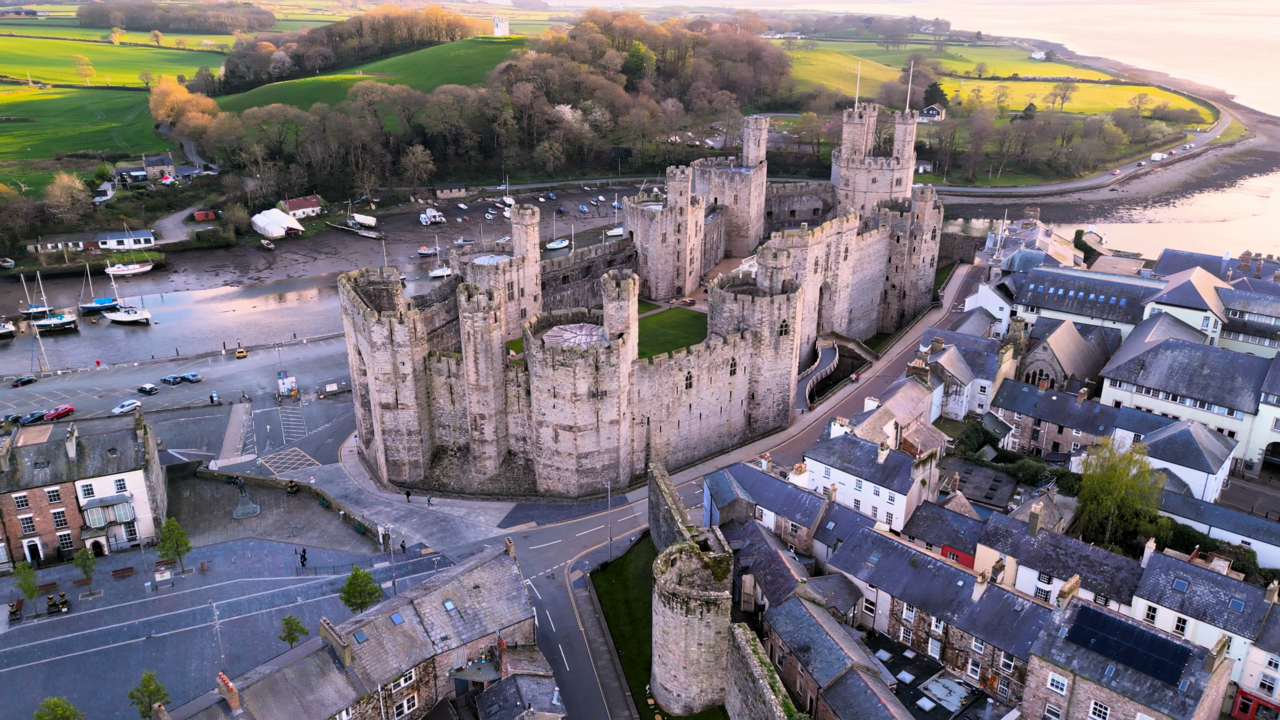
Following the Roman withdrawal, the site of Segontium remained significant. In the 11th century, the Normans constructed a motte-and-bailey castle nearby, which became the nucleus of the modern town of Caernarfon. Later, in the 13th century, the famous Edwardian Caernarfon Castle was built adjacent to the Seiont estuary, marking a new chapter in the region's defensive architecture.
Archaeological significance and present condition
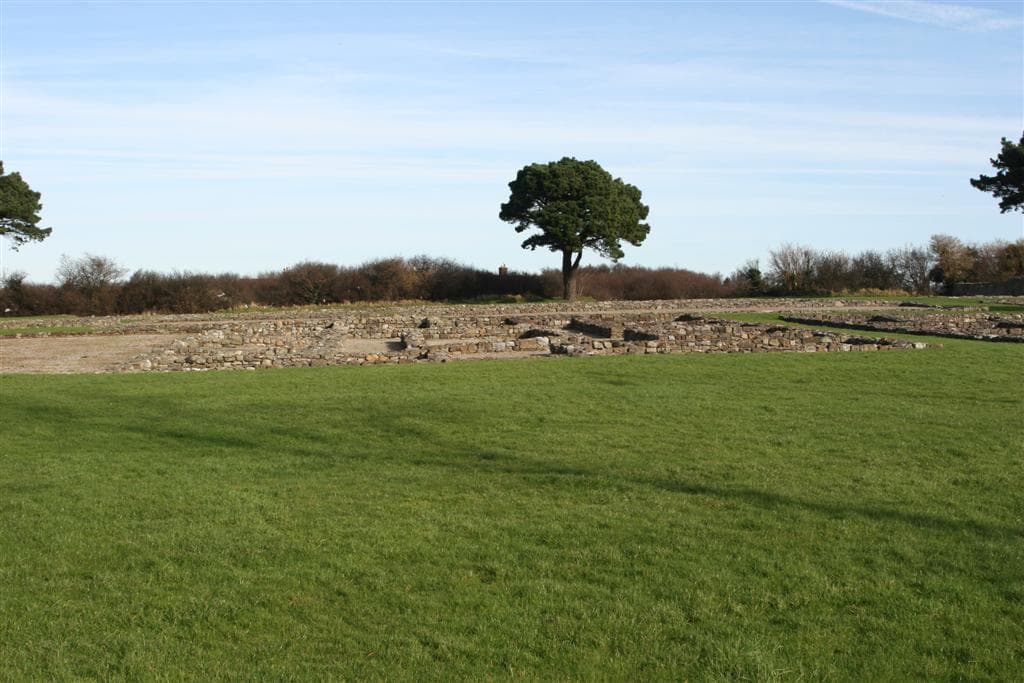
Today, Segontium's remains are mostly preserved despite modern infrastructure such as the A4085 road cutting through the site. Excavations have revealed not only the fort's foundations but also a civilian settlement, a Roman temple dedicated to Mithras known as the Caernarfon Mithraeum, and an associated cemetery. These findings provide valuable insights into the daily life, religious practices, and community organization within and around the fort.
Visiting and educational resources
While the site itself has limited visitor facilities, guidebooks and interpretive materials are available at nearby Cadw heritage sites, including Caernarfon Castle. Segontium offers a tangible connection to the Roman military presence in Wales and is a key location for understanding the Roman frontier in Britannia.
Frequently asked questions (FAQ)
- What is Segontium Roman Fort?
- Segontium Roman Fort is an ancient fortification located in Caernarfon, Wales, dating back to the Roman occupation of Britain in the 1st century AD. It served as a military base and played a crucial role in the Roman administration of the region. Today, it is a significant archaeological site that offers insights into Roman military life and architecture.
- When was Segontium Roman Fort built?
- Segontium Roman Fort was constructed around AD 77 during the Roman conquest of Britain. The fort was strategically placed to oversee the local populace and protect the Roman interests in the area. Its ruins provide a glimpse into the military strategies employed by the Romans during their occupation.
- Can I visit Segontium Roman Fort?
- Yes, Segontium Roman Fort is open to visitors who wish to explore its historical ruins and learn more about Roman Britain. The site offers various facilities to enhance your visit, including informative signage and guided tours. It’s a great opportunity for history enthusiasts and families alike.
- What are the opening hours for Segontium Roman Fort?
- Segontium Roman Fort typically opens from 10 AM to 5 PM, but hours may vary depending on the season and special events. It is advisable to check the official website or contact local visitor information for the most accurate and up-to-date hours before planning your visit.
- Is it possible to access Segontium Roman Fort with mobility aids?
- The site does have some accessibility features, but visitors should be aware that certain areas may have uneven terrain typical of archaeological sites. It's best to contact the site ahead of your visit to inquire about specific accessibility options available for those with mobility aids.
- What is the best time to visit Segontium Roman Fort?
- The best time to visit Segontium Roman Fort is during the spring and summer months when the weather is more pleasant and the site is more vibrant with greenery. Additionally, during these seasons, guided tours and events may be more frequent, providing a richer experience. However, visiting in the autumn can also offer a quieter atmosphere with beautiful fall foliage.
- Are there any nearby attractions to visit?
- Yes, Segontium Roman Fort is located near several attractions, including the town of Caernarfon itself and the iconic Caernarfon Castle. The surrounding area also offers beautiful landscapes and walking trails, making it a perfect base for exploring North Wales. Visitors can easily combine their trip to the fort with other historical sites and natural wonders.
- What are the ticket prices for Segontium Roman Fort?
- Ticket prices for Segontium Roman Fort are generally affordable, with discounts available for children, seniors, and families. Admission fees typically help support the preservation of the site and its educational programs. It is recommended to check the official website for the latest pricing information and any special offers that may be available.
Photo gallery

Photo by No machine-readable author provided. Rhion assumed (based on copyright claims).•Public domain
Information
Website
Visit websiteSources & official resources
Verify the information above using these authoritative references.
Loading map...
Visitor reviews
No reviews yet. Been here? Write the first review and help other travelers!
Write the first reviewVisited this castle? Share your experience
Your review helps other travelers and adds first-hand knowledge to our encyclopedia.