Bled Castle
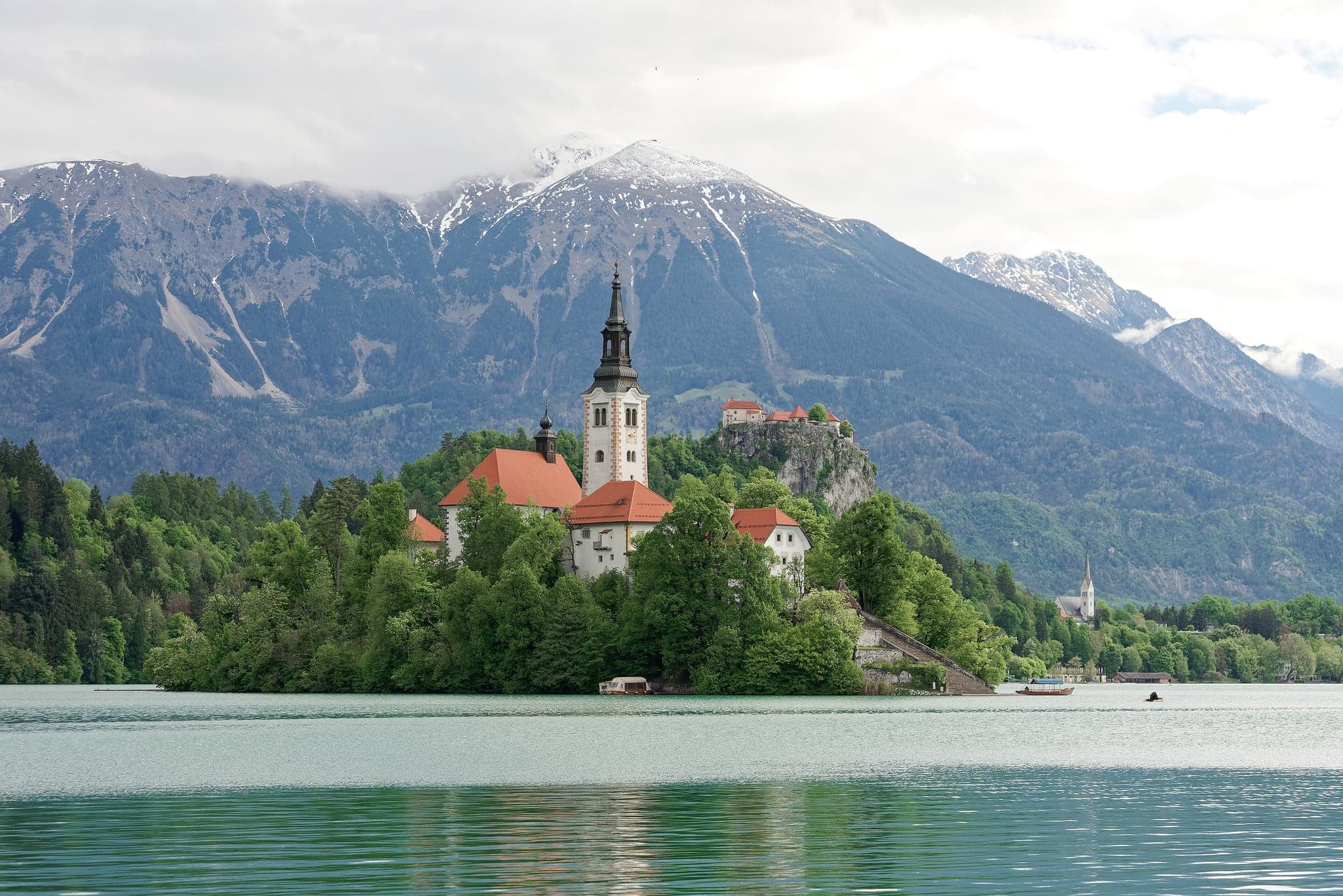
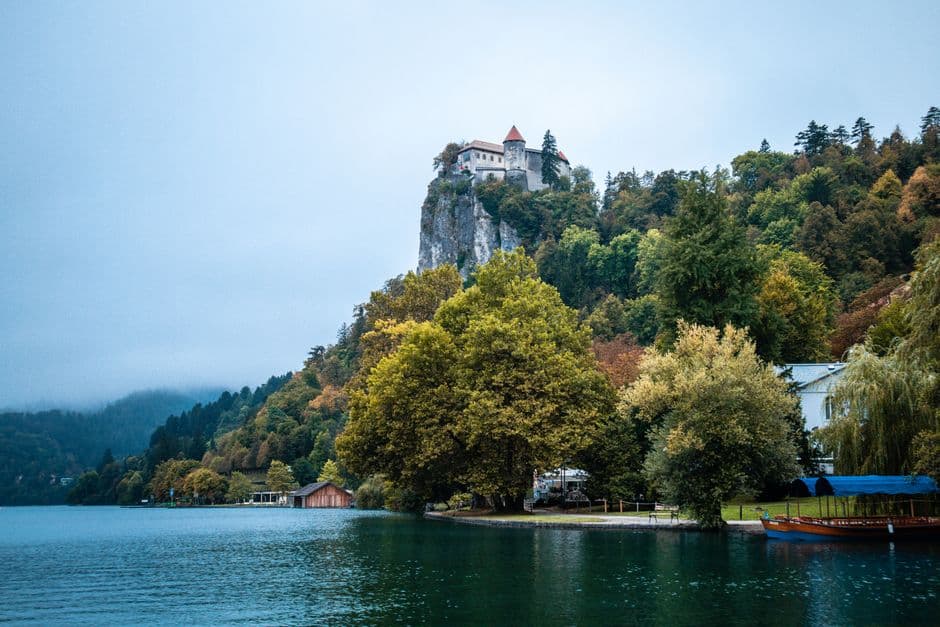
Bled Castle is a remarkable medieval fortress perched on a steep cliff approximately 130 meters above the picturesque Lake Bled in Slovenia. Recognized as the oldest castle in Slovenia, its history dates back over a millennium, with the first written record appearing in a 1011 deed of donation by Emperor Henry II. This historic fortress offers spectacular panoramic views of the lake, the island with its iconic church, and the surrounding Julian Alps and Karavanke mountain ranges, making it a symbol of both Bled and Slovenia.
The origins and historical significance of Bled Castle
The castle's origins trace to a Roman watchtower that once stood on the site, underscoring its long-standing strategic importance. In 1004, Emperor Henry II granted the estate of Bled to Bishop Albuin of Brixen, marking the beginning of the castle's documented history. The first mention of the castle itself, referred to as Castellum Veldes, appears in a 1011 deed confirming its possession by the Bishops of Brixen. At that time, the castle was part of the March of Carniola, a border province of the Holy Roman Empire.
For over two centuries, the castle served as the administrative center of the Brixen estate in Upper Carniola, although the bishops themselves rarely resided there. Instead, local noble castellans managed the fortress and its lands. In 1278, the castle passed into the hands of the Austrian House of Habsburg, who retained ownership for several centuries. During the Napoleonic Wars, from 1809 to 1813, the castle briefly became state property under the Illyrian Provinces.
Medieval architecture and fortifications
The castle's layout is arranged around two main courtyards, the lower and the upper, connected by a staircase within a Baroque wing added in later centuries. The oldest surviving structure is its Romanesque tower, a testament to the castle's early medieval origins. The defensive system was significantly enhanced in the late Middle Ages to withstand threats such as Ottoman incursions. These improvements included the addition of multiple towers, a moat, and a drawbridge—features typical of hill castles designed for strong defense.
Visitors can still imagine entering through the outer walls featuring a Gothic arch and crossing the drawbridge, which today spans a filled-in moat. The curtain walls are predominantly Romanesque, covered with white plaster, and adorned with Renaissance details. Defensive elements such as arrow slits and covered battlements remain visible, while the red-tiled conical towers of cylindrical and square shapes date from the 16th century.
The castle chapel
One of the castle's most notable features is the Gothic chapel located in the upper courtyard, consecrated to Saints Albuin and Ingenium. Constructed in the 16th century, the chapel was renovated in the Baroque style around 1700 following damage from the 1511 earthquake. Its interior is decorated with illusionist frescoes, including portraits of Emperor Henry II and his wife Kunigunda, who were important patrons of the estate. The chapel's Baroque altars and frescoes add to the castle's rich artistic heritage.
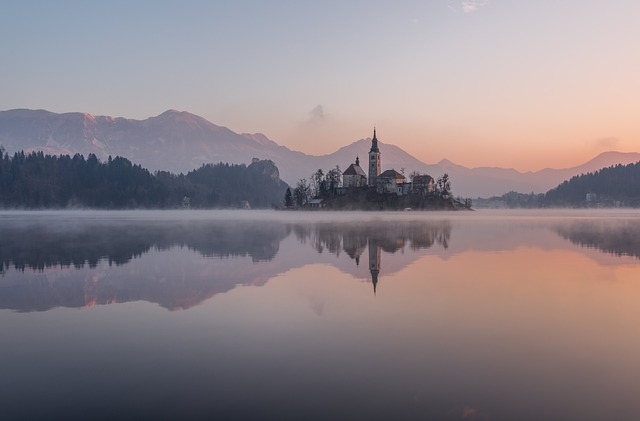
Photo by dreamypixel • Pixabay Content License
Ownership and cultural role through the centuries
Throughout its history, Bled Castle was leased or owned by various noble families. The Kraig family held it for nearly two centuries, and later it was owned by Herbard Auersperg, a notable supporter of the Protestant Reformation who hosted reformer Primož Trubar in 1561. The castle's strategic location made it a significant venue for diplomatic and protocol meetings, attracting many important statesmen over the centuries.
After the abolition of feudal duties in 1848, the castle was sold to industrialist Victor Ruard and later changed hands several times, including acquisition by a local hotelier in 1918. During World War II, Bled Castle served as a Nazi military headquarters. Post-war, it became state property and was converted into a museum. A fire in 1947 caused damage, prompting major restorations between 1951 and 1961 led by architect Tone Bitenc, and further renovations in 2008 by the Bled Cultural Institute.
Current features and visitor experience
Today, Bled Castle functions as a museum and cultural venue. Its two courtyards showcase the castle's historical development, with exhibitions featuring over 400 artifacts such as weapons, knight armor, jewelry, furniture, ceramic stoves, and archaeological finds dating from the 16th to 18th centuries. While many displayed items are not original to the castle, they effectively illustrate the lifestyle of the periods represented.
Additional attractions include a herb garden and a gallery of medicinal plants, a printing press with a wooden replica of a Gutenberg-era press, and a wine cellar highlighting Slovenian wines. A beekeeping shop reflects local cultural traditions. The castle also hosts numerous cultural events during warmer months, including Medieval Days with knights demonstrating medieval life, archery contests, classical concerts, and historical reenactments.
Views and surroundings
From the castle's terraces, visitors enjoy breathtaking views of Lake Bled, the island church, the surrounding towns of Lesce and Radovljica, and the majestic mountains of the Julian Alps and Karavanke range. On clear days, the summit of Triglav, Slovenia's highest peak, is visible, enhancing the castle's allure as both a historic site and a scenic lookout.
Frequently asked questions (FAQ)
- What is the historical significance of Bled Castle?
- Bled Castle, perched on a cliff overlooking Lake Bled, is one of the oldest castles in Slovenia, dating back to the 11th century. It has served various purposes throughout history, including a fortress and a noble residence, showcasing the rich cultural heritage of the region.
- When was Bled Castle built?
- Bled Castle was constructed in the early 11th century, making it a significant historical landmark. Its strategic location offers breathtaking views of the surrounding landscape, which played a crucial role in its historical defense capabilities.
- Can I visit Bled Castle?
- Yes, Bled Castle is open to visitors year-round, allowing you to explore its fascinating history and stunning architecture. You can enjoy guided tours, exhibitions, and beautiful views of Lake Bled and the Julian Alps from the castle grounds.
- What are the opening hours of Bled Castle?
- Bled Castle is typically open daily, with hours varying by season. During the peak summer months, it is open from 8 AM to 8 PM, while winter hours may be shorter, so it's advisable to check the official website for the most current information.
- How much does it cost to enter Bled Castle?
- The ticket prices for Bled Castle are reasonable, with discounts available for students and children. As of now, adult tickets are around 13 euros, while children’s tickets are about 7 euros, making it an affordable attraction for families.
- Is Bled Castle accessible for visitors with disabilities?
- Bled Castle strives to be accessible to all visitors, with pathways and facilities designed to accommodate those with mobility challenges. However, due to its cliffside location, some areas may still pose difficulties, so it’s recommended to inquire in advance about specific access options.
- What is the best time to visit Bled Castle?
- The best time to visit Bled Castle is during the spring and early autumn months when the weather is pleasant and the natural scenery is at its most vibrant. Summer can be crowded, while winter offers a magical atmosphere with snow-capped landscapes, each season providing a unique experience.
- Are there any nearby attractions to Bled Castle?
- Yes, there are several nearby attractions, including Lake Bled, which is perfect for walking, boating, or picnicking. Additionally, the charming town of Bled and the picturesque Vintgar Gorge are just a short drive away, offering more opportunities for exploration.
Photo gallery


Information
Website
Visit websiteFeatured in
Articles on the Castlopedia blog that feature Bled Castle.
Sources & official resources
Verify the information above using these authoritative references.
Loading map...
Visitor reviews
Based on 1 review
Wojtek
Beautifully placed castle. One of my top castles in the world. The lake and nearby Lake Bohinj are both worth seeing!
Visited this castle? Share your experience
Your review helps other travelers and adds first-hand knowledge to our encyclopedia.