Shalfak
Shalfak fortress is an ancient Egyptian military stronghold strategically located on the western shore of the Second Cataract of the Nile River, now situated on an island within Lake Nubia in northern Sudan. Constructed during the Middle Kingdom period of Egypt, this bastioned fortress was part of a network of fortifications aimed at securing Egypt's southern frontier and controlling trade and military movements along the Nile.
Historical context and strategic importance
The fortress was built under the reign of Senusret III (circa 1878–1839 BCE), a pharaoh renowned for his military campaigns and border fortifications. Shalfak served as a key defensive outpost during the Middle Kingdom, guarding the approaches to Egypt from Nubian territories to the south. Its location near the Second Cataract—a natural barrier formed by rocky rapids—made it a critical point for controlling river traffic and monitoring incursions.
Architectural features and layout
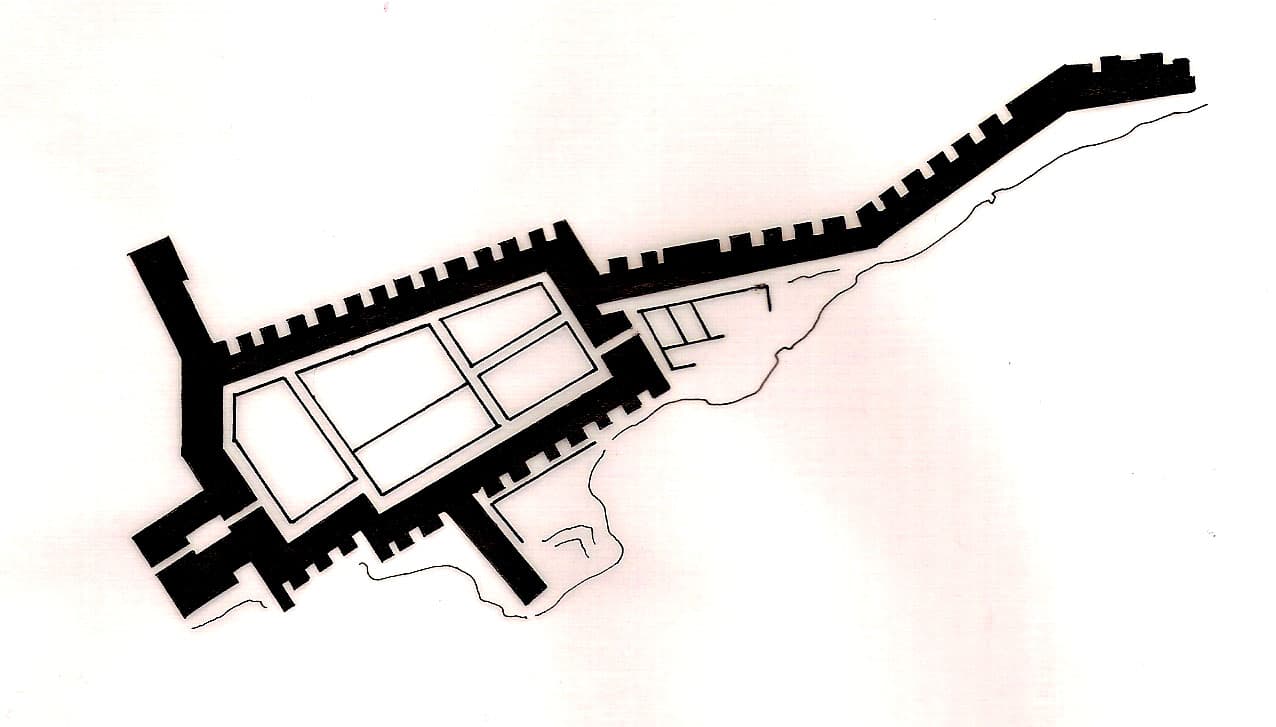
Shalfak exemplifies the design principles of Middle Kingdom military architecture. The fortress is characterized by its bastioned walls, which provided enhanced defensive capabilities. These bastions projected outward from the curtain walls, allowing defenders to cover adjacent wall sections and prevent attackers from approaching the walls unchallenged.
The fortress plan is roughly rectangular, with thick mudbrick walls reinforced by stone facing in some sections. Inside, the layout included barracks, storage facilities, and administrative buildings necessary to support a garrison. The walls were complemented by a moat or ditch, enhancing the defensive perimeter.
Defensive structures
The bastions were positioned at regular intervals along the walls, creating overlapping fields of fire for archers and soldiers. The entrance was heavily fortified, likely featuring a gatehouse and possibly a drawbridge or other mechanisms to control access. The fortress's elevated position on an island increased its natural defenses, making assaults difficult.
Archaeological investigations and preservation
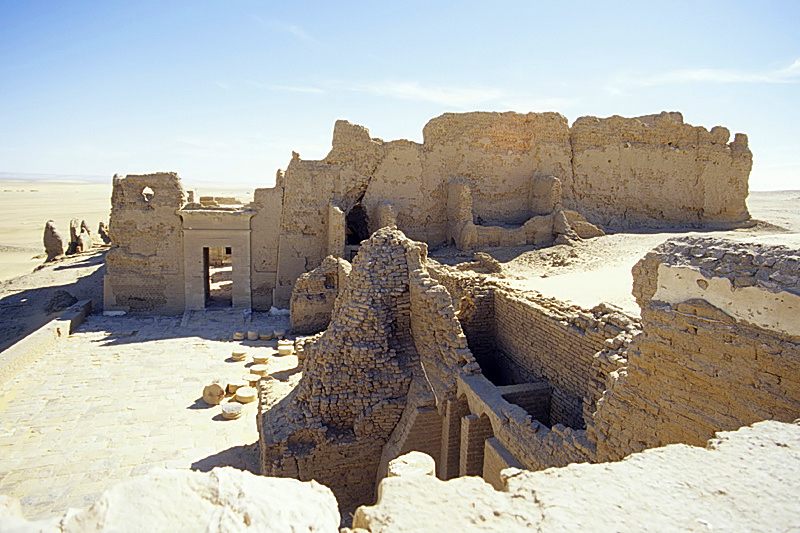
Shalfak was excavated primarily in the 20th century, notably as part of the UNESCO Nubian Salvage Campaign during the 1960s, which aimed to document and preserve archaeological sites threatened by the creation of Lake Nubia (also known as Lake Nasser in Egypt). The fortress's remains are partially preserved, with substantial portions of the walls and bastions still visible, providing valuable insights into ancient Egyptian military engineering.
Significance in Egyptian military history
The fortress is an important example of Egypt's efforts to secure its borders during a period of territorial expansion and consolidation. It reflects the military and administrative strategies employed by the Middle Kingdom rulers to control Nubia, which was rich in resources such as gold and valuable trade routes.
Location and environment
Today, Shalfak lies on an island formed by the waters of Lake Nubia, which was created following the construction of the Aswan High Dam. The transformation of the landscape has altered the site's surroundings, but the fortress remains a significant archaeological landmark in Sudan's Nubian region.
Access and tourism
Due to its remote location and the challenges posed by the lake environment, Shalfak is not a major tourist destination. Access typically requires special arrangements and guidance from local authorities or archaeological missions. However, its historical value continues to attract scholars and enthusiasts of ancient Egyptian military architecture.
Frequently asked questions (FAQ)
- What is the historical significance of Shalfak fortress?
- Shalfak fortress was a key military outpost during Egypt's Middle Kingdom, securing the southern border near the Second Cataract of the Nile and controlling trade routes.
- Can visitors access Shalfak fortress today?
- Due to its remote island location in Lake Nubia, access to Shalfak is limited and usually requires special arrangements with local authorities or archaeological teams.
- What architectural features define Shalfak fortress?
- Shalfak features bastioned walls typical of Middle Kingdom Egyptian fortifications, including projecting bastions for defense and a fortified gatehouse.
Photo gallery

Information
Loading map...
Visitor reviews
No reviews yet. Been here? Write the first review and help other travelers!
Write the first reviewVisited this castle? Share your experience
Your review helps other travelers and adds first-hand knowledge to our encyclopedia.