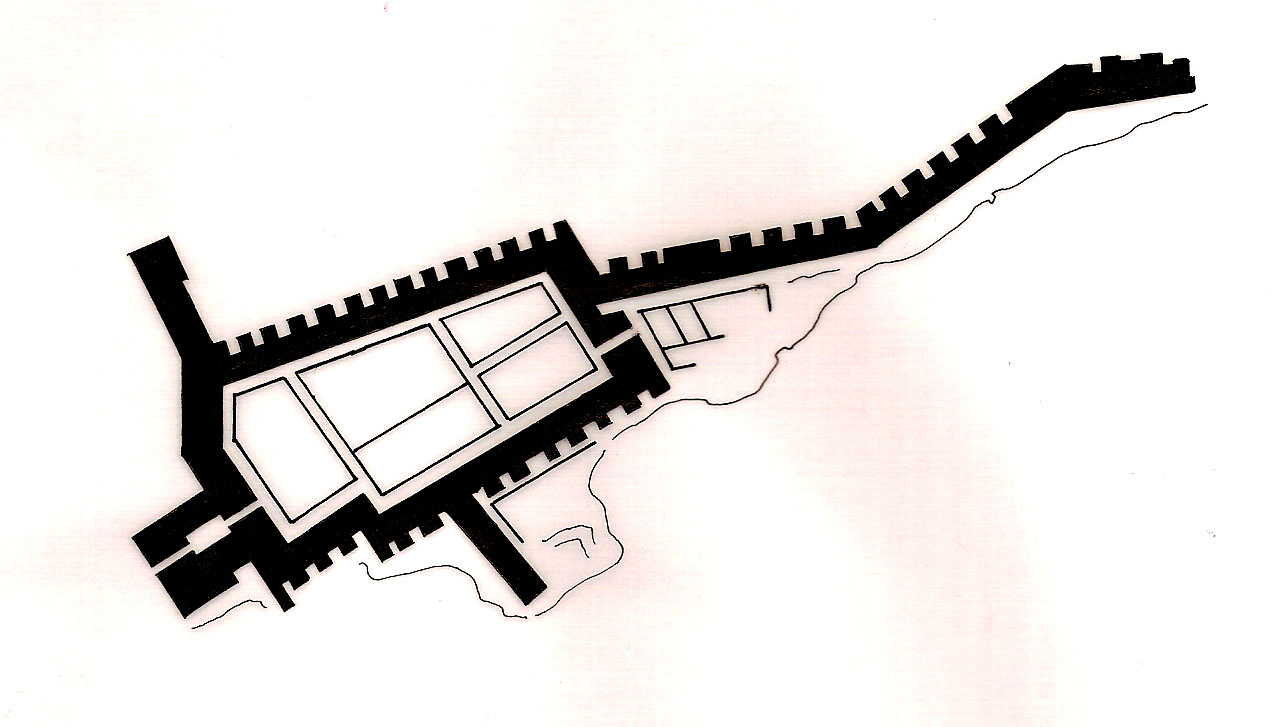
Kumma, also known as Semna East, is a significant archaeological site located in modern-day Sudan. This ancient fortress was constructed during the mid-12th Dynasty of Egypt, specifically under the reign of Pharaoh Sesostris III (circa 1878–1839 BC). Its primary purpose was to serve as a military stronghold safeguarding the southern border of ancient Egypt, marking the boundary between Egypt and Nubia.
The fortress of Kumma was part of a strategic pair alongside Semna, situated directly across the Nile River on the western bank. Kumma itself lies on the eastern bank of the Nile, approximately 365 kilometres south of Aswan and about 35 kilometres southwest of the second cataract. This location was crucial for controlling trade routes and military movements in the region, as the Nile served as a vital artery for commerce and communication.
Historical context and strategic importance
The construction of Kumma and Semna fortresses reflects the Egyptian military and political strategy during the Middle Kingdom period. Pharaoh Sesostris III undertook extensive campaigns to secure Egypt's southern frontier against incursions and to regulate the flow of goods and people. These fortresses were equipped with defensive walls, watchtowers, and garrisons to monitor and control the border effectively.
Kumma's role extended beyond mere defense; it was also a customs checkpoint where taxes and tributes from Nubia were collected. This control helped Egypt maintain economic dominance over the region and secure valuable resources such as gold, ivory, and exotic animals.
Architectural features and layout
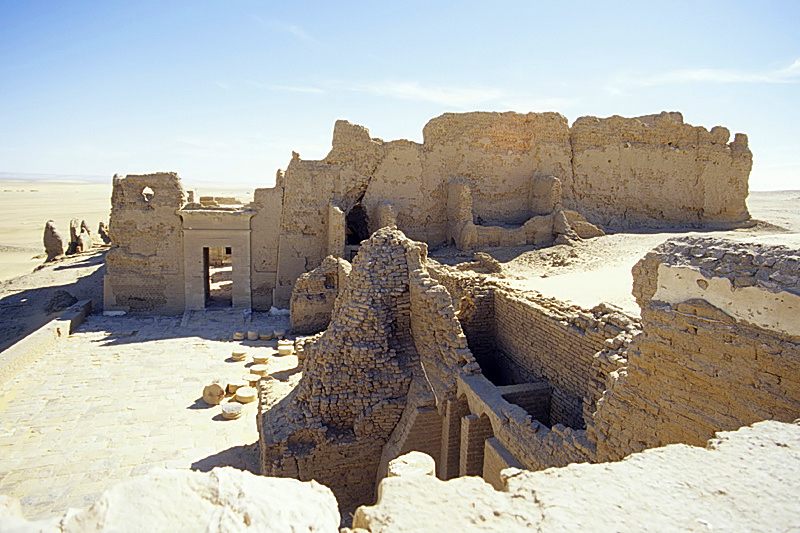
The fortress of Kumma exemplifies Middle Kingdom military architecture with its robust construction and strategic design. Although much of the site now lies in ruins, archaeological excavations have revealed the remains of massive mudbrick walls that enclosed the fortress, along with defensive towers positioned at intervals for surveillance and protection.
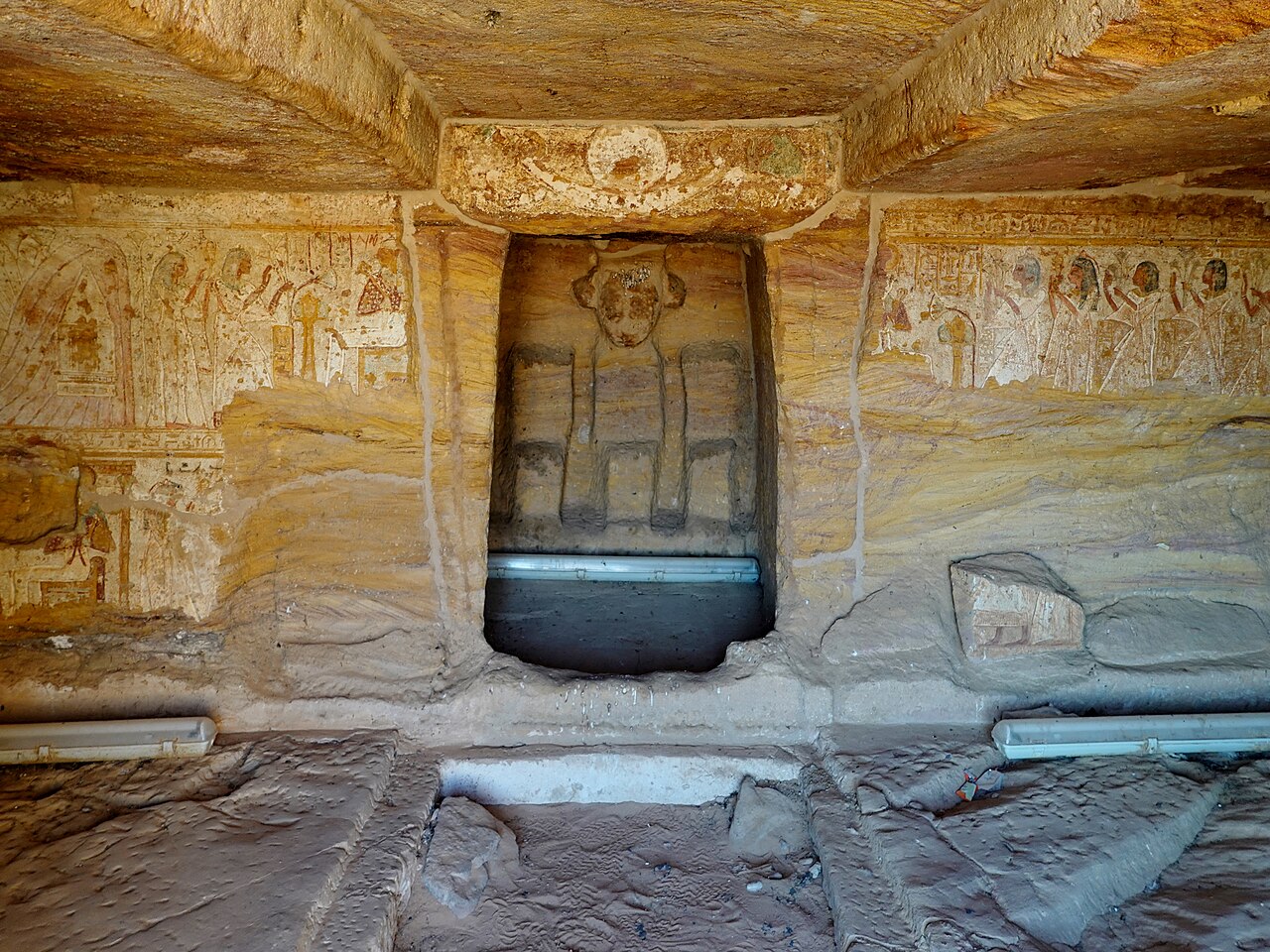
The internal layout likely included barracks for soldiers, storage facilities for supplies and weapons, and administrative buildings. The presence of a temple dedicated to Khnum, the ram-headed god associated with the Nile and creation, indicates the religious significance embedded within the fortress complex. This temple was carefully dismantled and reconstructed in the National Museum of Sudan in Khartoum to preserve its cultural heritage.
Impact of modern developments and preservation
Today, the original site of Kumma is submerged under the waters of Lake Nubia, formed by the construction of the Aswan High Dam in the 20th century. This flooding has made direct archaeological exploration challenging, and much of the fortress remains inaccessible. However, salvage operations before the flooding allowed for the recovery and preservation of important artifacts and architectural elements.
The relocation of the temple of Khnum to Khartoum stands as a testament to efforts to safeguard Sudan's ancient heritage. The ruins of Kumma continue to provide valuable insights into Egyptian frontier policy, military architecture, and cultural exchange with Nubia.
Archaeological significance and research
Archaeologists have studied Kumma extensively to understand the dynamics of Egyptian-Nubian relations during the Middle Kingdom. The fortress serves as a case study in ancient border control systems and the integration of military, economic, and religious functions within a single complex.
Findings at Kumma contribute to broader knowledge about the 12th Dynasty's administrative organization and the technological advancements in fortress construction. Despite its current condition as ruins, Kumma remains a critical site for understanding the geopolitical landscape of ancient Northeast Africa.
Frequently asked questions (FAQ)
- How do I get to Kumma Castle?
- Kumma Castle is located in Sudan, easily accessible from major cities like Khartoum. Visitors can travel by car or take public transportation options that connect to nearby towns.
- What is the historical significance of Kumma Castle?
- Kumma Castle is an important historical site that dates back to the medieval period, showcasing the architectural and cultural influences of the time. It played a crucial role in the defense of the region and is a testament to the rich history of Sudan.
- When was Kumma Castle built?
- Kumma Castle was constructed in the 16th century, during a period of significant military and political activity in Sudan. Its design reflects both local and foreign architectural styles that were prevalent at the time.
- Can I explore the interior of Kumma Castle?
- Yes, visitors are allowed to explore the interior of Kumma Castle, where they can see various historical artifacts and learn about its history. Guided tours are often available to enhance the experience and provide deeper insights.
- Why is Kumma Castle an architectural marvel?
- Kumma Castle is celebrated for its unique blend of architectural styles, including elements of Islamic and Nubian design. Its strategic location and robust construction techniques highlight the ingenuity of its builders.
- Is it possible to visit Kumma Castle year-round?
- Yes, Kumma Castle is open to visitors year-round, but it is advisable to check local conditions and any specific seasonal events. The cooler months from October to March are generally the best times to visit.
- What are the ticket prices for Kumma Castle?
- Ticket prices for Kumma Castle are modest, making it an affordable destination for travelers. Discounts may be available for students and groups, so it's worth inquiring at the entrance.
- What are the opening hours for Kumma Castle?
- Kumma Castle typically opens its gates from 9 AM to 5 PM, allowing ample time for exploration. However, it's recommended to check for any changes in hours due to holidays or special events.
- Are there any nearby attractions to visit along with Kumma Castle?
- Yes, several attractions are located near Kumma Castle, including ancient ruins and local markets. Visitors can enrich their experience by exploring the surrounding historical sites and enjoying the vibrant culture of the region.
Photo gallery

Information
Loading map...
Visitor reviews
No reviews yet. Been here? Write the first review and help other travelers!
Write the first reviewVisited this castle? Share your experience
Your review helps other travelers and adds first-hand knowledge to our encyclopedia.