Iraq al-Amir
Iraq al-Amir, located just outside Amman in the Wadi Al-Seer region of Jordan, is a remarkable archaeological and historical site that combines natural geological formations with ancient human habitation and significant architectural ruins. The name Iraq al-Amir translates to “Caves of the Prince” in Arabic, a fitting title for this area known for its extensive network of caves and the remains of a castle associated with the ancient region’s rulers.
This site is distinguished by more than ten caves that have been used by various peoples since the Copper Age, making it a place of continuous human activity for thousands of years. These caves offer a unique glimpse into prehistoric and early historic life through their varied forms and functions. For example, one cave features stone-lined seats arranged in a manner suggesting it served as a communal space for feasting or meetings. Another cave’s interior is divided by low stone walls into small cubicles roughly the size of a supine adult, indicating a possible funerary or sepulchral use. A third cave is notable for its high ceiling and carved walls, enclosing a spacious room likely intended for communal living, possibly housing several families.
While these caves are no longer permanently inhabited, they continue to serve practical uses in the present day, occasionally sheltering shepherds' livestock such as sheep and donkeys. The caves also provide a habitat for numerous bats, contributing to the site’s ecological significance.
Historical and cultural significance
The most striking archaeological feature at Iraq al-Amir is the presence of large carved inscriptions at the entrances to two of the caves. These inscriptions are written in an early script that scholars debate as either an early form of Hebrew or Aramaic, though the consensus leans toward a non-standardized early Hebrew script. The inscriptions spell out the name “Toviyah,” a Hebrew name meaning “God is good” (with tov meaning good and yah referring to God).
This name is significant because it is believed to reference the powerful Tobiad family, a prominent Ammonite Jewish dynasty that played a crucial role in the region’s history. The Tobiads were known for their influence and wealth during the Second Temple period, and their connection to Iraq al-Amir suggests the site was an important center of power and culture in antiquity.
The castle ruins and architectural features
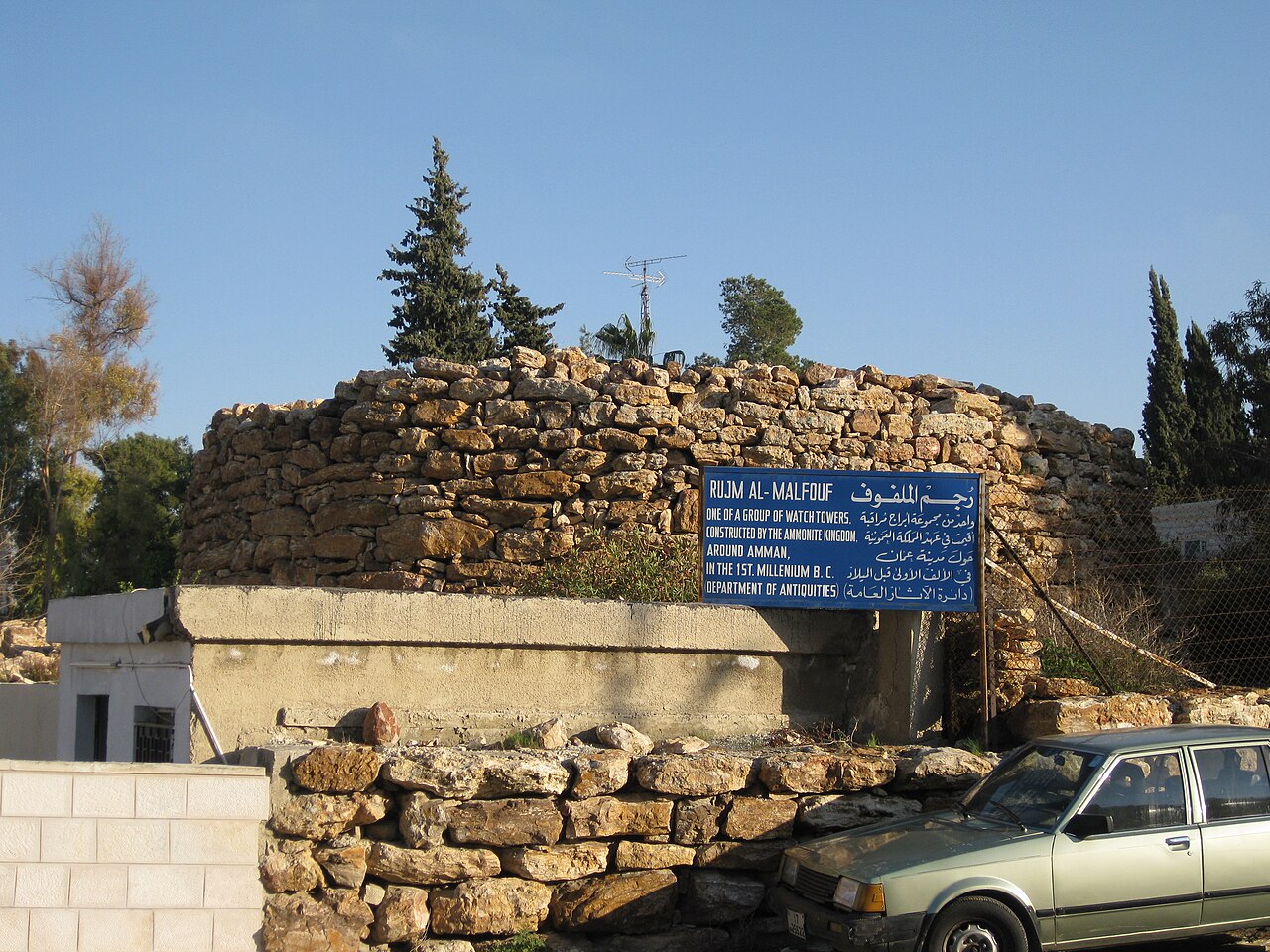
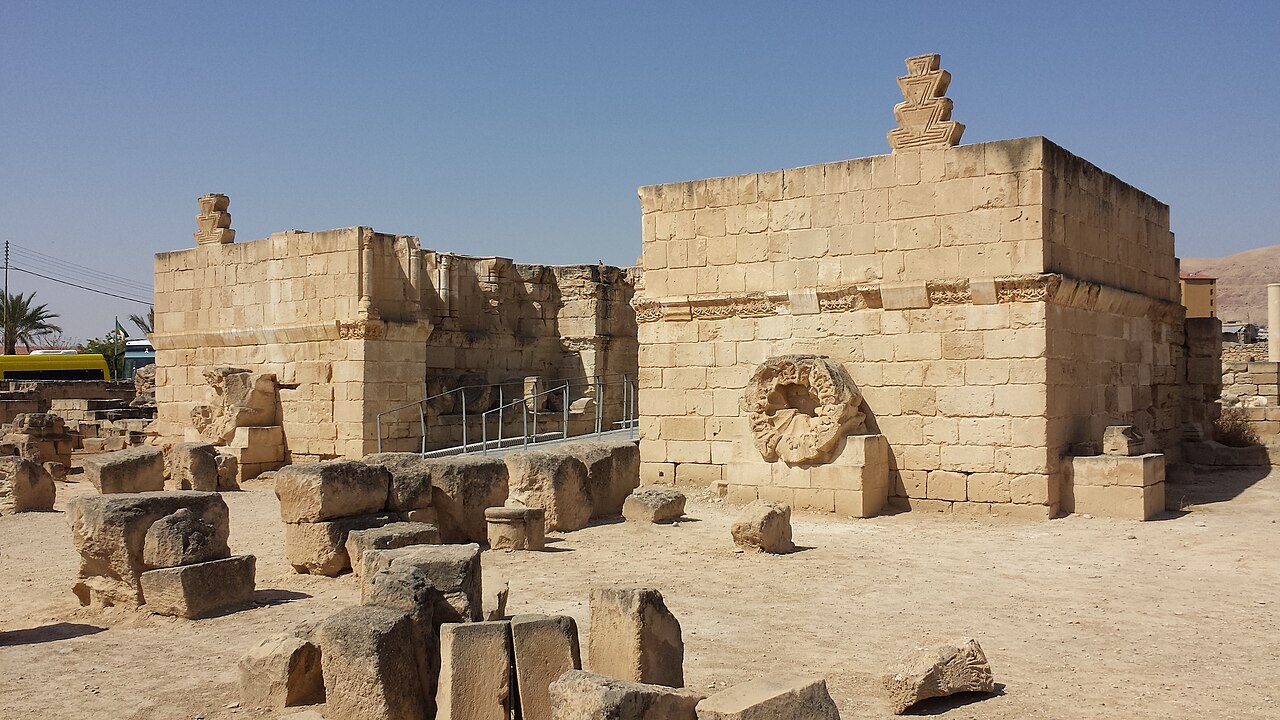
Among the archaeological remains at Iraq al-Amir is the ruin of a castle sometimes described as an "Ozymandian castle," a term that evokes the grandeur and mystery of ancient Near Eastern fortifications. Although much of the castle is in ruins, its remnants provide valuable insights into the military and residential architecture of the period. The castle likely served both defensive and administrative functions, overseeing the surrounding territory and controlling access to the caves and local settlements.
The architectural style of the castle reflects typical features of ancient fortifications in the region, including thick stone walls, strategic positioning on elevated terrain, and limited access points designed for defense. While detailed architectural plans are scarce, the castle's ruins contribute to understanding the historical landscape of Iraq al-Amir and its role within the broader context of Jordanian and Levantine history.
Archaeological research and preservation
Archaeologists and historians have studied Iraq al-Amir extensively due to its rich layers of occupation and cultural significance. Excavations have uncovered artifacts and structural remains that span multiple historical periods, from prehistoric times through the classical and early Islamic eras. These findings illustrate the site's continuous importance as a habitation and strategic location.
Preservation efforts focus on protecting the caves and castle ruins from natural decay and human damage. The site is recognized for its unique combination of natural and man-made features, making it a valuable destination for both scholars and visitors interested in ancient history, archaeology, and architecture.
Visiting iraq al-amir today
Today, Iraq al-Amir is accessible to visitors who wish to explore its caves and ruins. The site offers a compelling experience for those interested in ancient architecture, archaeology, and the complex history of the Levant. Visitors can observe the cave formations, the inscriptions, and the castle ruins, gaining insight into the lives of ancient peoples who inhabited this region.
While there are no modern facilities within the caves themselves, the surrounding village and the proximity to Amman make Iraq al-Amir a convenient and enriching day trip destination. The site’s blend of natural beauty and historical depth provides a memorable glimpse into Jordan’s ancient past.
Frequently asked questions (FAQ)
- How do I get to Iraq al-Amir from Amman?
- Iraq al-Amir is located just outside Amman in the Wadi Al-Seer area. Visitors can reach the site by car or taxi within a short drive from the city center, making it an accessible day trip destination.
- What is the significance of the inscriptions found at Iraq al-Amir?
- The inscriptions at Iraq al-Amir are carved in an early Hebrew script and spell the name 'Toviyah,' meaning 'God is good.' They likely reference the Tobiad family, a powerful Ammonite Jewish dynasty, highlighting the site's historical importance.
- Can I explore the caves at Iraq al-Amir?
- Yes, visitors can explore the network of caves at Iraq al-Amir, which feature ancient stone seats, divided chambers, and carved walls. However, care should be taken as the caves are natural formations and may have uneven terrain.
- Are there any facilities or guided tours available at Iraq al-Amir?
- Iraq al-Amir is primarily an archaeological site with limited facilities. Visitors should prepare accordingly, as there are no formal guided tours or visitor centers on site.
- What is the best time of year to visit Iraq al-Amir?
- The best time to visit Iraq al-Amir is during the cooler months from autumn to spring, avoiding the hot summer temperatures common in Jordan. This allows for a more comfortable exploration of the caves and ruins.
Information
Loading map...
Visitor reviews
No reviews yet. Been here? Write the first review and help other travelers!
Write the first reviewVisited this castle? Share your experience
Your review helps other travelers and adds first-hand knowledge to our encyclopedia.