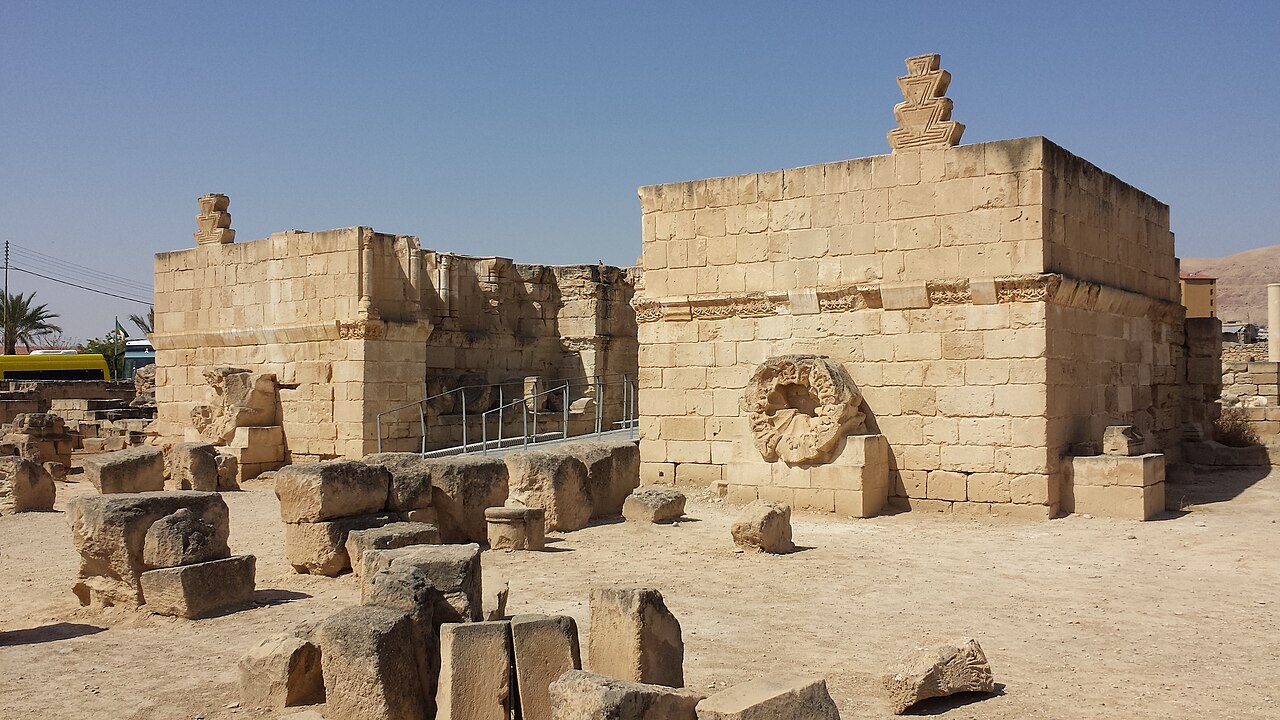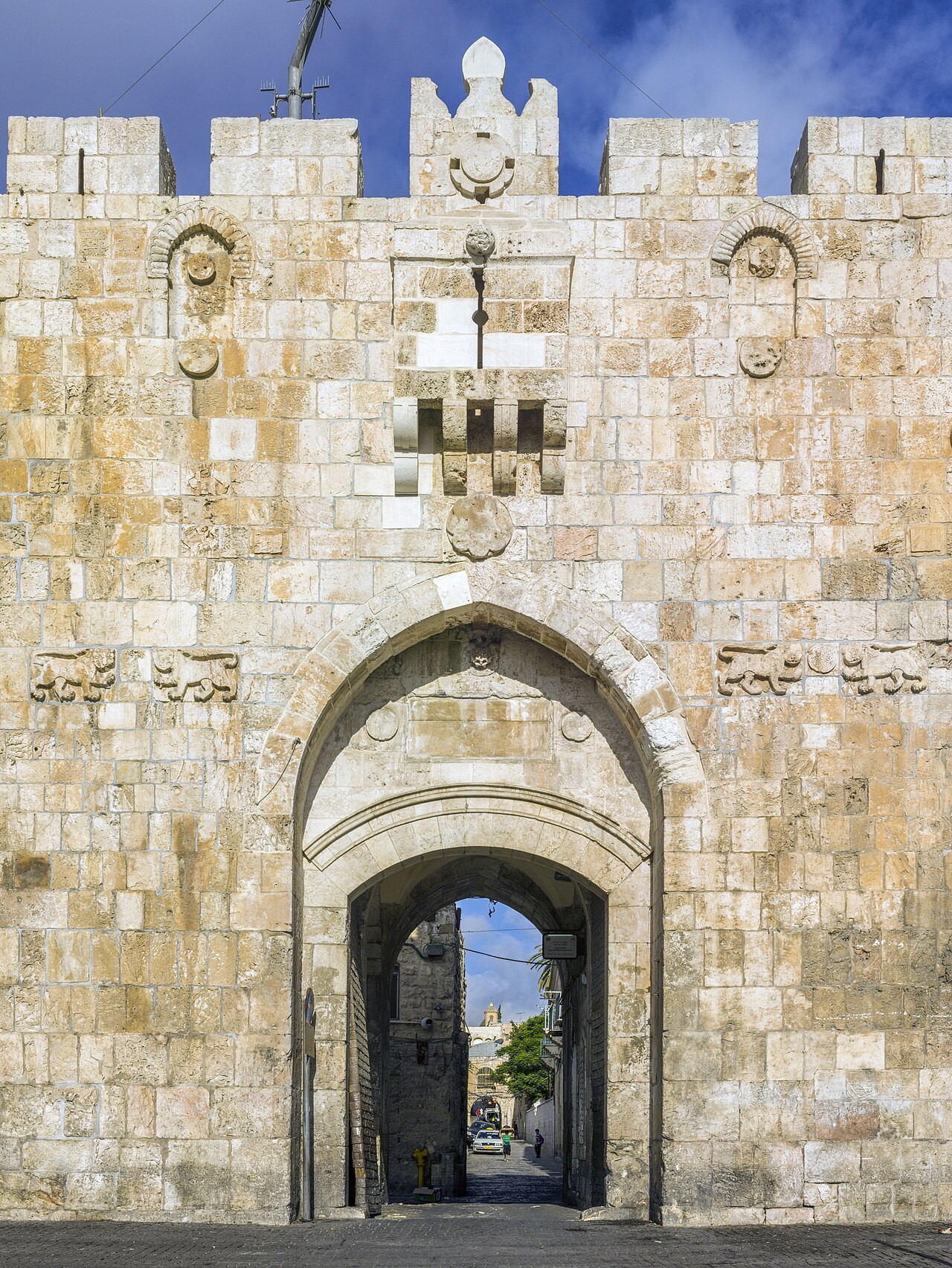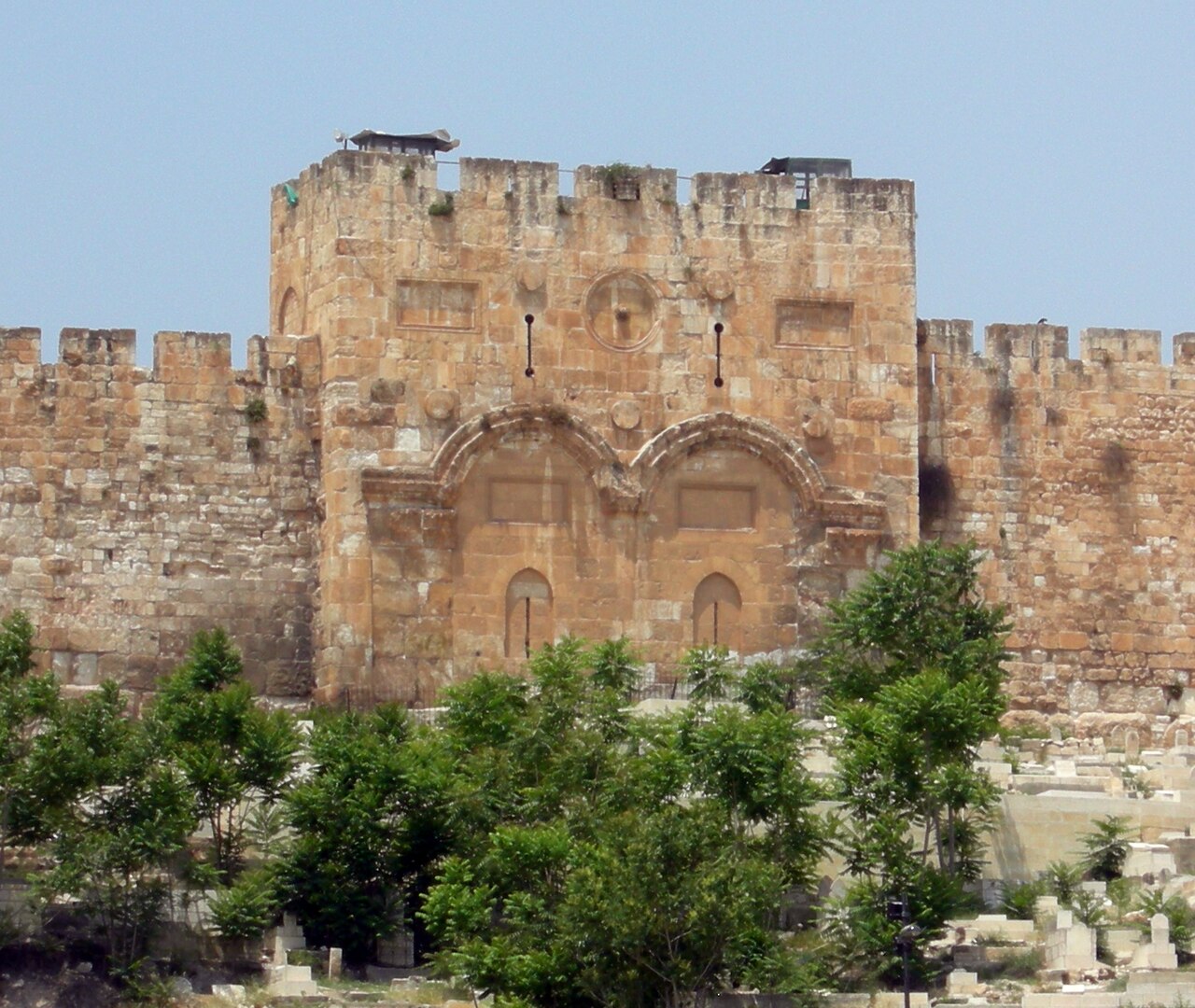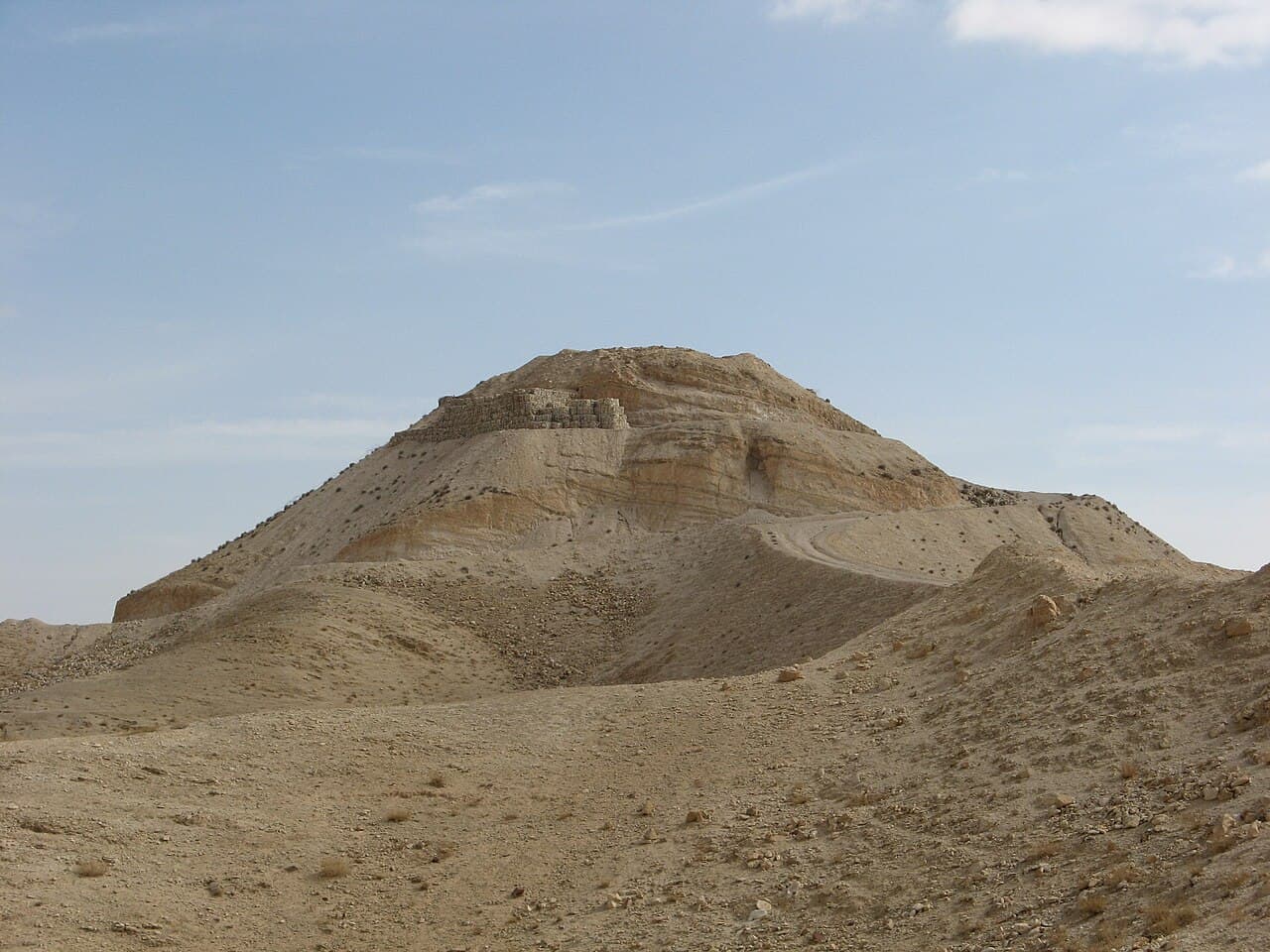
Cypros fortress in Israel is a notable example of a bastioned fortress, a type of fortification that emerged prominently in the late medieval to early modern periods. These fortresses are characterized by angular bastions projecting from the curtain walls, designed to provide overlapping fields of fire and resist cannon artillery. While the exact city location of Cypros remains unspecified, its architectural classification places it within the strategic military developments of the region.
Architectural features of Cypros fortress
The fortress follows the principles of bastioned design, featuring thick stone walls reinforced with angular bastions at key points along its perimeter. These bastions allowed defenders to cover adjacent walls with crossfire, eliminating blind spots and enhancing defensive capabilities against siege artillery. The walls likely include casemates or bombproof chambers to protect troops and ammunition.
The entrance to Cypros would have been heavily fortified, possibly with a gatehouse equipped with murder holes and drawbridges over defensive ditches or moats. Inside, the fortress may have contained barracks, armories, and command quarters, arranged around a central courtyard.
Historical context and military significance
Bastioned fortresses like Cypros were developed in response to the advent of gunpowder artillery, which rendered traditional high-walled castles vulnerable. The design spread across Europe and the Mediterranean from the 15th century onward. In the context of Israel, such fortresses played critical roles during periods of conflict involving the Crusaders, Ottoman Empire, and later colonial powers.
Though specific historical records of Cypros are limited, its architectural type suggests it was part of the defensive network guarding strategic routes or settlements, controlling access and providing a strongpoint against invading forces.
Preservation and current status
The current condition of Cypros fortress is not clearly documented, but bastioned fortresses in the region often survive in various states from ruins to partially preserved structures. Preservation efforts, if any, would focus on stabilizing walls and bastions, with archaeological studies shedding light on the fortress's layout and history.
Visiting Cypros fortress
Due to the unknown exact location and limited public information, visiting Cypros may be challenging. Interested visitors should consult local heritage authorities or archaeological organizations for guidance. When accessible, such fortresses offer valuable insights into military architecture and regional history.
Frequently asked questions (FAQ)
- What is a bastioned fortress like Cypros?
- A bastioned fortress features angular bastions projecting from walls, designed to improve defense against artillery by covering adjacent walls with crossfire.
- When were bastioned fortresses commonly built?
- Bastioned fortresses became widespread from the 15th century onward, adapting to the use of gunpowder artillery in warfare.
- Why is the exact location of Cypros fortress unknown?
- Historical records do not clearly specify Cypros's city location in Israel, making its precise site uncertain.
- Can visitors tour Cypros fortress?
- Due to limited information on its location and condition, public access to Cypros fortress may be restricted or unavailable.
- What defensive features would Cypros fortress have?
- Cypros likely included thick stone walls, angular bastions, fortified gatehouses with murder holes, and possibly moats or ditches for defense.
Photo gallery

Information
Loading map...
Visitor reviews
No reviews yet. Been here? Write the first review and help other travelers!
Write the first reviewVisited this castle? Share your experience
Your review helps other travelers and adds first-hand knowledge to our encyclopedia.