
Poland
Castle heritage and historical fortifications of poland
Poland's rich history is deeply intertwined with its extensive network of castles and fortifications, which stand as enduring symbols of its cultural and political heritage. From medieval strongholds to Renaissance palaces, these structures reflect centuries of strategic military planning and architectural evolution. The country's location at the crossroads of Europe made it a focal point for defense, resulting in a diverse and impressive array of fortified sites.
The heritage of Polish castles stretches back to the early Middle Ages, with many fortifications built to protect against invasions and assert territorial control. Today, these castles not only attract historians and architects but also serve as popular tourist destinations, preserving Poland’s medieval legacy. Sites like Wawel Castle in Kraków and Malbork Castle are prime examples of the country's storied past and architectural grandeur.
Continue reading below — scroll for the full article.
Castles in Poland
Discover 256 magnificent castles across the country






Historical background and medieval period
The development of castles and fortifications in Poland began in earnest during the 10th and 11th centuries, coinciding with the formation of the Polish state under the Piast dynasty. Early fortresses were primarily wooden motte-and-bailey structures, later replaced by more durable stone buildings as military technology advanced. These early castles served both as defensive bastions and royal residences, illustrating their dual role in warfare and governance.
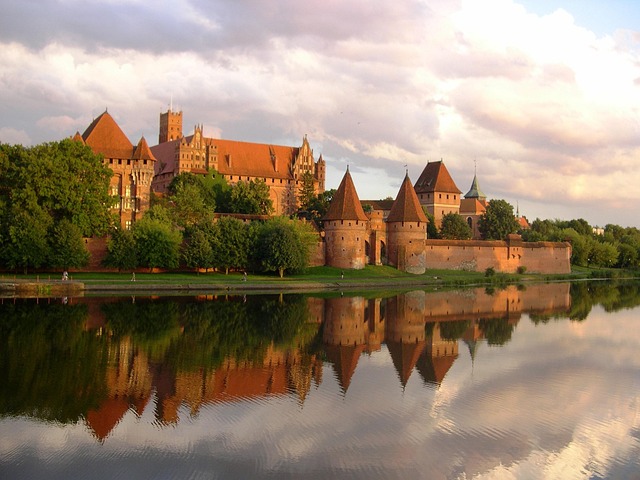
During the 13th and 14th centuries, Poland experienced significant political consolidation and territorial expansion. This period saw a surge in castle construction, especially under the reign of Casimir III the Great, who is credited with modernizing the kingdom’s defenses. Many castles built during this era, such as the imposing Malbork Castle, were strategically located along trade routes and borders to counter threats from the Teutonic Knights and neighboring states.
Types of fortifications in poland
Castles
Poland's castles vary widely in form and function, ranging from royal residences to military strongholds. The majority were constructed using stone and brick, featuring thick walls, towers, and moats for enhanced defense. For instance, Wawel Castle exemplifies a multifunctional fortress that evolved over centuries to include Gothic, Renaissance, and Baroque elements while maintaining its military significance.
Fortresses and citadels
Beyond castles, Poland also boasts several large-scale fortresses built during later periods to respond to changing military threats. The Kraków Fortress, a network of interconnected forts surrounding the city, showcases 19th-century advancements in defensive design. These fortifications were intended to withstand artillery sieges and protect urban centers from invasion.
Defensive walls and town fortifications
Many Polish cities developed extensive defensive walls in the medieval period, contributing to urban security. Notable examples include the city walls of Toruń and Zamość, which combined fortification with urban planning. These walls often incorporated gates, towers, and bastions, creating formidable barriers against attackers.
Architectural styles and influences
The architecture of Polish castles reflects a blend of European influences shaped by historical circumstances and cultural exchanges. Early medieval fortifications were predominantly Romanesque in style, characterized by solid, rounded arches and massive stone construction. Gothic architecture later became prominent, emphasizing verticality, pointed arches, and intricate detailing, as seen in Malbork Castle's brick Gothic design.
During the Renaissance, many Polish castles underwent significant transformation. The introduction of Italian architectural principles, brought by foreign artisans, led to more elegant and residential features while retaining defensive elements. Wawel Castle is a prime example of this synthesis, with its Renaissance courtyard and decorative elements juxtaposed against robust fortifications.
Baroque and neoclassical styles further influenced castle architecture in the 17th and 18th centuries, reflecting changes in military technology and aristocratic tastes. These periods favored more comfortable and opulent living spaces, sometimes at the expense of defensive capability, marking a shift from fortress to palace.
Regional variations in castle architecture
Poland's diverse geography and historical borders have resulted in distinct regional differences in castle architecture and fortification styles. In the south, the influence of Bohemian and Hungarian designs is evident, especially in the mountainous areas of Lesser Poland. Wawel Castle, situated in Kraków, exemplifies this blend with its varied architectural phases.
In northern Poland, particularly in the Pomerania and Warmia-Masuria regions, the Teutonic Order left a profound legacy. Their castles, such as Malbork, are characterized by massive brick construction and imposing defensive systems, reflecting the Order’s military and religious functions. These fortresses often feature complex layouts with multiple courtyards and concentric walls.
Central Poland and Mazovia display a combination of Gothic and Renaissance influences, shaped by the region's political centrality and interactions with Western Europe. Fortifications here tended to balance military needs with residential comfort, adapting to the changing nature of warfare and governance.
Notable periods of castle construction
The 13th and 14th centuries were pivotal in Poland’s castle-building history, marked by the expansion of stone fortifications under Casimir III the Great. This era prioritized defense against external threats and consolidated royal authority. Malbork Castle, started by the Teutonic Knights in the mid-13th century, became the largest brick castle in the world and a symbol of medieval military power.
The 15th and 16th centuries introduced Renaissance influences and a transition towards palatial residences. Wawel Castle’s Renaissance remodeling illustrates this trend, blending defense with aesthetic refinement. The period also saw the construction of smaller manor castles that emphasized comfort alongside security.
In the 17th and 18th centuries, the evolution of artillery and changes in warfare led to the development of star forts and bastioned fortifications around cities rather than traditional castles. The Kraków Fortress complex embodies this shift, reflecting the need for modernized urban defenses.
Preservation and current state
Many of Poland's castles have survived in various states of preservation, thanks to restoration efforts and growing public interest in cultural heritage. Sites like Malbork Castle have been extensively restored and are recognized as UNESCO World Heritage Sites, attracting scholars and tourists alike. Wawel Castle remains a well-maintained symbol of Polish history and national identity.
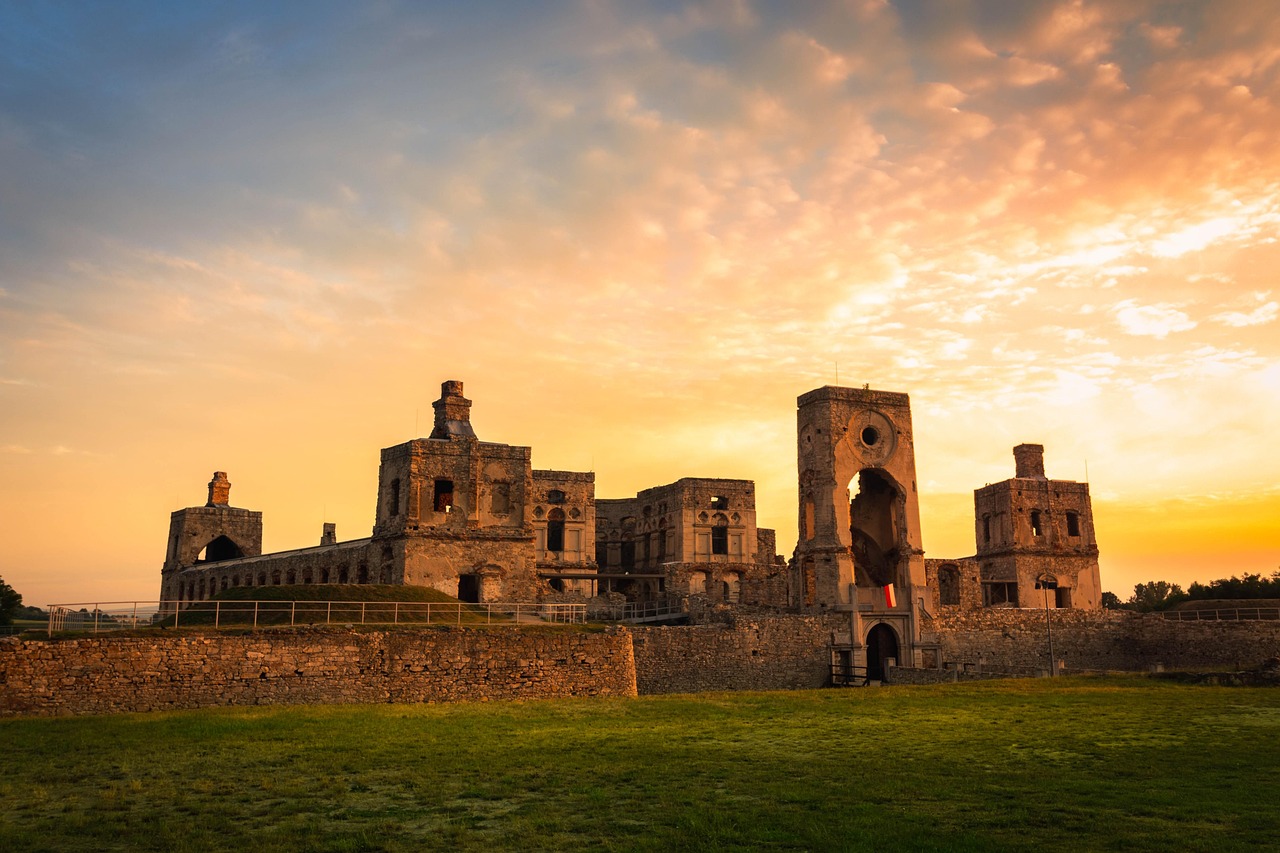
Some castles, however, exist only as ruins, offering valuable archaeological insights into medieval construction and daily life. Preservation challenges include environmental factors, urban development pressures, and the need for sustainable tourism management. Government initiatives and non-governmental organizations continue to work towards protecting these historic monuments.
Castle tourism and accessibility
Poland's castles are prominent tourist attractions, drawing visitors interested in history, architecture, and cultural heritage. Many sites offer guided tours, educational programs, and events that bring medieval history to life. Malbork Castle, with its extensive collections and reconstructed interiors, provides an immersive experience into the life of the Teutonic Knights.
Wawel Castle’s central location in Kraków makes it highly accessible, serving as a focal point for visitors exploring the city’s historic district. Other castles, such as the Gothic ruins of Ogrodzieniec in the Kraków-Częstochowa Upland, attract tourists seeking picturesque settings and medieval atmosphere.
Efforts to improve accessibility include multilingual information, visitor facilities, and integration into regional tourism routes, ensuring that Poland’s castle heritage remains an engaging and educational destination for a diverse audience.
Cultural significance and heritage
Polish castles are more than historical structures; they are vital components of national identity and cultural memory. These fortifications symbolize resilience, sovereignty, and the artistic achievements of past generations. They frequently appear in literature, folklore, and national celebrations, underscoring their enduring place in Polish society.
Preserving and interpreting castle heritage fosters a deeper understanding of Poland’s complex history, including its interactions with neighboring states and internal dynamics. Educational initiatives and cultural events held at castle sites contribute to community engagement and promote the appreciation of heritage as a living tradition.
Overall, the castles and fortifications of Poland offer a tangible connection to the past, inviting exploration of architectural innovation, military history, and cultural evolution across centuries.
Castle Locations in Poland
Explore all castle locations on an interactive map
Loading castle locations...