Bezlawki Castle Church
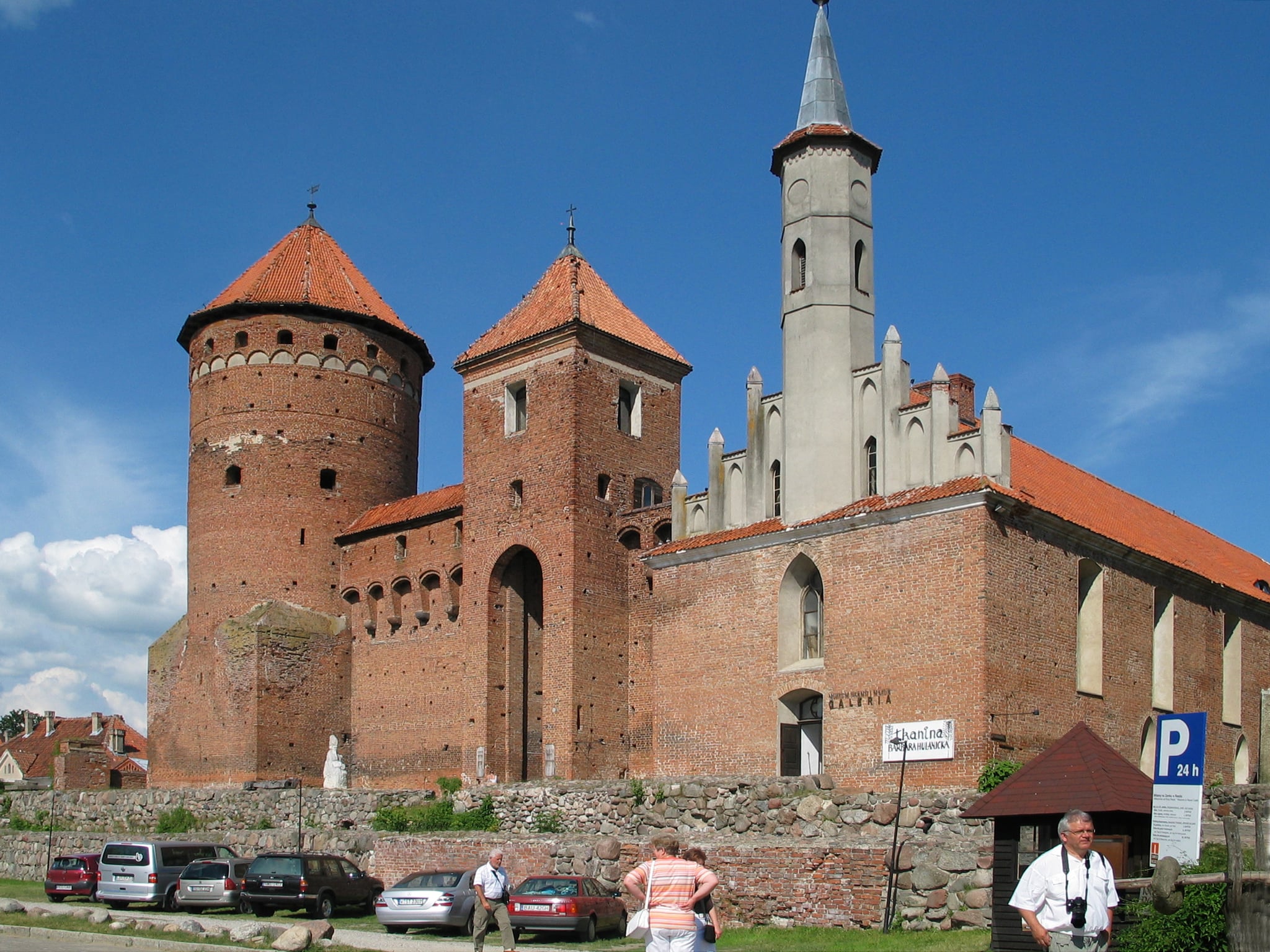
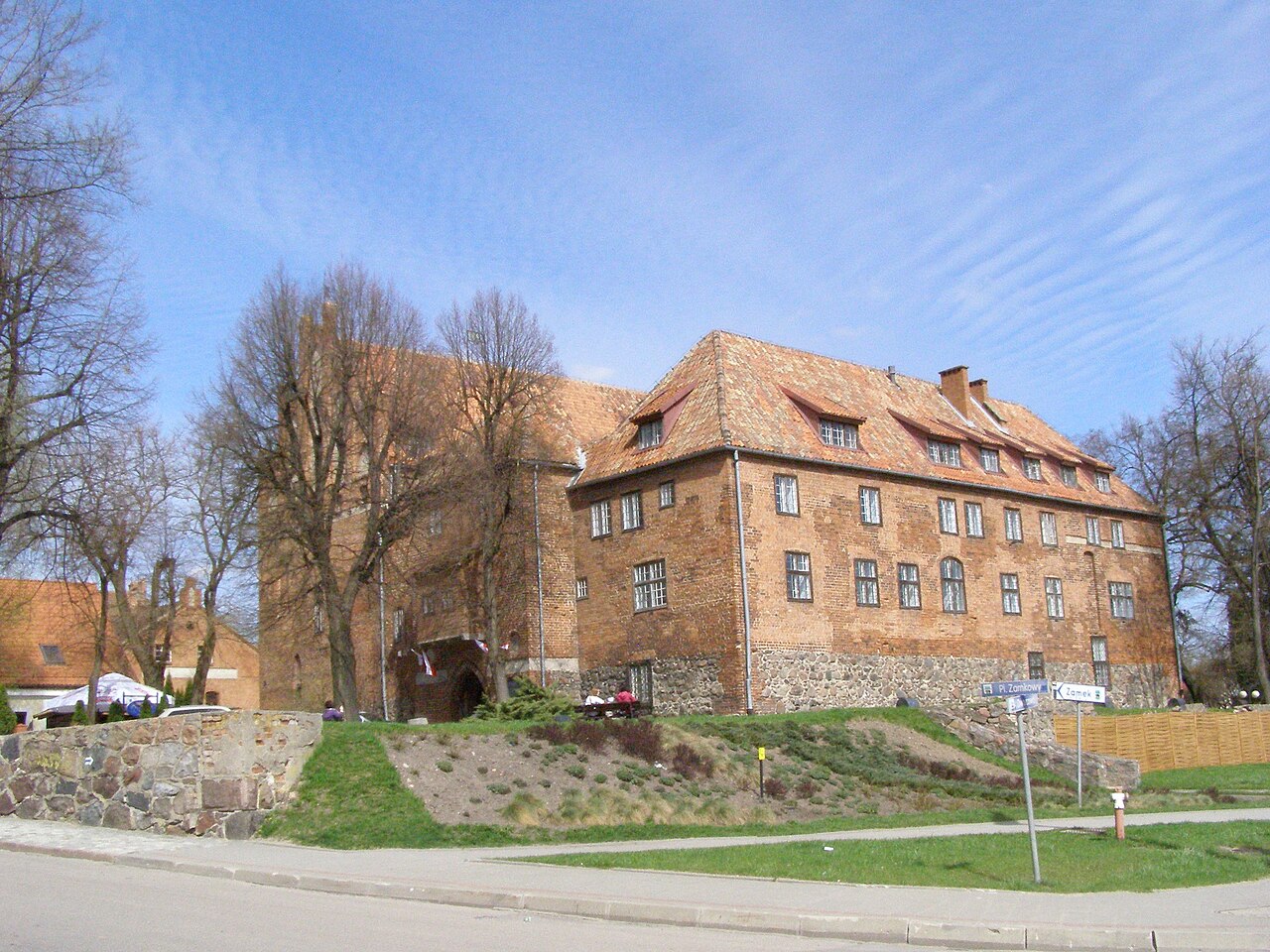
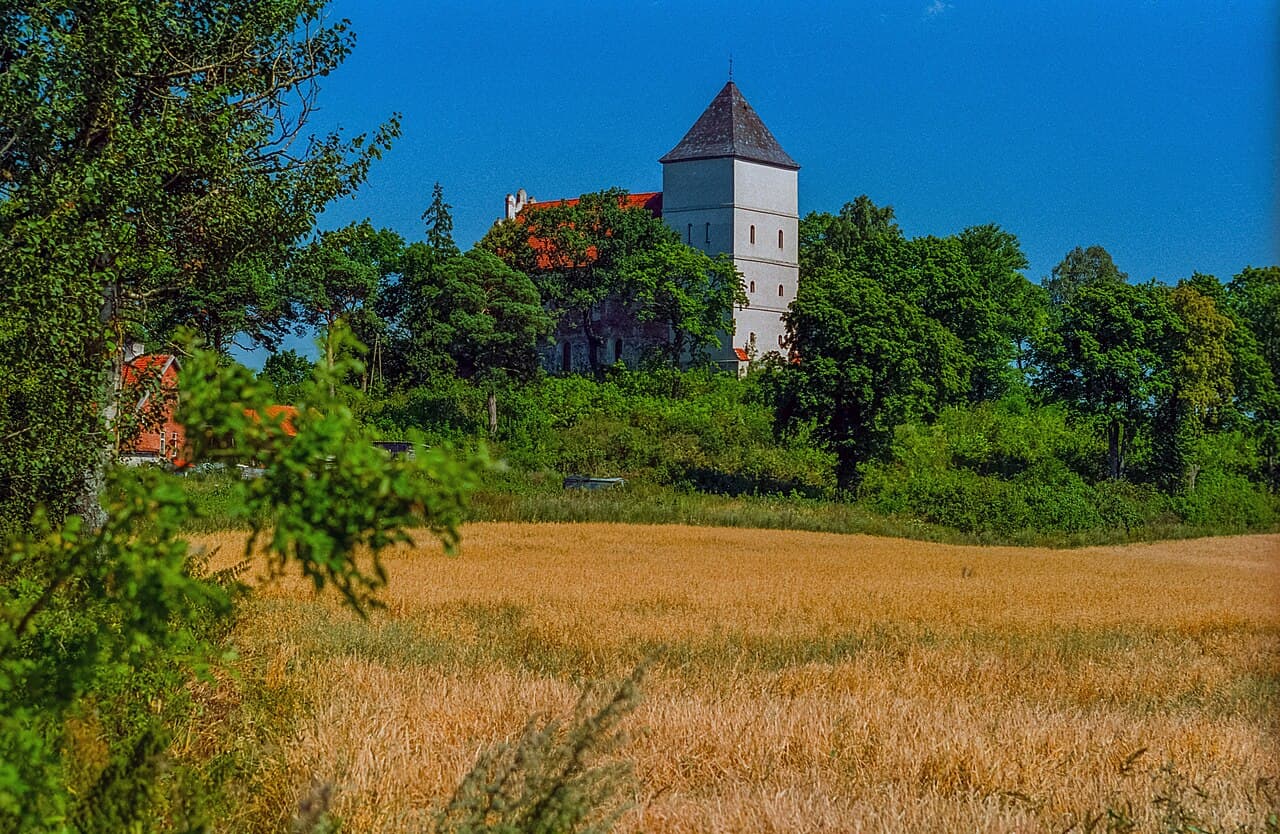
Bezławki Castle Church is a remarkable historical monument located near the village of Bezławki in Poland. Originally constructed in the 14th century by the Teutonic Order, this hill castle served as a strategic administrative and military center during the late medieval period. Over the centuries, it underwent significant transformations, adapting to changing political, religious, and social circumstances, which are reflected in its architecture and current condition.
Historical background and teutonic origins
The castle's first recorded mention dates back to 1371, with construction estimated around 1377. It was established by the Teutonic Knights as the residence of a komornik, an official responsible for managing a local district called a komornictwo. This district was subordinate to a prokurator based in nearby Rastembork (modern Kętrzyn), linking Bezławki to the broader commandery at Balga. The castle's location on a cleared hilltop near the Dajna River provided a natural defensive advantage, enabling it to function as a fortified administrative center and military outpost.
Throughout the late 14th and early 15th centuries, Bezławki Castle played a key role in the Teutonic Order's territorial governance and defense system. It was strategically important for protecting colonized lands and served as a base for military campaigns against neighboring Lithuania and Samogitia. Notably, in 1403, the castle was used to detain the Lithuanian prince Świdrygiełło, underscoring its military significance during the regional conflicts of the period.
Architectural features and castle layout
The castle is characterized by its rectangular defensive walls, measuring approximately 42 by 52 meters, enclosing the site atop the hill. The walls were constructed of stone and brick, typical of Teutonic military architecture. Open towers facing inward were positioned along the curtain walls, providing vantage points for defenders to monitor and control the interior courtyard and walls.
The main residential building, adjoining the northern curtain wall, is built on a stone foundation with brick walls rising above. This structure measures about 25 by 12 meters and originally contained five functional levels. Two floors served as living quarters, while a third floor was designed for defense, featuring wooden ceilings separating the levels. The steeply pitched roof with stepped gables was adorned with blind arches, a decorative element common in Gothic architecture.
Additional defensive elements included shallow, half-circular bay windows on the eastern and western façades, which likely served as observation posts or firing positions. A stone stairwell was later added to the southern façade to improve internal access.
Conversion to religious use and later modifications
In 1583, the castle underwent a significant conversion from a military stronghold to a religious building, reflecting the region's changing religious landscape after the Reformation. It was adapted into a Protestant church serving the Evangelical Augsburg community. This transformation involved removing internal division walls to create a single, open worship space and constructing a porch at the entrance.
Between 1726 and 1730, a bell tower was added to the western side of the complex. The tower's base was built of masonry, while the upper portion was timber-framed, illustrating typical construction techniques of the early 18th century. The courtyard was converted into a cemetery during this period, marked by a new gate in the eastern wall featuring a painted inscription commemorating its religious function.
Further interior renovations occurred in 1884, including the installation of a wooden vaulted ceiling and plastering of the façades, enhancing the church's aesthetic and structural integrity. Around 1988, modifications were made to modernize the interior for contemporary liturgical practices, such as removing side galleries, dismantling the pulpit altar, and replacing the flooring.
Religious significance and ownership transitions
Following the Reformation in 1525, the castle church served as a Lutheran place of worship until the late 1970s. Afterward, the site was transferred to the Catholic Church and re-designated as a filial church dedicated to St. John the Baptist. This change reflects the shifting religious demographics and affiliations in the region over the centuries.
The castle's religious function has been central to its preservation, with ongoing renovations ensuring its continued use as a place of worship and community gathering. The bell tower and cemetery remain prominent features, symbolizing its spiritual role within the local community.
Archaeological research and preservation efforts
In the early 21st century, archaeological investigations were conducted to deepen understanding of the castle's construction, layout, and historical transformations. These studies have provided valuable insights into the Teutonic Order's architectural practices and the site's adaptation over time.
Bezławki Castle Church is recognized as one of the best-preserved examples of a Teutonic komornik's castle, alongside similar sites such as Nowy Jasiniec and Giżycko. Conservation efforts have focused on maintaining the structural integrity of the walls, residential building, and bell tower, ensuring the survival of this unique historical monument for future generations.
Visiting bezławki castle church today
Today, visitors to Bezławki Castle Church can explore a site rich in history and architectural interest. The castle's elevated position offers scenic views of the surrounding landscape, including the nearby Dajna River. The preserved defensive walls, residential quarters, and bell tower provide tangible connections to the medieval past and the site's religious heritage.
The church's interior, while adapted for modern worship, retains elements reflecting its layered history, from its origins as a Teutonic fortress to its role as a Protestant and later Catholic church. The cemetery within the courtyard adds a solemn and contemplative atmosphere, inviting reflection on the site's long-standing significance to the local community.
Frequently asked questions (FAQ)
- How do I get to Bezlawki Castle Church?
- Bezlawki Castle Church is located in Bezławki, Poland, easily accessible by car or public transport from nearby cities. If traveling by car, take the local roads that connect to the main highways leading to Bezławki. Public transport options may include buses that frequently run to the area, making it convenient for visitors.
- What is the historical significance of Bezlawki Castle Church?
- Bezlawki Castle Church holds great historical significance as a cultural landmark in Poland, showcasing the architectural style of its era. It has served various purposes throughout history, from a religious site to a protective structure. Its rich history reflects the local heritage and the evolution of the region over centuries.
- When was Bezlawki Castle Church built?
- Bezlawki Castle Church was constructed in the late 14th century, making it a prime example of medieval architecture. Over the years, it has undergone several renovations, preserving its original charm while adapting to modern needs. This long history adds to its allure as a tourist destination.
- Can I take photographs inside Bezlawki Castle Church?
- Yes, visitors are generally allowed to take photographs inside Bezlawki Castle Church, however, it is advisable to check for any specific restrictions upon entry. The stunning architecture and serene atmosphere provide excellent opportunities for photography. Remember to be respectful of the site and other visitors while capturing your memories.
- Why is Bezlawki Castle Church considered an architectural gem?
- Bezlawki Castle Church is considered an architectural gem due to its unique blend of Gothic and Renaissance styles, which showcase the artistry of the period. The intricate details on the façade and the interior make it a fascinating site for architecture enthusiasts. Its preservation over the years allows visitors to appreciate the craftsmanship that went into its construction.
- Is it possible to visit Bezlawki Castle Church year-round?
- Yes, Bezlawki Castle Church is open to visitors year-round, although specific opening hours may vary by season. It is best to check the official website or local tourism information for the latest updates on visiting hours. Regardless of the season, each visit offers a unique experience of the castle’s ambiance.
- What are the ticket prices for visiting Bezlawki Castle Church?
- Admission to Bezlawki Castle Church is typically free, but donations are appreciated to help with maintenance and preservation efforts. Special guided tours may have a nominal fee, which supports the ongoing care of the site. Always check for any updates on ticketing before your visit to ensure a smooth experience.
- What is the best time to visit Bezlawki Castle Church?
- The best time to visit Bezlawki Castle Church is during the spring and early autumn when the weather is mild, making it pleasant for exploration. These seasons also offer beautiful natural surroundings, enhancing your visit. Consider visiting during weekdays to avoid crowds and enjoy a more peaceful experience.
- Are there any nearby attractions to explore after visiting Bezlawki Castle Church?
- Yes, there are several nearby attractions worth exploring, including charming local villages and natural parks that showcase the beauty of the region. Historical sites and museums in the surrounding area can provide a deeper insight into the local culture and history. Be sure to plan a full day to enjoy what Bezławki and its surroundings have to offer.
Photo gallery

Information
Loading map...
Visitor reviews
No reviews yet. Been here? Write the first review and help other travelers!
Write the first reviewVisited this castle? Share your experience
Your review helps other travelers and adds first-hand knowledge to our encyclopedia.