Zuylen Castle — Netherlands castle

Zuylen Castle

Zuylen Castle in Oud-Zuilen, Netherlands
Oud-Zuilen, Utrecht, Netherlands
High Medieval (11th–13th c.)
Well Preserved

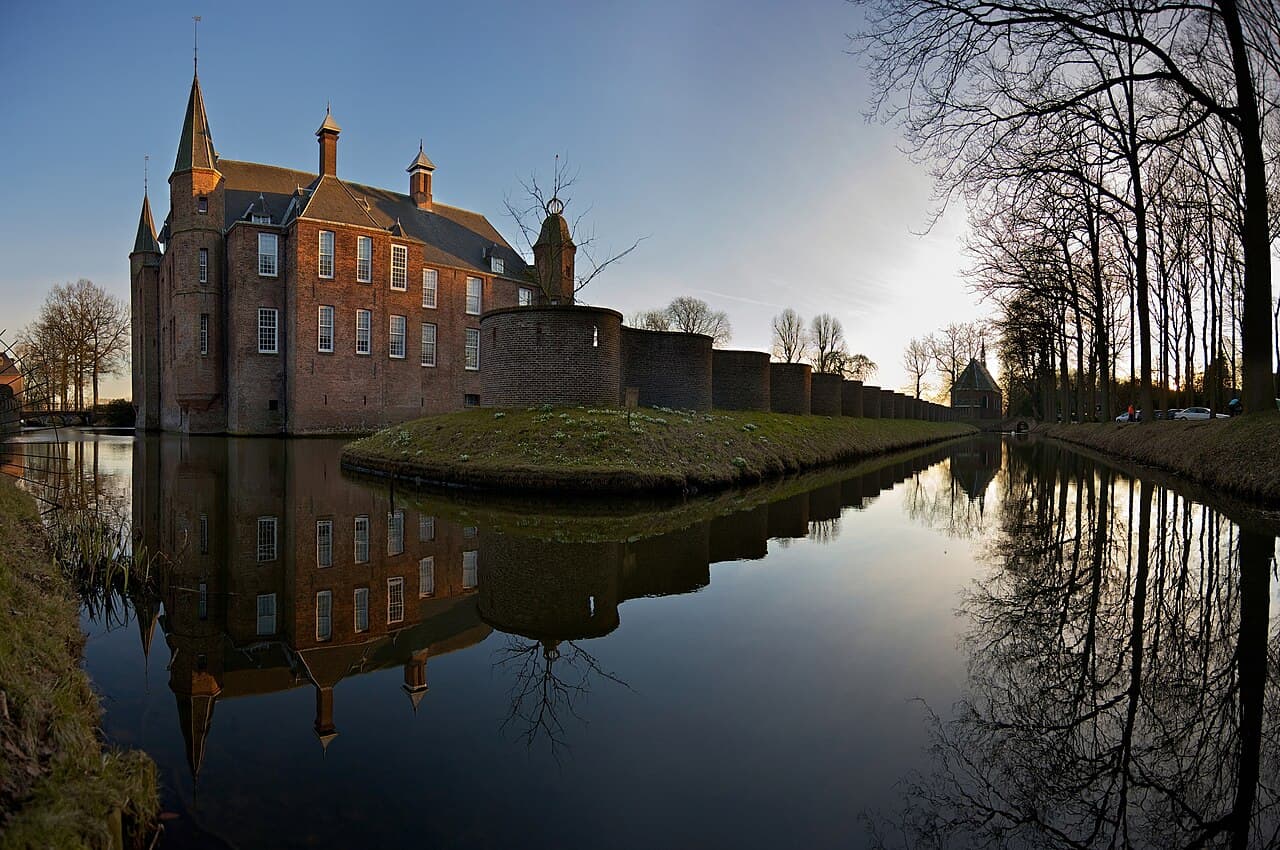
Zuylen Castle, located along the scenic river Vecht at the southern end of the Vechtstreek just north of the city of Utrecht, is a remarkable example of Dutch medieval architecture that has evolved through centuries. This historic castle traces its origins back to the 13th century, when it was initially constructed by the noble lord van Suilen en Anholt as a simple yet formidable donjon or keep tower, serving both defensive and residential purposes.

Medieval origins and early history

The castle's original donjon was typical of high medieval fortifications, designed primarily for defense and control over the surrounding lands. In 1422, during the turbulent period of the Hook and Cod wars—a series of civil conflicts in the County of Holland—Zuylen Castle was completely demolished. This destruction marked a significant turning point in the castle's history, necessitating a comprehensive rebuilding effort.

Renaissance rebuilding and 18th-century transformation

Reconstruction of Zuylen Castle began in 1510, reflecting architectural styles and defensive needs of the Renaissance period. The rebuilding transformed the castle from a simple donjon into a more complex residence, incorporating additional living quarters and fortifications suitable for the era's social and military demands.

In 1752, the castle underwent its last major modification, shifting from a fortified medieval stronghold to a country mansion. This transformation mirrored broader trends in European aristocratic residences, emphasizing comfort and style over military defense. The castle's architecture from this period showcases elegant design elements characteristic of the 18th century, blending functionality with aesthetic appeal.

Notable inhabitants and cultural significance

Zuylen Castle has been home to several prominent figures throughout its history. Among them was Steven van der Hagen, a notable admiral of the Dutch East India Company, who played a significant role in the Netherlands' maritime expansion. Another distinguished resident was Belle van Zuylen (Isabelle de Charrière), an 18th-century writer and intellectual renowned for her literary contributions and correspondence with leading Enlightenment figures.

The castle also houses a valuable tapestry created by Maximiliaan van der Gught, a master carpet weaver from Delft, reflecting the rich artistic heritage associated with the estate.

Architectural features and layout

The castle's layout reflects its layered history, combining medieval defensive features with later residential modifications. The original donjon remains a central element, surrounded by fortified walls and a moat fed by the river Vecht. The 18th-century renovations introduced spacious halls and refined living quarters, enhancing the castle's role as a noble residence.

Visitors today can explore the well-preserved interiors, which include period furnishings, artworks, and the notable tapestry, offering insight into the lifestyle of Dutch nobility across centuries.

Museum status and public access

Zuylen Castle opened its doors to the public approximately 60 years ago and has since gained museum status. It serves as a cultural landmark, attracting visitors interested in Dutch history, architecture, and art. The castle's location along the river Vecht provides a picturesque setting, enhancing its appeal as a heritage site.

Guided tours and educational programs are available, allowing visitors to delve into the castle's rich past and architectural evolution. The preservation efforts ensure that Zuylen Castle remains a vital link to the Netherlands' medieval and early modern history.

Frequently asked questions (FAQ)

How do I get to Zuylen Castle?
Zuylen Castle is located in Oud-Zuilen, Netherlands, just a short drive from Utrecht. You can reach the castle by car, bike, or public transportation, with several bus routes servicing the area. Once you arrive, follow the signs to the castle entrance.
What is the historical significance of Zuylen Castle?
Zuylen Castle is a well-preserved medieval fortress, originally built in the 13th century. It has significant historical value due to its unique architecture and role in Dutch history, serving as a residence for various noble families. The castle is also known for its beautiful gardens and rich cultural heritage.
When was Zuylen Castle built?
Zuylen Castle was constructed in the 13th century, with its first documented mention dating back to 1280. Over the centuries, it has undergone several renovations, preserving its historical elements while adapting to the needs of its residents. Today, visitors can explore its fascinating history through guided tours.
Can I visit Zuylen Castle year-round?
Yes, Zuylen Castle is open to visitors throughout the year, although opening hours may vary by season. It is advisable to check the official website for the most up-to-date information regarding visiting times and any special events. Guided tours are a highlight, giving visitors insight into the castle's rich history.
Why is Zuylen Castle considered an architectural gem?
Zuylen Castle is renowned for its distinctive blend of medieval and Renaissance architectural styles. Its impressive towers, elegant facades, and beautifully landscaped gardens contribute to its charm and significance. The castle's design reflects the artistic trends of its time, making it a must-see for architecture enthusiasts.
Is it possible to host events at Zuylen Castle?
Yes, Zuylen Castle offers facilities for private events, including weddings and corporate gatherings. The picturesque setting and historical ambiance make it an ideal location for memorable occasions. It's recommended to contact the castle's management for specific details regarding booking and available services.
What are the ticket prices for visiting Zuylen Castle?
Ticket prices for Zuylen Castle vary depending on age and type of visit. Generally, adult tickets are reasonably priced, with discounts available for students and seniors. Children under a certain age may enter for free, making it an affordable family outing.
What is the best time to visit Zuylen Castle?
The best time to visit Zuylen Castle is during the spring and summer months when the gardens are in full bloom and the weather is pleasant for outdoor exploration. Additionally, special events and exhibitions are often held during these seasons, enhancing the visitor experience. Autumn can also be beautiful with colorful foliage.
Are there any nearby attractions to Zuylen Castle?
Yes, there are several nearby attractions worth exploring, including the picturesque village of Oud-Zuilen and the beautiful surrounding countryside. The city of Utrecht, with its rich history, museums, and vibrant atmosphere, is just a short distance away. Visitors can easily plan a day trip to enjoy multiple sites in the area.

Photo gallery

Zuylen Castle
Click to view

Photo by Gil.cavalcanti•CC BY-SA 3.0

1 photo • Click any image to view in full screen

Information

Hill Castle

Sources & official resources

Verify the information above using these authoritative references.

Loading map...

Visitor reviews

No reviews yet. Been here? Write the first review and help other travelers!

Write the first review

Visited this castle? Share your experience

Your review helps other travelers and adds first-hand knowledge to our encyclopedia.

Write a review

(5/5)

0/2000 characters

Your review will be visible after admin approval

Nearby castles

2.3 km

Maarssen Castle

Maarssen, Netherlands

Maarssen Castle was a significant fortified residence located in the town of Maarssen, within the province of Utrecht, Netherlands. Although no physical remains exist today, its history traces back to the late 11th century, marking it as a notable medieval stronghold that evolved through centuries of ownership, conflict, and architectural transformation. Early origins and medieval development The origins of Maarssen Castle date to around 1083, when a fortified residence was likely established by Emeritus van der Meer. The castle was first documented in 1394 under the name "Huys ter Meer," reflecting its association with the Van der Meer family who held it for several generations. This early castle would have featured typical medieval defensive elements such as thick stone walls and a moat, serving both as a noble residence and a defensive stronghold in the region. In 1457, the castle passed into the hands of Jacob van Amerongen, marking the beginning of a new chapter. The Van Amerongen family maintained the property until 1525, when it was sold to the Teutonic Order. This transfer introduced new influences and led to significant modifications under the stewardship of the bailiff Steven van Zuylen van Nijevelt. He undertook considerable enlargement, strengthening, and embellishment of the castle, reflecting Renaissance-era architectural sensibilities. Renaissance transformations and name change Under Steven van Zuylen van Nijevelt, the castle was renamed Zuylenburg Castle, although it remained commonly known as Maarssen Castle. The enhancements included fortified walls, improved living quarters, and decorative elements consistent with the Renaissance style that was spreading through Europe during the 16th century. In 1536, the castle was granted the status of a knightly manor, elevating its prestige and solidifying its role as a noble residence with administrative functions. Ownership by the van meertens van esschenstein family From 1546 until 1788, the castle was owned by the Van Meertens van Esschenstein family and their descendants. This period saw the castle functioning primarily as a manor house, with its defensive role diminishing as the political and military climate in the Netherlands changed. However, the castle's fortunes declined sharply during the Franco-Dutch War in 1672, when French troops plundered and set fire to the castle, leaving it in ruins. Destruction, rebuilding, and eventual disappearance The medieval castle remained a ruin until the early 18th century, when the remains were cleared to make way for a new mansion built on the site. This mansion reflected the architectural trends of the post-Renaissance period, focusing more on residential comfort than fortification. However, by 1903, the mansion had fallen into disrepair and was demolished. Subsequently, the grounds were subdivided and developed into a residential neighborhood, erasing all visible traces of the original castle. Legacy and cultural significance Today, no physical structures of Maarssen Castle survive. Its site is fully occupied by modern housing, and the castle exists primarily through historical records and local heritage accounts. Maarssen Castle's story illustrates the common fate of many medieval castles in the Netherlands, where changing military technology, warfare, and urban development led to the loss of many such fortifications. It remains an important part of Utrecht's historical landscape and Dutch medieval history. Historical timeline summary 1083: Probable original construction by Emeritus van der Meer. 1394: First documented mention as "Huys ter Meer." 1457: Ownership transferred to Jacob van Amerongen. 1525: Sold to the Teutonic Order; major renovations by Steven van Zuylen van Nijevelt. 1536: Granted knightly manor status. 1546-1788: Owned by Van Meertens van Esschenstein family. 1672: Castle plundered and burned during the Franco-Dutch War. Early 18th century: Ruins cleared; new mansion built. 1903: Mansion demolished; site redeveloped for housing.

Post-Renaissance (17th–18th c.)
Details
4.1 km

Fort Ruigenhoek

Utrecht, Netherlands

Fort Ruigenhoek is a significant example of 19th-century military architecture in the Netherlands, constructed between 1869 and 1870 as part of the Nieuwe Hollandse Waterlinie or the New Dutch Water Line. This extensive defensive system was designed to protect the western Dutch cities from potential overland invasions by utilizing controlled flooding and a series of forts and waterworks. Historical context and strategic importance The Nieuwe Hollandse Waterlinie was developed during a period of rapid military innovation and geopolitical tension in Europe. Fort Ruigenhoek was strategically positioned near Utrecht to defend critical transportation routes and urban centers. The fort's location enabled it to control access along the main roads and waterways, forming a crucial link in the defensive chain. The fort was part of a broader modernization effort replacing older fortifications with structures adapted to withstand advances in artillery technology and new warfare tactics. Its construction coincided with a shift from medieval and early modern fortresses to modern bastioned and polygonal forts designed for heavy artillery defense. Architectural features and design Fort Ruigenhoek exemplifies the polygonal fort design typical of the late 19th century, characterized by low, thick earthworks and brick or stone casemates that provided protection against artillery fire. The fort's layout includes bastions, ravelins, and moats designed to maximize defensive coverage and delay enemy advances. The fort's walls are reinforced with earthen ramparts that absorb and deflect artillery shells, a common feature in modern fortifications of the time. Its internal structures include casemates for artillery placements and magazines for ammunition storage, reflecting careful planning for sustained defense. The use of water as a defensive element is integral to the fort's design, with surrounding moats connected to the waterline's controlled flooding system. This integration of natural and engineered defenses was a hallmark of the Nieuwe Hollandse Waterlinie. Role in Dutch military defense During its operational period, Fort Ruigenhoek served as a deterrent against invasions and a stronghold within the Dutch national defense network. Although it never saw active combat, its presence contributed to the overall security of the region and the effectiveness of the waterline system. The fort was maintained and updated to keep pace with evolving military technology until the early 20th century, after which advances in warfare rendered such fortifications less critical. It remains an important historical monument illustrating the transition to modern military engineering. Preservation and current condition Today, Fort Ruigenhoek is well preserved and accessible to the public, serving as a cultural heritage site that offers insight into Dutch military history. The fort's condition allows visitors to explore its defensive structures, moats, and internal chambers, providing a tangible connection to the Netherlands' strategic past. Efforts to maintain and restore the fort have ensured its survival as a historical landmark, contributing to educational programs and tourism in the Utrecht region. Visitor information and accessibility Visitors to Fort Ruigenhoek can experience a well-preserved example of a modern polygonal fortress within the context of the New Dutch Water Line. The site often features guided tours, exhibitions, and events that highlight its historical and architectural significance. Its proximity to Utrecht makes it easily accessible for day trips, and the surrounding landscape offers opportunities for walking and cycling along the waterline defenses.

Modern (19th–20th c.)
Details
5 km
Vredenburg — Netherlands castle

Vredenburg

Utrecht, Netherlands

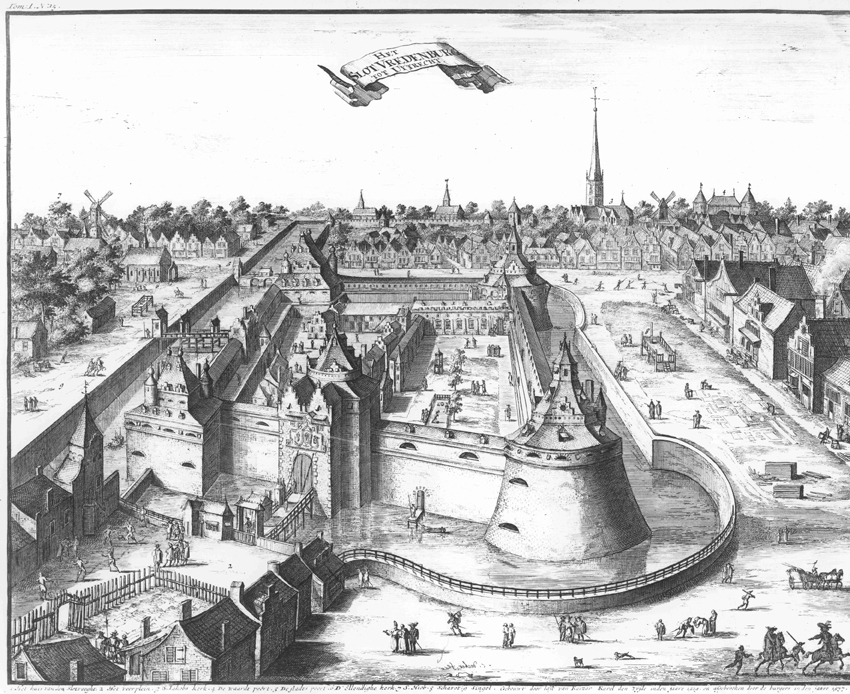
Vredenburg Castle, known in Dutch as Kasteel Vredenburg or Vredeborch, was a prominent 16th-century Renaissance hill castle constructed under the orders of Habsburg emperor Charles V in the city of Utrecht, Netherlands. Built during a period of significant political and religious upheaval, the castle was intended as a strategic military fortress and symbol of imperial authority in the region. Historical context and purpose Commissioned in the early 16th century, Vredenburg Castle was erected to assert control over the rebellious city of Utrecht, which had a history of resistance against Habsburg rule. The castle's construction began shortly after Charles V's consolidation of power in the Low Countries, reflecting the broader European trend of fortifying urban centers to maintain imperial dominance during the Renaissance period. The castle served as both a military stronghold and administrative center, designed to house troops and control key access points within Utrecht. Its presence was a clear message to the local population about the emperor's authority and the need for order in a turbulent era marked by religious and political conflict. Architectural design and features As a hill castle, Vredenburg was strategically located on elevated ground to maximize defensive capabilities and surveillance over the surrounding cityscape. The castle's design incorporated typical Renaissance military architecture elements, including thick walls, bastions, and artillery platforms adapted to withstand cannon fire, which was becoming increasingly important in siege warfare at the time. The layout featured a compact, polygonal fortress with angled bastions at the corners, allowing defenders to cover all approaches effectively. The walls were constructed from brick and stone, materials commonly used in the Netherlands during the period. Although detailed architectural plans have not survived, historical records and archaeological findings suggest the presence of a central keep, curtain walls, and a moat that enhanced the castle's defensive perimeter. Short lifespan and legacy Despite its formidable construction, Vredenburg Castle had a relatively brief existence, standing for only about 50 years. It was largely demolished in the early 17th century as political circumstances changed and Utrecht's military needs evolved. The castle's removal was also influenced by urban development pressures and shifts in military technology that rendered such fortifications less critical. Today, remnants of the castle remain visible at Vredenburg Square in Utrecht, where archaeological excavations have uncovered foundations and fragments of the original structure. These remains provide valuable insight into Renaissance military architecture in the Netherlands and the historical significance of Habsburg influence in the region. Vredenburg castle in the context of Dutch fortifications Vredenburg Castle represents a key example of Renaissance fortification in the Netherlands, reflecting the transition from medieval castles to modern bastioned forts designed to counter artillery. Its construction aligns with a broader European movement toward adapting castle architecture to new warfare technologies. Although the castle no longer stands in its entirety, its historical footprint contributes to the understanding of Utrecht's urban and military development during a critical period. The site continues to attract interest from historians, archaeologists, and visitors intrigued by the city's layered past. Visiting and cultural significance While the castle itself no longer exists as a complete structure, the archaeological site at Vredenburg Square offers a tangible connection to Utrecht's Renaissance history. Interpretive displays and signage help visitors appreciate the castle's original scale and purpose. The site is accessible to the public and forms part of Utrecht's rich cultural heritage, often included in historical tours of the city. It serves as a reminder of the complex political dynamics of the 16th century and the architectural responses to emerging military challenges during the Renaissance.

Renaissance (15th–17th c.)
Details