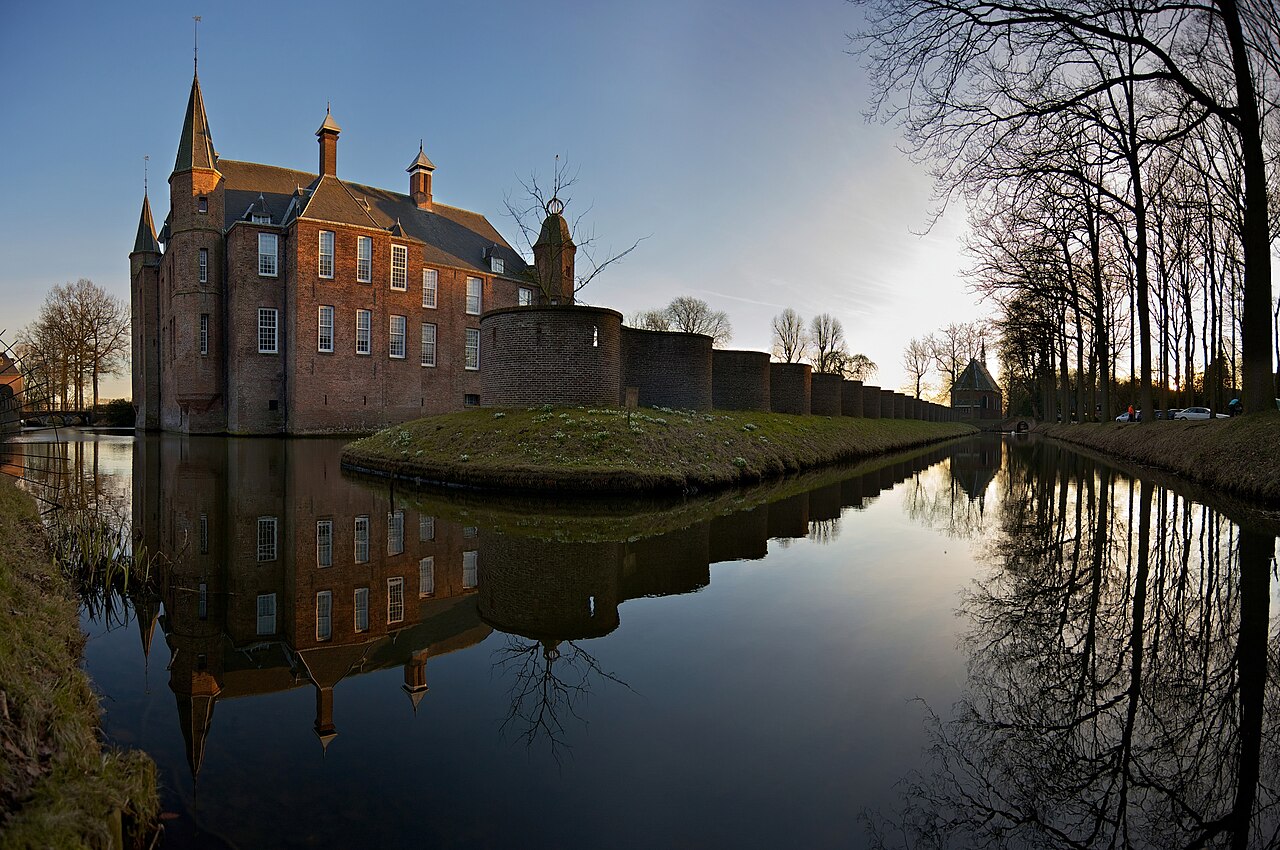
Fort Ruigenhoek
Fort Ruigenhoek is a significant example of 19th-century military architecture in the Netherlands, constructed between 1869 and 1870 as part of the Nieuwe Hollandse Waterlinie or the New Dutch Water Line. This extensive defensive system was designed to protect the western Dutch cities from potential overland invasions by utilizing controlled flooding and a series of forts and waterworks.
Historical context and strategic importance
The Nieuwe Hollandse Waterlinie was developed during a period of rapid military innovation and geopolitical tension in Europe. Fort Ruigenhoek was strategically positioned near Utrecht to defend critical transportation routes and urban centers. The fort's location enabled it to control access along the main roads and waterways, forming a crucial link in the defensive chain.
The fort was part of a broader modernization effort replacing older fortifications with structures adapted to withstand advances in artillery technology and new warfare tactics. Its construction coincided with a shift from medieval and early modern fortresses to modern bastioned and polygonal forts designed for heavy artillery defense.
Architectural features and design
Fort Ruigenhoek exemplifies the polygonal fort design typical of the late 19th century, characterized by low, thick earthworks and brick or stone casemates that provided protection against artillery fire. The fort's layout includes bastions, ravelins, and moats designed to maximize defensive coverage and delay enemy advances.
The fort's walls are reinforced with earthen ramparts that absorb and deflect artillery shells, a common feature in modern fortifications of the time. Its internal structures include casemates for artillery placements and magazines for ammunition storage, reflecting careful planning for sustained defense.
The use of water as a defensive element is integral to the fort's design, with surrounding moats connected to the waterline's controlled flooding system. This integration of natural and engineered defenses was a hallmark of the Nieuwe Hollandse Waterlinie.
Role in Dutch military defense
During its operational period, Fort Ruigenhoek served as a deterrent against invasions and a stronghold within the Dutch national defense network. Although it never saw active combat, its presence contributed to the overall security of the region and the effectiveness of the waterline system.
The fort was maintained and updated to keep pace with evolving military technology until the early 20th century, after which advances in warfare rendered such fortifications less critical. It remains an important historical monument illustrating the transition to modern military engineering.
Preservation and current condition
Today, Fort Ruigenhoek is well preserved and accessible to the public, serving as a cultural heritage site that offers insight into Dutch military history. The fort's condition allows visitors to explore its defensive structures, moats, and internal chambers, providing a tangible connection to the Netherlands' strategic past.
Efforts to maintain and restore the fort have ensured its survival as a historical landmark, contributing to educational programs and tourism in the Utrecht region.
Visitor information and accessibility
Visitors to Fort Ruigenhoek can experience a well-preserved example of a modern polygonal fortress within the context of the New Dutch Water Line. The site often features guided tours, exhibitions, and events that highlight its historical and architectural significance.
Its proximity to Utrecht makes it easily accessible for day trips, and the surrounding landscape offers opportunities for walking and cycling along the waterline defenses.
Frequently asked questions (FAQ)
- How do I get to Fort Ruigenhoek?
- Fort Ruigenhoek is located in Utrecht, Netherlands, and is accessible by car or public transport. If you're using public transport, take a train to Utrecht Central Station and then a bus towards the fort, which is just a short walk from the bus stop.
- What is the historical significance of Fort Ruigenhoek?
- Fort Ruigenhoek was built in the late 19th century as part of the Nieuwe Hollandse Waterlinie, a defense line designed to protect the Netherlands from invasion. Its strategic location and unique architecture reflect the military engineering of its time, making it an important site for understanding Dutch history.
- When was Fort Ruigenhoek constructed?
- Construction of Fort Ruigenhoek began in 1867 and was completed in 1871. The fort was part of a broader defense system that was crucial during various conflicts, showcasing the military advancements of the period.
- Can I visit Fort Ruigenhoek year-round?
- Yes, Fort Ruigenhoek is open to visitors throughout the year, although specific opening hours may vary by season. It is advisable to check the official website for the most up-to-date information on visiting times.
- Why is Fort Ruigenhoek noted for its architecture?
- Fort Ruigenhoek features unique architectural elements typical of 19th-century military fortifications, including thick walls and dry moats. Its design not only served a defensive purpose but also reflects the engineering principles of the era, making it a fascinating site for architecture enthusiasts.
- Is it possible to take guided tours of Fort Ruigenhoek?
- Yes, guided tours are available at Fort Ruigenhoek, providing visitors with in-depth knowledge about its history and architecture. These tours are often led by knowledgeable guides who can share stories and insights that enhance the experience.
- What are the ticket prices for visiting Fort Ruigenhoek?
- Ticket prices for Fort Ruigenhoek are generally affordable, with discounts available for students and seniors. It is recommended to check the official website for current pricing and any special offers.
- What is the best time to visit Fort Ruigenhoek?
- The best time to visit Fort Ruigenhoek is during the spring and early autumn when the weather is pleasant and there are fewer crowds. Visiting during these seasons allows for a more enjoyable experience exploring the fort and its surroundings.
- Are there any nearby attractions to Fort Ruigenhoek?
- Yes, Fort Ruigenhoek is located near other historical sites and natural parks in Utrecht, making it easy to plan a full day of exploration. Nearby attractions include the beautiful Utrecht Botanical Gardens and the historic city center, which are both worth a visit.
Information
Loading map...
Visitor reviews
No reviews yet. Been here? Write the first review and help other travelers!
Write the first reviewVisited this castle? Share your experience
Your review helps other travelers and adds first-hand knowledge to our encyclopedia.