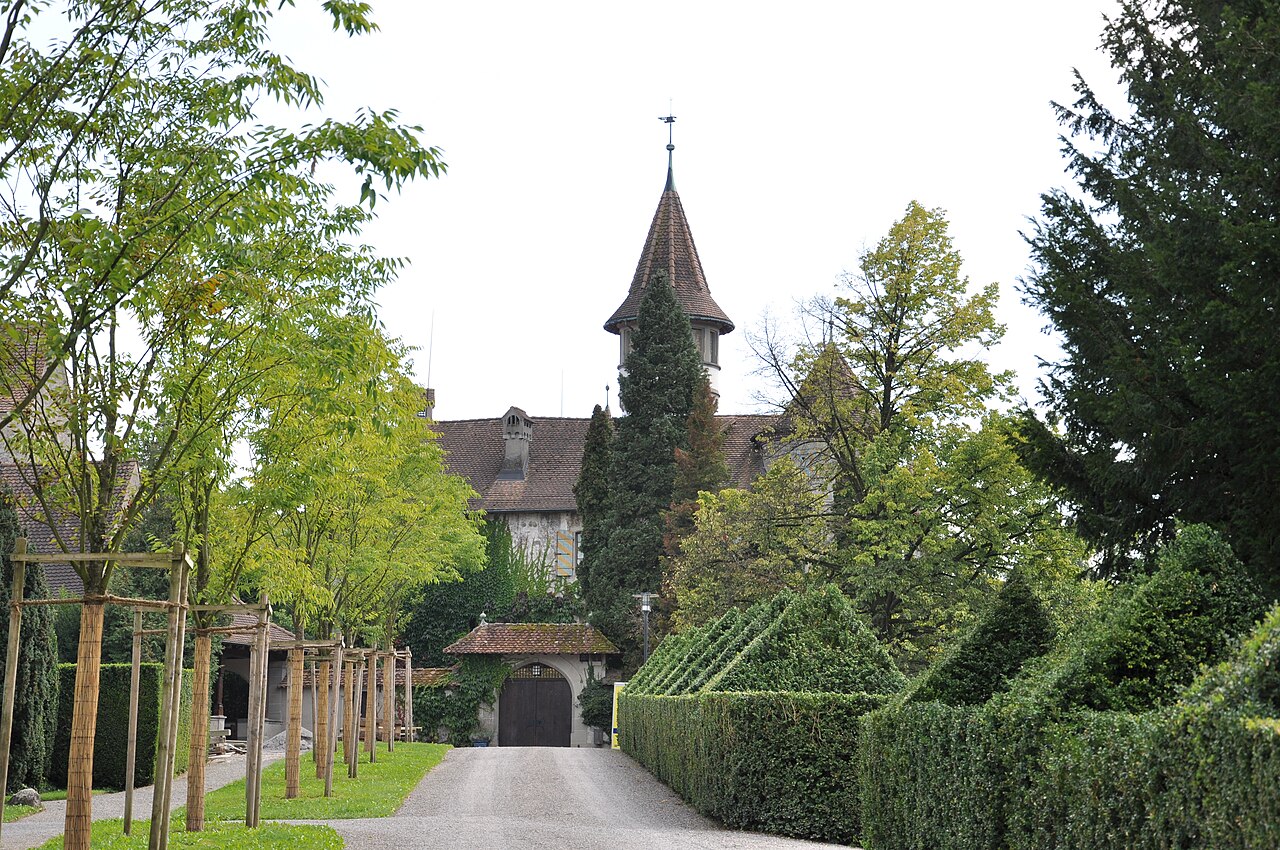
Zug Castle
Zug Castle stands as a prominent historical landmark in the city of Zug, Switzerland, embodying centuries of architectural evolution and regional history. Originally established as a wooden manor house around the 11th century, the castle developed through the High Medieval period into a fortified stone stronghold that played a significant role in the political and military affairs of the region. Today, it serves as a cultural museum, preserving and showcasing the rich heritage of Zug and its surroundings.
Early beginnings and medieval origins
The site of Zug Castle was initially occupied by a wooden manor house built circa 1000 AD. This early structure was likely constructed by a ministerialis family serving noble houses such as the Counts of Aargau or Lenzburg. Situated on an island formed between two streams, the manor was protected by a wooden palisade, and a village grew along the waterways. Archaeological excavations confirm the presence of this early wooden fortification, which was later supplemented by a low stone wall approximately 70 to 90 centimeters high at the end of the 11th century. Despite these defenses, local tradition records that the castle suffered attack and damage during the 12th century.
Kyburg period and stone fortifications
In the 13th century, the castle and the surrounding area came under the control of the Kyburg family. Around 1200, the Kyburgs founded the city of Zug and undertook major reconstruction of the castle. The wooden structures were replaced with durable stone fortifications, including a central square tower measuring approximately 9 by 9 meters. This tower featured formidable walls, 2 meters thick at the base, tapering slightly to 1.5 meters at the upper stories, and reaching a height of about 16 meters. The tower was further protected by two semi-circular stone walls to the north and east, enhancing its defensive capabilities.
By the end of the 13th century, the town of Zug was enclosed by imposing walls up to 16 meters high, reflecting its growing strategic and urban importance. These fortifications, combined with the castle's defenses, made Zug a significant stronghold in the region.
Habsburg ownership and political significance
Following the extinction of the Kyburg dynasty in 1264, the castle and town passed to the Habsburgs. The Habsburgs expanded the castle's living quarters and added several buildings between the main tower and the town walls, adapting the fortress to serve both military and residential functions.
After the Battle of Morgarten in 1315, Zug became a key Habsburg stronghold amidst rising tensions with the Swiss Confederation. Despite the surrounding villages siding with the Confederation, the city of Zug remained loyal to the Habsburgs until a two-week siege led to its capture by the Swiss. Remarkably, the castle itself was not damaged during the siege and subsequently became part of the Confederation's holdings.
Zug officially joined the Swiss Confederation in 1352, marking a shift in the castle's role from a military fortress to a symbol of civic pride and governance. Over time, its strategic importance waned as the political landscape evolved.
Renaissance transformation and residential adaptation
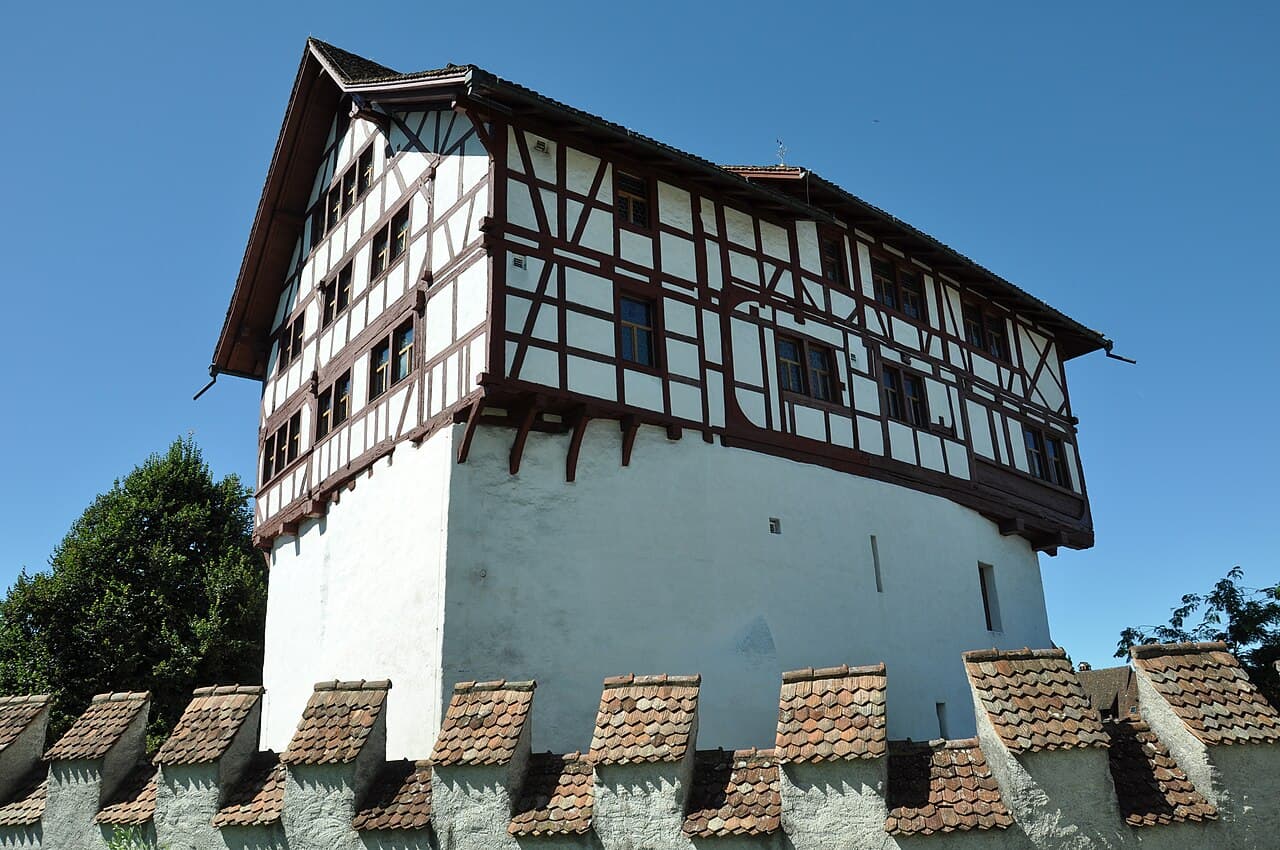
In the mid-16th century, significant changes were made under the direction of Johannes Zurlauben. Around 1555, the old defensive walls were dismantled and replaced with a decorative wall, signaling a transition from martial utility to aesthetic and residential purposes. Zurlauben also constructed a distinctive half-timbered building on the western side of the main tower, connecting it to expanded living quarters that incorporated former Habsburg residential structures.
These renovations emphasized comfort and status, reflecting Renaissance architectural influences and the changing functions of castles during this period. The castle evolved into a noble residence rather than a purely defensive fortress.
Modern preservation and museum use
In 1945, the municipality of Zug acquired the castle from the Hediger family, initiating a new chapter focused on preservation and public engagement. Restoration efforts culminated in 1982, stabilizing the structure and adapting it for cultural use. The castle now houses the Zug town and cantonal museum, featuring permanent collections that highlight the region's history, including notable artifacts such as the original Saubanner battle banner from 1477.
The museum underwent refurbishment in 2012 and reopened in November 2013 with a renewed permanent exhibition, enhancing its role as a center for heritage education and tourism. Zug Castle is recognized as a heritage site of national significance, attracting visitors interested in medieval architecture, Swiss history, and cultural heritage.
Architectural features and layout
The castle's architectural composition reflects its layered history. The central 13th-century stone tower remains the dominant feature, with its massive walls designed for defense and longevity. The two semi-circular stone walls to the north and east illustrate medieval military strategies aimed at protecting vulnerable points and controlling access.
The 16th-century half-timbered addition on the western face of the tower contrasts with the stone masonry, showcasing Renaissance-era aesthetic preferences and residential comfort. The decorative wall constructed by Zurlauben replaced earlier fortifications, further signaling the castle's shift away from military functions.
Located within the second city wall of Zug's historic old town, the castle integrates seamlessly into the urban fabric, serving as a testament to the city's medieval origins and subsequent development.
Defensive elements
- Stone keep tower with walls up to 2 meters thick, tapering to 1.5 meters at the top
- Semi-circular curtain walls protecting the north and east sides of the tower
- Town walls up to 16 meters high enclosing Zug by the late 13th century
Residential and decorative additions
- Half-timbered structure added in the 16th century on the west side of the tower
- Expanded living quarters connecting the tower to the half-timbered building
- Decorative wall replacing older defensive walls, emphasizing aesthetics
Cultural significance and heritage status
Zug Castle is a valuable cultural asset, reflecting the historical trajectory of a Swiss city transitioning from medieval stronghold to modern municipality. Its preservation as a museum allows visitors to engage with the region's past through architecture, artifacts, and exhibitions.
The castle's inclusion as a heritage site of national significance underscores its importance in Swiss history, architecture, and identity. It offers insights into medieval fortification techniques, Renaissance residential adaptations, and the political shifts that shaped central Switzerland.
Visiting zug castle
Visitors to Zug Castle can explore its well-preserved medieval structures and enjoy the rich museum collections housed within. The castle is centrally located in Zug's old town, making it accessible for tourists and locals alike.
The museum provides educational exhibits on the castle's history, medieval life, and regional culture. Guided tours, temporary exhibitions, and cultural events further enhance the visitor experience.
Opening hours, ticket prices, and accessibility information are typically available through the municipality or the museum's official website, ensuring a well-organized visit.
Frequently asked questions (FAQ)
- What is Zug Castle known for?
- Zug Castle, located in the picturesque town of Zug, Switzerland, is renowned for its well-preserved medieval architecture and stunning lakeside views. It serves as a symbol of the town's history and offers insights into the region's past, making it a significant cultural landmark.
- When was Zug Castle built?
- Zug Castle was originally constructed in the late 13th century, with various modifications and restorations occurring over the centuries. Its historical architecture reflects the evolution of defensive structures in the region, showcasing both Gothic and Renaissance styles.
- Can I visit Zug Castle?
- Yes, Zug Castle is open to the public, allowing visitors to explore its fascinating interiors and grounds. Guided tours are often available, providing deeper insights into its history and architecture.
- What are the opening hours for Zug Castle?
- Zug Castle typically opens its doors to visitors from Tuesday to Sunday, with hours varying seasonally. It's best to check the official website for the most current opening hours before planning your visit.
- Is it possible to access Zug Castle with a wheelchair?
- Zug Castle has made efforts to improve accessibility for all visitors, including those with mobility challenges. However, due to its historical nature, some areas may have limitations, so it's advisable to check in advance for specific accessibility information.
- What is the best time to visit Zug Castle?
- The best time to visit Zug Castle is during the spring and early autumn when the weather is mild, and the surrounding landscapes are vibrant. Additionally, visiting during these seasons allows you to enjoy outdoor activities and nearby attractions without the summer crowds.
- Are there any nearby attractions to Zug Castle?
- Yes, nearby attractions include the beautiful Lake Zug, where visitors can enjoy scenic walks and boat rides, as well as the charming old town of Zug with its shops and restaurants. Additionally, the Zug Museum offers further insights into the region's history and culture.
- What are the ticket prices for Zug Castle?
- Ticket prices for Zug Castle are generally affordable, with discounts available for students and seniors. Children under a certain age may enter for free, making it a great family-friendly destination.
Photo gallery

Information
Website
Visit websiteSources & official resources
Verify the information above using these authoritative references.
Loading map...
Visitor reviews
No reviews yet. Been here? Write the first review and help other travelers!
Write the first reviewVisited this castle? Share your experience
Your review helps other travelers and adds first-hand knowledge to our encyclopedia.