St. Andreas Castle
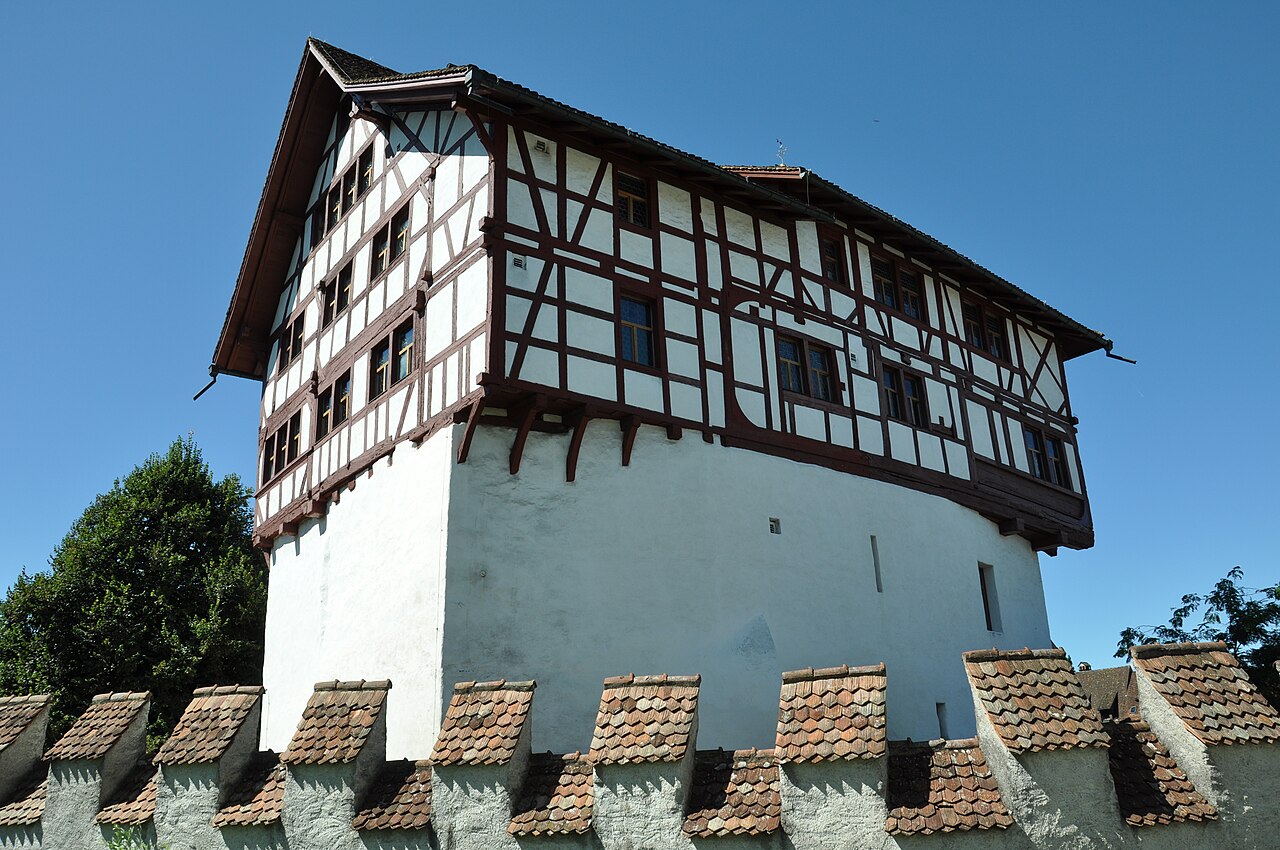
St. Andreas Castle, located in Cham within the Canton of Zug, Switzerland, is a remarkable example of an early medieval hill castle with a history that stretches back to antiquity. The castle sits atop a prominent hill that has been a site of human activity since at least the 4th century AD, as evidenced by numerous Roman artifacts discovered there. This long-standing occupation highlights the strategic importance of the location, commanding views over the surrounding landscape and serving as a defensive and religious center through the centuries.
The castle is part of a larger historic complex that includes a neighboring chapel, whose site has been continuously used for religious ceremonies since the Roman era. Notably, in the 8th century, the chapel was associated with a mysterious "holy bishop without a name," who conducted Christian services there, marking the site's early Christian significance in the region. This chapel, integral to the castle grounds, reflects the intertwined nature of spiritual and feudal power during the medieval period.
Historical background and early use
The hill on which St. Andreas Castle stands was originally occupied during Roman times, likely serving as a small fortified outpost or religious site. The discovery of Roman artifacts, including pottery shards and coins, confirms the area's importance well before the medieval period. The transition from Roman to early medieval use is marked by the establishment of the chapel and the castle itself, which likely began as a wooden fortification before evolving into a stone structure in the 9th century AD.
The castle's early medieval origins place it among the earliest fortifications in the region, constructed during a period of increased territorial consolidation and Christianization in what is now Switzerland. The presence of the chapel and the castle together indicates the dual role of the site as both a defensive stronghold and a religious center, a common characteristic of hill castles from this era.
Architectural features and layout
St. Andreas Castle is classified as a hill castle, strategically positioned to maximize natural defensive advantages. The elevated location provides commanding views of the surrounding terrain, which would have been essential for early warning against potential invaders. Although the castle has undergone various modifications over the centuries, key architectural elements from its original construction remain visible.
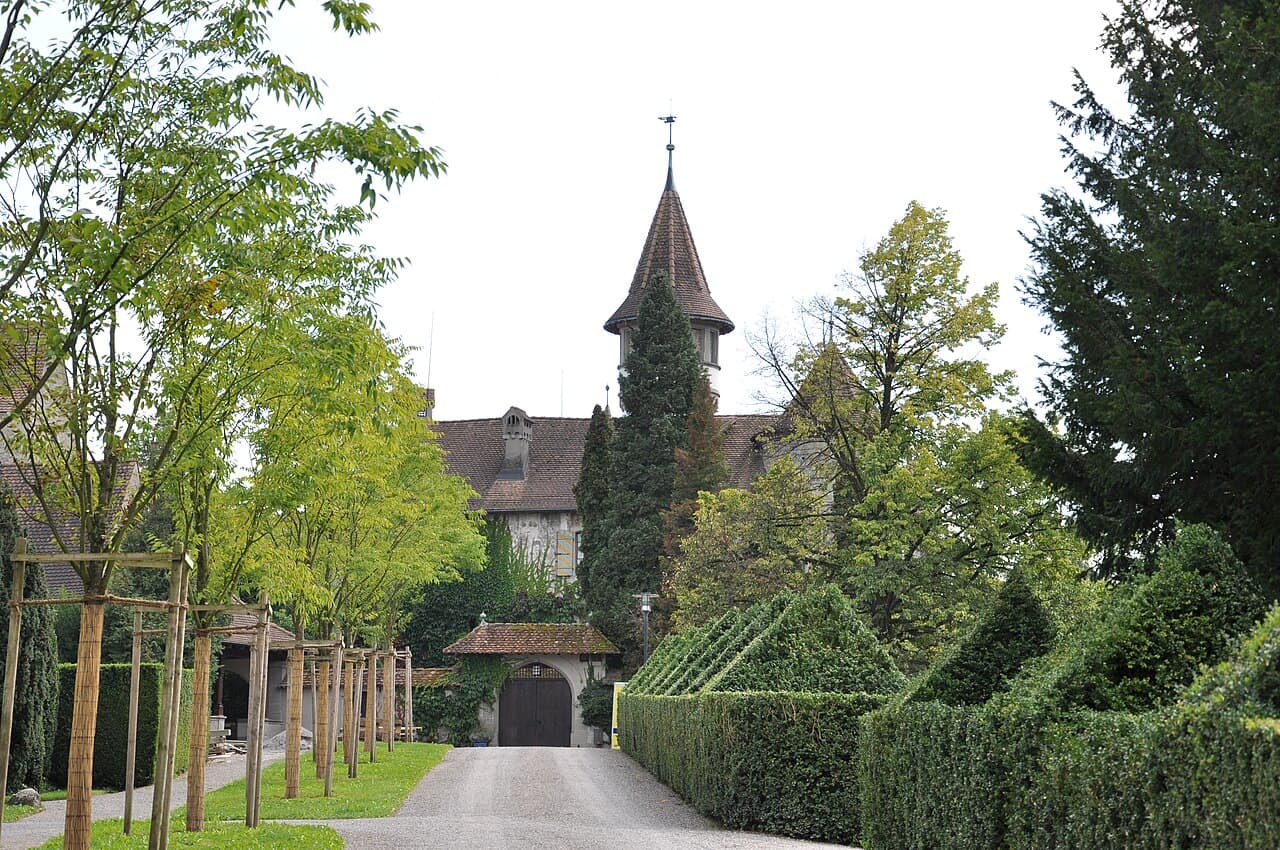
The castle complex includes robust stone walls that enclose the main courtyard, with remnants of defensive towers and gatehouses that controlled access to the site. The chapel, adjacent to the castle, retains elements of its early medieval construction, including portions of original masonry and foundations that hint at its Romanesque origins. The grounds encompass approximately 67,000 square metres of parkland, integrating the castle and chapel into a cohesive historic landscape.
Defensive structures
The castle's defensive design reflects typical early medieval military architecture, with thick curtain walls and limited entrances to enhance security. While much of the superstructure has been altered or lost, archaeological studies suggest the presence of a keep or donjon that served as the last line of defense and residence for the lord. The hilltop location itself acted as a natural fortification, augmented by man-made features such as ditches and embankments.
Chapel and religious significance
The chapel at St. Andreas is a significant feature, evidencing the site's long-standing religious importance. Its continuous use from Roman times through the early medieval period and beyond demonstrates the persistence of sacred spaces despite political and social changes. The chapel likely served the castle's inhabitants and local community, functioning as a spiritual hub and reflecting the integration of religious authority with feudal power.
Ownership and current status
Today, St. Andreas Castle remains privately owned, preserving its historical integrity while limiting public access. The castle and its extensive parkland, measuring about 67,000 square metres, are opened to the public only twice annually, allowing visitors to experience the site's unique blend of historical architecture and natural beauty. This controlled access helps protect the castle's fabric and the surrounding environment.
The castle is recognized as a Swiss heritage site of national significance, underscoring its cultural and historical value within Switzerland. Efforts to maintain and preserve the castle emphasize the importance of safeguarding early medieval architecture and the continuity of religious sites from antiquity to the present.
Cultural and historical importance
St. Andreas Castle exemplifies the evolution of fortified sites in Switzerland from Roman times through the early medieval period. Its combination of military and religious functions illustrates the complex role such castles played in regional governance, defense, and spiritual life. The castle's preservation offers valuable insights into early medieval construction techniques, feudal society, and the spread of Christianity in Central Europe.
The site's archaeological significance is enhanced by the Roman artifacts and early Christian connections, making it an important location for historians and archaeologists studying the transition from antiquity to the medieval era. The ongoing preservation of the castle and chapel ensures that future generations can explore this rich historical narrative firsthand.
Visiting information
While St. Andreas Castle is privately owned and not regularly open to the public, visitors have the opportunity to explore the grounds during the biannual open days. These occasions provide a rare chance to appreciate the castle's architecture, the chapel, and the surrounding parkland. Visitors are advised to check local announcements for the exact dates and any special events associated with the openings.
The castle's location in Cham makes it accessible for day trips from major Swiss cities, offering a peaceful retreat into Switzerland's early medieval heritage. The surrounding region also features other historic sites and natural attractions, enriching the visitor experience.
Frequently asked questions (FAQ)
- How do I get to St. Andreas Castle?
- St. Andreas Castle is located in Cham, Switzerland, and can be easily reached by public transport. The nearest train station is Cham, which is just a short walk from the castle. If you're driving, there is parking available nearby for visitors.
- What is the historical significance of St. Andreas Castle?
- St. Andreas Castle dates back to the 13th century and played a crucial role in the region's defense during the medieval period. It has witnessed numerous historical events and has been beautifully preserved to reflect its rich heritage. Visitors can explore its storied past through informative displays and guided tours.
- When was St. Andreas Castle built?
- St. Andreas Castle was constructed in the early 1200s, making it one of the oldest historical sites in the area. Over the centuries, it has undergone several renovations and restorations to maintain its architectural integrity. Its long history adds to the charm and intrigue of this remarkable structure.
- Can I take guided tours of St. Andreas Castle?
- Yes, guided tours of St. Andreas Castle are available for visitors who want to learn more about its history and architecture. Tours are typically conducted by knowledgeable guides who provide insights into the castle's significance and fascinating stories. It's advisable to check the schedule in advance and book your spot.
- Why is St. Andreas Castle considered an architectural gem?
- St. Andreas Castle showcases a mix of Romanesque and Gothic architectural styles, reflecting the evolution of design through the centuries. Its impressive towers, fortified walls, and intricate details make it a stunning example of medieval architecture. The castle's design not only served defensive purposes but also provided a glimpse into the lifestyle of its former inhabitants.
- Is it possible to visit St. Andreas Castle year-round?
- Yes, St. Andreas Castle is open to visitors throughout the year, although opening hours may vary by season. It’s best to check the official website for the most current visiting hours and any seasonal events. Regardless of when you visit, the castle offers a unique experience for history enthusiasts.
- What are the ticket prices for St. Andreas Castle?
- Ticket prices for St. Andreas Castle vary depending on age and type of tour selected. Generally, adult tickets are priced around CHF 10, while discounts are available for students and seniors. Children under a certain age often enjoy free admission, making it a family-friendly destination.
- When is the best time to visit St. Andreas Castle?
- The best time to visit St. Andreas Castle is during the spring and early autumn months when the weather is mild and pleasant. These seasons also offer fewer crowds compared to the summer peak tourist season. Additionally, the surrounding landscape is especially beautiful during these times, enhancing your visit.
- What nearby attractions should I consider while visiting Cham?
- While in Cham, consider exploring other nearby attractions such as Lake Zug, which offers scenic views and recreational activities. Additionally, the charming old town of Zug is just a short drive away, boasting quaint streets and historical buildings. These attractions provide a well-rounded experience of the region's natural beauty and culture.
Photo gallery

Information
Loading map...
Visitor reviews
No reviews yet. Been here? Write the first review and help other travelers!
Write the first reviewVisited this castle? Share your experience
Your review helps other travelers and adds first-hand knowledge to our encyclopedia.