Ziwiyeh Castle — Iran castle

Ziwiyeh Castle

Ziwiyeh castle in saqqez, iran
Saqqez, Iran
Early Medieval (5th–10th c.)
Partially Restored

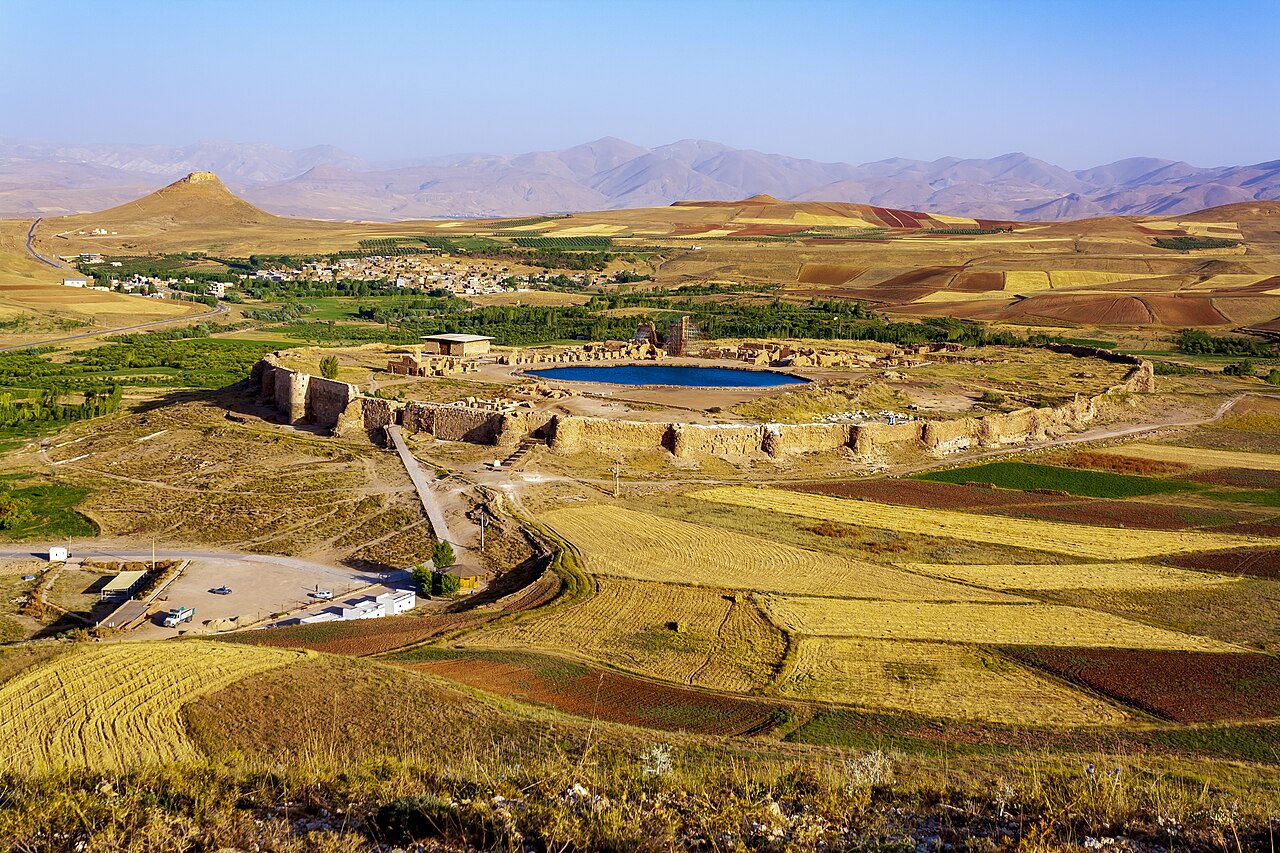
Ziwiyeh Castle (Persian: قلعه زیویه) is a significant ancient fortress located atop a hill overlooking the expansive Ziwiyeh Cave near the city of Saqqez in Kurdistan province, Iran. Positioned at an altitude of approximately 1,835 metres (6,020 ft) above sea level, the castle commands a strategic view over the surrounding landscape south of Lake Urmia. This site is not merely a fortress but a cultural landmark that has yielded a wealth of archaeological treasures dating back to the 9th century BC, during the era of the Medes.

Historical context and significance

The origins of Ziwiyeh Castle trace back to the early Iron Age, a period marked by the rise of the Median civilization in the region. The castle's location atop a hill classifies it as a hill castle, a common defensive architecture choice in ancient Iran, designed to maximize visibility and control over trade routes and surrounding territories. The site gained prominence due to its role as a fortified settlement and a cultural hub during the Median period.

Archaeological excavations at Ziwiyeh have uncovered a remarkable assemblage of artifacts, including pottery, metalwork, and jewelry, which provide insight into the artistic and cultural practices of the time. Among the most famous finds is a large golden necklace intricately engraved with mythical animals, reflecting the sophisticated craftsmanship and symbolic motifs prevalent in Median art.

Architectural features and construction

The castle's construction utilizes the natural topography of the hill, integrating rocky outcrops and steep slopes into its defensive design. The remains suggest a complex layout with fortified walls, watchtowers, and residential quarters adapted to the uneven terrain. Although much of the original structure has deteriorated over millennia, the site has undergone partial reconstruction efforts by the Iranian Cultural Heritage Organization to preserve its historical integrity.

The use of local stone and traditional building techniques indicates a high level of architectural knowledge consistent with other Median fortifications. Defensive features likely included battlements and narrow entrances to control access, though specific details remain limited due to the ruinous state of the castle.

Archaeological discoveries and cultural heritage

Ziwiyeh Castle is renowned for the rich archaeological finds uncovered during excavations. The artifacts span multiple layers of occupation, revealing a continuity of settlement and cultural exchange. The golden necklace with mythical creatures is part of a broader collection of items that illustrate the artistic and symbolic language of the Medes and their interactions with neighboring cultures.

Many of these artifacts are preserved in museums, contributing to the understanding of ancient Iranian civilizations and their material culture. The site itself is an important heritage location, attracting scholars and visitors interested in early Iranian history and archaeology.

Modern preservation and tourism

Today, Ziwiyeh Castle is recognized as a valuable cultural and historical site within Iran. The Iranian Cultural Heritage Organization has undertaken efforts to stabilize and partially rebuild sections of the castle to facilitate educational tourism and protect the site from further degradation.

Visitors to the castle can explore the rugged hilltop terrain and view the surrounding natural beauty of Kurdistan province. While the castle remains largely in ruins, its archaeological significance and scenic location make it a noteworthy destination for those interested in ancient history and architecture.

Access to the site is typically via the nearby city of Saqqez, located about 50 kilometers away. The castle's elevated position offers panoramic views that underscore its historical strategic importance.

Frequently asked questions (FAQ)

How do I get to Ziwiyeh Castle?
Ziwiyeh Castle is located in Saqqez, Iran, and can be accessed by car or public transport from nearby cities. The closest major city is Sanandaj, from where you can take a taxi or a local bus to reach the castle. Be sure to check local transport schedules for the most convenient options.
What is the historical significance of Ziwiyeh Castle?
Ziwiyeh Castle dates back to ancient times and is significant for its role in the region's history. It is believed to have been a strategic military stronghold during various dynasties, showcasing the architectural prowess of its time. The castle also offers insights into the cultural heritage of the Kurdish people.
When was Ziwiyeh Castle built?
Ziwiyeh Castle is thought to have been constructed around the 4th century BC, making it one of the oldest castles in the region. Its architecture reflects the defensive requirements of the era, with thick walls and a commanding view of the surrounding landscape. The castle has undergone various renovations throughout its long history.
Can I enter Ziwiyeh Castle?
Yes, visitors are welcome to explore Ziwiyeh Castle and its grounds. There may be designated areas and pathways for you to follow to ensure the preservation of the site. Guided tours may also be available to enhance your understanding of the castle's history and significance.
Why is Ziwiyeh Castle a popular tourist destination?
Ziwiyeh Castle attracts visitors due to its rich history, stunning architecture, and picturesque location. The castle provides a unique glimpse into Iran's ancient past, making it an ideal spot for history enthusiasts and photographers alike. Its strategic location also allows visitors to enjoy the surrounding natural beauty.
Is it possible to visit Ziwiyeh Castle year-round?
Yes, Ziwiyeh Castle is open to visitors throughout the year. However, the best time to visit is during the spring and autumn months when the weather is mild and pleasant. Summer can be hot, and winter may bring cold weather, so plan your visit accordingly.
What are the opening hours for Ziwiyeh Castle?
Ziwiyeh Castle typically opens from 9 AM to 6 PM, but hours may vary depending on the season and local holidays. It’s recommended to check ahead or contact local tourism information for the most accurate details. Arriving early in the day can help you avoid crowds and enjoy a more peaceful experience.
Are there any nearby attractions to visit?
Yes, there are several attractions near Ziwiyeh Castle, including the beautiful landscapes of the Zagros Mountains and local cultural sites in Saqqez. You can also explore nearby villages and experience the rich Kurdish culture. These nearby attractions make for a full day of exploration and enjoyment.
What are the ticket prices for Ziwiyeh Castle?
The ticket prices for Ziwiyeh Castle are generally quite affordable, making it accessible for most visitors. Entrance fees can vary, so it’s advisable to check the latest prices at the entrance or on official tourism websites. Discounts may be available for students and groups.

Photo gallery

Ziwiyeh Castle
Click to view

Photo by Anvarghaderi•CC BY-SA 4.0

1 photo • Click any image to view in full screen

Information

Hill Castle

Loading map...

Visitor reviews

No reviews yet. Been here? Write the first review and help other travelers!

Write the first review

Visited this castle? Share your experience

Your review helps other travelers and adds first-hand knowledge to our encyclopedia.
Write a review

(5/5)

0/2000 characters

Your review will be visible after admin approval

Nearby castles

51 km
Sardar Castle — Iran castle

Sardar Castle

, Iran

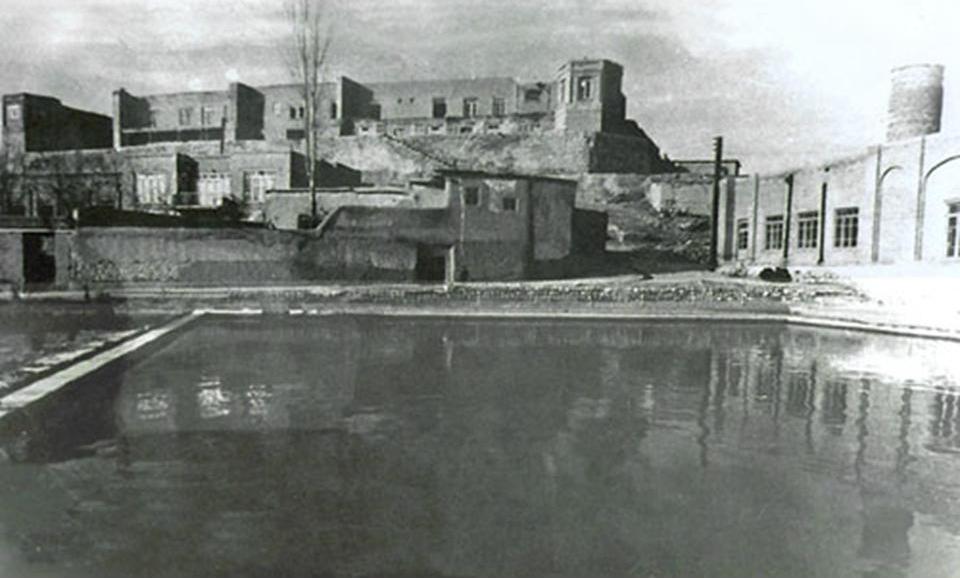
Sardar Castle was constructed in 1868 (1285 AH) by Sardaar Aziz Khaan Mukri near the large reservoir of Bukan in northwestern Iran. The castle's location on a prominent hill, measuring approximately 50 by 60 metres in diameter and rising about 13 metres high, provided a strategic vantage point overlooking the surrounding landscape. The site was chosen for its natural defensive advantages, typical of hill castles designed to oversee and control important water resources and trade routes in the region. The castle's construction utilized 20×20 cm bricks bonded with gley mortar, along with timber supports, reflecting local building materials and techniques of the late 19th century. This masonry work contributed to the castle's robust structure, suitable for both defense and administrative functions. Although the castle's architectural style does not fall neatly into traditional medieval categories, it represents a modern period fortification with practical design elements adapted to its environment and purpose. Architectural features and construction The castle's main structure was compact, built atop the hill to maximize visibility and defensibility. The use of uniform bricks and gley mortar suggests a focus on durability and resistance to the local climate. Timber was likely used for roofing and internal frameworks, common in Iranian constructions of the era. Unfortunately, detailed records of the castle's layout, such as the presence of towers, battlements, or internal courtyards, are scarce due to its later destruction. Historical usage and transformations Following its initial role as a fortified residence or administrative center under Sardaar Aziz Khaan Mukri, Sardar Castle underwent several functional transformations throughout the 20th century. Between 1946 and 1973, the castle served as a police headquarters, then as a post office, and subsequently as a school. These changes reflect the shifting social and political landscape of the region and the adaptive reuse of historic buildings to meet contemporary needs. Despite these adaptations, the castle's physical condition deteriorated over time. In 1983, the original structure was demolished and replaced by a new building that functioned as a Basij (Mobilization) station. This marked the end of Sardar Castle as a historical monument, erasing much of its physical presence and architectural heritage. Cultural and regional significance While no longer standing, Sardar Castle remains a significant historical site for the city of Bukan and the broader region of northwestern Iran. It symbolizes the legacy of local leadership under Sardaar Aziz Khaan Mukri and the strategic importance of the reservoir and surrounding area. The castle's history encapsulates a period of transition from traditional fortifications to modern administrative uses in Iranian history. The site where the castle once stood continues to hold cultural memory and is a point of reference for studies of regional architecture and history in the late 19th and 20th centuries. Its story reflects the broader narrative of Iranian castles adapting to changing political and social realities over time.

Modern (19th–20th c.)
Details
61.1 km
Takht-e Soleyman — Iran castle

Takht-e Soleyman

, Iran

Takht-e Soleyman (Persian: تخت سلیمان, lit. 'Throne of Solomon') is a significant archaeological site located in West Azerbaijan, Iran, near the modern town of Takab. This site dates back primarily to the Sasanian Empire period and is situated approximately 400 km west of Tehran, midway between Urmia and Hamadan. The site occupies a naturally fortified hill formed by the outflow of a calcium-rich spring pond, which adds a unique geological feature to the fortress complex. The historical and cultural significance of Takht-e Soleyman Takht-e Soleyman was a major religious and administrative center during the Sasanian era. The site is best known for the remains of Adur Gushnasp, a Zoroastrian fire temple that was one of the three "Great Fires" or "Royal Fires" revered by the Sasanian rulers. This fire temple was dedicated to the arteshtar, the warrior class of the Sasanian society, and the fire was considered a symbol of royal legitimacy and divine favor. The temple's foundations are located around the central pond, emphasizing the sacred connection between water and fire in Zoroastrian tradition. Following the Muslim conquest of Persia in the 7th century, the site acquired its biblical name, "Throne of Solomon," reflecting local legends that King Solomon imprisoned demons in a nearby deep crater called Zendan-e Soleyman ("Prison of Solomon"). Folklore also attributes the creation of the flowing pond within the fortress to Solomon, blending pre-Islamic history with Islamic-era mythology. Architectural features and site layout The fortress at Takht-e Soleyman is characterized by its strategic location on a hill formed by natural springs, which created a moat-like pond surrounding the inner citadel. The site includes the ruins of defensive walls, towers, and the central fire temple complex. The Adur Gushnasp fire temple itself was a grand structure with a square plan, featuring thick walls constructed from stone and mortar. The temple's design incorporated a central sanctuary where the sacred fire was kept, surrounded by ancillary chambers for priests and ritual activities. During the Ilkhanate period (13th-14th century), parts of the fire temple were converted and partially rebuilt as a mosque, reflecting the site's continued religious importance and adaptation over centuries. The site also contains remains from earlier periods, including traces of Achaemenid occupation dating back to the 5th century BC and Parthian settlements, indicating the long-term strategic and cultural significance of this location. Defensive structures and natural features The hilltop fortress was naturally protected by the spring-fed pond, which acted as a moat, and by the surrounding rocky terrain. The defensive walls included battlements and towers designed to repel invaders, while the citadel's elevated position provided commanding views of the surrounding landscape. This natural and man-made defense system made Takht-e Soleyman a formidable stronghold during its peak. Archaeological discoveries and artifacts Excavations at Takht-e Soleyman have uncovered a wealth of artifacts that illuminate its historical timeline. Among the finds are coins from the reigns of Sasanian shahs and the Byzantine emperor Theodosius II (AD 408–450), demonstrating the site's role in regional trade and politics. The discovery of these coins helps date the site's active use and highlights its connections beyond Persia. Additional artifacts include pottery, architectural fragments, and religious objects related to Zoroastrian worship. These finds are displayed in a small museum near the site, providing visitors with insights into the cultural and religious life of the ancient inhabitants. World Heritage status and preservation Takht-e Soleyman was recognized as a UNESCO World Heritage Site in July 2003, acknowledging its outstanding universal value as a cultural and historical monument. The site's classification as archaeological ruins reflects its current condition, with many structures surviving only as remnants. Despite this, the ruins offer a remarkable glimpse into Sasanian architecture and religious practices. Preservation efforts focus on stabilizing the remaining structures and protecting the site from environmental and human threats. Visitors can explore the ruins and the museum, gaining a deeper understanding of the site's significance in Iranian history.

Details
103.1 km
Behestan Castle — Iran castle

Behestan Castle

, Iran

Behestan Castle is a remarkable example of ancient defensive architecture located near Behestan village in the Mahneshan area of Gilan province, Iran. This hill castle is carved directly into the mountain rock, showcasing a unique integration of natural geological formations with human construction. Its origins are somewhat shrouded in mystery, but the fortress is generally believed to have been initially built during the Sasanian Empire (224–651 CE), with some scholars suggesting that its foundations may even date back to earlier periods such as the Median or Achaemenid eras. This long historical span highlights the castle's enduring strategic importance in the region. The castle's location in the rugged terrain of Gilan afforded it natural defensive advantages, which were further enhanced by its architectural design. The fortress was used continuously into the Islamic period, particularly flourishing from the 5th to the 7th centuries AH (approximately the 11th to 13th centuries CE). During this era, Behestan Castle served as a critical stronghold for local rulers and communities, offering protection against invasions and raids common in the region. The presence of a mihrab—a prayer niche added within one of the vaulted chambers—attests to its religious as well as military significance during the Islamic period. Historical context and cultural significance Behestan Castle is deeply embedded in local folklore, which adds a rich layer of cultural meaning to its physical presence. It is often referred to by evocative names such as “Doodkesh-e Jen” ("Chimney of the Jinn") and “Takht-e Div” ("Throne of the Demon"), inspired by the castle's distinctive chimney-like rock formations. These natural geological features, known as hoodoos, have been sculpted by centuries of erosion, giving the fortress an otherworldly silhouette that has fueled legends of supernatural beings. These stories reflect the castle’s imposing and mysterious character in the collective imagination of the local population. The castle was actively used until at least the 5th century AH, after which its military relevance declined. Today, it stands as one of about twenty historical castles in the Mahneshan region and has been officially recognized on Iran’s National Heritage List since 1977. Its preservation offers valuable insights into the region’s layered history, from ancient empires to medieval Islamic governance. Architectural features and design Rock-cut construction and layout One of the most striking aspects of Behestan Castle is its extensive use of natural rock formations as structural elements. The fortress is carved directly into the mountain, creating a complex network of interconnected rooms, corridors, and stairways. This rock-cut design follows a deliberate architectural plan that divides the space into functional zones. The castle comprises three main types of areas: living and storage chambers, winding corridors, and staircases that connect multiple levels. Defensive stairways and vaulted chambers The staircases are particularly notable for their design and strategic placement. Two prominent zigzagging stairways on the western and eastern sides begin near the lowest northern section and ascend to upper floors intended for defense. The northwest staircase remains relatively intact and leads to a vaulted chamber featuring the mosque-style mihrab, indicating the integration of religious function within the fortress. These stairways are approximately one meter wide and reflect Islamic architectural influences. Within the rooms, some ceilings are vaulted with pointed arches, and the walls contain triangular and circular niches. These niches once held oil lamps, illuminating the interior spaces. The upper floors were finished with plaster, enhancing both aesthetics and protection. A notable feature is a stone and traditional mortar basin measuring about seven by three meters, supplied with water through clay pipes known locally as “Gong.” This sophisticated water management system underscores the castle’s self-sufficiency and the advanced engineering skills of its builders. Geological and environmental context The castle's exterior is remarkable for resembling a series of chimney-like rock formations, geologically classified as hoodoos. These natural pillars have been shaped by long-term erosion processes, which have contributed to the fortress's distinctive and dramatic silhouette. This geological context not only provided natural defense but also inspired the castle's evocative local names and legends. Preservation and current condition Over centuries, Behestan Castle has suffered from extensive erosion and structural damage, particularly affecting the lower staircases, which are now largely unsafe. Access to the upper sections generally requires climbing equipment, limiting casual visitation. Despite these challenges, many original architectural elements remain in place, offering valuable information about the castle’s multifaceted roles as a defensive fortress, residential complex, storage facility, and religious site. As a well-preserved hill castle carved into natural rock, Behestan Castle stands as a testament to the ingenuity of ancient builders in Iran and the rich historical tapestry of the Gilan region. Its combination of natural geological features and human craftsmanship continues to attract historians, archaeologists, and visitors interested in the complex history of Iranian fortifications.

High Medieval (11th–13th c.)
Details